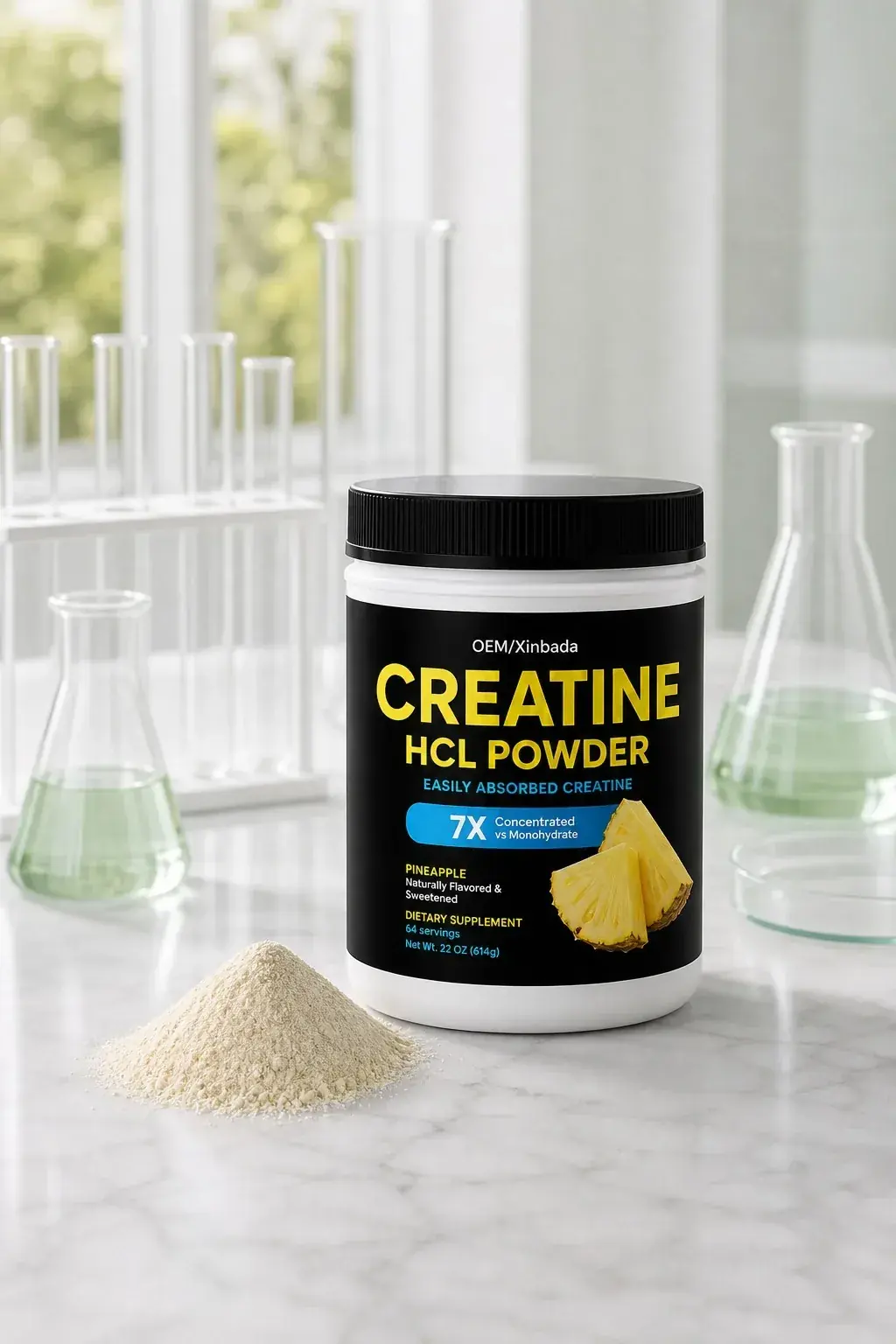
An OEM protein powder project needs explicit decisions about formula control, manufacturing records, and the evidence delivered with the finished product. The parties also need to know which formulation is approved, who may change it, which results support release, and what information remains available after the development team moves on.
Separate The Recipe From The Right To Use It
Formula control involves more than possessing an ingredient list. A useful development brief separates the starting recipe, later improvements, manufacturing instructions, and permission to use the resulting information. These are commercial scope questions that require explicit agreement; the word OEM alone does not settle them.
Distinguish Existing Knowledge From New Development
A project may begin with a customer-supplied recipe, an existing base, or both. List those inputs separately. If a flavor system or process adjustment is developed later, identify the expected deliverable and permitted use. Development fees do not by themselves explain whether the customer receives percentages, process details, or only production against an approved brief.
The site's manufacturing partner overview provides context for a capability discussion, but public service descriptions cannot establish project-specific rights. An OEM protein powder brief should therefore distinguish what will be disclosed from what will be manufactured. If a premix remains proprietary, the scope can still define measurable acceptance criteria and a workable route for reviewing relevant quality evidence.
Make Access Different From Ownership
Access to a record can be necessary without unrestricted redistribution. Specify whether documents arrive as controlled copies, summaries, or material available for review, and who can receive them. A named custodian, revision identifier, retrieval route, and response time make the agreed access practical.
Turn The Approved Sample Into A Defined Product
The approved sample should point to a controlled product definition and packaging specification. It should not be the only definition. Appearance, flavor, dispersion, protein source, package format, and intended use all need sufficient description to show what was approved and what remains provisional.
Connect Each Sample To A Formula Revision
Use a sample identifier that connects to its formulation revision, ingredient references, preparation instructions, and packaging used for evaluation. Record which attributes were accepted and which were still being adjusted. A sample approved for flavor does not automatically establish shelf life or full-scale manufacturing performance.
The protein powder catalogue includes different formulation families, so a shared powder format does not establish ingredient equivalence. For a blend containing plant protein and additional ingredients, the specification should distinguish the mass of the blend from the protein content being claimed. The applicable basis, method, and units need agreement; a photograph cannot resolve those points.
Reconcile Packaging With The Written Specification
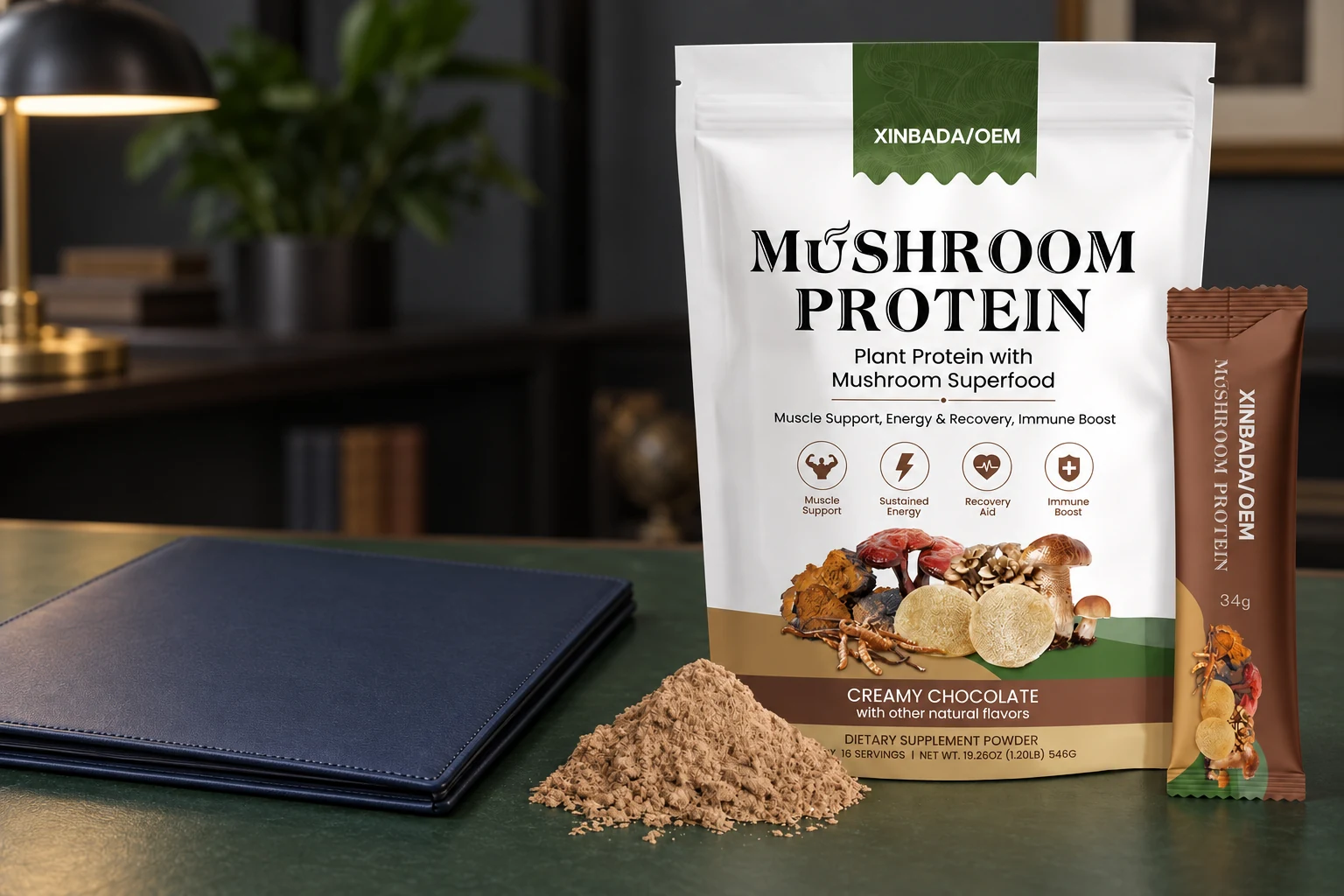
The mushroom protein product example demonstrates why a catalogue page should remain a starting point. Its visible package and some page fields do not consistently describe the same size or formulation. A development team should resolve such differences against controlled documents before quoting, approving artwork, or selecting tests. Neither a convenient image nor a copied template field should silently become the production instruction.
Define What Evidence Is Delivered At Each Milestone
A delivery schedule should name usable records, not just promise a complete technical file. Different records answer different questions, and the receiving team needs enough context to interpret them. The following matrix is a planning tool, not a claim that every item is automatically included in a supplier's standard service.
| Milestone | Useful deliverable | Question to resolve | Boundary to record |
|---|---|---|---|
| Brief agreement | Formula scope and input register | Which starting materials and information are supplied by each party? | Existing know-how versus project work |
| Sample acceptance | Sample code and revision-linked feedback | Which attributes are accepted, conditional, or untested? | Sensory preference versus measured performance |
| Process development | Scale-up review and authorized changes | What changed between the sample and manufacturing process? | Confidential process detail and agreed access |
| Packaging approval | Artwork and material specification | Do claims, serving information, fill target, and package match? | Approved configuration and pending evidence |
| Batch delivery | Lot-linked release evidence | Which results and decisions support this particular batch? | Summary certificate versus underlying records |
| Project handover | Controlled index and access contacts | Can the receiving team retrieve and interpret the required records? | Retention, review access, and permitted use |
Identify The Basis Behind A Reported Result
A number without a sample identity, method, units, and acceptance limit is difficult to use. The development brief should establish how results will be linked to the relevant sample or lot and how external laboratory work will be identified. If the document delivered is a summary, establish the process for reviewing the supporting information when an inconsistency appears.
FDA guidance distinguishes food and dietary supplement manufacturing requirements; the applicable product classification needs confirmation for the intended product. That background supports asking about specifications, quality controls, and records. It does not prove a particular supplier's compliance or determine ownership of a formula. Any label or promotional claim also needs an appropriate evidence review beyond approving the look of the pack.

Agree On The Format Before The File Is Due
Document handover works best when the receiving team can use a small example early. Ask for a redacted template or agreed field list, rather than waiting until the final shipment to discover that a record lacks revision identifiers. Define whether data arrive in a searchable document, structured table, or review-only form. Also identify the language, units, and person responsible for clarifying inconsistencies between the document and the approved brief.
Keep Development Changes Traceable During Scale-Up
A formula that performs acceptably in a sample can require process adjustments before routine production. The development record should show what changed and why, while keeping the approved product criteria visible. Change control is most useful when it distinguishes an authorized process adjustment from an unreviewed change to the product itself.
Classify The Change By Its Effect
Ingredient substitution, flavor adjustment, mixing sequence, and packaging replacement do not have identical consequences. Record the affected specification, previous evidence, reason for change, and approval needed before implementation. A change that preserves a trade name can still alter relevant ingredient or processing characteristics. The brief should require the manufacturer to explain the proposed difference and the evidence needed to judge its acceptability, rather than relying on the phrase equivalent material.
The facility and laboratory information can guide questions about available capabilities. It does not establish that a pictured laboratory vessel is the production blender or that a proposed batch has been validated. Ask which development activities are actually planned, what equipment scale will be used, and how observations from that work will be recorded against the project revision.

Preserve The Meaning Of Earlier Approvals
An approval should state its scope and date. A packaging specification change after stability work begins requires a review of whether previous evidence still applies. A flavor change should not silently inherit earlier sensory approval. Record the review and any further work needed, so the later version has a clear basis for acceptance.
Plan Record Access Through The Product's Commercial Life
The development phase ends before the need for records does. Later complaints, repeat orders, artwork revisions, or a change of manufacturing partner may require information that was created months earlier. Set the retrieval arrangements while the project team and the original assumptions are still available.
For OEM protein powder, a practical handover index can connect the current formulation code, product specification, approved artwork, material references, sample history, and lot-specific documents. The index should show where each record is kept and which version is current. This is more useful than a large folder whose filenames do not reveal whether an item is a draft, superseded copy, or approved instruction.

Compare The Development Offer By Its Actual Scope
Two offers can use the same OEM wording while delivering different amounts of development work and documentation. One may start from an established base; another may include additional formulation iterations, packaging evaluation, or testing. Compare the stated deliverables, assumptions, exclusions, and access arrangements before comparing a headline price or promised schedule.
The site's broader product portfolio helps identify relevant formats, but it cannot establish a common minimum order or lead time across them. Those factors depend on the chosen materials, packaging, development work, and production plan. Separate sample-development timing from the manufacturing schedule, and state what must be approved before each stage can begin.
Frequently Asked Questions
Does OEM automatically mean the customer owns the formula?
No. The term describes a manufacturing arrangement without resolving every right or deliverable. Existing formulas, new development work, disclosure, permitted use, and later changes should be addressed explicitly in the project agreement. The appropriate terms depend on the actual arrangement.
Can a proprietary premix be used without receiving its full recipe?
It may be possible if the arrangement provides sufficient product specifications, evidence access, and change notification for the intended project. The team must identify what remains confidential and whether that restriction prevents necessary evaluation, ongoing support, or future transfer.
Is an approved sample enough to define the finished product?
No. A sample is a useful reference, but its identity and the scope of approval need to connect to written requirements. Attributes not evaluated during sample approval, such as longer-term stability or full-scale process performance, should remain explicitly unresolved until supported.
Should every manufacturing record be supplied with each shipment?
Not necessarily. Define the routine shipment documents separately from underlying records available through an agreed review process. The important point is that the receiving team understands what each document proves, how it connects to the delivered lot, and how further information can be accessed.
What is the most useful first step before further sampling?
Agree on a one-page deliverable register that names the formula revision, sample approvals, packaging requirements, testing evidence, and access responsibilities. That register gives subsequent discussion a shared reference and reveals gaps before they become expensive to resolve.
A focused development-scope discussion can start with that register, the proposed product definition, and the specific records still needed before the next sample is approved.