Whey protein producers should demonstrate how ingredient identity, shared equipment, label control, and changeover evidence prevent unintended allergen transfer.
Whey is derived from milk. The assessment therefore starts with an intended milk ingredient, not a promise to remove milk allergens from whey. Two separate questions follow: could another allergen enter the formula, and could whey residue reach a subsequent product that does not intentionally contain milk? A useful supplier review connects those questions to actual materials, process routes, and release records.
Establish the protein identity before evaluating the facility
Separate ingredient production from blending and packing
A company may make a dairy ingredient, blend purchased protein into a finished formula, fill packages, or coordinate subcontractors. These activities create different evidence needs. Ask which legal entity performs each operation and where responsibility passes between sites. An ingredient specification from a dairy processor does not establish the controls used by the subsequent flavor blender or contract packer.
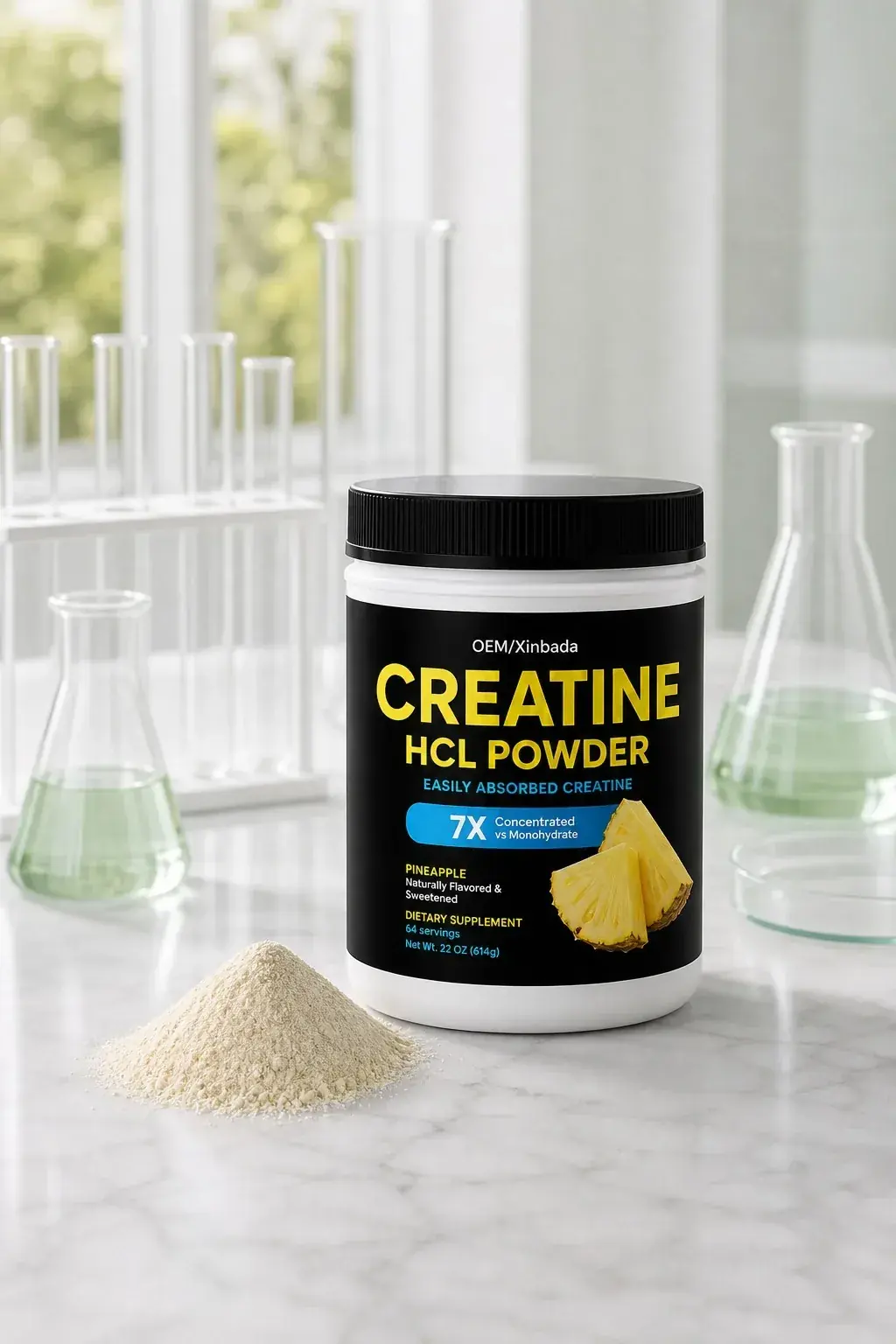
The current product catalogue provides a starting point for matching product families. In the catalogue reviewed for this article, no product detail page was found that established a specific whey offering. A protein-powder category or an OEM service description alone does not fill that gap. Product availability, milk handling, and the proposed manufacturing location require direct confirmation.
Read the complete formula rather than the front name
Evaluate the protein source alongside flavors, lecithin, carriers, inclusions, and processing aids where relevant. Request current supplier declarations for the actual materials under review, including compound ingredients. The purpose is to map intended allergens and possible allergen cross-contact, not to assume that every formula with a similar marketing name has the same risk profile.
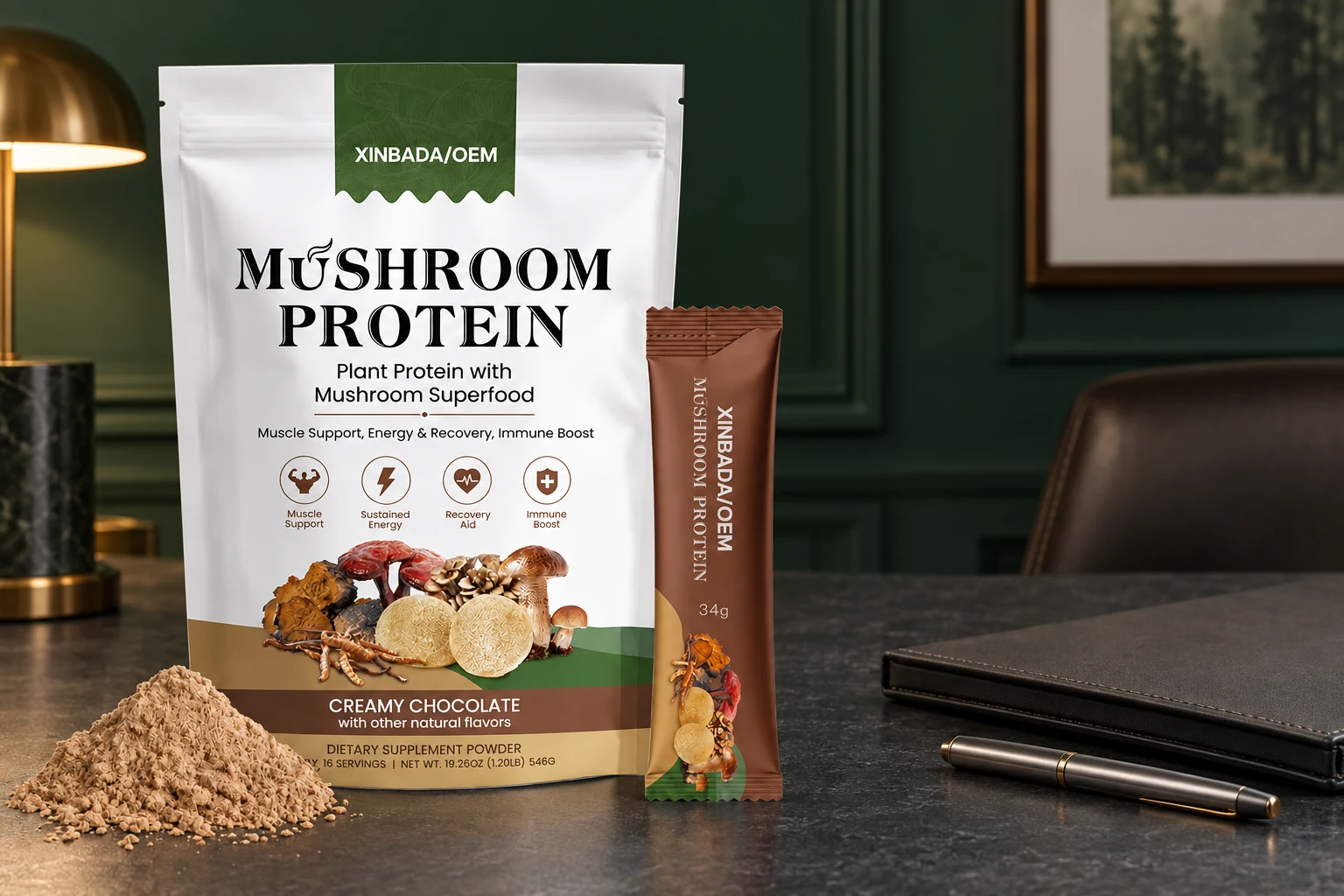
The site's mushroom plant-protein example illustrates the distinction. Its visible front identifies a plant-protein product; it is not evidence of a whey formula or proof that a facility excludes milk. Neither a product photograph nor the word “plant” establishes the full ingredient declaration, the line schedule, or the controls applied between different products.
Ask for evidence that follows a credible transfer route
FDA guidance treats unintended allergen transfer and accurate allergen information as substantive food-safety concerns. For a procurement review, the practical task is narrower: identify a plausible route, identify its control, and locate a record showing that the control applied to the proposed operation. A general assurance that a site is clean is too broad to answer those questions.
Connect the record to the equipment and product involved
Start with a simple process map covering receipt, weighing, transfer, blending, temporary storage, filling, and rework. Mark where tools, surfaces, people, air movement, or intermediate containers are shared. Ask the supplier to explain the highest-risk changeover rather than selecting an easy example from an unrelated line. The equipment identifier and product sequence should be traceable across the records presented.
| Potential route | Evidence to request | Question the evidence should answer |
|---|---|---|
| Compound ingredient or flavor carrier | Current specification and allergen declaration for its exact material code | Does the declaration match the formula revision being assessed? |
| Shared weighing tool or transfer container | Use restrictions, identification method, and completed changeover record | How is the correct tool or container selected and released? |
| Residue in a difficult equipment location | Cleaning assessment, sampling rationale, and relevant follow-up records | Does the evidence address the actual difficult-to-clean location? |
| Incorrect packaging component | Approved artwork revision and line reconciliation record | Can a correct formula be placed in the wrong printed pack? |
| Returned or reworked material | Material identity, permitted destination, and authorization | Can its allergen profile be lost when it re-enters production? |
Distinguish a laboratory result from a control system
A laboratory report should identify what was sampled, when, where, by whom, and using which method. Detection capability and suitability for the sample matrix matter. A result without that context cannot support a conclusion about every surface or every lot. Ask how the sampling plan relates to the hazard assessment and how a result outside expectations changes the product's release decision.
Laboratory competence and routine documentation are useful topics when reviewing the site's published facility information. Public photographs, however, do not verify a particular allergen method or accreditation scope. Microscopy imagery is not evidence of allergen testing. The supplier needs to provide the applicable method and records separately, with confidential details handled through an agreed review process.

Examine what happens between two different products
Keep validation and routine checks distinct
A cleaning assessment should establish why the chosen procedure is suitable for the relevant equipment, soils, and operating conditions. Routine cleaning verification then checks that the procedure was performed and the specified release conditions were met. Neither role is served by collecting attractive photographs of freshly cleaned equipment. Ask for the reasoning behind the procedure and a completed record from a representative changeover.
Whey protein producers should explain how their review handles the sequence before and after the proposed batch. If a later product is intended to exclude milk ingredients, the assessment must address carryover from the whey operation. Where another allergen precedes the whey batch, the same reasoning applies in the opposite direction. The appropriate controls depend on the actual process and cannot be selected from the product name alone.
Review exceptions as carefully as the normal procedure
Useful evidence includes what happens after an interrupted run, an incomplete cleaning record, a damaged seal, or an unexpected residue finding. Ask who can place equipment or product on hold, who investigates, and who authorizes restart. A supplier that describes the normal sequence clearly but cannot explain an exception has left an important part of the operating model untested.
Equipment can also move between development and routine production. The OEM and ODM service description helps frame questions about sampling and scale-up, but it does not prove that a development procedure transfers unchanged to a larger line. Confirm the equipment route proposed for commercial batches, including any outsourced filling stage, before accepting supporting records as representative.

Follow materials through storage and movement
Look beyond a designated shelf
Ingredient segregation includes identification and controlled movement as well as storage location. Examine how opened bags are resealed, how partial containers retain their identity, and how spills or damaged packaging are managed. A dedicated shelf may be useful, but it does not answer whether a shared scoop, weighing area, or temporary staging space creates a transfer route during a busy shift.
Keep rework and returns within the same identity system
Rework should retain the information needed to decide where it can be used. Review its originating formula, allergen profile, lot identification, storage conditions, and authorized destination. A generic label such as “protein powder” is insufficient when the store contains several formulations. Similar care is needed for returned stock, development samples, and retained materials that should not silently re-enter saleable production.
The published partnership overview can support a discussion about responsibilities across the supply chain. Translate that discussion into named owners for receipt, transfer, issue, and disposition. Records should make the handoffs understandable even when the person reviewing them was not present during the original shift.
Reconcile the label, the batch, and the change history
Milk is an intended allergen in whey, so correct communication remains essential even when unintended transfer is well controlled. Review the finished formula and the approved ingredient and allergen information together. A low-lactose description concerns a different substance from milk protein and should not be treated as evidence that a whey product is suitable for someone with a milk allergy.
Check how artwork is approved, how obsolete packaging is removed from use, and how printed components are reconciled at the end of a run. The relevant comparison is the current formula against the specific package revision selected for that batch. A signed design proof from an earlier launch does not establish that the component loaded onto the line was the correct one.
For whey protein producers, a defensible review outcome is a documented decision with explicit open items. Separate acceptable evidence from missing evidence, assign an owner, and define the condition for closing each gap. Conditional approval should state its limits rather than allowing an unanswered question to become an implied confirmation.
Frequently Asked Questions
Does a whey product need to be free of milk?
No. Whey is a milk-derived protein ingredient. The review should confirm its identity and appropriate information while examining unintended transfer of other allergens and milk carryover into subsequent products. “Milk-free whey” would require careful scrutiny rather than acceptance as an ordinary description.
Can a negative sample prove an entire line is safe?
A result applies to the sample and method described. Its relevance depends on the sampling locations, timing, matrix, detection capability, and wider control plan. It should support the assessment alongside operating records, not replace the assessment or be extended to unsampled conditions without justification.
Is a precautionary label a substitute for process controls?
No. Advisory wording does not replace appropriate controls for allergen cross-contact. The supplier should explain the underlying risk assessment and applicable labeling review. A broad warning on every pack cannot establish that preventable transfer routes have been adequately addressed.
Does cleaning verification require one universal test?
No universal choice can be inferred from the ingredient name. The relevant method depends on the allergen, surfaces, residues, matrix, and purpose of the check. Ask a qualified food-safety team to explain method suitability and interpretation; do not substitute a generic cleanliness result for a targeted conclusion.
What can public product pages establish?
They can identify the products and services a site describes and provide a starting point for questions. They cannot independently prove a current formula, a validated cleaning procedure, or the absence of an allergen. A plant-protein listing should therefore remain a plant-protein example until any proposed whey scope is confirmed.
Before evaluating a proposed formula through the site's contact channel, request confirmation of the whey ingredient source, manufacturing location, shared-equipment route, and the records available for review. Those answers establish whether a detailed assessment is relevant to the proposed supply arrangement.