Assess protein supplement suppliers by reconciling product specifications, sample records and batch evidence before approving a repeatable supply arrangement.
Start with one product identity across every record
A polished sample and a detailed quotation can describe different versions of a product. The flavor may have changed after testing, the serving size may belong to an earlier label, or the quoted container may hold a different amount. Supplier qualification therefore begins with a simple question: do all the documents refer to the same proposed item? A document pack becomes useful when its records agree, not merely when it contains many pages.
Build a short identity sheet before comparing offers
Assign the proposed item a working reference and record the protein source, dosage form, flavor, intended presentation, package size and formula revision. Separate required attributes from preferences. A plant blend, a dairy protein and a collagen powder cannot be treated as interchangeable because they all contain protein. The identity sheet should accompany every request for a sample, analysis or price so that answers can be tied to a defined product.
The current product catalogue provides a starting point for identifying relevant formats. Catalogue names are discovery aids; an approved specification needs a revision, an owner and agreed acceptance criteria. If two commercial names describe one formula, record that relationship explicitly instead of expecting warehouse staff or a laboratory to infer it later.
Resolve contradictory package and serving information
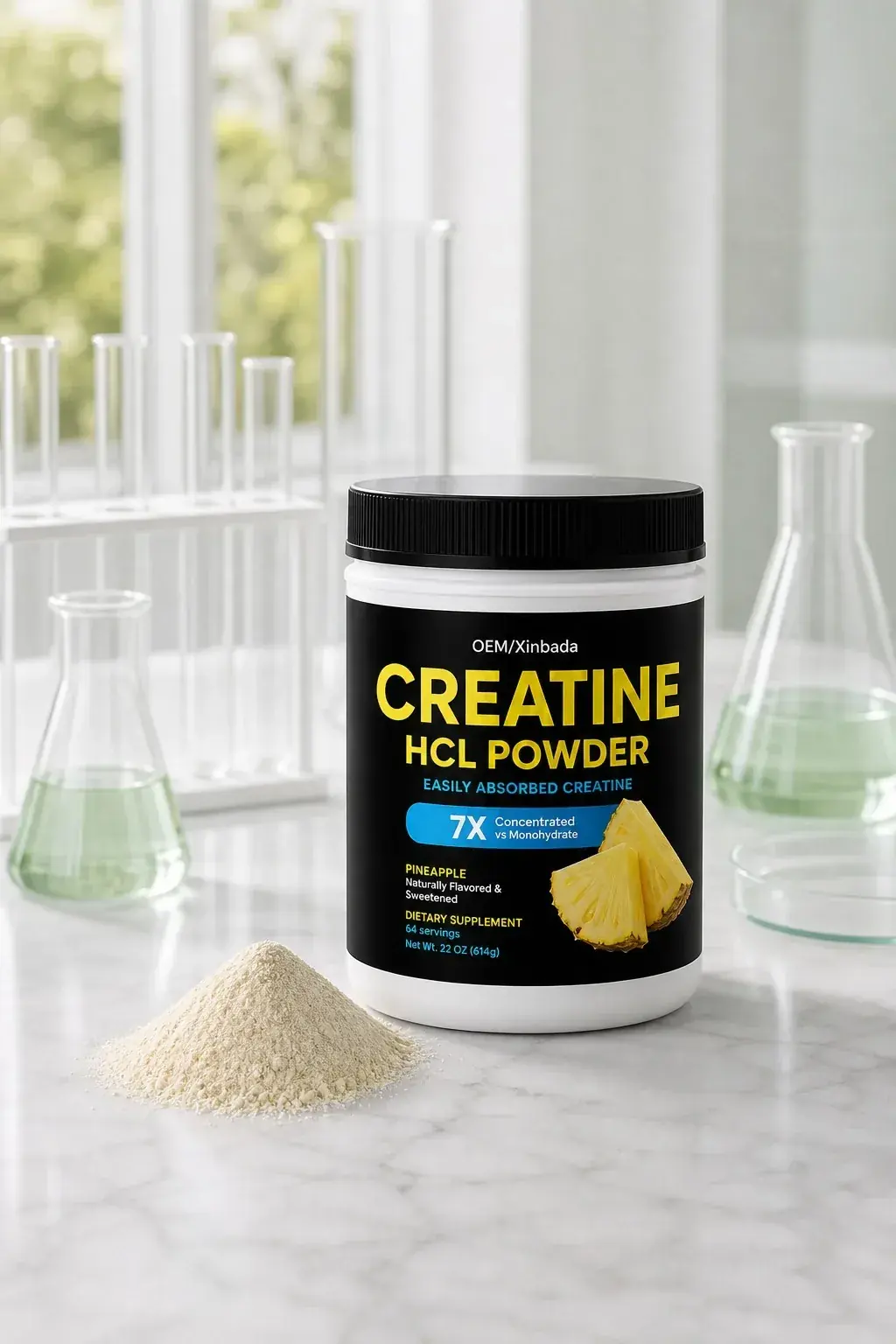
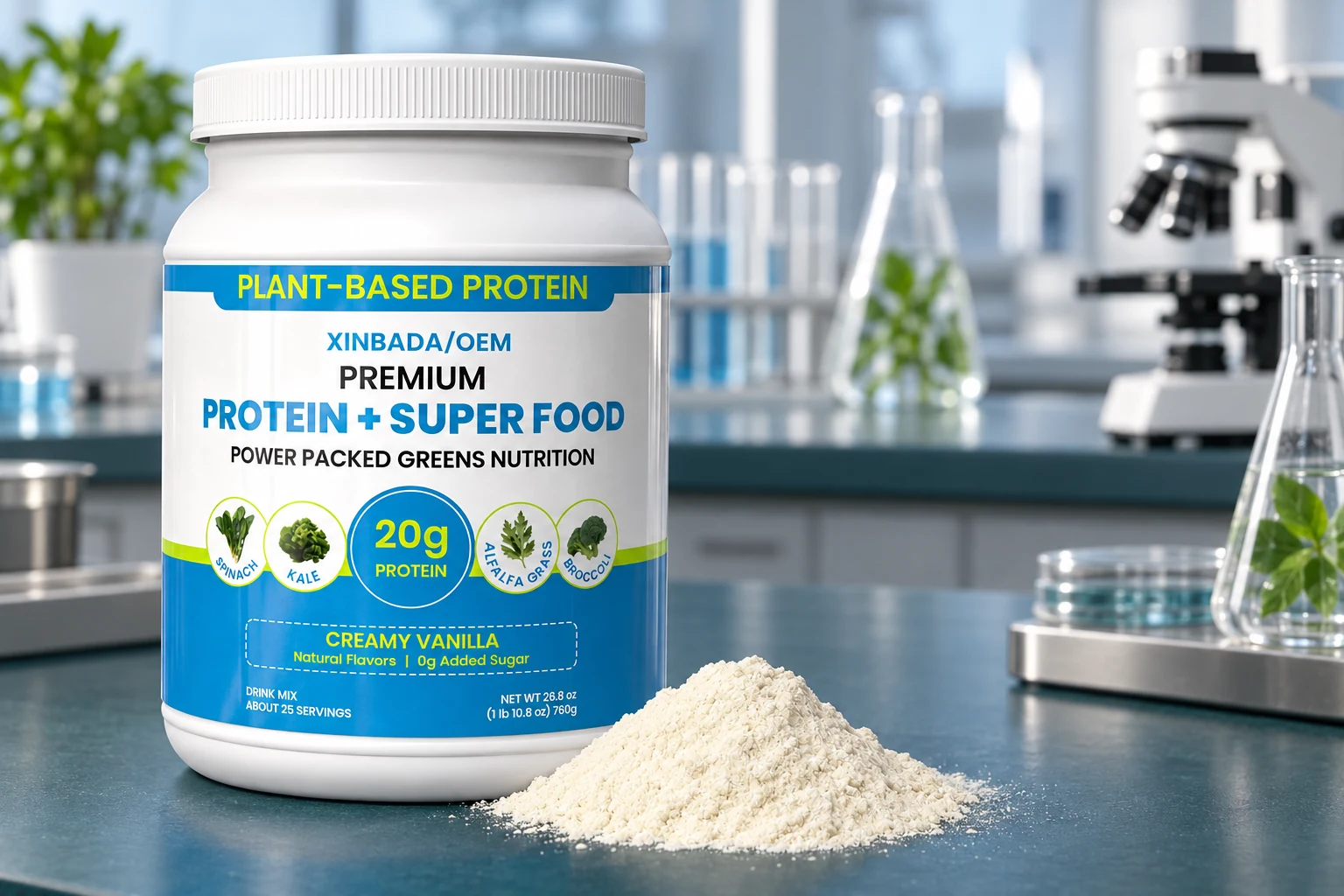
The supergreens vegan protein listing illustrates why this reconciliation matters. Its product information and gallery present different serving and package references, while the visible jar artwork contains its own values. Those references should not be merged into a new specification. Request the current controlled formula, label and pack configuration that will actually apply to the proposed order.
Connect the formula, label and analytical specification
Finished product specifications should define what is being supplied and how acceptance will be determined. A label describes the marketed presentation; a formulation record defines ingredients and intended quantities; a test specification defines measurements and limits. These records have different purposes, but they should agree on product identity and the basis of any quantity shown. Approval becomes fragile when one document silently substitutes for another.
Compare values on the same measurement basis
Protein supplement suppliers may provide values per serving, per unit mass or for a raw ingredient rather than the final blend. Compare like with like. Record the stated basis, units, relevant method and whether a value is a target, a label declaration or a measured batch result. A high-protein ingredient specification does not by itself establish the protein content of a finished flavored powder containing other ingredients.
Keep classification and claims separate from supplier branding
For a proposed United States launch, determine whether the specific presentation is being marketed as a dietary supplement or another food category before reviewing its label. FDA guidance explains that dietary supplements are not approved by the agency before marketing and that manufacturers carry responsibilities for product quality and labeling. A registration reference, factory photograph or certification logo is not product approval.
Read the batch report as a traceable result
A certificate of analysis is most useful when it can be connected to the sampled material, the testing method and the release decision. Supplier qualification should establish that connection before a large order, using a representative record with confidential details handled appropriately. A document bearing a product name alone may be a generic template rather than evidence about the sample in hand.
Confirm what was sampled and who reported it
Check the batch reference, sample description, sampling or receipt date, test date and reporting organization. Where an outside laboratory is used, ask how the submitted sample is linked to the production batch. A laboratory report can describe only the material and tests within its scope; it does not automatically establish that every delivered unit was examined or that all possible contaminants were assessed.
Review the method and acceptance limit for each relevant parameter. Different methods or reporting limits can make apparently similar results difficult to compare. If a result is reported below a detection or quantification threshold, retain that qualification instead of converting it into an absolute absence claim. Where interpretation needs specialist expertise, obtain that review before treating the result as an acceptance decision.
Link exceptions to the release decision
Protein supplement suppliers should be able to explain who reviews an unexpected result and how the affected batch is held while it is investigated. Ask for the decision path and an appropriate example of the record format. A replacement report without the reason for replacement leaves a gap. The aim is to understand how corrections, investigations and final authorization remain connected, not to collect an isolated passing page.
A company and facility overview can help identify the operating organization, but it does not replace batch evidence. Laboratory photographs illustrate a setting, not the performance of a particular assay. Review actual methods, responsibilities and record links alongside any site description, and keep the distinction clear in the approval notes.

Use the sample record to define the next order
The sample should have a reference that connects it to a formula revision, preparation date and intended package. Record which observations are subjective and which were measured under a defined procedure. A taste preference, a mixing observation and an analytical result are different kinds of evidence. Keeping them distinct helps avoid approving one attractive feature while leaving the underlying identity unresolved.
Document the conditions behind a comparison
When reviewing dispersion, appearance or flavor, use consistent preparation conditions and record them: liquid type, amount, temperature, mixing method and time before observation. Compare samples under the same conditions. A change in preparation can look like a change in product quality. Photographs can support a record but do not establish particle size, microbiological status or nutritional composition.
The plant-based superfood powder presentation is another catalogue reference for discussing format and packaging. Similar jar artwork across listings does not establish that the controlled formulas are identical. The sample approval should name the exact item and revision, and the purchase documents should preserve that identity.
Ask whether the sample was made by the intended commercial process and which differences remain before production. A development sample may reasonably precede the final manufacturing configuration, provided those differences are disclosed and the next approval step is defined. Finished product specifications should identify any characteristic that must be rechecked after scale-up, packaging changes or a change in ingredient source.

Follow the record chain through changes and delivery
Approval is not the end of supplier qualification. A later change in ingredient source, flavor system, packaging material or production location may affect an earlier decision. Agree which changes require notice, which need fresh evidence and who can authorize them. A clear process makes normal improvements manageable without allowing an unreviewed version to arrive under an old item number.
The OEM and ODM service description offers routes for formula, label and packaging discussions. Treat each agreed choice as a controlled input to the order rather than assuming that a general customization offer confirms a specific capability, minimum quantity or delivery date. Commercial details should be confirmed for the actual formula and pack combination.
| Record link | Question to resolve | Evidence to retain |
|---|---|---|
| Sample to formula | Which revision produced the approved sample? | Sample reference and approved formulation identity |
| Formula to label | Do serving, ingredient and package statements agree? | Approved artwork tied to the same item revision |
| Batch to analysis | Does the report describe the relevant sampled batch? | Batch reference, method, result and review decision |
| Release to shipment | Which released lots were packed into the order? | Release authorization and lot-linked dispatch records |
| Change to approval | Was a material change reviewed before supply? | Notice, assessment and authorized effective date |
Batch traceability should connect incoming materials, production, packaging and dispatch at the level needed for the agreed product and quality system. Ask how a selected finished lot is traced backward to relevant inputs and forward to its shipment. A practical walkthrough can reveal missing links more clearly than a statement that everything is traceable. Do not invent a response-time target; agree a workable requirement and verify it with the responsible team.

Approve with an explicit evidence status
A compact review matrix helps compare protein supplement suppliers without hiding unresolved questions inside a numerical score. For each requirement, mark the evidence as reviewed and accepted, awaiting clarification, or outside the proposed scope. Identify who owns the open item and what would close it. A low price or attractive package should not cancel a missing link between the approved formula and the shipment.
A review copy should show its issue date and status so that a draft cannot be mistaken for an approved record. When a document is replaced, retain a clear reference to the superseded version and explain which open question the replacement resolves.
Frequently asked questions
Is a catalogue label sufficient for product approval?
No. It helps identify the marketed presentation, but the approved order needs a controlled specification and current artwork. Resolve conflicting serving, package or ingredient references before using them as purchasing or labeling instructions.
Can one analysis report cover every future batch?
A report describes the sampled material and tests within its stated scope. It does not establish future batch results. Agree which release evidence accompanies subsequent orders and how results are tied to the delivered lots.
Does a factory certification prove a supplement is FDA approved?
No. FDA does not approve dietary supplements before marketing. Certification scope and product responsibilities need separate review; a logo or registration reference cannot replace that assessment.
What if the development sample differs from the commercial process?
Record the differences and identify which characteristics need confirmation on representative production material. Do not silently carry a development approval forward when the basis for comparison has changed.
What should a first evidence request contain?
Provide the proposed item identity, intended presentation and required attributes. Ask for the current specification, matching artwork, sample reference, representative batch-report structure and change-notification process, with unresolved items clearly marked.
Before advancing a sourcing discussion, send the reconciled item sheet and the remaining evidence questions through the product documentation contact route. The useful next step is a response that links each answer to the same proposed product, revision and order scope.