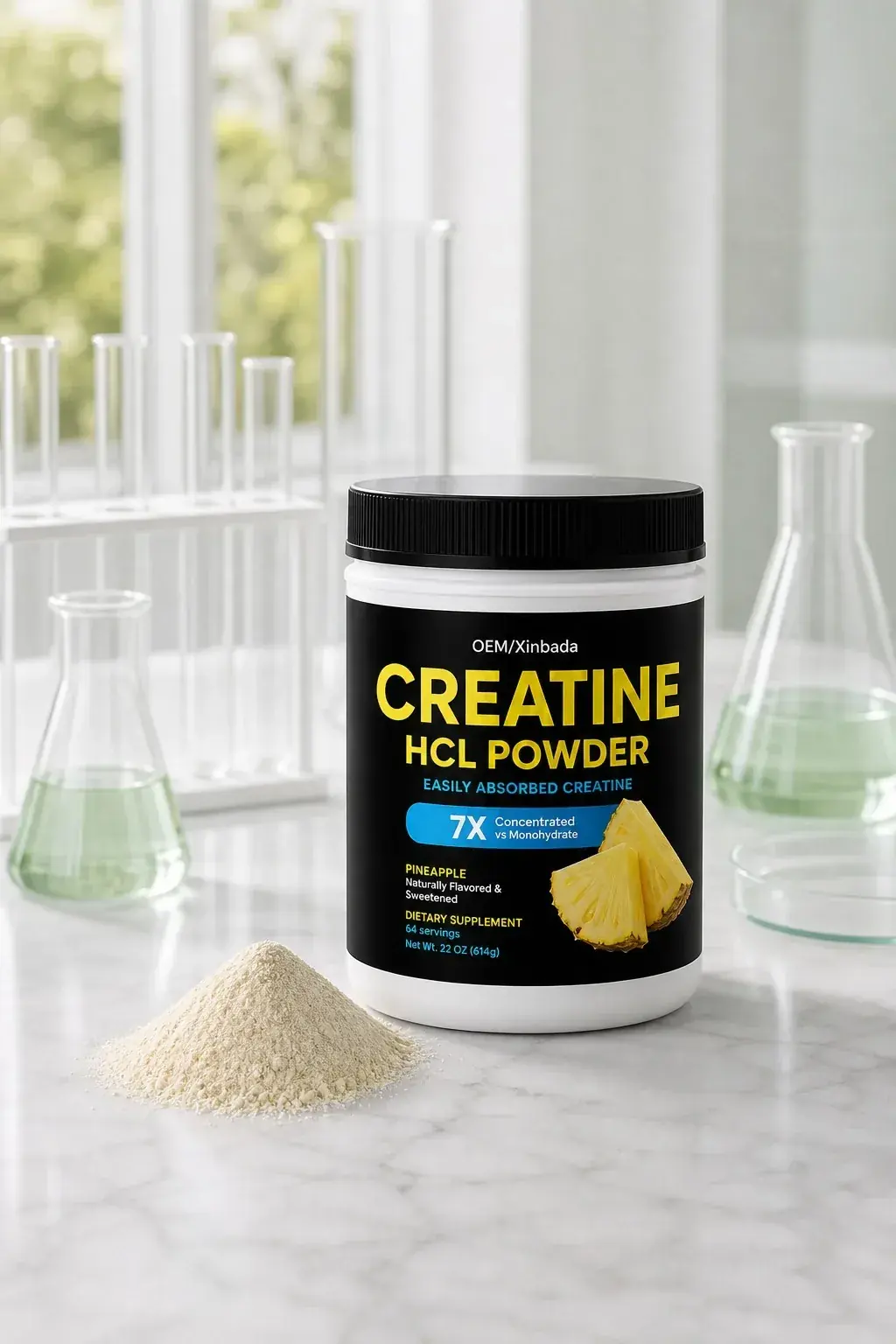
Private label supplements begin with deciding how much to change in the formula, dosage format and packaging before development starts.
A brand name on a bottle describes the commercial presentation, but it says little about the work behind that bottle. One project may use an established formulation with a new label. Another may alter flavour, serving size, ingredients and container together. These are different development jobs, even when both end with a product sold under the buyer's brand. Choosing the depth of customization early makes the sample request more useful and prevents a packaging discussion from quietly becoming a formulation project.
Define What The Brand Needs To Own
Separate A Product Promise From A Formula Instruction
Start with the reason the product belongs in the range. A convenient daily format, a particular flavour experience or a pack suitable for a defined sales channel is a design objective. It is not yet an ingredient list. Translate that objective into observable requirements before asking a manufacturer to interpret it. For example, “easy to carry” could mean a smaller bottle, individual servings or a different serving frequency; each choice changes a different part of the project.
A custom formula is most useful when the intended distinction cannot be achieved by selecting an existing format and presentation. More customization does not automatically make a product more valuable. It adds decisions that must remain consistent through samples, artwork and production. Record which requirements are essential and which are preferences, so an attractive sample does not distract the team from the original product purpose.
Decide Which Elements May Stay Established
When reviewing an OEM and ODM service, ask what the available starting point actually includes. It might cover a formula concept, a dosage format, a packaging option or a combination of these. Do not assume that an existing catalogue image proves an unchanged commercial specification is available for every destination. Confirm the proposed configuration in writing, including what remains open for development.
For private label supplements, ownership also concerns decisions and records. Identify who approves the formula, who controls the artwork file and who receives the final specification. These responsibilities matter whether the project uses an established recipe or develops a new one. A clear division of approval work is more useful than an undefined promise of “full customization.”
Choose The Depth Of Customization Deliberately
Think of customization as several adjustable layers. A change at one layer can affect the others, but it should not automatically reopen every decision. The table below is a planning framework, not a statement that any particular option is immediately available or suitable for a specific market.
| Project Route | Main Decisions | Evidence To Resolve Before Approval |
|---|---|---|
| Established product with brand presentation | Confirmed formulation, label layout and selected pack | Exact specification, approved artwork and intended sales route |
| Adapted product | Defined changes to flavour, format, serving or presentation | Change list, revised sample and effects on the remaining specification |
| New formulation project | Ingredient approach, product experience and pack compatibility | Development brief, agreed acceptance criteria and supporting records |
| Packaging-led extension | Container, closure, count or serving presentation | Fit, handling, labelling space and production configuration |
Keep Formula And Format Decisions Connected
A powder, capsule, gummy and softgel create different user experiences. They also create different questions about serving presentation, handling and packaging. Comparing the powder product category with bottled dosage formats can help a team recognise those differences. It does not establish that an ingredient concept can move between formats without development work.
If a custom formula is requested, explain the intended format at the same time. A formulation discussion without that context can produce an answer that looks right on paper but does not match the proposed product experience. Keep the requirement practical: describe how the product will be prepared or used, what the user should notice, and which features are still subject to sample evaluation.
Treat Packaging As Part Of Development
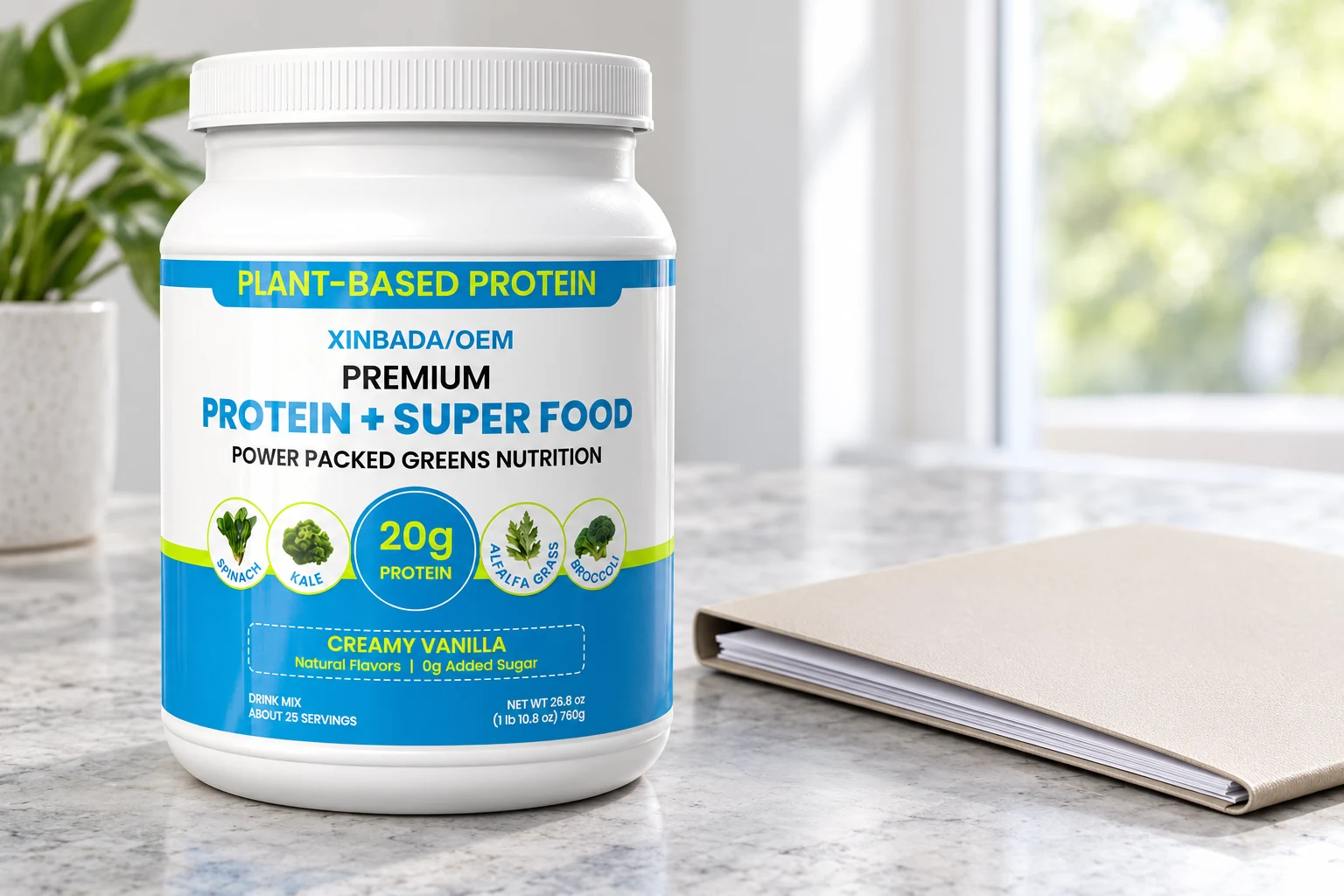
Container appearance is only one part of packaging approval. Check whether the proposed pack has sufficient space for the actual information, whether the closure and seal are defined, and whether the pack count matches the intended serving presentation. A larger label area does not resolve an unclear product identity. A smaller bottle may change artwork layout and handling even when the contents remain unchanged.
Keep a distinction between a visual mock-up and an approved production configuration. The mock-up helps people discuss appearance. The configuration identifies the actual components and files to be used. When a mock-up changes, record whether it is an artwork revision only or a request to change a physical component. This prevents a design preference from becoming an untracked production instruction.
Write A Sample Brief That Can Be Answered
A useful sample brief contains a small number of concrete questions. Instead of asking for “the best supplement,” describe the selected format, intended presentation, desired product experience and known exclusions. Add the decisions the team expects the sample to resolve. The manufacturer can then explain what the sample represents and which points require a different type of evidence.
Give Each Sample A Defined Purpose
An early development sample may be intended to compare flavour or handling. A later sample may represent an agreed formulation and pack. These should not be treated as interchangeable. Give each sample a reference, date and stated purpose, and keep the supplier's description with it. When reviewers compare different versions, they should know which deliberate change they are evaluating.
Record Acceptance Criteria Before Reviewing Results
Acceptance criteria need not begin as complex laboratory limits. They can first identify the attributes to assess and the evidence needed for each: sensory experience, appearance, handling, artwork accuracy or documentation. Technical limits should be agreed with appropriate specialists for the actual product. Avoid copying an unrelated product's specification because its packaging looks similar.
The site's facility information provides context for a manufacturing discussion, while the project records must establish what was assessed for the specific sample. A photograph of laboratory activity is not a test report. Ask for the appropriate supporting documents separately and connect them to the sample or batch reference that they describe.

Approve The Product And Its Presentation Together
Connect The Approval Records
Private label supplements can become inconsistent when formulation decisions and artwork decisions travel through separate conversations. A change to serving presentation may require an artwork update. A new pack count may affect the layout. A revised ingredient description may require specialist review. The approval package should therefore connect the current product specification, physical pack and artwork version instead of treating each as a standalone attachment.
For a product intended for Australia, first establish its applicable classification and sales route. Rules for a therapeutic product should not be assumed to apply identically to a food, and the reverse is also true. Current TGA guidance for registered complementary medicines makes labelling and advertising a distinct compliance topic. Obtain a review appropriate to the actual classification before finalising claims and presentation; a label shown in a catalogue is not destination-specific clearance.
One practical approval record can identify the formula reference, sample reference, packaging components, artwork filename and the people responsible for release. Keep open questions visible. If a detail is still awaiting a decision, mark it as open rather than allowing an attractive mock-up to imply approval. The purpose of packaging approval is to eliminate ambiguity about what the team has accepted.

Plan The First Order Around Remaining Uncertainty
The partnership information is a starting point for discussing responsibilities. Translate broad service descriptions into project-specific handoffs: who supplies the final artwork, who checks the components against it, and who authorises a revision. These details give both sides a clearer basis for managing the first production order.

Keep A Repeatable Record Of The Final Choice
For private label supplements, the best level of customization is the level that supports the intended product and can be maintained consistently. A distinctive pack cannot compensate for unresolved product requirements, while a custom formula is unnecessary if the intended difference lies in presentation alone. Reviewing the site's product and manufacturing articles can broaden the questions considered, but the final project record should remain specific to the chosen configuration.
Frequently Asked Questions
Does Private Labelling Always Require A New Formula?
No. A project may begin with an established formulation, an adaptation or a new development brief. Confirm what the manufacturer is actually proposing and which elements are open to change. A brand label alone does not identify the development route.
When Is A Custom Formula Worth Considering?
Consider it when the intended product distinction cannot be achieved with a suitable existing configuration. Define that distinction first, then assess development work, evidence requirements and the ability to maintain the resulting specification.
What Should Be Included In A Sample Brief?
Include the intended format, product experience, known exclusions and the decisions that the sample should resolve. Identify a feedback owner and give each sample a version reference so reviewers compare the same configuration.
Can Artwork Approval Replace Packaging Approval?
No. Artwork covers the printed information and layout. The physical packaging decision also includes components, closure, count and their relationship to the product. Link both approvals to the same current specification before release.
Is A Catalogue Label Ready For Every Market?
No. The destination, product classification and proposed claims determine the relevant review. Treat catalogue images as examples of presentation and obtain the appropriate assessment for the actual product and sales route.
A Clear Starting Point Keeps Development Focused
Choose the customization depth before asking a sample to answer every possible question. Define the product purpose, identify what can remain established and connect each proposed change to evidence and an approval owner. That sequence turns a broad private label idea into a development project whose decisions can be understood and repeated.