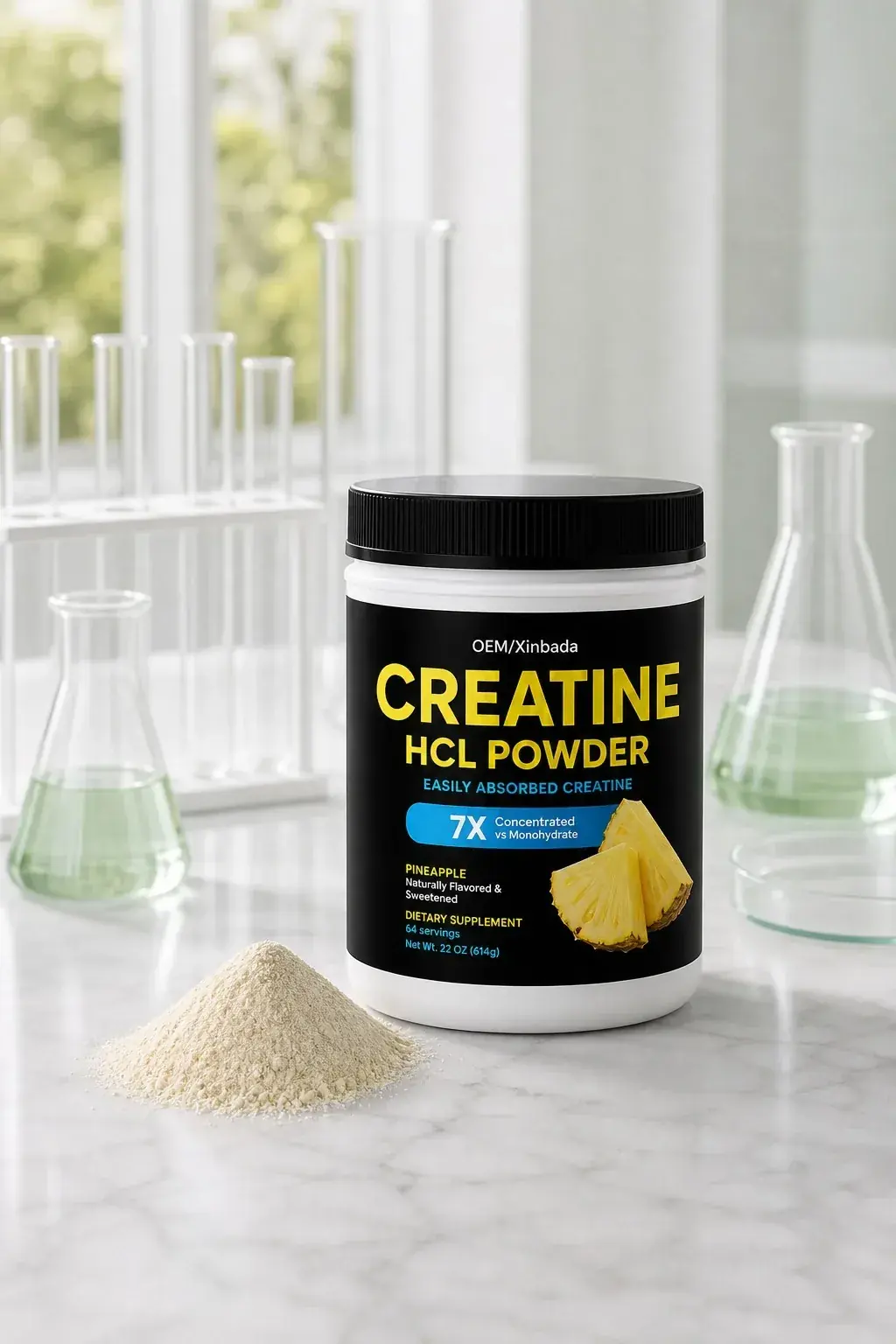
Private label dietary supplements need a fresh packaging review when pack size changes, even if the formula stays the same. Count, container, label and release records must still agree.
Define The Change Before Choosing A New Container
Separate unit count from serving instructions
A pack size change should distinguish the number of physical units from the amount taken at one time. Doubling a bottle count does not authorize doubling a serving. The formula, unit size and directions may remain unchanged while the stated number of servings changes. Reviewers should compare these fields explicitly rather than allow a designer to calculate one from an old front label. Any numerical example used during planning should be marked as an example until the approved specification confirms it.
The current supplement catalogue includes several product formats. Capsules, tablets and powders need different filling checks; a weight-based powder pack cannot simply inherit a tablet-count procedure. The catalogue helps identify the format under discussion, while the project specification establishes the actual composition, pack contents and permitted presentation.
Write a boundary around the unchanged formula
Record the formula version, finished unit description, proposed quantity per pack and intended packaging components. Then identify decisions that remain open, such as a different bottle material or a revised closure. If a new flavor, unit shape or ingredient is also proposed, separate that work from the packaging change. Otherwise a simple commercial request can conceal several technical changes, making it difficult to decide which existing evidence remains applicable.
For private label dietary supplements, a controlled change description also prevents accidental promises. A larger presentation does not by itself establish a longer shelf life, a stronger effect or improved ingredient protection. Those statements need their own basis. The aim is to define a reviewable finished pack, not to turn its larger size into a new performance claim.
Check The Container As A Complete Assembly
Look beyond the nominal bottle volume
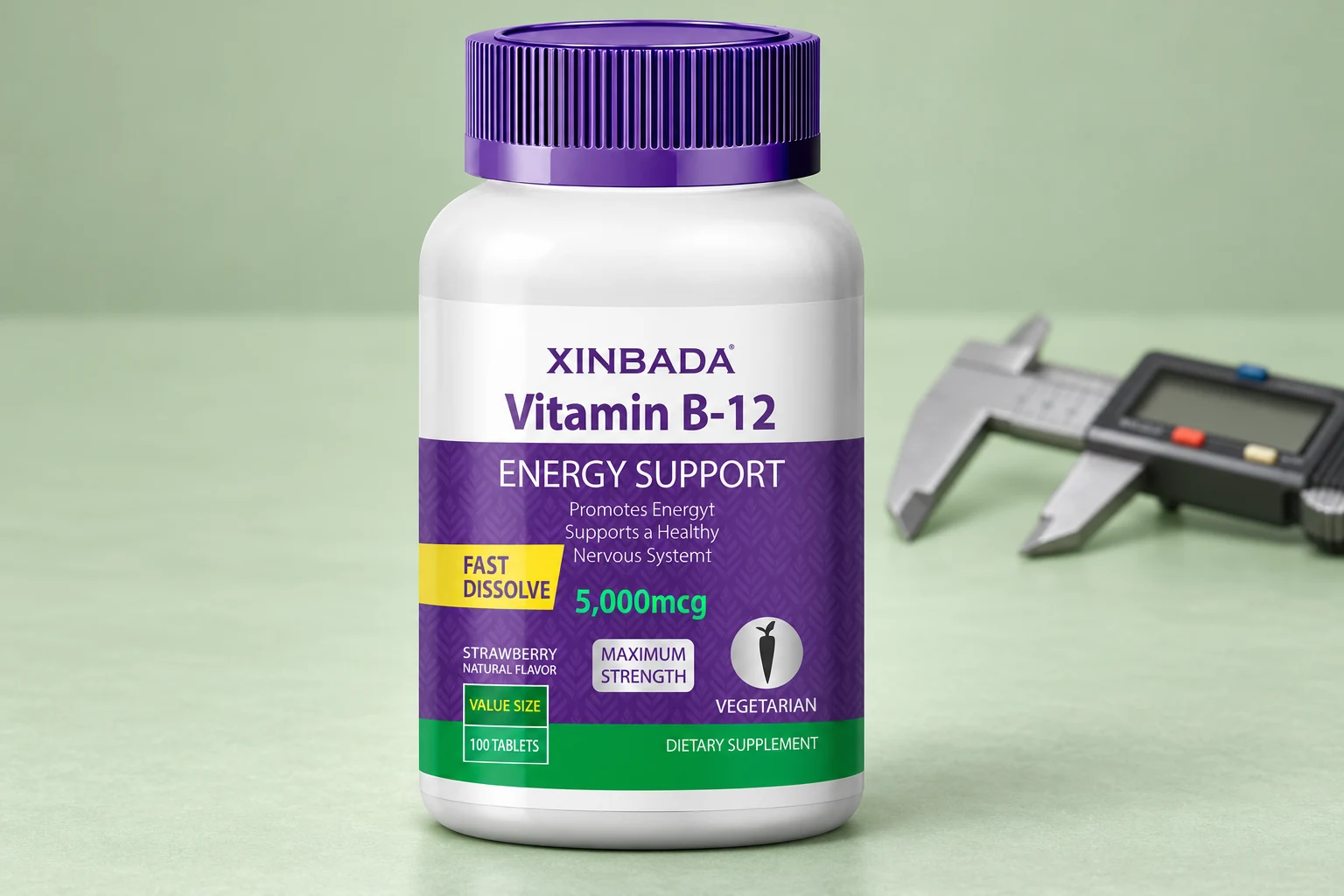
Container compatibility includes the body, neck, cap, liner and any insert or seal. Nominal volume alone does not establish whether the product fits, dispenses cleanly or remains protected through its intended life. Tablets can settle differently from softgels, while powder occupies a volume that depends on its physical characteristics. A sample fill should therefore use the intended product or a justified representative material, with the substitution documented.
Confirm the interfaces that operators must set
The cap may look familiar while requiring a different setup because of a changed neck finish, liner or supplier component. Compare the approved component specifications, not only their names. Establish who checks closure application, seal appearance and opening behavior, and how an abnormal result is handled. These are project-specific checks; there is no universal setting that can be inferred from a photograph or a previous order.
The site's OEM and ODM service information describes packaging and label customization as part of project development. That establishes a relevant discussion route, but it does not prove that every container combination is already qualified. The review should identify the exact proposed combination and the evidence required to accept it.
Reconcile The Label With The New Finished Pack
Map each changed field to its owner
Label reconciliation is more reliable when every affected field has a named reviewer. Count, net contents, serving information, directions, storage wording and product identifiers may involve different records. The front panel, side panel, outer carton and digital product listing should all refer to the same approved pack version. A correct front panel cannot compensate for an old quantity left in a secondary panel or shipping description.
| Changed item | Evidence to compare | Question before release |
|---|---|---|
| Units per bottle | Finished pack specification and artwork | Does the stated quantity match the verified fill? |
| Container and closure | Component versions and assembly checks | Is the complete combination accepted? |
| Serving information | Approved formula and directions | Has count been kept distinct from serving size? |
| Outer packing | Carton quantity and shipping description | Can receiving identify the new presentation? |
| Online product information | Released label and current catalogue entry | Have obsolete pack details been withdrawn? |
Review market requirements against the classification
The applicable label review depends on the product's classification and destination. Australian therapeutic-goods guidance, for example, addresses labeling and packaging within its own regulatory scope; it should not be treated as proof that every item marketed as a supplement belongs to that category. Confirm the applicable pathway and responsible reviewer before carrying existing wording into a new presentation. This article does not determine classification or replace a product-specific regulatory review.
Decide Which Evidence Can Be Carried Forward
A familiar formula does not make all earlier packaging evidence transferable. The assessment should consider what the original evidence actually covered: the product, container material, closure system, fill amount, storage conditions and duration. Some observations may remain relevant, while others need additional work. The reasoning should be documented rather than reduced to a blanket statement that the old and new bottles are equivalent.
Match the test question to the changed feature
If only the count changes within an already accepted container system, the review may focus on how the new fill affects handling and the existing evidence. If the body material, closure or seal also changes, the question becomes broader. The required assessment should follow the specific change and intended use. A general certificate or unrelated laboratory photograph cannot answer that question, even when it looks reassuring in a presentation.
The company background page can provide context for a supplier discussion. For a release decision, ask for records tied to the actual product and component versions. Keep statements about facilities separate from evidence about the finished pack. This makes it easier to identify exactly what is known and what remains to be established.

Container compatibility is a continuing question whenever a component is substituted. A supplier's description of an item as equivalent should be assessed against the agreed specification. Record the substitution request before use, including its reason and affected evidence, so that the eventual release decision is based on the components actually supplied.
Translate The Approved Pack Into Line Instructions
Check filling and closing as separate operations
The filling instruction should state the required quantity and the method used to verify it. The closing instruction should identify the accepted components and checks. Keeping these operations distinct helps when investigating an exception: a correct count and a poor closure are different problems. Operators also need a clear response when a check fails, including how affected packs are identified and held for review.
A pack size change may alter the relationship between bulk quantity and the number of saleable units. Planning should account for samples, in-process checks, rejects and retained material through the established batch records. Do not treat a simple arithmetic estimate as the final reconciliation. The actual quantities should be checked against recorded use and disposition.

Line clearance should address the previous pack presentation as well as the previous formula. Leftover labels, cartons or printed inserts can cause a mix-up even when the contents are identical. The instruction should identify which materials must be removed or reconciled, what constitutes a correctly prepared line, and where the first accepted pack is recorded.
Useful preparation follows a short sequence:
- Confirm the released product and packaging specification versions.
- Check the issued labels, containers, closures and outer cartons against those versions.
- Verify the first filled and closed packs using the approved checks.
- Document checks during the run and isolate exceptions.
- Reconcile quantities and records before the finished batch is released.
Close The Change Across Stock And Product Information
Existing stock and the new presentation may coexist for a period. That is manageable when each can be identified, but confusing when a single product description hides both. Decide how order records, warehouse locations, carton markings and customer-facing information distinguish the presentations. A receiving team should not have to open several bottles to discover which pack version arrived.
The product range is a starting point for keeping public format descriptions consistent. Private project details still belong in the approved product record. When online content changes, compare the visible quantity, image, downloadable document and inquiry description with the released pack rather than updating only the headline.

For private label dietary supplements, completion means the new presentation can be traced through the whole handoff. The formula, artwork, component list, production instructions and finished-stock description should point to one accepted version. Questions about project-specific packaging options can be organized through the published contact channel, with the current and proposed specifications available for comparison.
Label reconciliation is the final cross-check, not a substitute for the earlier technical work. A concise closure record should state what changed, what evidence was accepted and when the new presentation became effective. That record allows a later reviewer to understand the decision without reconstructing it from scattered emails or assuming that an unchanged formula means an unchanged finished pack.
Frequently Asked Questions
Does a bigger bottle always need a different formula?
No. A larger presentation may contain more units of the same approved formula. The formula, serving directions and unit count should be reviewed separately so a packaging change does not accidentally alter the intended use.
Can the previous artwork simply be resized?
Only after its content and actual-size readability have been checked. Quantities, panel layout, identifiers and outer-pack information may need revision even when the main product name remains unchanged.
Does an attractive sample prove container compatibility?
No. Appearance shows only a limited part of the finished presentation. The complete container and closure system needs an assessment tied to the product and its intended conditions.
Can old and new packs remain in stock together?
They can be managed as distinct presentations when ordering, warehouse and shipping records identify them clearly. The transition plan should prevent one version being supplied under the description of another.
What is the clearest completion check?
Compare one accepted finished pack with its specification, artwork, component record and release documentation. Agreement across those records is more useful than a general statement that the packaging change is complete.