Food supplements contract manufacturing stays consistent when repeat orders use an approved specification, controlled changes and a clear batch release decision.
The first acceptable sample is a useful milestone, but it cannot carry every later production decision. Ingredients change lots, packaging stocks run down, forecasts move and artwork gets revised. A repeat order can look commercially identical while the instructions underneath it have changed. The practical task is to preserve what was approved and make every intentional difference visible before production starts.
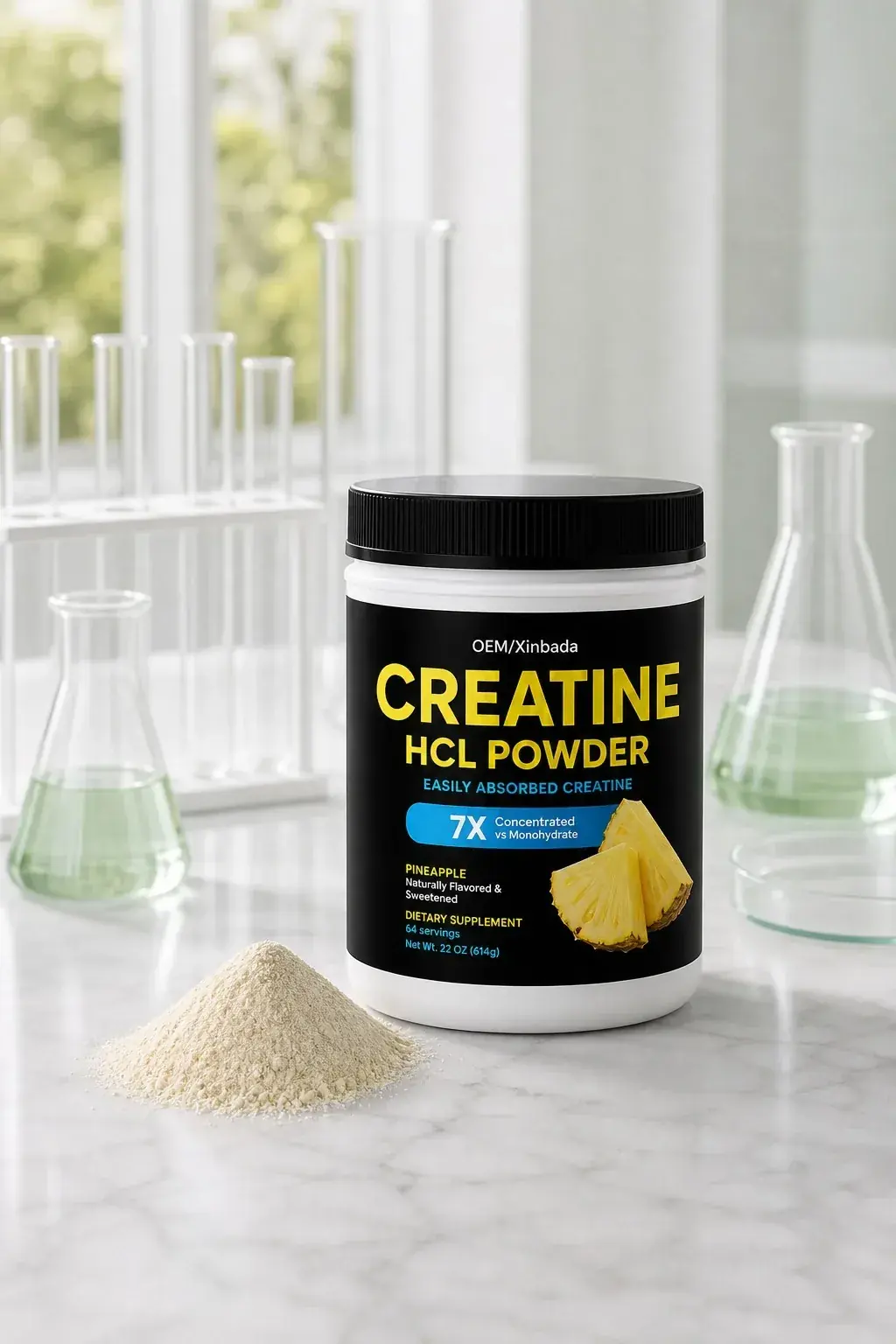
This guide follows the relationship between formulation, packaging, manufacturing records and brand approval. NutriCDMO's supplement product catalogue provides examples of different delivery formats. Those examples help define a brief; they do not establish that a displayed formula, claim or package is suitable for every destination market.
Food Supplements Contract Manufacturing Needs An Approved Baseline
A Product Specification Must Describe The Saleable Unit
A useful product specification joins the formula to the finished item that will actually be sold. It should identify the agreed ingredient forms, intended serving basis, physical format, fill or count, container, closure, label version and relevant acceptance criteria. A purchasing description such as “same collagen as last time” leaves too much room for different interpretations. The record needs a version identifier and an owner who can explain why that version is current.
Separate fixed requirements from preferences. A required ingredient restriction should not sit beside a preferred cap colour as though both have equal consequences. Record which details the manufacturer can propose, which require brand approval and which depend on a market-specific review. The OEM and ODM service overview is a starting point for discussing that division of work, rather than a substitute for the written project agreement.
Samples Need A Defined Approval Scope
A sample may be approved for taste, appearance or handling while other matters remain open. Record those limits explicitly. Approval of a bottle colour does not approve its closure performance, and approval of a tablet's appearance does not establish every release attribute. Keep the sample identifier, evaluation date, observations and unresolved questions together. Otherwise, a later email saying “approved” may be used for a much broader decision than the reviewer intended.
Format Decisions Change The Questions Behind A Repeat Order
Liquid And Solid Formats Need Different Evidence
A liquid project has container, closure, fill and product-contact questions that differ from those of tablets or capsules. A solid format has its own physical and packing considerations. The relevant evidence depends on the actual formulation and process; there is no single test list that proves all supplement formats suitable. Ask the technical team to explain how each proposed check relates to a known characteristic of the product.
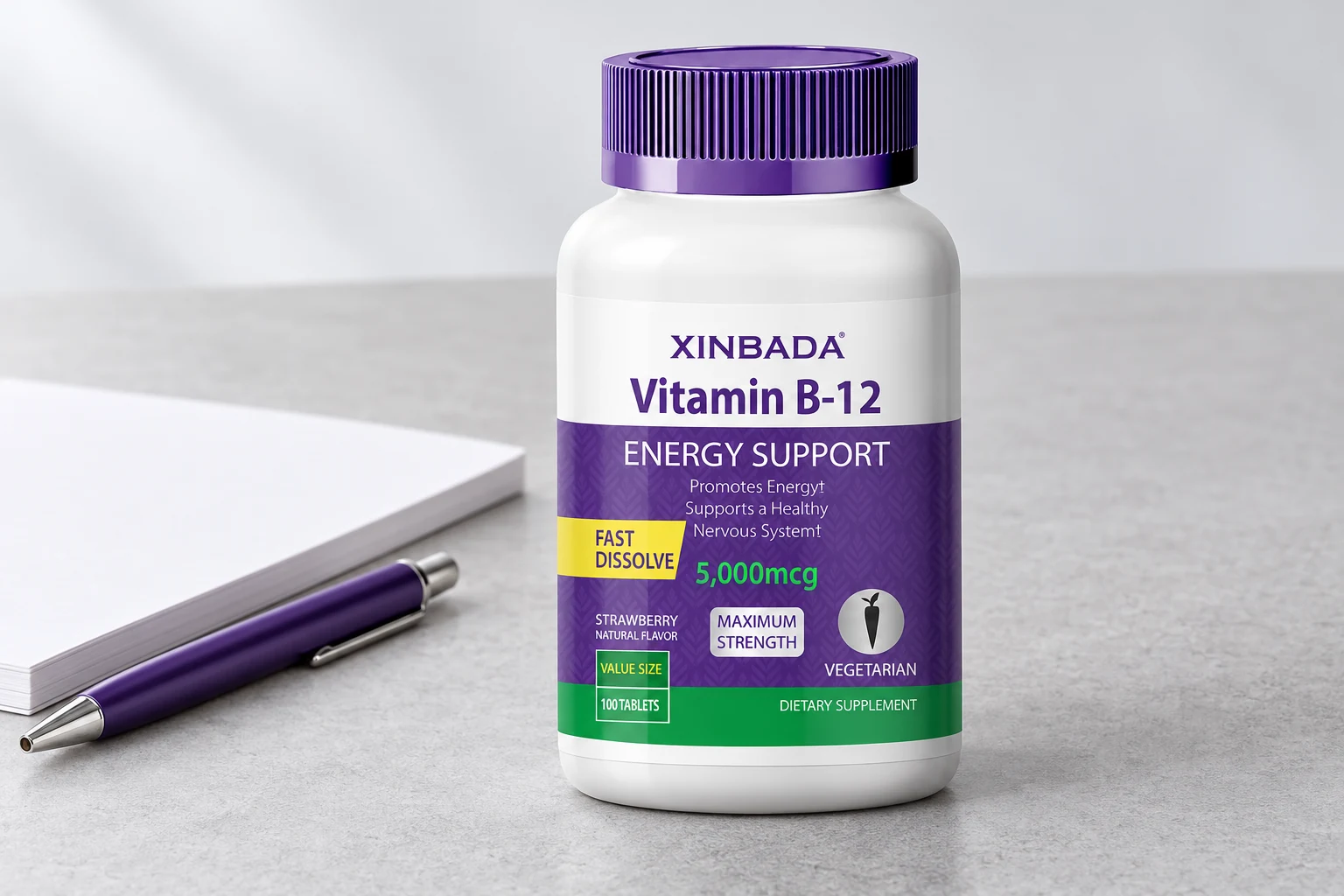
The catalogue's liquid collagen packaging example and vitamin tablet product page illustrate why format must be specified early. Treat printed label statements as part of the displayed artwork, not independent proof of health effects. The finished composition, wording and supply scope need separate confirmation.
Pack Changes Can Affect More Than Appearance
A new bottle, pouch film, liner or closure may alter filling, sealing, handling or protection. Even when the artwork is unchanged, the physical package may require renewed evaluation. A packaging change request should identify the old and new components, the reason for the change, the proposed checks and the batches affected. It should also state what happens to remaining old stock.
Change Control Keeps Routine Substitutions Visible
Change control is the mechanism that turns an unexpected supply issue into a documented decision. It should begin before an alternative ingredient or package enters production. The comparison needs more than a supplier name: identify which agreed attributes might change, what evidence is available, who must review it and whether existing approvals still apply. A commercial acceptance of extra cost should not be mistaken for technical acceptance.
| Proposed change | Question to resolve | Record to retain |
|---|---|---|
| New ingredient source | Does the proposed material meet the agreed identity and quality requirements? | Reviewed material comparison and approval scope |
| Different closure or liner | Does it remain suitable for the product and filling process? | Component revision and relevant evaluation |
| Updated label wording | Is the text accurate for the formula and intended market? | Approved artwork version and reviewer |
| Manufacturing site or process adjustment | Which previous assumptions need to be reassessed? | Change assessment, responsibilities and affected lots |
Food supplements contract manufacturing also depends on controlling information after approval. Withdraw obsolete files from the production handoff, keep a traceable revision history and make the current version easy to identify. When several agencies handle design, purchasing and market review, nominate a single coordinator to reconcile contradictory instructions before they reach the factory.

Material Readiness And Release Readiness Are Different
Schedule From The Last Required Input
A production estimate is meaningful only when its starting conditions are defined. Formula approval, packaging supply, artwork, material availability and required reviews may finish on different dates. Ask which input controls the next step. A quoted manufacturing interval should not be presented internally as a guaranteed arrival date if it excludes release, freight or destination handling.
Release Requires Evidence For The Actual Batch
Manufacturing completion means that processing is finished; release is the decision that the batch satisfies the agreed conditions for its next destination. The relevant reviewer needs records that correspond to that batch and current specification. A certificate from a previous lot, an attractive sample or a general facility brochure cannot replace that connection.
Agree what the brand receives, when it receives it and how exceptions are handled. Some records may remain with the manufacturer under the quality agreement, while defined summaries accompany the shipment. The important point is to know the evidence path in advance. The facility overview can inform questions about operations, but project-specific capability and release responsibilities still need confirmation.

Market Review And Repeat Orders Must Stay Connected
Product classification should be considered before copying a successful item into another market. In Australia, the TGA's guidance on the food–medicine interface explains why ingredients, presentation and claims matter to the applicable pathway. Its manufacturing guidance for registered complementary medicines addresses a particular category; that category should not be assumed to cover every item called a food supplement. Obtain a product-specific classification and requirements review from the responsible qualified party.
That boundary matters commercially. A formula that can be made is not automatically a formula that can be sold with the proposed wording. Assign responsibility for ingredient review, label content and supporting evidence, then make unresolved items visible in the launch plan. Do not print a large quantity of packaging merely because the production sample is acceptable.
Repeat orders need this connection too. A new claim, revised serving direction or changed intended market can trigger a fresh review even if the manufacturing process stays the same. Put these changes through the same approval record as the technical updates. Food supplements contract manufacturing works more predictably when commercial changes cannot bypass the people responsible for the finished product.
The project partnership overview helps frame the coordination discussion. Translate broad service descriptions into named deliverables: who supplies the draft, who reviews it, who resolves a disagreement and who signs the final instruction. A responsibility table is most useful when it explains the handoff between people, not simply their job titles.
Build The Next Order From The Previous Batch Record
The review before reordering should be short enough to use and specific enough to catch a real change. Compare complaints, handling observations, component revisions, specification changes and remaining packaging stock. Keep commercial performance separate from product conformity: low sales do not prove a manufacturing defect, and strong sales do not remove the need to investigate a quality concern.
- Confirm the current approved formula, pack and artwork revisions.
- Identify open deviations, complaints or pending change requests that could affect the next lot.
- Check component availability against the planned order and agreed ownership of residual stock.
- Confirm which records and approvals are needed before release.
- Record the order decision and communicate the same version set to every responsible party.

Frequently Asked Questions
Does Reordering The Same Item Remove The Need For Approval?
No. A repeat purchase can use the existing approved baseline when it remains applicable, but someone still needs to confirm that the order matches it. Changes in materials, packaging, artwork or market requirements should be identified before production, not discovered after the finished stock arrives.
Should Every Batch Be Identical In Every Visible Detail?
The agreed acceptance criteria determine what variation is permitted. Appearance alone cannot settle conformity. Define meaningful attributes and suitable evaluation methods with the technical team, and distinguish acceptable variation from a change that requires investigation or approval.
Can A Catalogue Formula Be Used Without Further Review?
A catalogue entry can help explain the desired format or starting concept. It does not establish suitability for a particular brand, intended claim or destination. Confirm the actual composition, manufacturing scope, packaging and applicable requirements before adopting it as a commercial specification.
What Happens If A Needed Component Is Unavailable?
The supplier should raise the issue against the approved baseline and propose a documented response. Options may include waiting, evaluating a substitute or revising the order. The decision should identify its technical and commercial consequences and the authority required to approve it.
Which Record Is Most Useful For The Next Repeat Order?
A current approved specification linked to the relevant change history is the core reference. It should be supported by the agreed batch and release records. The practical test is whether a new team member can tell what must be made, which version applies and which unresolved issues could affect the order.
For a repeat-order review, send the current formula and packaging revisions, the previous batch reference and any proposed changes through the NutriCDMO project enquiry page. Ask which items need renewed technical review before the next production commitment.