A protein powder maker should be assessed by how it contains, investigates, and resolves a batch that misses an agreed specification. A polished sample says little about what happens when a routine result falls outside its limit. The scenarios below are hypothetical evaluation exercises, not findings of defects at any named company.
Ask For A Deviation Example Before Discussing Reassurance
A useful supplier qualification assessment starts with one anonymized case and follows its decisions. A promise that every batch passes cannot show how an organization behaves when the process is under pressure. The aim is to understand the management system, not to collect another polished certificate.
Separate A Specification Failure From A Preference Change
An out-of-specification result means an agreed requirement was not met using the stated assessment method. A new preference for a sweeter flavor after approval is a different issue. Before judging the response, identify the product version, parameter, method, unit, sampling point, limit, and original approval date. Without these details, a discussion can drift between safety, composition, sensory preference, and commercial disappointment as if they were the same problem.
Follow Decisions Rather Than The Presentation Order
Ask the team to show when the issue was detected, who received it, which stock was blocked, and who could authorize the next step. A case that begins with a replacement shipment and skips the investigation leaves major questions unanswered. Commercial support matters, but it cannot substitute for a reasoned disposition of the affected material.
The company profile provides organizational context. Any stated capability still needs to be connected to the responsible legal entity, production location, and product scope. Apply that test equally to the host and to every other organization under consideration.
Keep Product Identity Fixed While Investigating Variability
The investigation must concern the exact product ordered. A broad catalogue can reveal relevant formats, yet neighboring formulas do not automatically share ingredients, process behavior, specifications, or packaging. Identity provides the boundary within which evidence has meaning.
Use The Catalogue To Establish Scope
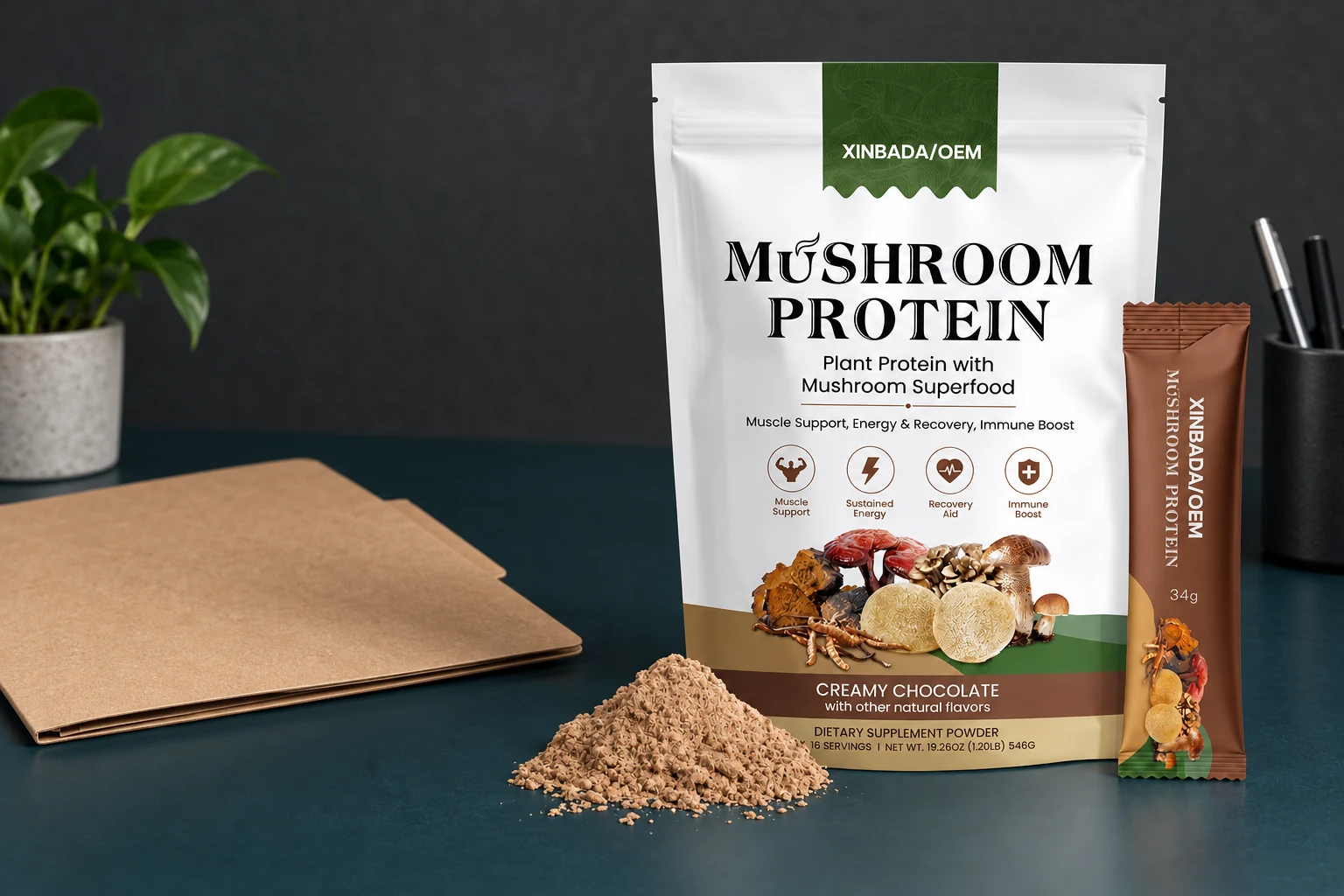
The inspected protein powder catalogue includes plant-based and bone-broth powder products. The selected plant-based mushroom protein product is a visible portfolio example. Its image is not evidence that a particular batch passed laboratory checks, and a plant-based formulation cannot establish whey-processing capability.
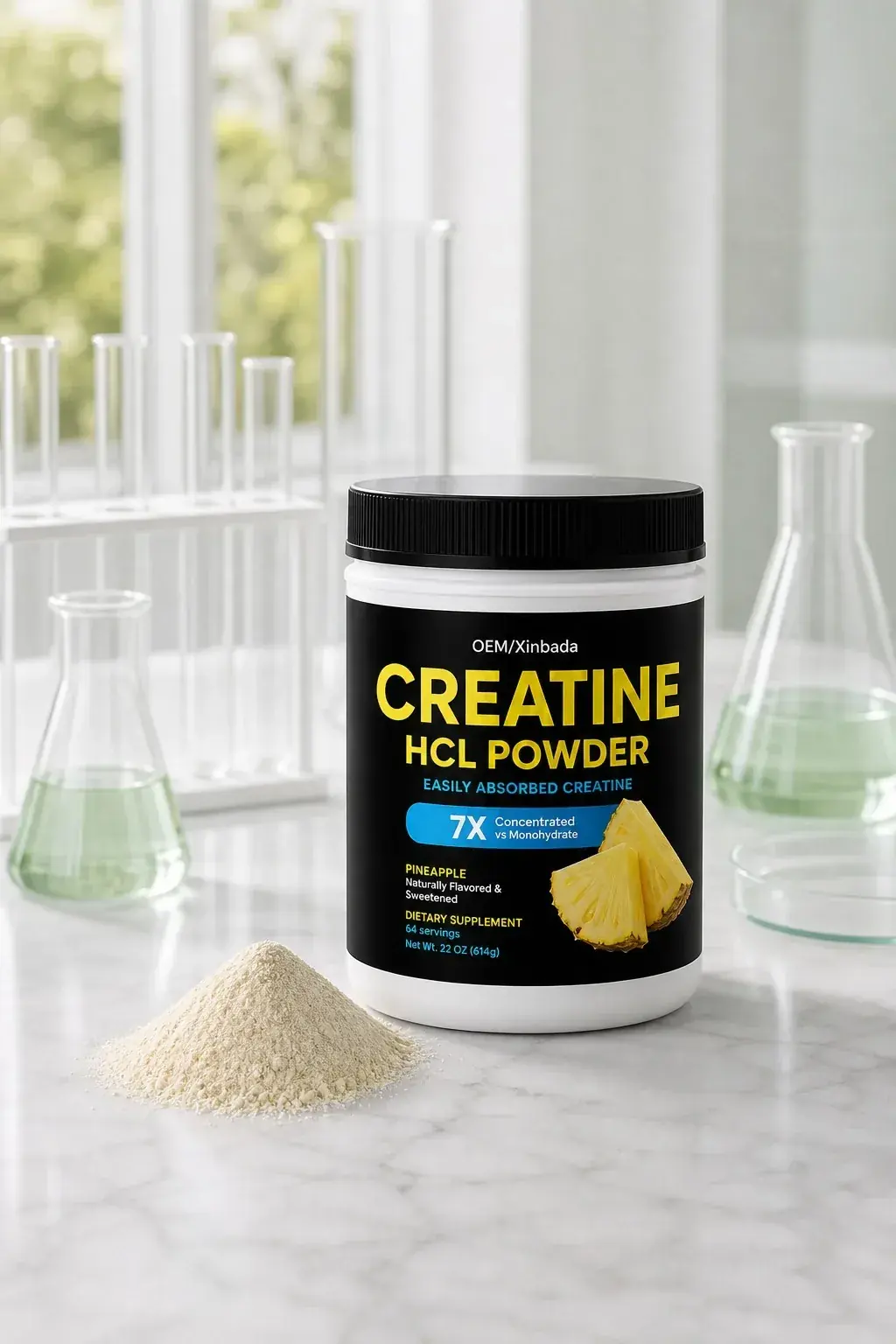
The product page contains conflicting package and template details. Exact dose, pack weight, flavor, and formulation should therefore be reconciled in controlled documents before being used as acceptance criteria. A website discrepancy is a reason to request clarification; it is not, by itself, proof of a manufacturing failure. This distinction prevents an online presentation problem from becoming an unsupported allegation.
Require An Approved Version For Each Comparison
Compare the order, formula revision, packaging specification, retained reference, and reported batch under the same version. If a sweetener or raw-material source changed with approval, the investigation should use the applicable revision and its effective date. If the change was not approved, that is a separate control issue even when the new sample appears acceptable.
Contain The Lot Without Losing The Evidence
Containment should stop uncertain material from moving while preserving the information needed to resolve it. The practical assessment is whether physical stock, electronic status, retained samples, and shipment records agree. A blocked label on one pallet is insufficient if another part of the same lot remains available for dispatch.
Check The Boundary Of A Hold
Ask how the team determines whether a concern affects a finished lot, related intermediate material, other lots using the same component, or stock already distributed. The answer should follow evidence and traceability, not an automatic assumption that every product is affected. Equally, a narrow hold needs a defensible reason when a shared material or process could connect several batches.
The facility information can guide segregation questions, but photographs cannot prove that stock controls work.
- Identify the affected material and the basis for its scope.
- Preserve original results, sample identifiers, and version information.
- Record the hold decision and communicate it to relevant functions.
- Reconcile inventory and shipment status before any disposition.
Protect Samples And Original Observations
The supplier should explain how samples remain identifiable and suitable for the intended investigation. Storage conditions, seals, handling history, and the link to a batch matter because a later result is only interpretable if the sample remains representative. An unlabelled retained jar cannot answer a precise question about a specific lot.
A statement such as “the second test was fine” leaves the first result unresolved. Request the original observation, the reason for any further sampling or testing, and the written conclusion connecting the evidence. Repeated testing should not become a search for a favorable result while inconvenient data disappear.

Evaluate The Investigation Logic And Release Authority
A protein powder maker demonstrates control when it can explain both the investigation and the authority behind the final decision. Commercial urgency, a large order, or an approaching launch should not become the technical reason for release. The explanation should remain understandable to someone who was not present when the issue occurred.
| Decision | Useful Evidence | Unresolved Concern |
|---|---|---|
| Was the result valid? | Method, sample history, original data, and documented review | A replacement result with no explanation of the first finding |
| What material is affected? | Lot trace, shared components, stock locations, and shipment status | A hold covering only the sample container |
| What caused the event? | A reasoned cause assessment linked to observations | A generic statement of operator error without supporting evidence |
| What is the disposition? | Authorized decision with conditions and retained records | Sales approval treated as a quality conclusion |
| Was recurrence addressed? | Action owner, completion evidence, and effectiveness check | Training recorded without checking the underlying process |
Distinguish Correction From Prevention
Replacing the affected shipment addresses an immediate commercial consequence. It does not explain why the issue arose or whether the next shipment faces the same risk. An effective supplier qualification review asks which conditions changed, who owns the action, and what later evidence would show that it worked. A new checklist may be useful, but its existence is not the same as demonstrated effectiveness.
Locate The Person Who Can Say No
Ask who may release, reject, or approve a permitted reprocessing route, and what prevents a commercial team from bypassing that decision. The answer should identify a role and an actual record flow. It should also explain how disagreement is escalated and preserved. An organizational chart without an example of its use provides only partial evidence.
FDA food and dietary-supplement materials distinguish product categories and emphasize appropriate production controls and records. The applicable requirements depend on the product's classification and activities. A generic certificate, registration claim, or online logo cannot settle that scope or establish approval of a particular formula.

Test Communication Under A Realistic Commercial Constraint
Communication quality becomes visible when technical uncertainty conflicts with delivery expectations. Ask for a hypothetical response to an approaching dispatch date with an unresolved result. The useful answer identifies what is known, what remains open, the current stock status, and the next evidence-based decision point.
The OEM and ODM service description can help establish which development and packaging activities are offered. Change control and responsibility for deviations should then be made explicit for the actual project: who owns the formula, approves specifications, commissions tests, authorizes artwork, and communicates a change. These responsibilities should not be inferred from the phrase “full service.”
- Present a hypothetical missed criterion without naming an actual defective lot.
- Ask for the immediate containment and communication steps.
- Request the evidence needed before the next decision.
- Compare the proposed answer with the anonymized historical case.
- Record gaps and the conditions for closing them before approval.
Connect Stock Disposition To The Next Order
The batch release decision should leave both the affected stock and future supply in a clear state. If material is rejected, returned, destroyed, or otherwise handled under an authorized route, the records should reconcile quantities and prevent accidental re-entry into saleable inventory. Contractual ownership and quality disposition are related but separate questions.
For a protein powder maker, the next order is also an opportunity to check whether the promised improvement took effect. Define the relevant follow-up before accepting a general assurance. That might be a reviewed control record or an agreed trial under the approved specification. The choice should address the actual finding rather than impose unrelated paperwork.

Use the full product range to understand business scope, then keep approval narrow enough to match the evidence. Success with one powder format does not automatically qualify every ingredient family or packaging line. Likewise, a well-explained isolated deviation should be assessed by its significance and response rather than treated as a universal judgment about the company.
Frequently Asked Questions
Does One Failed Result Mean A Manufacturer Should Be Rejected?
Not automatically. Consider the significance of the result, validity of the evidence, containment, disposition, and recurrence controls. A transparent and competent response can reveal more about control than a claim that problems never occur.
Can A Passing Retest Replace The Original Result?
A later result needs to be interpreted within a documented investigation. It does not erase the original observation. The assessment should explain sampling, method suitability, any identified error, and the basis for the final decision.
Is A Catalogue Photograph Enough To Confirm Product Specifications?
No. Images help establish visible identity and packaging context. Approved specifications, version-controlled artwork, and product-specific evidence are needed to resolve exact composition, pack details, and acceptance limits.
What If Confidentiality Prevents Access To Batch Records?
Request an anonymized case, a redacted example, or a controlled demonstration. Confidentiality can justify removing customer identifiers; it should not prevent an explanation of roles, decisions, traceability, and evidence retention.
How Should The Review End?
End with a bounded approval decision: the product and activities covered, outstanding evidence, responsible owners, and the conditions for moving forward. A supplier qualification exercise is useful when it produces a clear decision and preserves the reasons behind it.
The strongest conclusion is a traceable account of what happens when expectations and results diverge. A controlled response keeps product identity, evidence, stock status, and authority connected from the first concern through the next verified order.