Qualified protein powder producers should be able to explain one finished batch from ingredient receipt through release and distribution. A structured batch walkthrough tests whether specifications, records and decisions agree. It is more revealing than a collection of attractive product photographs or an isolated certificate. The useful question is whether the same controls would identify an error, hold affected stock and support a repeat order.
Choose A Batch That Represents The Proposed Work
A meaningful review starts with a comparable product and a defined manufacturing scope. An ingredient processor, a powder blender and a packing contractor may each perform valuable work, but they control different risks. During supplier qualification, the proposed supplier should identify its own operations, subcontracted steps and release responsibilities before presenting evidence. A finished product catalogue alone cannot resolve that boundary.
Match The Formula Family And Physical Format
A suitable reference batch resembles the intended protein source, flavor system, physical format and packaging process. A plant blend with botanical ingredients is a different manufacturing challenge from an unflavored dairy concentrate. The reviewer should ask why the chosen batch is representative and list the differences that still need evaluation. A successful example from another dosage form does not automatically demonstrate powder handling capability.
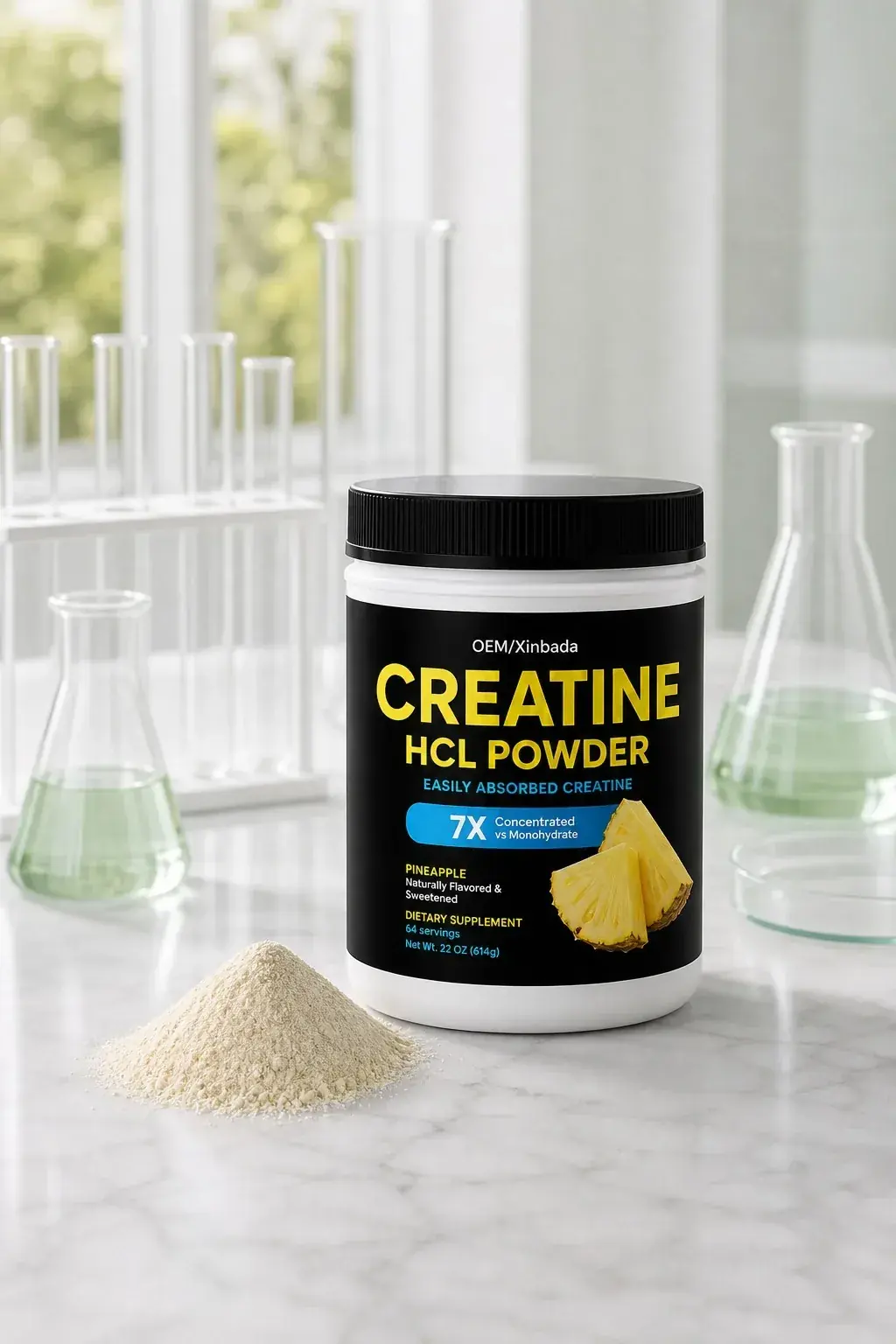
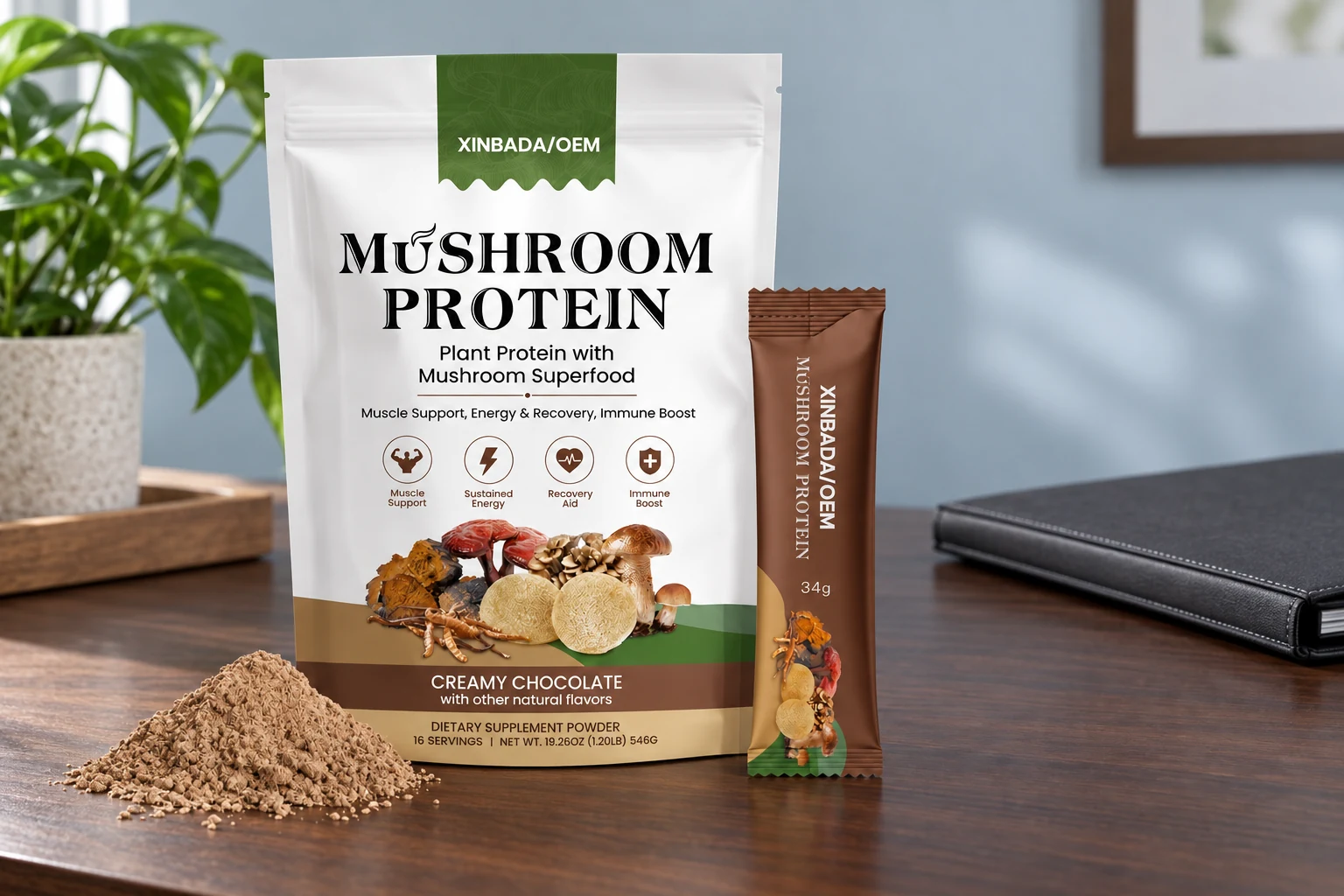
Xinbada's current product catalogue includes plant protein powders and other nutrition formats. Its mushroom protein page provides a relevant example of the powder family, but the page contains conflicting packaging and template details. A specification approved for the exact proposed SKU is therefore necessary before treating a displayed serving, package weight or ingredient quantity as an order requirement.
Separate A Portfolio Example From An Approved Specification
The plant-based mushroom protein listing supports discussion of a plant protein offering and private label packaging. It does not establish a whey offering, an independently verified health effect or conformity of a future batch. A sample pack is useful for identity and presentation review; its artwork must still be reconciled with the controlled formula and approved label version.
Follow Material Identity Into The Production Record
The first evidence link is from an incoming material lot to the formula that consumed it. A purchasing description such as plant protein or chocolate flavor is too broad to demonstrate identity. The reviewer needs to understand how the producer defines acceptable materials, approves their sources and prevents substitutions that would change composition or labeling.
Connect Receiving Decisions To The Approved Material
Ask to see how receipt records distinguish accepted, quarantined and rejected material. The explanation should connect the supplier lot, internal material code, relevant specification and disposition decision. Where a certificate of analysis supports acceptance, its product identity, lot number, methods and limits should agree with the receiving record. A generic certificate without a batch relationship provides little assurance about the material actually used.
Keep Formula Versions And Allergen Controls Connected
A batch record should identify the approved formulation version and the materials weighed against it. Changes to a flavor carrier, processing aid or protein source can affect allergen declarations and other product requirements even when the front label stays visually similar. Material approval and artwork review should therefore share a controlled change process. An assurance that the formula is unchanged needs a defined reference version.
FDA guidance distinguishes manufacturing controls for conventional foods from those for dietary supplements. Product classification and the actual operations determine the applicable review; a protein powder name by itself is not enough. The practical procurement task is to have the producer identify the relevant framework and supply supporting records. A logo, facility photograph or statement of registration should not be treated as product approval.
Inspect The Decisions Behind A Passing Test Report
A test report matters only when the sampling, method and acceptance decision support its intended use. Supplier qualification should establish who collected the sample, which lot it represents, how it was protected and who reviewed the result. The document can be concise, but its relationship to the finished batch should be unambiguous.
Ask What The Sample Can And Cannot Represent
A scoop taken from an accessible point does not necessarily demonstrate uniformity across a batch. The producer should explain the rationale for sampling locations or times, the characteristics being evaluated and any limits of the chosen approach. Homogeneity, microbiological quality, ingredient identity and sensory acceptability are distinct questions; they may require different methods and different samples. The review should not collapse them into a single pass stamp.

Review Exceptions Before Celebrating A Pass
Request a redacted example of an unexpected result, deviation or rejected material and the resulting decision. The purpose is to see how the quality system responds under pressure. A complete explanation separates the original observation, investigation, justified corrective action and final disposition. Repeated testing until a desired value appears is not a convincing account of why the original result occurred.
Strong protein powder producers can describe escalation without disclosing another customer's formula. They can explain which role can stop release, how commercial requests are separated from technical approval and how affected stock remains controlled. An example with a documented hold and a reasoned resolution is often more informative than a claim that production never experiences problems.
Test Whether The Facility Scope Matches The Evidence
The facility review should connect real activities to the proposed product, not merely count machines. The published facility information can help organize questions about equipment, personnel and process flow. Current capability, availability and suitability still require confirmation for the actual project. A laboratory vessel in a photograph is not evidence of commercial blending capacity.
Trace Segregation Through A Changeover
Ask how the producer separates materials, tools, packaging and work in progress during a change between products. The relevant risk depends on the formula and process. Cleaning instructions, line clearance and the status of held materials should be consistent with the batch record. Where allergens or strongly flavored ingredients are involved, the reviewer should request the basis for the controls rather than accept a general statement that the room is clean.

Verify The Scope Of Outside Work
Subcontracting is not itself a reason to reject a producer. Unclear responsibility is the larger issue. Identify which laboratory tests, ingredient treatments, packing operations or storage activities occur elsewhere and how those providers are qualified. The proposed producer should explain its access to records and how it resolves a problem that crosses organizational boundaries.
Xinbada's OEM and ODM service page describes formula, labeling and packaging options. Those services provide topics for discussion, not a universal promise that every request fits the same equipment, minimum order or timeline. The evaluation should resolve the actual work scope before a quotation is compared with an alternative that includes different responsibilities.
Use A Decision Table To Expose Evidence Gaps
The table below organizes a batch walkthrough into reviewable decisions. It is a procurement aid, not a regulatory inspection checklist or a scoring system that certifies a facility. Each entry should lead to an accepted record, a specific clarification or a documented hold. Important gaps should not be averaged away by attractive commercial terms.
| Review point | Evidence to connect | Reason to pause | Next decision |
|---|---|---|---|
| Product identity | Formula version, pack identity and proposed scope | Different formats or inconsistent specifications | Resolve the exact SKU before comparing offers |
| Incoming material | Supplier lot, receiving record and acceptance basis | No traceable relationship to material used | Request a coherent material example |
| Processing | Batch record, equipment suitability and changeover checks | Only generic equipment photographs | Confirm the process and responsible facility |
| Testing | Sampling rationale, method and applicable limits | Pass statement without identified sample or basis | Clarify what the result actually demonstrates |
| Release | Batch release review, deviations and stock disposition | Shipment before unresolved results are addressed | Define and verify release authority |
| Distribution | Finished lot, shipment records and retained sample | Lot cannot be traced to recipients | Demonstrate a bounded traceability exercise |
Carry The Review Through Distribution And Repeat Orders
Finished stock remains part of the quality story after production ends. Lot coding, release status, storage conditions and shipment records need to remain connected. A batch traceability exercise can test that connection: choose one finished lot and identify its material inputs, disposition and shipment destinations without relying on personal recollection.

For protein powder producers, a repeat order should trigger confirmation of the approved specification and any intervening change. New material sources, revised labels, alternative packaging or a different production location may require review even if the commercial SKU is unchanged. The company and service overview provides background for assigning contacts, while the working agreement should identify who communicates changes and who accepts them.
Frequently Asked Questions
Does A Certificate Alone Qualify A Producer?
No. Its issuer, validity, facility and activity scope need to be checked, and it does not replace product-specific evidence. The batch walkthrough should show how the producer applies its controls to a relevant formulation and format.
Can Confidential Batch Records Be Reviewed?
Often a controlled, redacted example can demonstrate relationships without revealing a proprietary formula or another customer's identity. If redaction removes lot links, decision dates or review responsibility, request another way to demonstrate those controls.
Should Every Candidate Use The Same Laboratory?
Not necessarily. Comparable decisions require suitable methods, clear sampling and consistent specifications. Laboratories may differ, so the review should examine method suitability and reporting basis before treating numerical results as directly comparable.
What If The Catalogue And Pack Disagree?
Treat the difference as an unresolved specification question. Ask for the current approved product sheet and artwork for the exact item under discussion. Do not combine the most attractive values from different page sections into a new specification.
What Is The Most Useful First Verification Step?
Select one relevant finished batch and follow its identity through receiving, production, testing, release and shipment. This focused exercise reveals disconnected records quickly and gives both parties a concrete list of evidence needed before the next commitment.
For a proposed powder project, the product and quality discussion can begin with the formula family, pack format and a request for a redacted batch walkthrough. Ask which records are available and which specification conflicts must be resolved before a trial is approved.