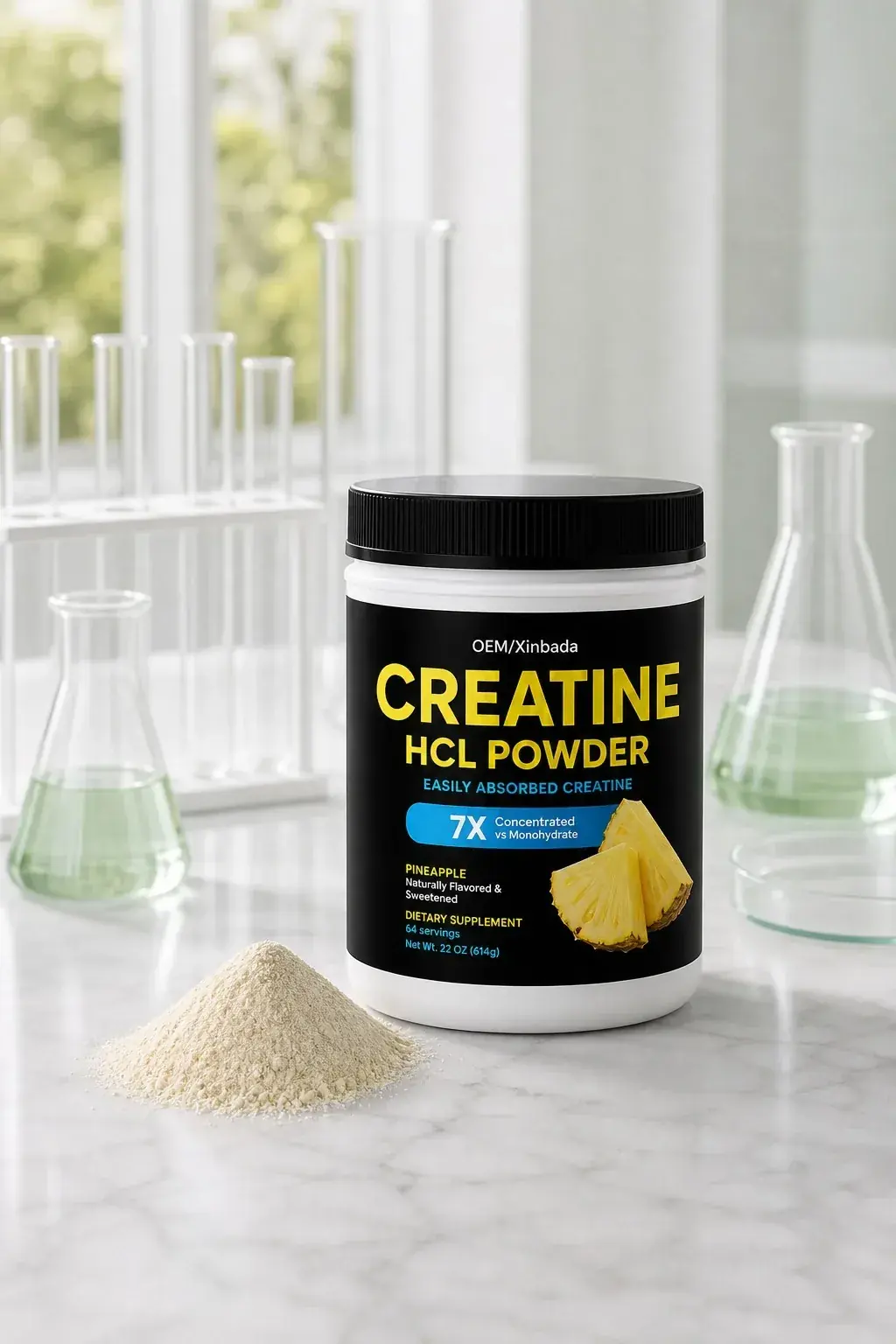
Protein contract manufacturing needs an agreed formula brief, packaging scope and sample approval criteria before development can move forward. An initial sample may leave serving size or artwork unresolved. Written inputs make each revision answer a specific question.
Early discussions should assign an owner and acceptance method to each open decision. An advertised service does not replace a project specification.
Define The Customization Brief Before Choosing A Flavor
Fix The Protein Identity And Serving Basis
Specify the protein source or blend, the intended amount per serving, the proposed serving mass and any ingredient exclusions. These are separate inputs. A powder's scoop weight is not the same as its protein content, and a front-panel product name does not establish either value. Where several protein ingredients are involved, the brief should distinguish the ingredient inclusion amounts from the analytical result expected for the finished powder.
State which inputs are fixed and which may be developed. For example, the protein source might be mandatory while sweetness and dispersibility remain open to comparison. The supplier can then explain the effect of a proposed change on ingredient sourcing, processing and cost. The current protein powder catalogue helps identify a relevant starting family, but a displayed plant-protein product should not silently become a specification for a different protein source.
Separate An Existing Base From A New Development Project
Ask whether the project modifies an established base, transfers a customer recipe, or develops a new formula. The letters OEM and ODM alone may not resolve that distinction. Record who supplies the ingredient list, who performs development work, which existing materials can be reused, and what must be tested again. A flavor adjustment can still affect serving mass, packaging information or processing behavior, so the approval route should follow the change rather than its marketing description.
Resolve Formula Ownership And Access To Development Records
Formula ownership and permission to manufacture are related but different questions. A company may permit production using a recipe without transferring its proprietary flavor system or underlying development data. Conversely, a customer-owned formula may rely on an ingredient blend whose detailed composition is controlled by another supplier. These boundaries matter when a project is reordered, reformulated or moved to a second production location.
Identify The Records That Must Remain Available
List the formula revision, ingredient specifications, preparation instructions, approved alternatives and development decisions that each party can access. Agree how confidential components will be described sufficiently for quality review without assuming unrestricted disclosure. The agreement should define those rights and confidentiality terms.
Could another approved production team reproduce the sample from the delivered records? An undocumented adjustment leaves a transfer gap. Clarify development charges and deliverables if the project stops. Payment of a sampling fee does not establish that formula ownership rights have transferred.
Match The Physical Pack To The Written Brief
The displayed mushroom protein product illustrates why catalogue information needs reconciliation. Its title refers to 450g, 600g and 900g options, while the pictured pouch carries a 546G marking beside a 34g stick. These are visible references, not a single confirmed order configuration. A proposal should identify the exact formula, pack type, net quantity and artwork revision being quoted rather than combine figures from different parts of a listing.
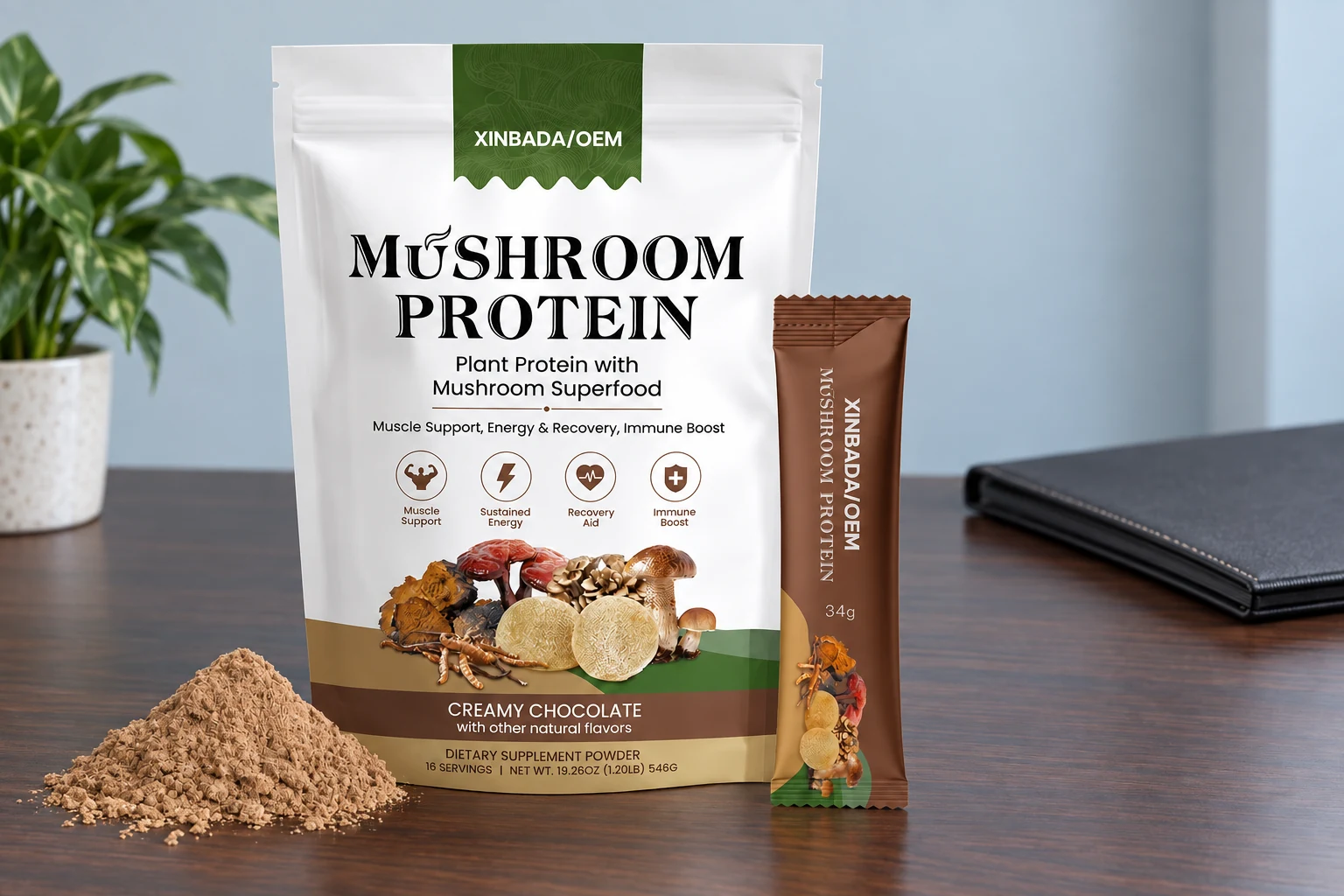
Illustrative scene generated from the site's original plant-protein package reference. The powder arrangement and package lighting differ slightly; the displayed brand and readable label remain reference identifiers. The image does not verify ingredient composition, pack dimensions or performance claims.
Check The Container, Fill And Artwork Together
Choose the intended pouch, jar or individual portion format before treating the sample as a finished product. Record the proposed material, closure, fill quantity, measuring accessory and storage conditions to be assessed. A material choice or closure change may require different evidence for protection and handling. Packaging suitability and shelf life should be supported for the actual formula and configuration; neither should be inferred from a similar-looking pack.
Use one approved artwork identifier across the specification, purchase order and production instructions. Net quantity, serving information and ingredient statements should be reviewed against the same formula revision. The wider product portfolio can provide format examples for discussion, but it cannot confirm that every format is appropriate for every powder. Keep unconfirmed options in a separate decision list so they are not mistaken for approved production instructions.
Define Reproducible Sample Approval Conditions
Make Preparation And Comparison Repeatable
Sample approval is more useful when the preparation method is recorded. Specify the sample amount, liquid type and volume, liquid temperature, mixing method, mixing time and the interval before assessment. Use the same conditions when comparing revisions. Otherwise, an apparent improvement in texture or dispersion may reflect different preparation rather than a formula change. Record the sample code and preparation date alongside the feedback.
Separate preferences from acceptance requirements. A flavor panel may rank two options, while the project still needs independently defined criteria for composition, microbiological quality and other relevant characteristics. Ask which laboratory or method will be used, how samples will be collected, and who reviews results. The image below represents a laboratory setting; it is not evidence that any specific formulation has been tested or approved.

Turn Feedback Into A Controlled Revision
For each round, record the requested change, revised sample code, characteristics to keep and acceptance evidence. “Less sweet” needs a comparison sample and preparation conditions. Consolidate reviewer feedback, then ask the supplier to identify knock-on effects before accepting the next version.
In protein contract manufacturing, sample approval should state its scope. Approval of flavor does not automatically approve artwork, shelf life, testing arrangements or scale-up. Record those decisions separately, then link them to the final development revision. Retain an agreed reference sample under suitable conditions and specify how long it will remain useful; a retained sample can change with time and is not an unlimited substitute for written limits.
Translate Development Into A Commercial Batch
A development sample supports formula and sensory decisions. A commercial batch also depends on equipment, batch size, addition sequence, process controls, packaging and quality review. A scale-up proposal should identify which assumptions need checking before routine supply.
Agree The Trial Evidence And Release Record
Confirm whether a pilot or first-production assessment is needed and what it must demonstrate. The record should connect the approved formula revision with actual ingredient lots, measured inputs, processing steps, checks and packaging materials. Where an operation is performed elsewhere, identify the location and the information that returns with the lot. A statement that a supplier can manufacture powder is less useful than knowing how this particular development will be translated into controlled instructions.

The site's facility information is a starting point for requesting applicable process and quality documents, not an independent facility audit. FDA's food and dietary-supplement manufacturing overview distinguishes the relevant regulatory frameworks; the intended product classification must be resolved before selecting requirements. The project team should request applicable specifications and production records from qualified reviewers rather than assume that all protein powders follow an identical documentation route.
| Decision | Input To Confirm | Evidence Or Record | Unresolved Risk |
|---|---|---|---|
| Formula scope | Protein identity and serving basis | Approved formula revision | Different interpretations of the target |
| Development rights | Access, use and transfer permissions | Agreed rights and record list | Recipe cannot be transferred as expected |
| Pack configuration | Container, quantity and artwork | Linked packaging specification | Sample and order describe different packs |
| Sample acceptance | Preparation and assessment conditions | Coded samples and signed decisions | Feedback cannot be reproduced |
| Scale-up | Equipment, batch size and controls | Trial plan and reviewed lot records | Development result fails to transfer |
| Routine supply | Changes, stock and lead-time triggers | Order and change approval process | Reorder differs from the accepted version |
Set Reorder And Packaging Stock Responsibilities
Request MOQ And Lead Time Against A Defined Configuration
MOQ may be constrained by blending, ingredient purchasing, filling or printed packaging. Ask which applies to each pack option. Separate development, testing and tooling charges from recurring costs. Compare quotations against the same formula, pack, quantity, tests and delivery terms.
Define the lead-time trigger, ownership and storage of unused packaging, and treatment of stock after an artwork change. Record remaining shelf-life expectations at agreed handover points. The company overview provides context; project-specific commitments need direct confirmation.
For repeat orders, identify which changes require written review before use. Examples include a different ingredient source, flavor system, process location or pack material. Protein contract manufacturing works more predictably when the approved version is easy to identify and an alternative cannot enter production through an informal purchasing substitution. Link the change request to the affected specification, the evidence required and the person authorized to accept it.
Frequently Asked Questions
Does A Private Label Project Always Use An Unchanged Formula?
No. Some projects use an existing base, while others change ingredients, flavor or format. Ask for the exact scope and revision. A commercial description such as private label does not establish which technical decisions have already been completed or which remain open.
Is One Good-Tasting Sample Enough To Start Production?
A favorable sensory result is only one decision. The formula, pack, quality criteria, artwork and scale-up requirements also need approval. Record what the sample demonstrates and what further evidence is required before a production order can proceed.
Can A Sample's Packaging Be Replaced After Acceptance?
It can be proposed, but the replacement should be reviewed for the actual product. Changes to materials, closure or fill configuration may affect handling, protection and labeling. Confirm what evaluation must be repeated before the new pack is authorized.
Who Should Keep The Approved Development Records?
The agreement should identify record owners and access rights. Both parties need a reliable way to identify the version authorized for manufacture. Confidentiality arrangements should still allow the responsible teams to review the information required for their work.
What Information Makes An Initial Manufacturing Inquiry Useful?
A concise brief should state the protein source, intended serving, fixed ingredients or exclusions, preferred pack, initial volume and development status. Add the sample assessment priorities and the decisions still open. This gives the supplier a basis for a specific feasibility response.
Before commissioning samples, send the development brief through the project contact page and request a written response separating confirmed inputs, proposed alternatives and decisions requiring further evidence. That response can become the working checklist for the next development round.