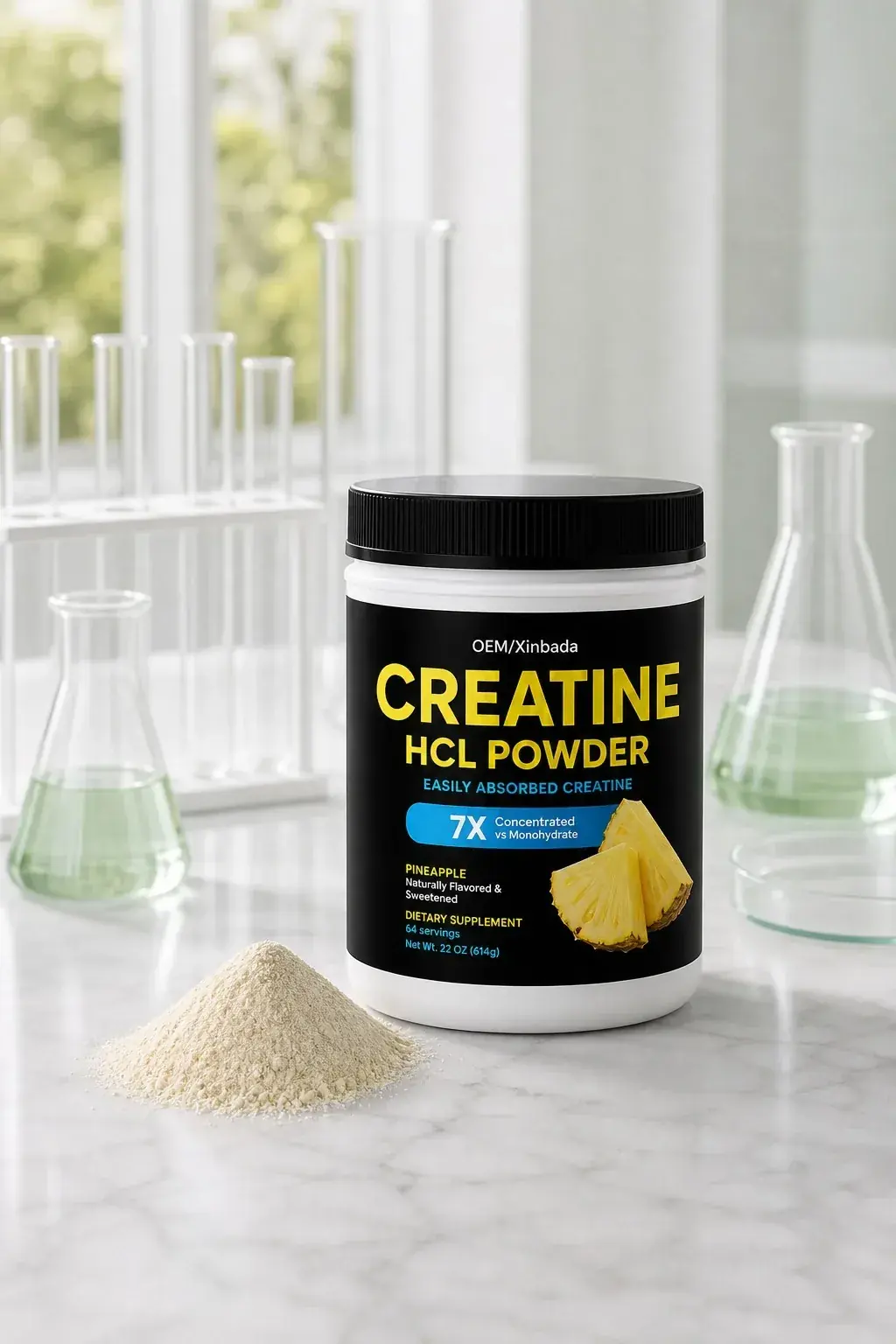
Private label protein supplements require an agreed formula, approved packaging and clear responsibility for each production decision. A branded pouch is only the visible result of those decisions. Behind it are ingredient specifications, preparation instructions, artwork versions and a release process that links the approved sample to the finished batch. A project becomes easier to control when those items are agreed separately, rather than treated as one general promise to supply a market-ready product. The central question is who may approve each item and what evidence records that approval.
Define The Product Before Assigning The Brand
A private-label project can begin with an existing formula or with a development brief. These routes have different decision needs. An existing formula still requires confirmation of its actual composition and permitted changes; a new brief requires a controlled route from concept to a reproducible manufacturing instruction.
Existing Formula And Custom Development Are Different Starting Points
The OEM and ODM service description distinguishes production of a supplied formula from broader concept-to-market development. That distinction is useful when allocating work, but the names alone do not settle ownership, testing responsibilities or change rights. The agreement should identify the version being offered, the changes included in the development scope and the point at which a development sample becomes the controlled reference for production. An attractive existing product may reduce development work without removing these approval steps.
Product Classification Changes The Required Review
Protein-containing powders require the correct regulatory category and intended use. Label wording, ingredients and composition must be reviewed for the United States before artwork approval. A reference package demonstrates a format; it does not establish legal acceptance of a new private-label product.
Make Formula Approval An Observable Decision
Formula approval should specify the composition and the way the sample was evaluated. A response such as “the taste is acceptable” does not establish ingredient grade, preparation method, serving basis or the limits for future variation. Those details turn a subjective preference into a production decision that can be checked when the order is repeated.
Connect The Sample To A Controlled Formula Version
The sample record should identify the formula revision, ingredient sources or approved grades, flavor system and preparation conditions. A sample mixed in water at one temperature may behave differently in another preparation setting. Evaluation should use the intended preparation instructions and distinguish sensory acceptance from analytical confirmation. If the approved sample changes, the reason and the affected specification should be recorded. Formula approval is strongest when the reference sample and written record describe the same version, rather than allowing the sample to become the only surviving evidence.
Protein source also affects the questions that belong in the development brief. Plant protein, milk-derived protein and collagen should retain their actual identities instead of being treated as interchangeable materials. A collagen-containing product can illustrate a protein supplement packaging format without establishing equivalence to a whey formulation. The current product catalogue shows several formats; each example needs its own confirmed composition and appropriate evaluation criteria. Promotional label statements remain source statements and require review before use in a new brand's artwork.
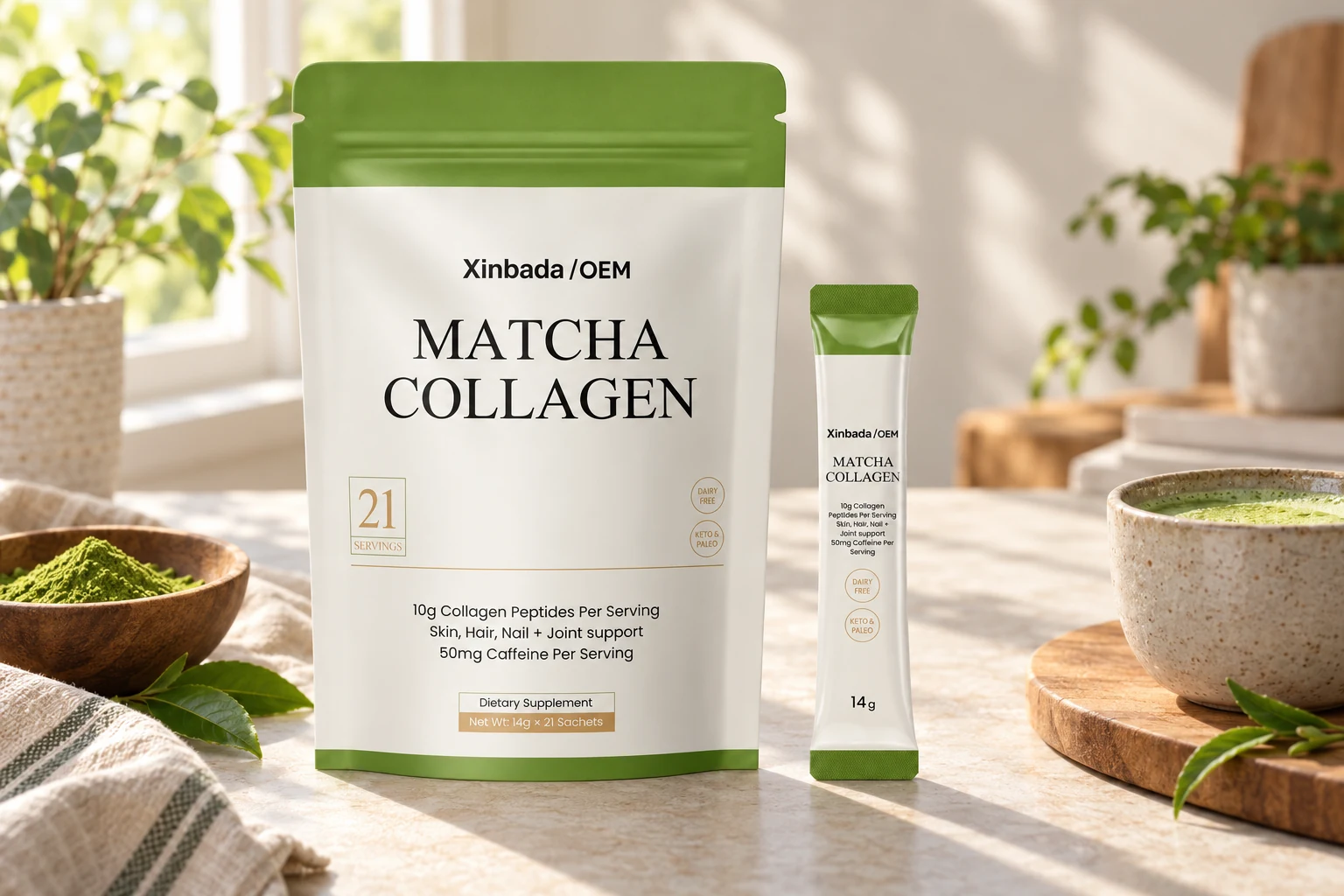
For private label protein supplements, a trial sample should also reveal the limits of the proposed customization. A flavor change can affect the ingredient list, preparation behavior and packaging information. A change that appears small in marketing terms may require a new manufacturing instruction.
Treat Packaging As A Separate Specification
Packaging combines physical protection, filling compatibility and communication. It therefore needs approval beyond a design preview. The packaging specification should connect the container, closure, fill quantity, artwork and code placement to the approved product.
Approve The Pack And Its Information Together
The site's packaging service lists several container and packet formats. That range provides options, not proof that every format suits a particular formula or order. The selected pack needs confirmation of material suitability, closure behavior, filling method and the information that will appear on it. A pouch-and-sachet presentation introduces both outer-pack and individual-unit decisions. Formula approval should therefore be followed by a packaging specification that identifies what is filled, what is printed and which versions are allowed to run together.
| Approval item | Evidence to retain | Unresolved risk |
|---|---|---|
| Composition | Controlled formula version and accepted material grades | A sample and batch may use different inputs |
| Preparation | Evaluation conditions and intended directions | Acceptable laboratory behavior may not match use |
| Packaging specification | Container, closure, quantity and artwork revision | The correct formula may enter the wrong pack |
| Release | Agreed checks, decision owner and batch record | Shipment may occur before an open issue is resolved |
| Change control | Notification trigger, review and written acceptance | A repeat order may silently become a different product |
Allocate Manufacturing And Quality Responsibilities
A practical agreement identifies who performs a task, who reviews its result and who can stop production or shipment. It should distinguish a commercial approval from a quality release decision. When several organizations contribute to a product, the relevant records need to connect rather than remain as separate statements with no agreed handover.
Define The Handover Between Development And Production
The development team may approve a formula's intended characteristics while the production team confirms that it can be made under documented conditions. That handover should include the current formula, applicable material requirements, packaging information and the agreed checks.

The facility information can help frame an initial discussion about the operations involved. It should be followed by project-specific evidence where production scope matters. A general facility description does not establish which operation will make the ordered formula or which laboratory will perform an agreed examination. Clear allocation avoids a common gap in which the brand assumes a check is included while the manufacturer assumes it will be performed elsewhere.
Keep Material And Batch Identity Connected
Traceability is useful only when it links the approved product to the materials and records used for a particular batch. A warehouse photograph cannot provide that link. The relevant evidence should identify received lots, their disposition, their use in production and the finished units that leave the site, with a route for investigating an unexpected result.
Distinguish Availability From Approval For Use
A material can be in stock while still awaiting a document, examination or disposition decision. Storage location and purchasing status are therefore different from approval to use it. The project should define which records accompany a received lot and how its status becomes visible to production. If an ingredient source changes, the review should consider whether the approved formula and evaluation remain applicable. Formula approval does not establish acceptance of every future shipment bearing a similar ingredient name.

Use Change Control To Protect Repeat Orders
Repeat supply is not guaranteed by the fact that the first sample was accepted. Materials, packaging, equipment, artwork and distribution conditions can change. Change control keeps those events visible by stating which changes require notification, who evaluates their effect and what evidence permits the revised product to proceed.
Separate Equivalent Substitution From A New Approval
A proposed alternative may appear equivalent commercially while changing a characteristic that mattered during evaluation. The review should connect the change to the accepted specification rather than relying on an informal assurance that it is “the same.” Changes in a flavor carrier, packaging material or code location may affect different parts of the project.
For private label protein supplements, change control should include the point at which artwork is frozen for a production run. A later design request may require a new file review, new materials or a revised schedule. The partnership service context provides a starting point for communication, but specific notice periods and approval routes must be agreed for the project. A conversation about timing should state what has already been approved and what remains open, rather than treating all changes as equivalent administrative edits.
Release The Approved Version, Not Just A Shipment
A shipment decision should establish that the manufactured formula, packaging and recorded checks match the accepted version. Commercial readiness and quality disposition are related but separate questions. An agreed release record should make it possible to see the basis for the decision without reconstructing it from scattered emails.
Close Exceptions Before Finished Units Leave
The release process should identify unresolved deviations, missing documents and packaging discrepancies before dispatch. An exception needs a recorded decision and a responsible owner; it should not disappear because the order is urgent. The packaging specification should be checked against the units actually packed, including the relevant revision and code information.

Frequently Asked Questions
Does A Private Label Mean The Formula Is Exclusive?
No. Exclusivity, access to formula information and rights to later changes need explicit agreement. The presence of a brand name on a package does not establish those rights. The project should distinguish use of an existing formula from ownership of a newly developed composition.
Can A Reference Label Be Used Without Review?
A reference label can help identify a format, but its claims and statements must be reviewed against the final product and applicable classification. Artwork should be approved as a controlled version rather than copied because it appeared on another product.
What Makes A Sample Useful For A Repeat Order?
A useful sample has a formula version, preparation conditions and recorded acceptance criteria. Those links allow a later batch to be evaluated against the same intended product. Taste approval alone leaves important composition and process questions unresolved.
Should A Packaging Change Trigger Formula Review?
Not every packaging change changes composition, but it may affect protection, filling, directions or declared quantity. Review the affected characteristics and decide whether existing evidence remains sufficient. The decision should be recorded through change control.
What Should Be Agreed Before A Production Order?
Confirm the approved formula, packaging specification, responsibility allocation and release evidence. These items should identify the version being ordered and the decisions still open. A price quotation without that context is difficult to compare or repeat reliably.
For a defined project, submit the accepted formula reference and proposed pack format through the project enquiry channel, asking which development, artwork and release decisions remain open before production can be approved.