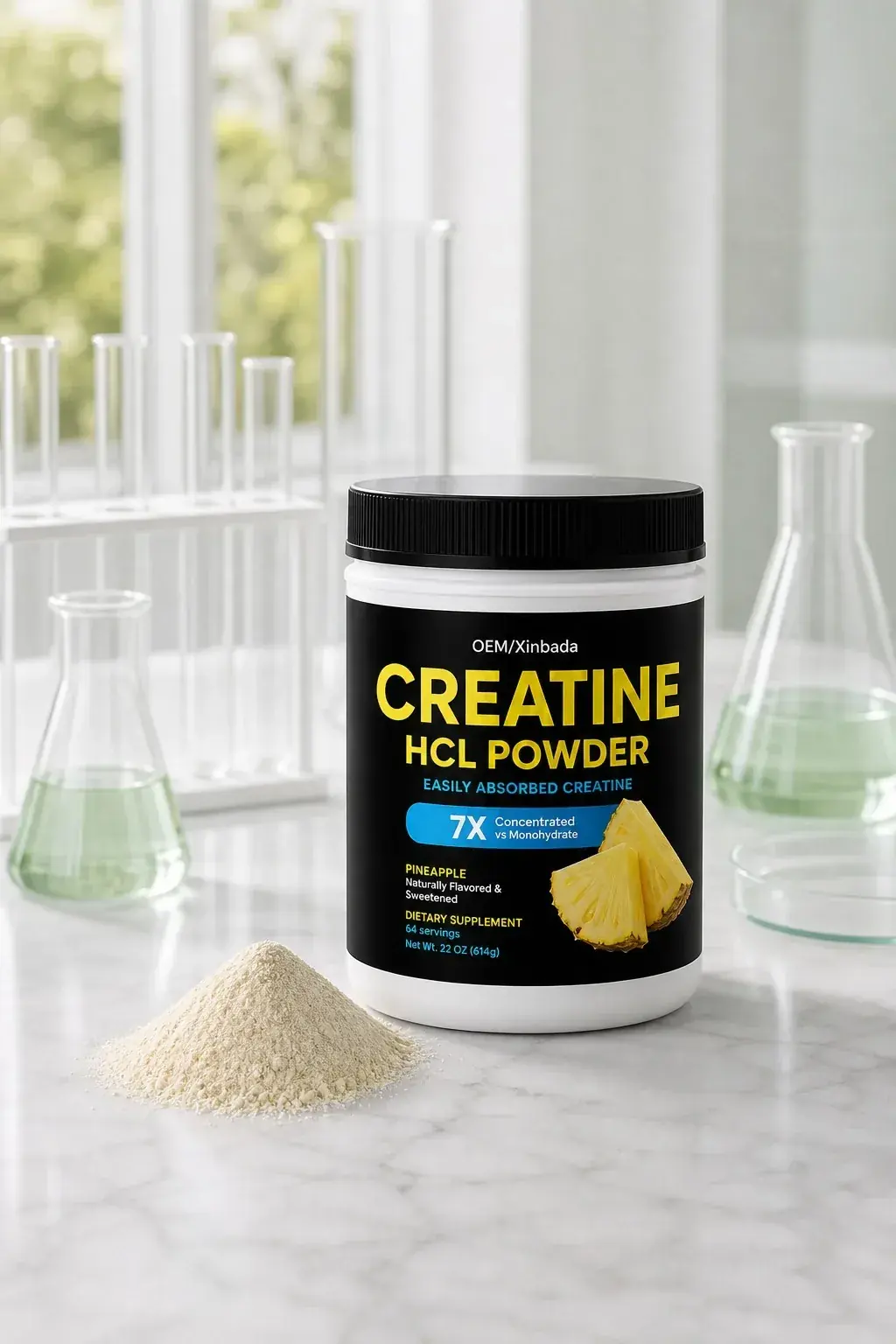
The manufacturing of protein powder combines controlled ingredient preparation, blending and packing into a defined finished product. The important distinction is between making a protein ingredient from its raw source and making a ready-to-use blend from purchased protein ingredients. Those activities may happen at separate facilities. A package, a mixing vessel or a finished sample cannot establish which upstream processes a particular business performs. Understanding the production sequence means following material transformations and the evidence associated with each transformation.
Separate Ingredient Production From Finished-Blend Manufacture
Concentration and drying create an ingredient
Protein ingredients begin with a source material. Proper material handling preserves its identity through processing. Depending on that source and intended grade, separation, concentration, treatment and drying may produce an ingredient suitable for later formulation. Milk-derived and plant-derived ingredients do not share one universal process. Conditions that suit one material can damage the functionality of another. A manufacturing explanation therefore needs to identify the starting material and the point at which it becomes a powder, rather than assume every factory begins with a raw agricultural input.
Formulation creates the product used by the consumer
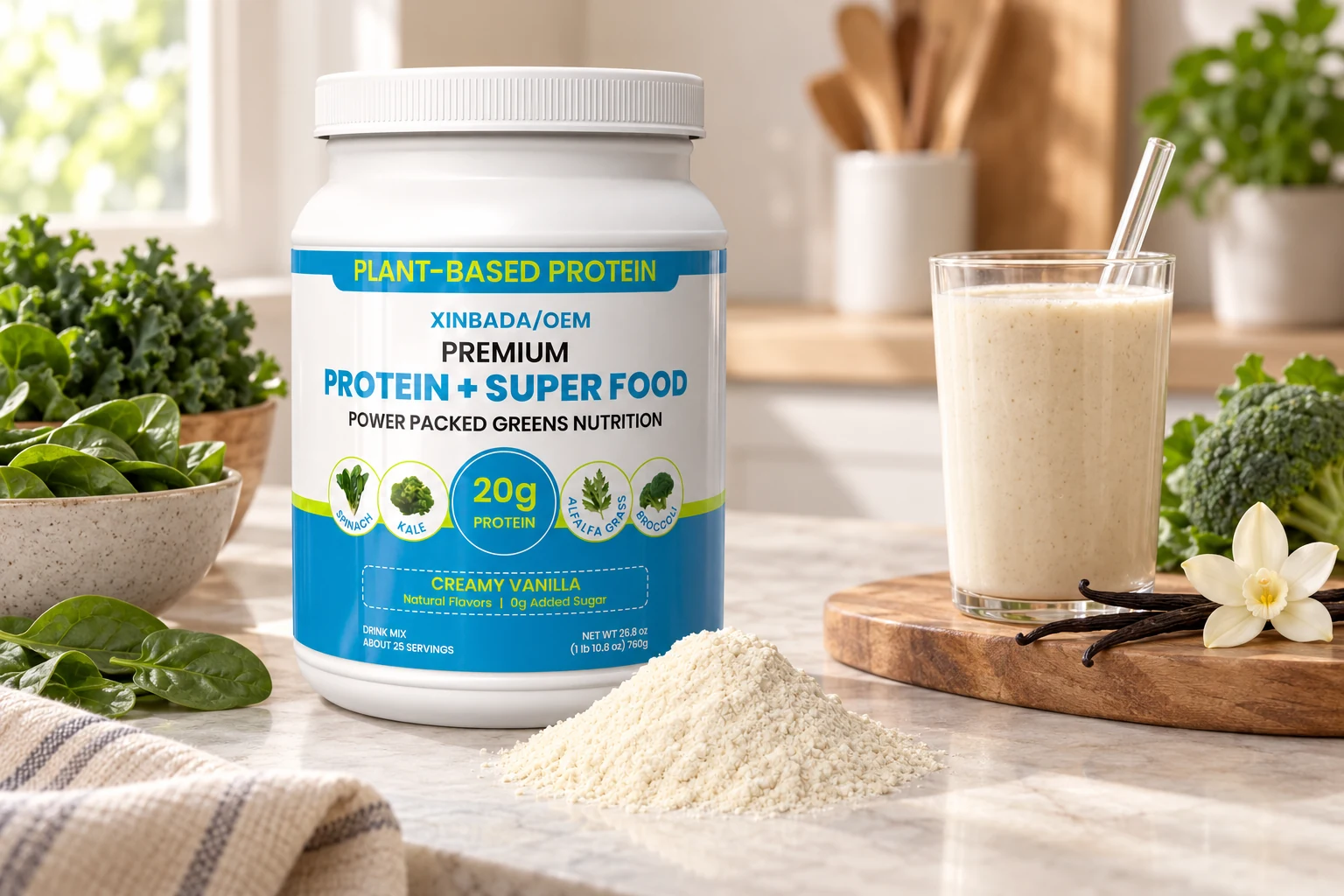
Finished-blend manufacture combines approved ingredients into a defined recipe and pack format. The OEM and ODM service context on NutriCDMO describes customization, while its catalogue includes finished protein presentations. This supports discussion of formula and packaging work. It does not independently establish that every protein ingredient is extracted or dried at the same site. A finished plant-protein product is a useful example of a blended presentation, with its ingredient-production scope kept separate.
Define The Formula Before Preparing A Batch
Express additions on a consistent basis
A formula needs a common measurement basis. Ingredient quantities must refer to the intended batch size and approved material grade. Serving information describes the finished product, whereas a weighing instruction tells the operator what to add. Confusing those two views can create errors when a recipe moves from a small development batch to a larger vessel. The master instructions should explain quantities, addition sequence and any intermediate mixture without leaving the operator to interpret marketing statements.
The manufacturing of protein powder is also affected by ingredient variability. A different flavor carrier, protein grade or sweetener can change bulk behavior even when the nominal recipe percentages remain the same. The approved formula should identify substitutions that require review. Development observations need to connect to a production instruction, including the handling conditions used when the successful sample was made.
Receive, Identify And Stage Materials
Keep approved lots distinct from available stock
Incoming material can be physically present while still waiting for release. Receiving, quarantine and approval are different states. The lot identity, specification reference and verification decision need to remain connected as material moves from storage to weighing. A warehouse location alone does not establish suitability. The production team should be able to distinguish material that is available for use from material awaiting a document, inspection or disposition decision.
Staging should preserve lot traceability when only part of a container is used. The amount issued, amount returned and condition of the remainder matter to the next batch. An unidentified scoop or temporary vessel breaks that connection. A controlled transfer label can maintain identity through intermediate steps, but its content and use need a defined procedure. Traceability works when the physical material and the recorded transaction describe the same event.

Weigh And Blend With A Defined Endpoint
Weighing accuracy differs from blend uniformity
Correct quantities are necessary but do not guarantee a uniform blend. Weighing establishes how much material enters the process. Blend uniformity describes distribution after mixing. A batch can satisfy the first condition and fail the second if the addition sequence, loading level or material characteristics prevent adequate dispersion. Treating them as separate questions helps identify the right evidence instead of accepting a single finished sample as proof of the entire process.
A useful mixing record connects the approved recipe to the equipment actually used. Vessel identification, batch loading, sequence and relevant operating conditions explain how the blend was made. The endpoint should be based on the process and its verification, not on a universal time copied from another product. Longer mixing is not automatically better: material behavior, equipment design and subsequent transfers can influence whether a previously uniform blend remains representative.
Sampling is part of that explanation. A scoop from an accessible point may not represent the complete vessel or all filled units. The sampling plan should specify locations, timing and the characteristic being assessed. It should also explain how sample handling avoids changing the property under review. Blend uniformity is meaningful only when the evidence refers to the batch and sampling method in question, rather than a generic claim that the equipment is capable of mixing.
Transfer And Fill Without Losing The Process Result
Discharge can change the distribution of a mixture
Transfer is a production stage, not merely the movement between two machines. Differences in particle behavior may cause separation during discharge, vibration or handling. The finished mixture therefore needs a defined route from the blending vessel to the filling equipment. The relevant question is whether the material delivered to each pack retains the intended composition and physical behavior, not whether the vessel once contained a satisfactory sample.
The current product catalogue shows several finished formats, but a catalogue does not establish that every packaging line has the same operating range. A trial should connect the proposed formula to the intended pack and filling route. A successful jar sample may answer a different question from a successful sachet run. Each route needs its own relevant evidence and a clear definition of what was checked.
Map Each Stage To A Distinct Verification Question
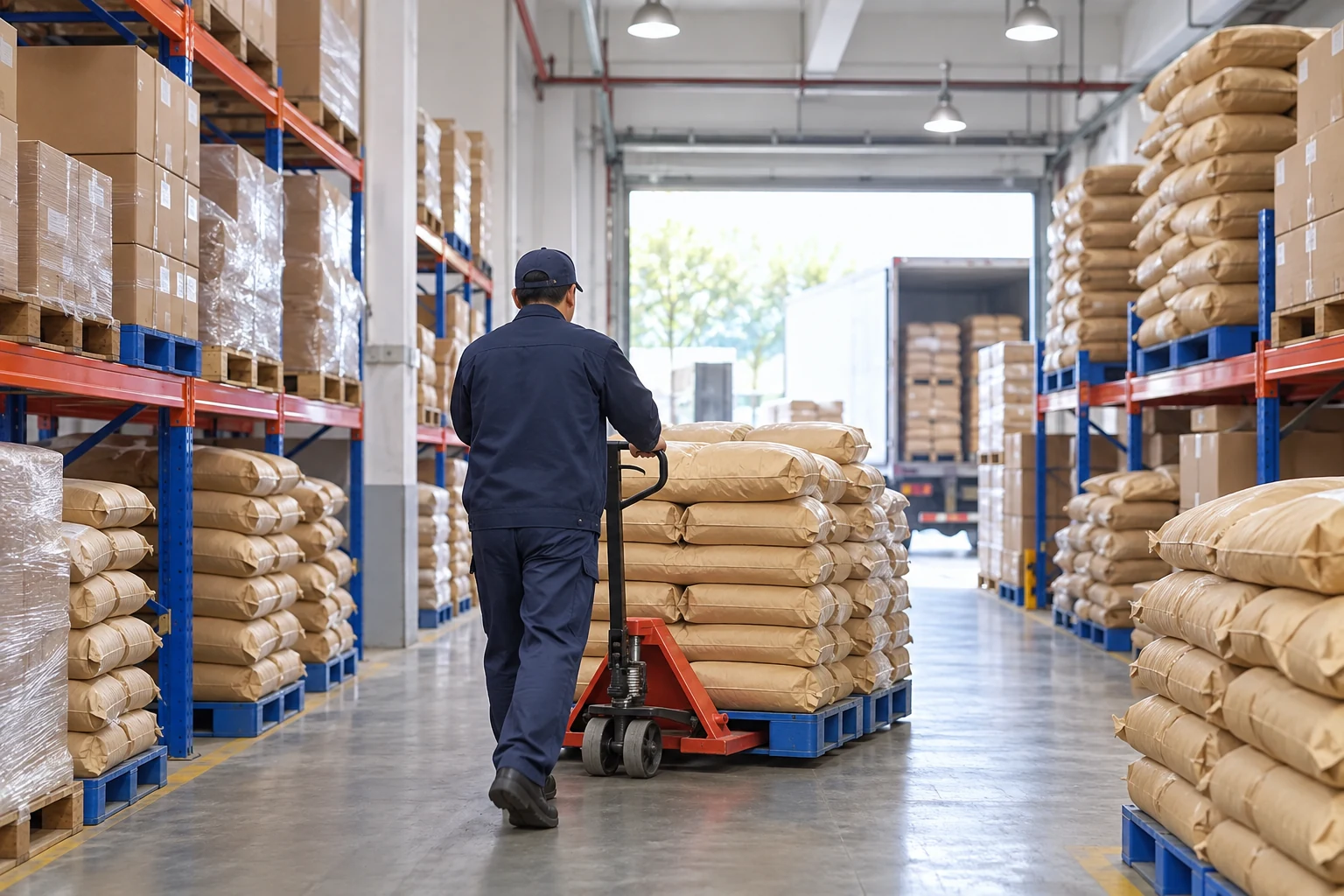
A process map is useful when its checks address different failure mechanisms. The table below separates material identity, quantity, distribution, transfer and packaging. It is a framework for understanding the workflow, not a claim about a particular factory's validated settings. The answer to each question should identify a record or observation that can be connected to the actual batch.
| Stage | Question | Evidence to connect | Common false inference |
|---|---|---|---|
| Receiving | Is this the approved material lot? | Identity, release status and specification reference | Stock availability means approval |
| Weighing | Were the intended quantities issued? | Recipe version, weighing record and reconciliation | One correct quantity proves the complete recipe |
| Mixing | Was the mixture distributed adequately? | Equipment conditions and representative sampling | A uniform color proves blend uniformity |
| Transfer | Did handling preserve the intended mixture? | Discharge route and relevant observations | A passing vessel sample covers every pack |
| Packing | Does the pack contain the right product and label? | Fill checks, closure review and version control | Matching jar size proves package suitability |
| Release | Does the batch evidence meet the approved requirements? | Review of results, deviations and disposition | Shipment readiness replaces quality release |
For products classified as dietary supplements, FDA's manufacturing guidance describes written controls and records for the applicable production system. That classification is not automatic for every protein powder. The product's intended presentation and market requirements need qualified review. A process map is not a substitute for that review, and general quality documentation should not be presented as proof of regulatory acceptance.
Connect Packing, Release And Subsequent Changes
Release depends on the executed batch
Batch release asks whether the work actually performed meets the approved requirements. The reviewer needs the relevant results, executed instructions and any deviations or changes. A master document describes the intended route; it does not prove that a particular batch followed it. If a record is incomplete, the missing information has to be addressed through the defined quality process rather than recreated from assumptions after packing.
Lot traceability should continue into finished stock. The packing run, ingredient lots and released product need a reliable connection so that later questions can be investigated. The manufacturing partnership description can frame the division of responsibilities, but it does not replace a project-specific agreement about retained records, change notifications and release authority. Those responsibilities should remain understandable even when production and distribution are handled by different parties.

Frequently Asked Questions
Does every protein powder factory produce its own protein ingredients?
No. Some operations formulate and pack purchased ingredients, while others also perform upstream ingredient production. The scope should be described by the actual processes and sites involved. A finished product page cannot establish that the same facility carries out extraction, concentration and drying.
Is blending time enough to describe a manufacturing process?
No. The material characteristics, loading level, addition sequence, equipment and verification method also matter. An approved time can be one part of a defined process, but copying it to another recipe or vessel does not establish an equivalent result.
Why can a passing sample differ from the finished packs?
The sample may not represent the complete batch, or subsequent transfer and filling may change the material distribution. Investigation needs to identify where and when the sample was taken and how it relates to the product in the packs. The distinction helps isolate the stage requiring review.
Can product photographs prove powder quality?
Photographs can show the presentation and apparent material form. They cannot establish composition, microbiological suitability, blend uniformity or stability. The relevant quality evidence needs a defined method, sample identity and result connected to the actual material or batch.
What is the most useful way to understand the complete workflow?
Follow one formula through receiving, weighing, mixing, transfer, packing and release. Identify the material state and verification question at each step. The manufacturing of protein powder becomes understandable when the transformations and records form one continuous account of the finished batch.
A sound production explanation separates ingredient manufacture from finished-blend work, and weighing accuracy from distribution and packing performance. The next technical step is to compare the process map with the actual formula and pack format, identifying the evidence needed at each transformation rather than assuming one sample answers every question.