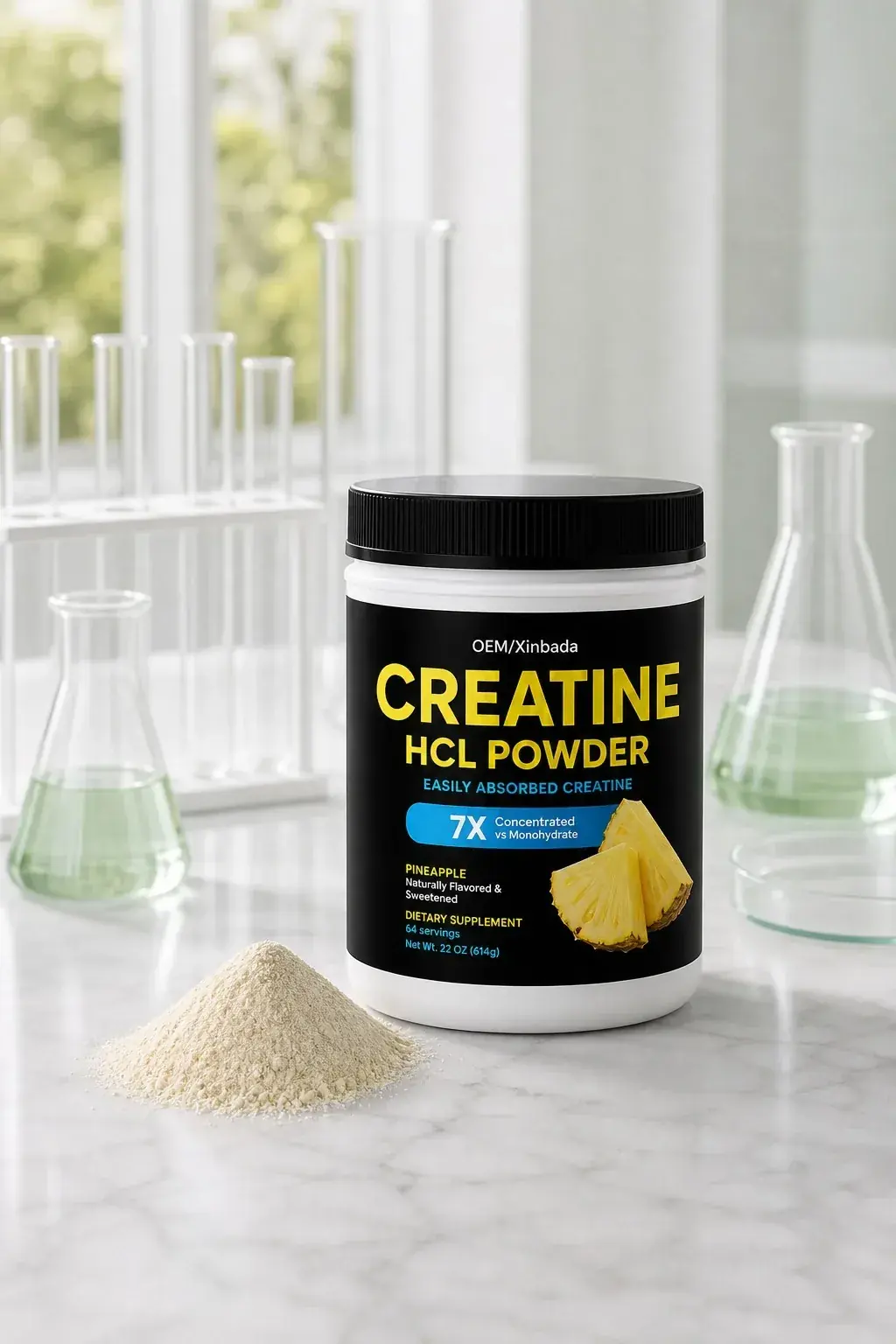
A protein powder jar manufacturer should be assessed on the complete filled pack, including the container, closure, seal and filling process. A good-looking jar is only one part of that assessment. The practical question is whether the selected components work together with the actual powder through filling, distribution and repeated opening. This guide explains the evidence needed to qualify that combination and assign responsibility when several suppliers contribute to it.
The Qualification Unit Is The Filled Pack
Buying an empty container and buying a finished private-label supplement create different responsibilities. A packaging supplier may provide the jar and lid, while a contract manufacturer selects components, fills powder and releases finished stock. Neither role should be inferred from a catalogue photograph. Establish who owns the drawings, who purchases each component and who can approve a substitution before comparing offers.
Separate Component Approval From Pack Approval
An approved jar drawing confirms a defined component. It does not establish that a particular liner bonds correctly to that jar, that a capper can apply the closure consistently or that the powder stays clear of the sealing surface. Pack qualification connects those questions. Its record should name the jar, closure, liner, product formula, fill quantity and trial conditions so that a later shipment can be compared with the same combination.
Identify The Party Responsible For The Combination
One contact should coordinate evidence even when molding, closure supply and filling occur at different businesses. Otherwise, a leakage complaint can move between suppliers without anyone evaluating the assembled pack. NutriCDMO's OEM and ODM service provides a starting point for discussing finished-product scope. A service page alone does not establish ownership of plastic molding tools or an in-house container plant.
Closure Compatibility Starts With Exact Components
Closure compatibility is more specific than choosing two parts with a similar stated diameter. The jar neck, closure thread, sealing land and liner must form the intended system. Ask for the exact component identifiers and current drawings, then confirm that the samples supplied for testing carry those identities. A visually similar substitute can require a different setup even when the cap appears to screw on normally.
Define The Neck, Cap And Liner Together
A useful component record includes the neck finish, closure design, liner construction and any intended tamper-evident feature. Specify whether the liner remains in the cap, bonds to the container or serves another defined purpose. Do not assume that all white discs inside a lid perform the same task. The supplier should explain how the selected combination is applied and which observations demonstrate an acceptable result.
Check Opening Performance As Well As Initial Sealing
A closure must suit the opening experience after distribution as well as the initial production setup. Review application and removal conditions with the component and filling suppliers. An excessively tight closure can frustrate users, while an inconsistent fit may undermine reclosure. There is no universal torque value for every protein jar: the value and acceptance method must come from the actual component system and validated filling process.
Fill Volume Must Be Tested With The Actual Powder
Net mass and container volume answer different questions. Two powders with the same declared mass can occupy different volumes because their bulk properties differ. A jar selected from a weight label alone may leave too little working space during filling or a larger apparent headspace after settling. The fill trial should use representative material and the intended process, rather than a substitute powder chosen only because it is easy to handle.
Distinguish Loose Fill From Settled Appearance
Record how the product behaves as it enters the jar and after handling representative of the intended route. Air incorporated during transfer may change the initial appearance; subsequent settling may make the pack look less full without changing its net mass. These observations help set a practical container size and communication approach. They do not justify inaccurate weight declarations or filling by appearance instead of the approved quantity-control method.
Include Scoop Access And Sealing Clearance
If the finished pack includes a scoop, evaluate its placement, accessibility and interaction with the closure. Check whether the filling operation leaves powder on the sealing land and how that condition is controlled. A fill trial should include normal handling rather than a carefully cleaned display sample alone. The aim is a repeatable process that produces a usable pack, not a photograph with the most attractive fill line.
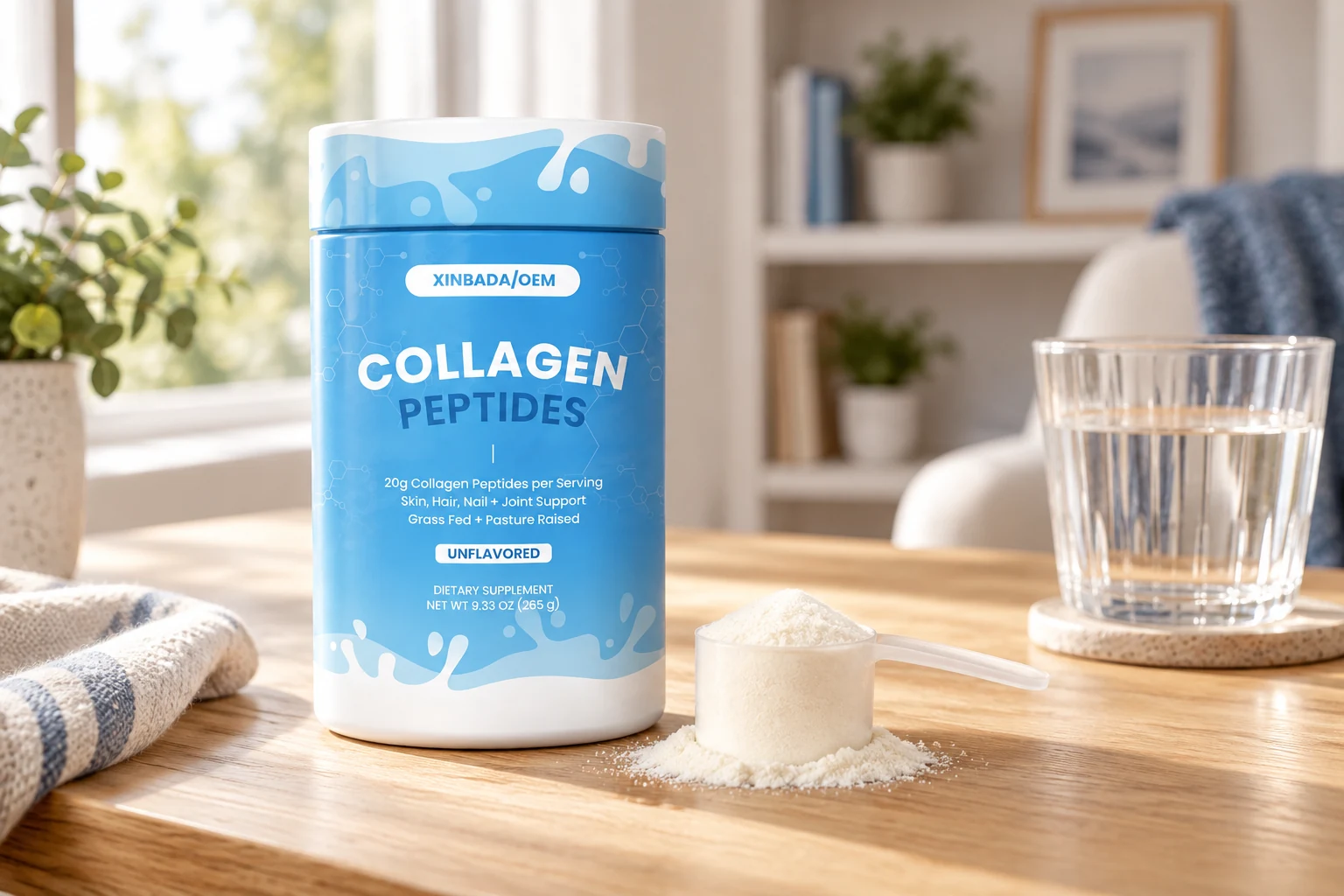
The site's Supergreens Vegan Protein Powder page provides a concrete jar-format example. Its public package options and gallery label are not a substitute for an approved project specification. Confirm the final formula, declared quantity, serving information and artwork together; do not combine numbers from different catalogue examples into one proposed product.
A Fill Trial Should Exercise The Intended Line
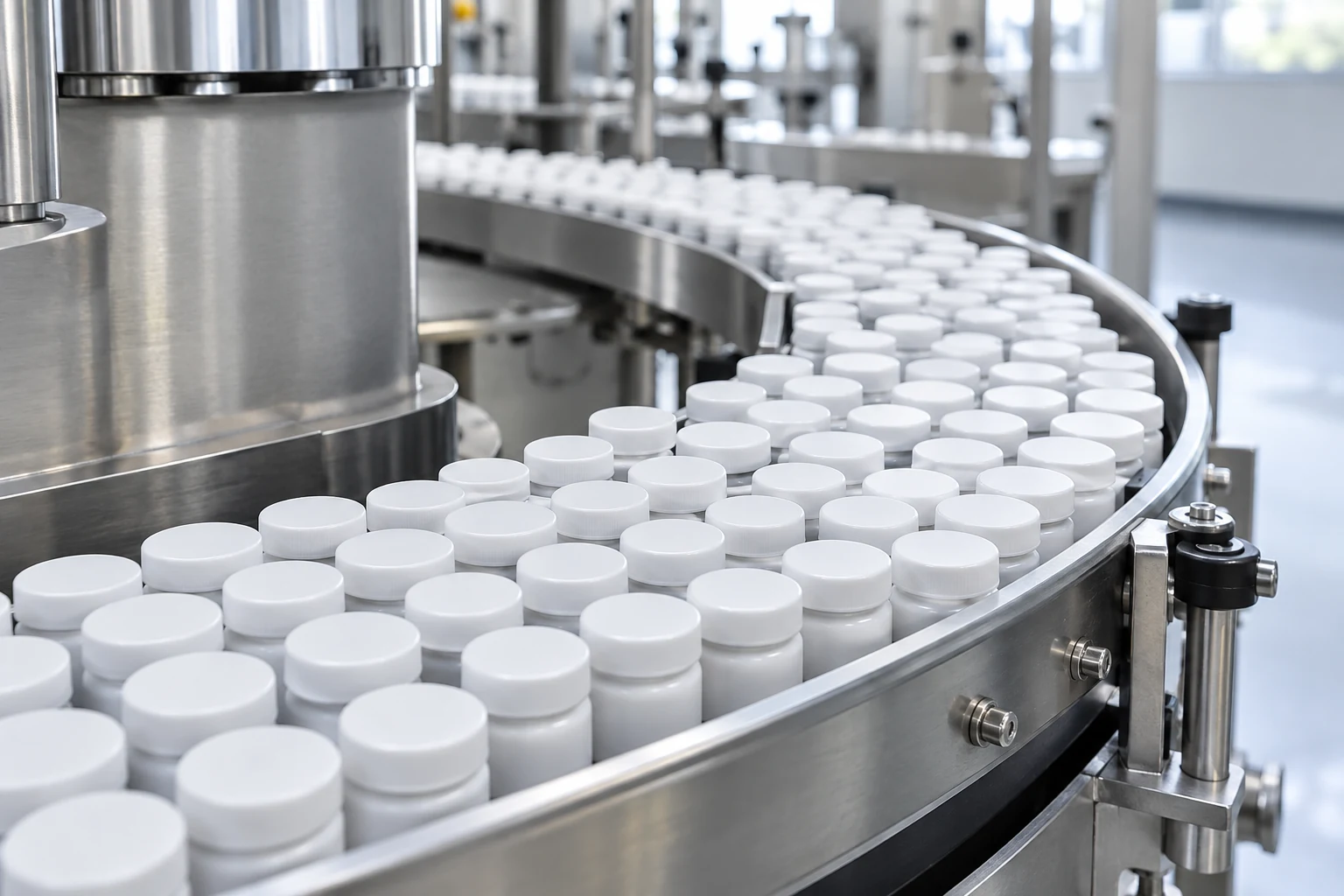
A protein powder jar manufacturer can provide convincing component samples while the assembled pack still needs line evaluation. The trial should connect the approved jar and closure to the equipment, powder-transfer method, sealing operation and inspection steps that will actually be used. Record the setup and the reasons for any adjustment. Without those details, a successful small demonstration may be difficult to reproduce at the next production run.
Observe Handling From Empty Jar To Closed Pack
Follow the container through feeding, filling, closure application and downstream handling. Look for unstable travel, deformation, contact marks, powder contamination and closure misalignment. These are process observations, not automatic rejection criteria: their significance depends on the agreed pack requirements. The trial record should distinguish a cosmetic observation from one that affects quantity, sealing, identification or the ability to open and reclose the container.
Keep Trial Samples Tied To Their Conditions
Retain identified samples from relevant points in the trial and preserve the settings that produced them. A sample without a component revision or production record has limited value when investigating a later difference. The facility overview can inform a discussion of available processes, but actual line suitability should be supported by evidence for the chosen pack and product.
Build An Evidence Set That Answers Specific Questions
Pack qualification becomes easier to assess when every requested document has a purpose. A general company presentation cannot answer all questions about a jar, and a component declaration cannot establish the performance of a filled product. Organize the evidence by the decision it supports, identify the responsible party and record any unresolved condition. Keep commercial promises separate from measured or documented results.
| Decision | Useful Evidence | What It Does Not Establish Alone |
|---|---|---|
| Component identity | Current jar, closure and liner specifications | Performance of the assembled filled pack |
| Closure compatibility | Matched-component assessment and trial observations | Suitability of a visually similar substitute |
| Fill suitability | Representative powder and recorded line conditions | Behavior of every formula or fill quantity |
| Distribution protection | Defined route assumptions and pack evaluation | Unlimited resistance to heat or handling |
| Release responsibility | Approved acceptance criteria and accountable sign-off | Permission to change components without review |

Distribution And Reopening Belong In The Same Review
The pack's job continues after it leaves the filling line. Consider the expected storage environment, transport handling, outer-case arrangement and consumer opening pattern. The appropriate evaluation depends on the powder and distribution route. A single clean, dry showroom sample cannot establish moisture protection throughout use, and the visual thickness of a jar does not establish its barrier performance.

For repeated opening, agree what the pack is expected to protect and under which conditions. Reclosure convenience and unopened seal integrity are different properties. A package that works before first opening may need separate assessment for its in-use role. Product-specific storage instructions and shelf-life evidence should be reviewed by the responsible team; neither should be invented from the packaging image.
Approve A Defined Combination And Control Later Changes
The final approval should identify a complete combination rather than a vague description such as “white protein jar.” Record the component suppliers, revisions, product formula, quantity, closure setup, artwork and acceptance evidence. State which changes require notification and what must be reassessed. A new liner, resin grade, component source or neck geometry may affect different parts of the qualification record even if the finished pack looks familiar.
When comparing a protein powder jar manufacturer with a finished-product partner, use the same responsibility map for both. The strongest proposal identifies what is included, what is supplied by another party and how the assembled result will be evaluated. NutriCDMO's protein powder catalogue and partner overview help define an initial discussion; project approval still requires specific evidence.
Frequently Asked Questions
Does A Finished-Product Manufacturer Necessarily Mold The Jar?
No. A finished-product manufacturer may source containers and closures from specialist suppliers. Confirm who makes each component, who controls its specification and who accepts the assembled pack. The service scope should be explicit.
Can A Matching Cap Diameter Prove Compatibility?
No. Diameter alone does not define the thread, sealing land, liner or application conditions. Closure compatibility needs the exact component combination and an assessment appropriate to the intended filling process.
Why Can Equal Powder Weights Need Different Jar Volumes?
Different formulas can have different bulk properties and settling behavior. A representative fill trial connects the declared mass to practical volume, headspace and process clearance. The result should be confirmed for the actual formula.
Can A Catalogue Pack Be Used As The Final Specification?
No. Catalogue imagery is a useful format reference. Final quantity, formula, serving information, material construction and artwork need their own approved specification. Resolve inconsistent public examples before adopting any numerical claim.
What Should Trigger A New Packaging Review?
A change that may affect component fit, product protection, filling behavior or identification should enter the agreed review process. The responsible team then decides what evidence can be retained and what must be reassessed.
For a jar-packed powder project, send the intended formula or product type, fill quantity, preferred pack format, distribution conditions and existing component drawings through the project contact page. Ask the team to identify component ownership, proposed trial scope and the evidence needed before the pack is released.