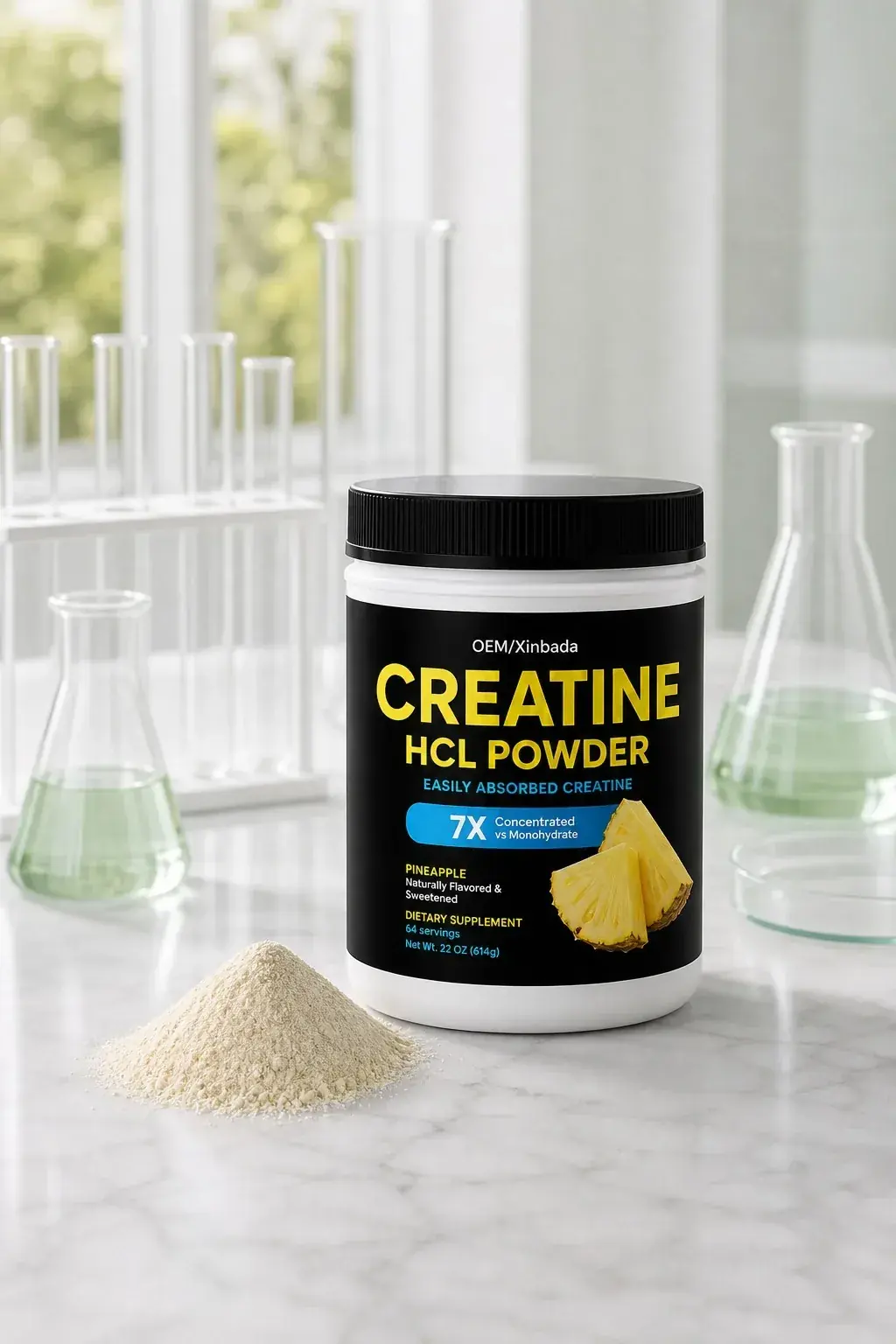
Protein powder manufacturing cost depends on the approved formula, production quantity, pack specification and release work included in the quotation. A price per kilogram of bulk blend cannot be compared directly with a price per labelled retail jar. Establish the finished unit, the manufacturing scope and the evidence required for release before treating two prices as alternatives.
Define The Unit Before Comparing Prices
Bulk blend and finished packs have different boundaries
A bulk quotation may stop at blended powder in lined transport containers. A retail quotation may include a jar or pouch, closure, seal, label, carton and filling operation. Confirm which services are inside the price and which remain separate. Artwork development, freight, duties, independent testing and storage can sit outside either offer, so a lower headline figure may reflect a narrower scope.
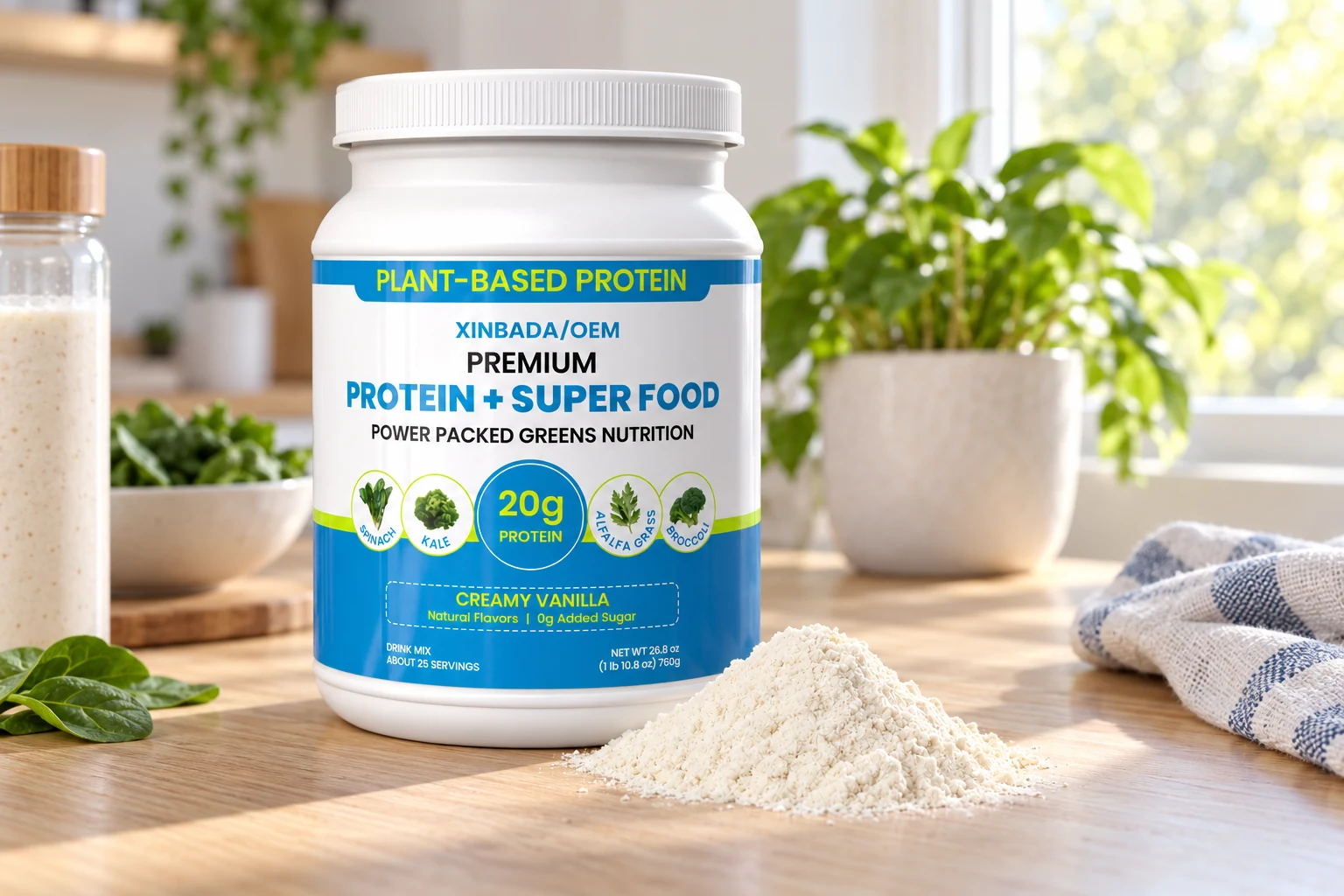
Use the same net fill weight, formulation revision and delivery basis in every comparison. A cost per serving is meaningful only when the serving mass and composition also match. The site's protein powder range provides examples of finished formats; product photographs and catalogue descriptions do not establish a current factory quotation.
Saleable units are the relevant denominator
For an internal estimate, divide the agreed production expenditure by the units expected to pass release and be available for sale. Keep development charges visible as a separate line or amortize them over a stated volume. Do not divide by the theoretical number of containers while ignoring retained units, line losses, rejected packs or material held for investigation.
Translate The Formula Into Purchased Materials
Specify the ingredient rather than its broad name
The ingredient specification identifies the material being priced: source, grade, composition, relevant functional properties and acceptance evidence. Two materials sold under a broad protein description may differ in concentration, flavour behaviour or processing requirements. A meaningful comparison preserves the intended composition and product identity instead of treating unlike powders as interchangeable.
The verified product catalogue includes several protein-related formats. Their existence demonstrates a range of product concepts, not that every raw material is processed in-house or that all concepts share a cost base. Keep blending and packing of purchased ingredients separate from upstream protein extraction when defining manufacturing scope.
Flavour and handling can change the work required
A recipe can require additional development to balance taste, dispersion and the intended serving experience. Trial ingredients and evaluation rounds should therefore appear in the development scope. A different sweetener or flavour system may also change how a blend flows or fills. Treat these as issues to demonstrate in a trial, rather than assuming the cheapest ingredient produces the cheapest acceptable finished pack.
Once an ingredient specification is approved, a later substitution needs technical review before its proposed saving is accepted. The revised input may change allergen handling, label content or performance in the chosen pack. Compare the complete revised proposal, including any additional evaluation, instead of subtracting one raw-material price from the previous total.
Separate Batch Charges From Unit Charges
Setup does not scale exactly with output
Preparing a line, confirming instructions, cleaning equipment and reviewing the batch documentation create work even for a short run. Increasing batch size can spread some of that work over more packs, but the relationship is not unlimited. Equipment capacity, production scheduling and the number of separate flavours determine whether a larger order can actually run as one efficient campaign.
Ask how the supplier defines a production batch and how that relates to the commercial minimum order. An order containing several flavours, fill weights or labels may require multiple setups. A single total order quantity can therefore conceal several smaller production runs, each with its own handling and release requirements.
Yield assumptions need a stated basis
Powder remaining in equipment, startup adjustments and samples can reduce the material available for finished packs. Establish how the estimate accounts for these losses and how actual results will be recorded. An unexplained allowance can hide either an optimistic quotation or an avoidable source of waste; it should be discussed using trial results and process records.
Compare quotes at the same planned batch size, then ask for clearly separated quantity scenarios. Keep the formula, pack and release scope constant between scenarios. Otherwise a reduction in unit cost may come from a changed specification rather than scale. The site's facility information can start a discussion about the applicable line, but its general capacity statements do not prove the yield of a particular formula.

Build Packaging Into The Same Cost Model
Count the complete pack and its purchasing commitments
Packaging cost includes more than the visible container. Closures, liners or seals, labels, scoops where specified, secondary cartons and transport protection can all contribute. Their purchasing minimums may differ from the filling minimum. Record whether a quoted quantity includes all components and who owns any surplus printed or custom material after production.
Stock components may simplify a launch, while a custom shape or print finish can require tooling, approval samples or a larger commitment. Neither option is automatically preferable. Assess it against the expected reorder pattern, required protection and cash available for inventory. An economical container loses its advantage if its closure or feeding behaviour causes repeated filling interruptions.
Compare configurations at the same functional requirement
A change from a jar to a pouch changes filling equipment, handling and the component set. Preserve the product's actual protection and usability requirements when comparing them. The correct question is whether each complete configuration meets those requirements at the proposed order scale, with the work needed to demonstrate that fit included.
Use a documented pack revision so packaging cost does not drift between sample approval and quotation acceptance. A label update after components have been ordered can leave obsolete stock. The company's stated service scope is a starting point for assigning responsibilities; the signed commercial scope should identify which party approves and pays for each change.
Protect Release Work From Hidden Exclusions
Protein powder manufacturing cost is incomplete when it omits the work required to decide whether the batch can be released. Define the applicable product category and market requirements, then agree the relevant specifications, sampling, tests, record review and responsibility for disposition. Requirements depend on the product and jurisdiction; a general website badge does not settle them.
For products marketed as dietary supplements in the United States, FDA manufacturing guidance describes formulation and batch-size records, component controls and batch documentation. That framework supports asking how the supplier records the agreed process. It does not mean every protein food follows the same regulatory category, nor does it justify cutting a required check solely to achieve a target unit price.
Distinguish routine release work from additional development or investigational testing. The quotation should explain the normal scope and how exceptional work is authorized. Confirm whether outside laboratory charges, retained material and repeat analyses are included. A disputed or out-of-specification result also needs an agreed handling process; payment terms alone cannot establish product acceptance.

Use A Cost Bridge To Explain Differences
Compare each proposal against one controlled brief. A useful cost bridge shows which input changed, why it changed and whether the finished product still meets the brief. This makes a commercial discussion more precise than requesting a percentage reduction without identifying its technical consequences.
| Cost area | Common source of difference | Evidence to request | Comparison condition |
|---|---|---|---|
| Formula inputs | Different grade, concentration or sourcing unit | Approved ingredient specification and formula revision | Same intended composition and acceptance criteria |
| Conversion | Different setup allocation or yield assumption | Batch definition and trial-based yield rationale | Same production scope and saleable-unit basis |
| Pack components | Custom print, closures or minimum purchase commitments | Component list, revisions and surplus ownership | Same functional pack requirement |
| Release | Testing or documentation excluded from price | Agreed release scope and responsible party | Same required evidence before shipment |
| Delivery | Different transport basis or handling scope | Named delivery terms and separately stated charges | Same destination and commercial boundary |
Consider an illustrative launch with one formula offered in two pack sizes. A supplier might combine blending while separating filling runs, but that must be technically and operationally feasible. Ask which work is shared and which is repeated. Do not assume that the combined order volume qualifies both configurations for the same unit economics.
Inventory deserves a separate review. A larger order can reduce some unit charges while increasing the amount of cash and product held. Demand uncertainty, storage conditions and remaining shelf life can offset the apparent benefit. The manufacturing articles provide further context for production decisions, while inventory assumptions should come from the actual business plan.

Frequently Asked Questions
Can a useful estimate be made before the formula is final?
Yes, as a clearly qualified scenario. State the assumed formula, pack, quantity and release scope, and mark unresolved inputs. Update the estimate when those inputs change. An early range is planning information rather than a final offer or permission to substitute materials later.
Does a larger order always reduce the final unit cost?
No. Batch size can spread setup work, but split flavours, equipment limits, packaging commitments or extra storage can change the result. Compare like-for-like quantity scenarios and distinguish the manufacturing unit price from the total cash committed to inventory.
Is the lowest ingredient price the best saving?
Only if the approved product remains equivalent in the aspects that matter. Check source identity, composition, handling and required evidence. A cheaper input that needs reformulation, produces poor filling behaviour or creates obsolete labels may not lower the cost of an acceptable pack.
What should a complete quotation identify?
It should identify the formula and pack revisions, net fill, quantity, included development and release work, delivery boundary and validity conditions. Packaging cost and unused component ownership should be explicit. Record exclusions so later charges can be understood before committing.
How can two apparently similar prices be reconciled?
Map both offers to the same brief and compare their assumptions line by line. Protein powder manufacturing cost becomes easier to interpret when differences in materials, yield, pack scope and release work are visible. Resolve the largest uncertainty before treating a small price gap as decisive.
For a cost review, send the approved formula outline, intended net fill, pack configuration and quantity scenarios through the project contact page. Ask for included work, exclusions and surplus-material responsibilities to be stated separately so the proposal can be checked against one consistent brief.