A protein powder manufacturing plant should maintain material identity from receipt to finished-pack release. The useful question is whether a specific ingredient lot, formula version and packaging set can be followed through the actual production route. A clean building and a large mixer are visible signs of investment, but they do not show who can release a held material, how a partial bag is identified, or what happens when a label changes halfway through an order. Evaluating these transitions reveals more than a general tour.
Start With The Product Route, Not The Building Size
Identify the operations performed at the site
A facility may receive ready-made protein ingredients, blend them with other components and fill retail packs. That route differs from producing a protein ingredient from its original agricultural source. Ask the operator to draw the route for the proposed product, naming outsourced stages as well as work performed on site. A supplier that explains these boundaries clearly is easier to evaluate than one presenting every capability as a single undifferentiated manufacturing service. The route should identify where ownership and quality responsibility pass between companies.
The site's OEM and ODM service information provides a starting point for discussing formulation and finished-product work. Its range includes several supplement formats, so the existence of one filling line should not be taken as evidence that it processes the proposed powder. Request the equipment family, pack format and operating sequence relevant to the formula. Any capacity statement should identify its product and conditions; a liquid-filling figure cannot establish powder output.
Use one finished pack to work backward
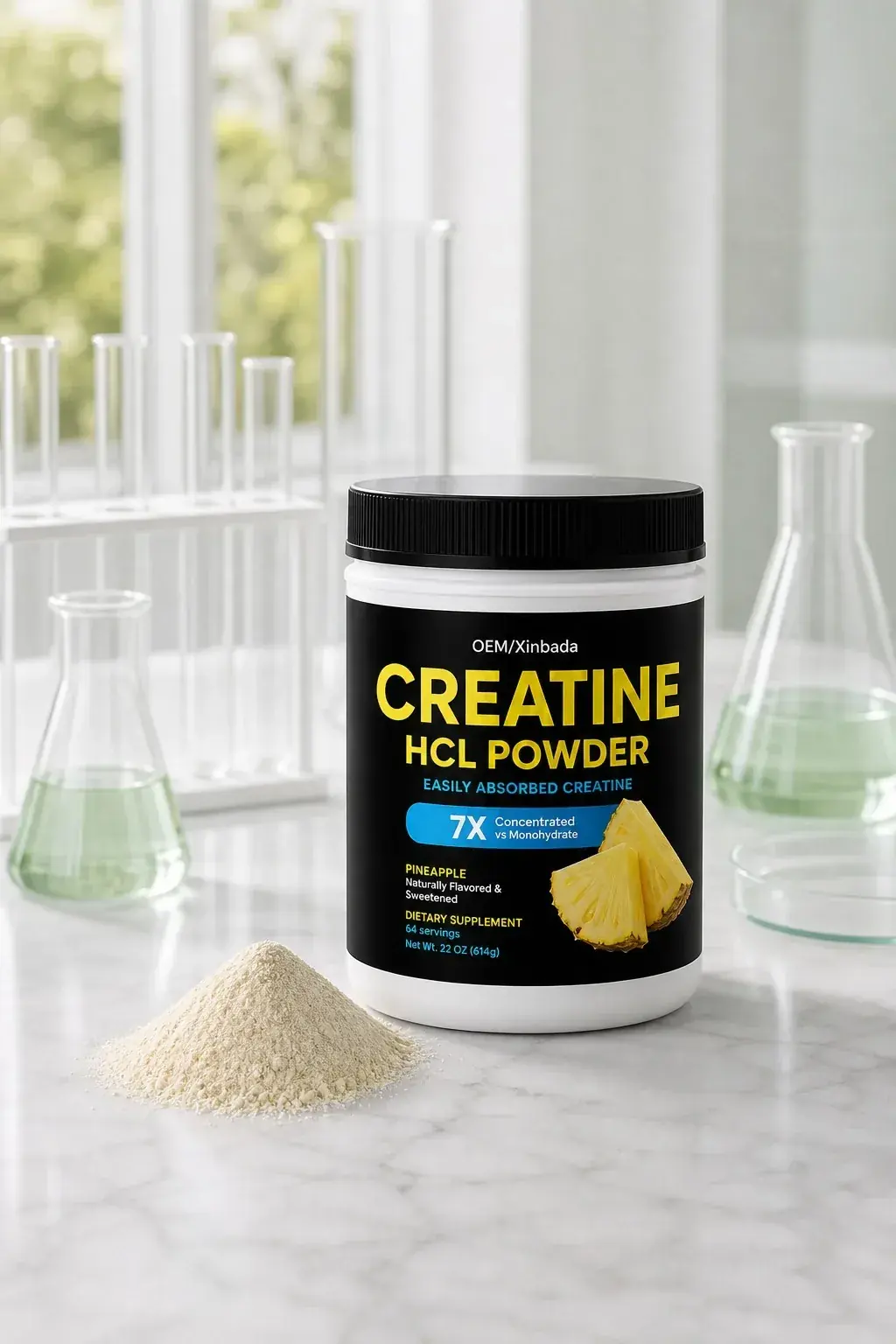
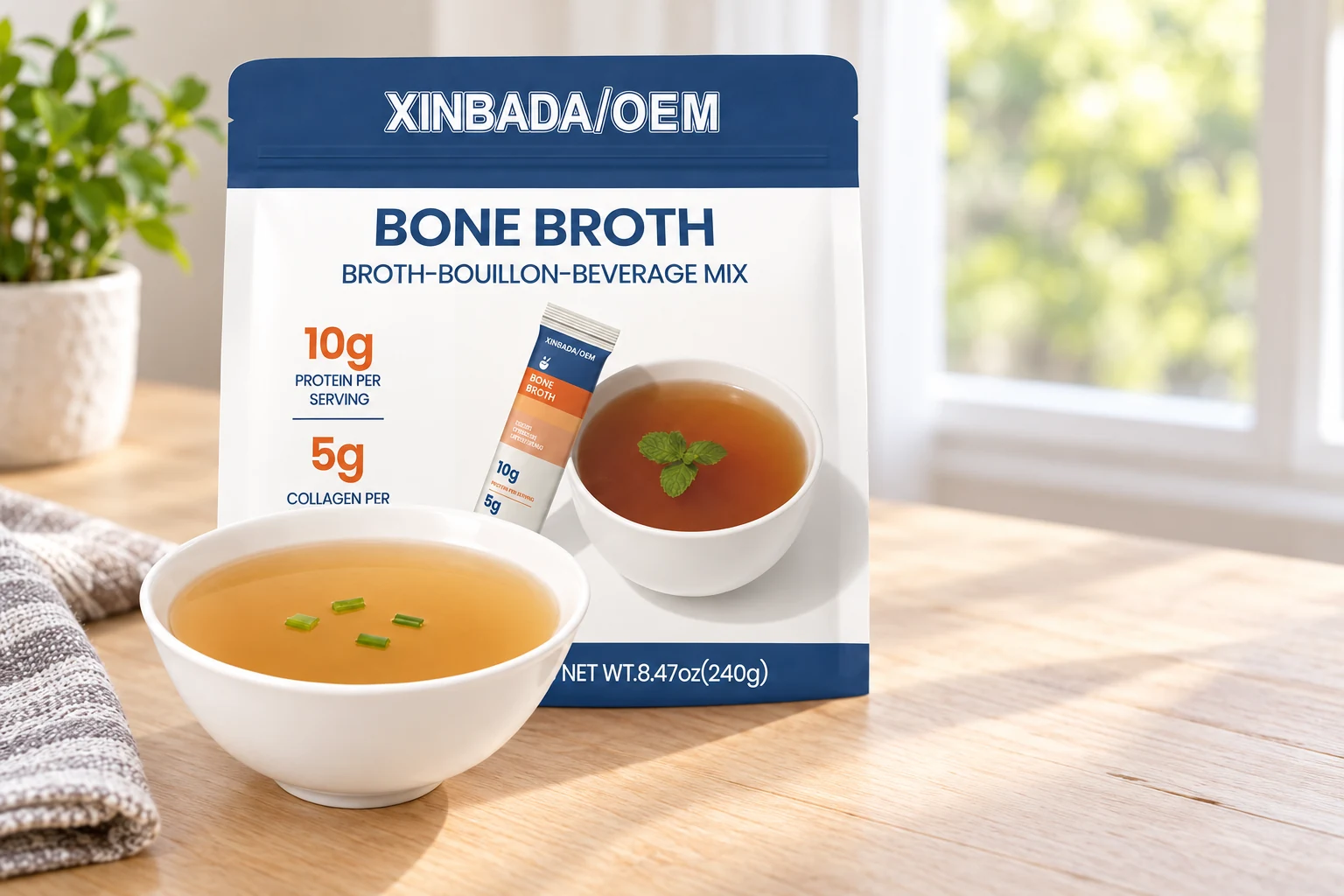
Choose a representative finished pack and trace its label version, formula identifier, fill quantity, component list and release record backward to production. This makes the conversation concrete. A plant-protein jar and a bone-broth pouch may both appear in a catalogue while requiring different ingredients, handling instructions and artwork. Similar brand presentation does not make them interchangeable. The current product catalogue can establish available concepts; the agreed product specification must establish the order itself.
Receiving Controls Must Survive Partial Use
Separate identity, condition and release status
Receiving an ingredient involves several decisions that should remain distinguishable. Identity concerns what the material is and which supplier lot it belongs to. Condition concerns transport damage, contamination indicators and storage suitability. Release status concerns whether authorized review has permitted use. A warehouse entry can exist before release, and a visually intact bag can still be held. Effective material segregation prevents convenience on a busy shift from turning an administrative status into an accidental production decision.
Follow the opened bag back into storage
Partial containers are a useful test of routine discipline. After weighing, the remaining material needs a secure closure, recognizable identity, remaining quantity and an appropriate storage location. Ask how the operator handles an unreadable tag or an unexplained quantity difference. Neither a hurried relabeling nor a memory-based estimate should silently restore usability. The practical issue is whether uncertainty triggers an authorized decision before the next batch draws from that container.
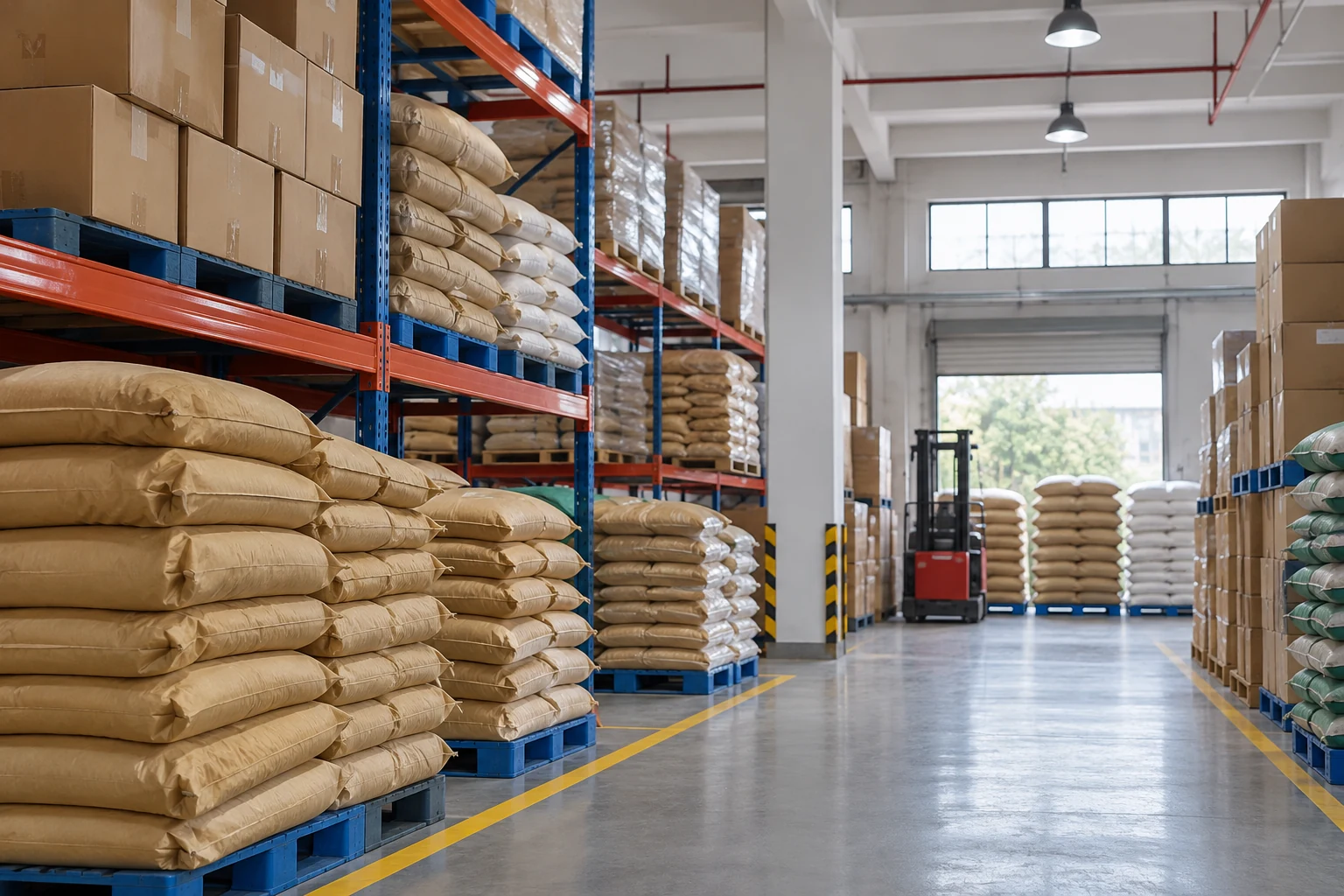
Storage conditions should follow the material specification and justified handling instructions. A broad statement such as “all powders are stored the same way” deserves clarification when the range includes different flavors, protein sources and moisture sensitivities. Inspect how returns from production are distinguished from unopened stock. Also check whether the physical route for waste or rejected material crosses the route for released ingredients. These observations connect the warehouse layout to actual material segregation.
Weighing And Transfer Are Identity Handoffs
Keep the formula version with the weighed set
Before weighing begins, the current approved formula should be unambiguous. A change in flavor carrier, ingredient supplier or serving size may affect more than a single line in a spreadsheet. Ask how the production instruction, component quantities and packaging information are revised together. The weighed set should remain associated with the intended batch rather than becoming a collection of anonymous containers waiting near a mixer. Every transfer needs enough identification to survive a shift change.
Examine the route between rooms
Movement through doors, staging areas and transfer equipment can break a well-designed record trail. A protein powder manufacturing plant should explain how containers stay closed or protected where needed, how equipment is identified and how the next operator knows the batch is ready. Ask what happens when production pauses and the transfer cannot be completed immediately. Temporary storage should have an assigned status and location rather than becoming an informal exception to the planned route.
The facility page describes manufacturing and audit access, but public photographs do not establish the route for a specific order. Request a current layout or supervised walk-through focused on receiving, weighing, mixing and packing. Where details cannot be shared, a redacted process map and a controlled record example can still establish the relevant boundaries. Avoid treating a polished corridor image as evidence of airflow, room classification or validated cleaning performance.

Changeovers Connect Material Control To Label Control
Check the previous product as well as the next one
A changeover review should consider the material that just passed through the line. Different protein sources and added ingredients can create different cleaning and cross-contact concerns. FDA background guidance explains that shared equipment and ineffective cleaning can transfer allergens; advisory wording is not a replacement for appropriate controls. The commercial evaluation should therefore ask for the facility's applicable risk assessment and evidence supporting its procedures, without assuming that a generic cleaning statement covers every formula pair.
Line clearance also includes items that are not ingredients. Remaining labels, printed pouches, scoops and work instructions can cause a finished pack to describe the wrong product even when the blend is correct. Ask how unused packaging is counted, returned or rejected and how a revised artwork version becomes the only version available at the line. An operator should be able to explain what must be removed, what must be checked and who authorizes the next run.
Test an interruption scenario
A planned sequence is easier to describe than an interrupted one. Present a realistic scenario: packing stops, partially filled containers remain, a shift ends and the order resumes later. Ask how the work in progress is identified, protected and reconciled. The purpose is not to demand an improvised production experiment; it is to see whether the normal procedure gives the next shift a reliable starting point. A verbal assurance should be supported by an example of the relevant record fields.
| Handoff | Evidence to request | Question that reveals a gap |
|---|---|---|
| Receipt to storage | Lot identity and controlled release status | Can held stock be issued by mistake? |
| Storage to weighing | Current formula and issued quantities | What identifies a partial container? |
| Weighing to blending | Batch-linked component set | Who resolves an unexplained difference? |
| Blend to packing | Work-in-progress identity and pack version | What happens after an overnight stop? |
| Previous to next order | Cleaning review and line clearance | How are old labels removed? |
| Packing to shipment | Reconciled batch and release authorization | Can shipment begin while review is open? |
Release Should Close The Record Trail
Distinguish a laboratory result from authorization
A test result answers a defined analytical question. Batch release is the broader decision that the finished lot meets the applicable requirements and its records are acceptable. FDA's dietary-supplement manufacturing guidance distinguishes master instructions, production records and quality-control review. The applicable regulatory category must be established for the proposed product; not every protein powder is marketed under the same category. Request a release checklist appropriate to that category rather than assuming one certificate of analysis closes every open issue.
Reconcile quantities and retain a usable history
The record trail should make sense quantitatively as well as chronologically. Inputs, output, samples, waste and returned material will not always have identical measurement bases, but unexplained differences need review. Ask which reconciliation points are appropriate for the process and how limits are justified. The aim is not to impose a fictional universal yield; it is to verify that the facility notices a meaningful departure from its own expected operation.
After shipment, the lot identifier should still connect to the records needed for investigation. Confirm which organization retains those records, how long the agreed access remains available and how a trace request is handled. The company service overview can help identify the commercial counterpart, but the supply agreement should identify the responsible manufacturing and quality entities. A brand name on the pack and a legal entity on the contract are related facts, not automatically the same identity.

Turn The Walk-Through Into An Evidence Decision
The strongest assessment of a protein powder manufacturing plant follows one proposed product through its real route and records the unresolved handoffs. Group findings by consequence: a missing document that can be supplied, a process boundary that requires clarification, or a control gap that must be addressed before approval. This separates ordinary follow-up from issues affecting whether the order can proceed. Record the owner and evidence required to close each point. The manufacturing resource archive can support preparation, while order-specific records determine approval.
Frequently Asked Questions
Does a large factory imply stronger process control?
No. Size and output may matter commercially, but neither shows how a specific lot is identified, held, transferred and approved. Assess the product route and its records alongside capacity.
Can different protein formulas share equipment?
They may, where the applicable process and risk controls support that arrangement. The relevant evidence concerns the actual materials, cleaning approach, scheduling and verification, not a general promise about shared lines.
Is a product catalogue enough to approve a formula?
No. A catalogue establishes publicly offered concepts. Approval requires the agreed specification, current formula and packaging version, along with evidence that the proposed production route can deliver them consistently.
What should be checked after a packaging interruption?
Confirm the identity and status of work in progress, the active artwork version, reconciliation of packaging and the documented authorization to resume. The review should follow the facility's applicable procedure.
Why keep a separate release decision?
It connects the manufacturing history, packaging review, deviations and required tests into one authorized disposition. A single laboratory report cannot establish that every part of the finished lot is acceptable.
For a facility discussion, provide the proposed formula family, pack format and expected route, then use the contact channel to request a walkthrough of the associated material, packaging and release records.