A whey powder supplier should identify the exact ingredient grade, production source and lot evidence before a sample or price can be compared. The useful starting point is the material being purchased: dried dairy whey, a concentrated protein ingredient and a finished flavored supplement answer different requirements. Approval should connect that identity to a written specification, a representative trial and a supply arrangement that preserves the accepted material.
Establish The Ingredient Identity Before Comparing Offers
The phrase “whey powder” does not define a complete purchase specification. A supplier should explain what is removed or retained during processing, whether the product is an ingredient or finished blend, and which producer makes it. This prevents a high-protein retail product from being compared with a dairy-solids ingredient solely because both are powders.
Separate Dried Whey From Concentrated Protein
The U.S. Dairy Export Council distinguishes sweet whey powder from whey protein concentrate. Its published category guidance describes sweet whey as dried cheese-derived whey, while concentration removes non-protein constituents to raise the protein fraction. These are category definitions, not guaranteed values for any offered lot. The supplier must name the grade and provide its actual composition rather than quoting a broad product-family description.
Define The Supplier's Role In The Material Chain
Distinguish the original ingredient producer, an authorized distributor, a repacker and a finished-product contract manufacturer. Each role has different records to provide. A distributor can legitimately supply an ingredient without owning the drying plant, but should explain its source and handling responsibility. A blender may provide a finished supplement while purchasing the dairy ingredient from another company.
The current NutriCDMO product catalogue shows plant protein, bone broth and collagen formats. Its OEM and ODM service description addresses finished-product customization. Those pages provide manufacturing context; they do not by themselves verify an offered whey ingredient, a dairy drying operation or a particular producer relationship. A whey powder supplier enquiry should therefore request explicit scope confirmation.
| Offered scope | Identity to establish | Evidence to request | Comparison error to avoid |
|---|---|---|---|
| Dried dairy whey ingredient | Named grade, producer and manufacturing site | Current specification and representative lot certificate | Treating a category average as a lot guarantee |
| Concentrated whey protein ingredient | Protein grade and relevant processing attributes | Composition basis, test methods and intended-use suitability | Comparing protein percentage without the remaining composition |
| Repacked ingredient | Original material and repack batch relationship | Traceability through the original and new package identifiers | Assuming the repacker produced the ingredient |
| Finished nutritional blend | Complete formulation and finished-pack specification | Formula approval, ingredient sourcing and finished-batch records | Using finished-pack claims to qualify a raw ingredient |
Make The Specification And Certificate Answer The Same Questions
A specification defines the agreed limits; a certificate reports results for an identified lot. They should refer to the same material and compatible methods. An impressive certificate is weak approval evidence if it covers another product, an unspecified sample or a revision that has already changed.
Read Results With Their Methods And Limits
Review protein, moisture and other composition measures together with the attributes needed by the intended process. Clarify test methods, reporting units and acceptance limits before deciding whether a result passes. “Typical,” “minimum” and “maximum” mean different things. A typical value describes an expectation; it does not establish a contractual lower or upper boundary.
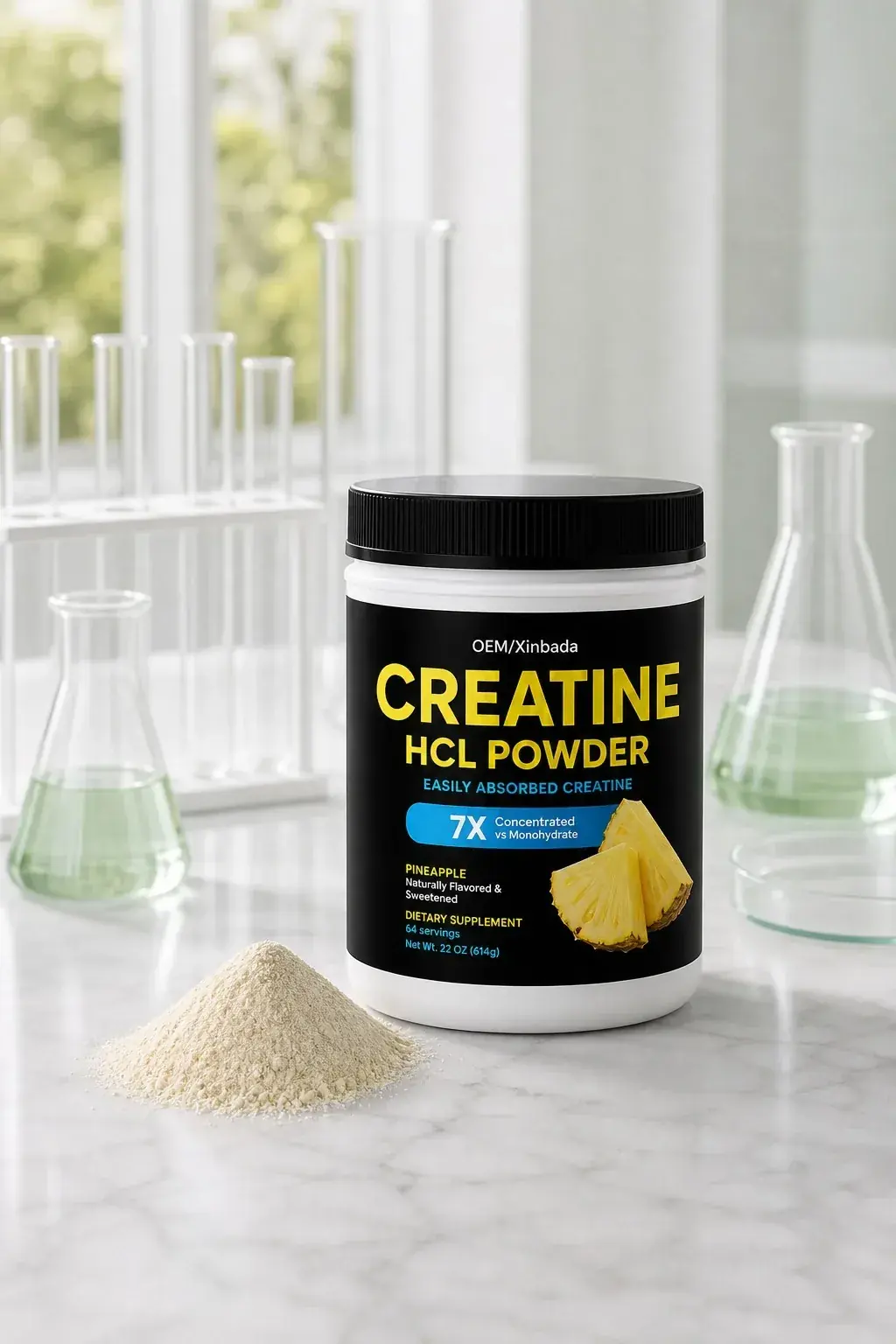
Microbiological requirements should follow the intended application and applicable food-safety assessment. A supplier should identify what was tested, the sampling basis, laboratory responsibility and the lot represented. Avoid transferring limits from a general reference directly into a purchase without confirming suitability. The laboratory scene below illustrates evidence review; it is not proof that a particular whey lot has passed any test.

Resolve Gaps Before The Commercial Decision
Ask why a relevant parameter is missing rather than assuming silence means compliance. If a certificate lists protein but omits the attributes needed for a heat-treated beverage, the technical review is incomplete. A supplier may offer a supplementary report, a different grade or a controlled trial. Each response should identify what remains unverified and who will close it.
Keep the ingredient specification and the commercial description synchronized. If the technical team approves one producer's grade but the order merely says “whey powder,” substitution becomes difficult to detect. Include the approved material code or a clear equivalent approval procedure in the order. An equivalence proposal should reopen the affected evidence rather than silently inheriting the previous acceptance.
Qualify The Material In The Process Where It Will Be Used
A material can meet its composition limits and still behave differently in a formulation. Supplier evaluation should include an application trial that reproduces the important processing conditions, with an agreed reference and recorded observations. The result should support the intended use rather than a general claim that the powder is suitable for every product.
Build A Trial Around A Real Manufacturing Question
For a dry blend, the relevant questions may concern dispersion, segregation or consistency after mixing. For a liquid product, the sequence of addition, temperature, acidity and subsequent processing may matter. Select the question first, then design a representative trial with the technical team. Record the conditions instead of describing a sample as simply “good quality.”
Keep Sample Identity Connected To The Offered Supply
Request the sample's lot identifier, manufacturing date where relevant and relationship to normal production. A specially prepared demonstration blend should not qualify routine ingredient supply without explanation. The supplier should confirm whether the commercial shipment will come from the same grade and producer, and disclose differences between the trial sample and the proposed lot.
Where a finished supplement is involved, the published protein powder category can help identify the finished format under discussion. It cannot replace a dairy ingredient trial. The application trial belongs to the actual formula and process being purchased; another protein source, flavor or package should retain its own identity throughout the review.
Preserve Lot Identity From Receipt Through Storage
Supply continuity depends on knowing what arrived and keeping its condition controlled. An approval file should explain the relationship between the producer's lot, the supplier's shipment and any repacked units. Storage requirements should come from the agreed material documentation and its intended use, with responsibilities defined across the delivery chain.
Follow The Lot Through Each Handling Step
Lot traceability should connect shipping documents, package identifiers, the certificate and receiving records. A new invoice number is not necessarily a new production lot, and one shipment may contain several lots. Clarify how mixed-lot deliveries are declared and whether receiving staff can link each unit to its supporting evidence without opening or relabelling it.

Assign Storage Conditions And Remaining Life
Confirm the required environment, unopened packaging protection, handling after opening and the meaning of the stated shelf life. Ask whether remaining life is measured at dispatch or delivery. Moisture exposure, damaged seals and inappropriate handling can undermine the accepted condition even when the product originally met its limits. An agreed arrival check should identify when material must be held for review.
The facility service overview provides context for discussing material handling, but published facility photographs do not establish controls for a specific dairy ingredient. Lot traceability must be demonstrated through actual records. Ask for a practical example of the record chain using non-sensitive sample data before relying on a broad traceability statement.
Approve The Supply Arrangement With Clear Boundaries
The final decision should state exactly what has been approved and what remains conditional. A supplier can be accepted for one grade, producer, packaging format or application without receiving blanket approval for every product. This keeps commercial flexibility compatible with technical responsibility.
Turn The Findings Into A Defined Approval Scope
A whey powder supplier approval should identify the accepted grade, source, specification revision and use conditions, along with any outstanding action. Record the evidence reviewed and the person responsible for approval. If a manufacturing service is the actual scope, define who purchases the dairy ingredient and who verifies it before the finished blend is made.
The company's service positioning can be reviewed alongside its catalogue, while technical conclusions remain tied to verified records. A clean production corridor or a packaging team provides context for questions about operations. Neither establishes whey availability, a test outcome or an independently audited quality status.

Set A Practical Route For Changes And Complaints
Define which changes require notice: producer, manufacturing site, processing attribute, specification, test method or packaging that affects material protection. Assign the evidence needed to assess each change and the conditions for using old and new lots. An application trial may need to be repeated when the altered attribute can affect the approved process.
Agree how a complaint will be investigated, including the lot information, retained material, delivery condition and observed processing behavior needed. State whether unresolved material is held and who authorizes its use. This arrangement supports a focused investigation without making assumptions about fault before records and samples are reviewed.

Frequently Asked Questions
Does A Protein Powder Catalogue Prove Whey Ingredient Availability?
No. A catalogue may show plant protein, collagen or finished nutritional blends. Confirm the exact dairy ingredient, producer relationship and supply scope in writing before treating it as an available whey grade.
Is A Certificate Of Analysis Enough To Approve A Supplier?
It is one part of the evidence. It should match the offered lot and current specification, use relevant methods and be supported by identity, handling and application suitability checks.
Can Two Products With The Same Protein Percentage Be Interchanged?
Protein percentage alone does not establish equivalent composition or process behavior. Review the remaining material attributes and the accepted use conditions, then verify any proposed substitution through the agreed technical process.
What Should Be Confirmed Before The First Sample Is Sent?
Confirm the grade, producer, lot relationship, intended application and available documentation. Define the trial question and acceptance basis so that the sample produces a useful decision rather than an informal impression.
For an ingredient or finished-blend discussion, send the required grade, intended process and unresolved evidence questions through the technical enquiry contact. Request written confirmation of the proposed supply scope before comparing samples or commercial terms.