Compare whey powder manufacturers by ingredient identity, manufacturing scope, application trials and lot evidence before comparing prices.
A search for a manufacturer can lead to a dairy ingredient producer, an importer, a blending operation or a finished-product contract packer. Each may have a useful role, but their offers answer different questions. A satisfactory proposal identifies the product being supplied, the work actually performed and the documents that connect the sample to the eventual shipment. The following evaluation sequence makes those boundaries explicit without assuming that a broad protein catalogue establishes whey capability.
Define The Material Before Shortlisting A Factory
Start with a written ingredient specification that distinguishes the dairy input from the finished formula. The name on an enquiry is often too broad to determine composition, processing behavior or the responsible production site. A named grade, intended use and agreed testing basis give competing suppliers the same problem to solve.
Separate Dry Whey From Concentrated Protein
Sweet whey powder, whey protein concentrate and whey protein isolate are distinct ingredient categories. Industry reference material from the U.S. Dairy Export Council describes these categories and their different compositions and functions. A purchaser should therefore request the exact commercial grade rather than treating every pale dairy powder as interchangeable. Protein level alone does not define the whole material: other constituents and processing characteristics also matter to the intended formulation.
Keep The Finished Formula In A Separate Record
A flavored retail powder may contain sweeteners, flavors and other ingredients in addition to a dairy protein input. Its formulation, serving size, package artwork and release checks need a separate approved record. An ingredient producer's certificate cannot establish the composition of a blend made elsewhere. Equally, a packer's sample of a finished formula does not demonstrate that the packer owns the upstream dairy concentration or drying operation.
NutriCDMO's current protein powder category includes products described as plant protein and bone broth. Those identities must remain distinct from whey. The reviewed catalogue does not by itself verify a particular whey grade or an operating dairy processing line. Any proposed whey project should begin with a written confirmation of ingredient sourcing and the exact work the proposed facility would perform.
Map The Work Behind The Commercial Offer
Ask for a process-and-responsibility map with a named organization at each handover. It can be short, but it should show who sources the input, tests it, blends the formula, packs the units, releases the order and investigates a complaint. This manufacturing scope is more useful than an unqualified promise of a complete solution.
Identify The Site That Performs Each Critical Step
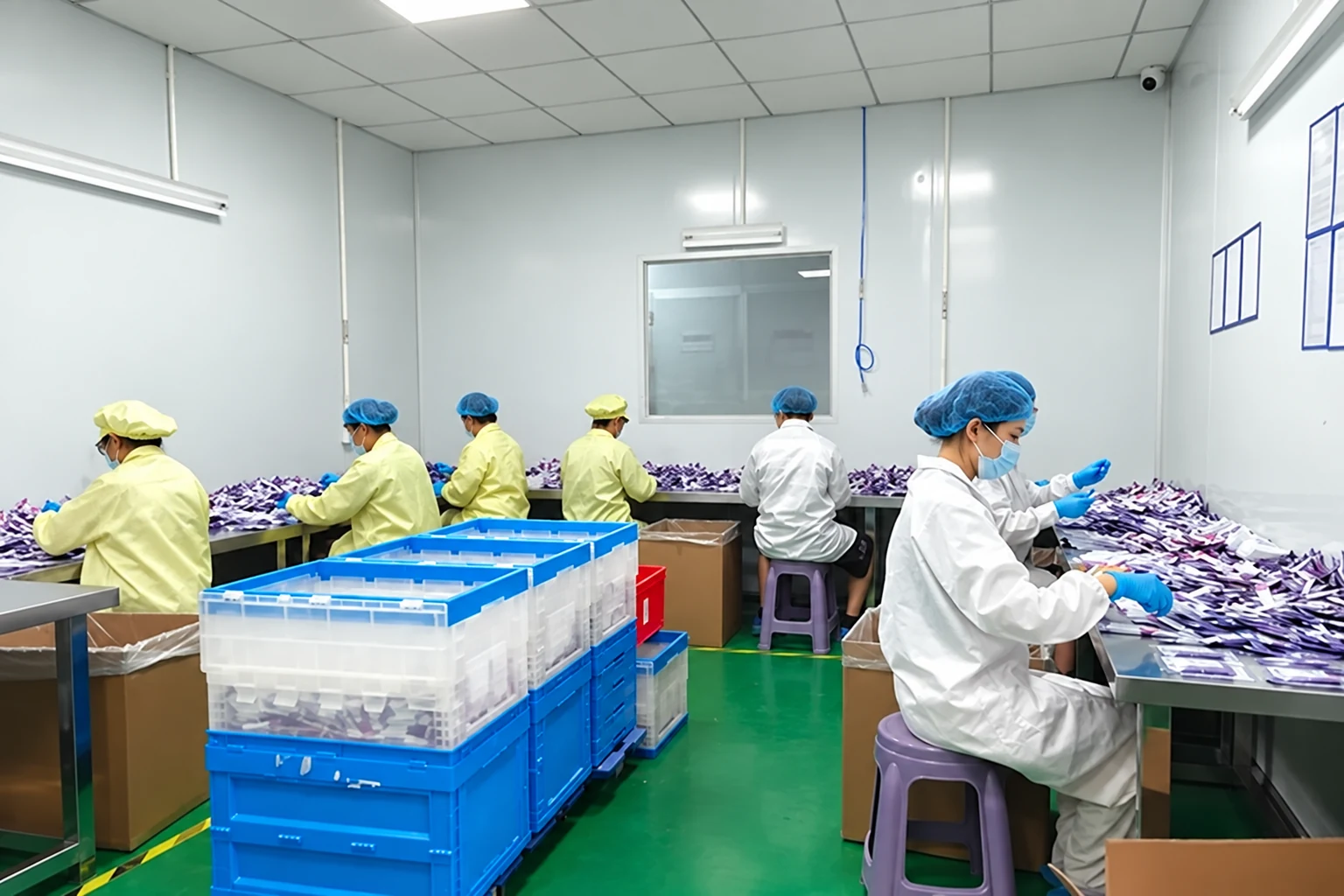
A supplier may outsource a specialist test or use an approved packing partner. That arrangement is not automatically unsuitable; the question is whether responsibility and records remain clear. Request the actual site address and legal entity for the relevant operation, together with the evidence that covers that activity. A group brochure or photograph of a clean room cannot establish that the quoted material is made at the pictured location.
Use the published OEM and ODM service description as an opening checklist for discussion, then obtain project-specific confirmation. Separate standard services from work that requires development, external approval or a different facility. A scope matrix can expose omissions before quotation revisions become expensive.

| Supply Role | Evidence To Request | Unresolved Point To Record |
|---|---|---|
| Dairy ingredient producer | Named grade, production site and controlled release specification | Which processing operations are performed at the named site? |
| Ingredient distributor | Original producer identity, lot records and storage arrangements | Can the delivered lot be traced through each transfer? |
| Formula blender | Approved bill of materials, batch instructions and blend release checks | Who approves an ingredient or formula substitution? |
| Contract packer | Artwork version, pack specification and coding verification | Who releases finished units and retains samples? |
Make Samples Answer A Defined Application Question
Use The Same Preparation Conditions For Every Candidate
For a powder intended for a drink, record the liquid, temperature, addition order, mixing equipment and observation time used in a screening trial. For another food application, define the relevant process instead. Keep the recipe and procedure consistent across candidates. These are proposed comparison conditions, not universal limits; the final acceptance criteria must match the product's own use and quality plan.
Connect The Demonstration Sample To A Routine Lot
Ask whether the sample represents ordinary production, a pilot batch or a special development preparation. Each can serve a purpose, but they support different decisions. A prototype establishes a direction for formulation work; it does not automatically qualify the routine supply process. Before committing to scale, request the evidence needed to connect the approved sample with a representative commercial batch.
When whey powder manufacturers offer a substitute grade after testing, treat it as a new technical decision. Compare the change against the approved ingredient specification and repeat the affected trials. A commercial assurance that the alternative is similar cannot replace the product team's assessment of composition, handling and application behavior.
Check Process Fit And The Evidence Behind Release
Facility capability must be evaluated against the proposed formula and operation. A tour or attractive factory image can help frame questions, but it cannot prove that the relevant controls work or that the specific production line is suitable. The most useful evidence describes how the supplier prevents, detects and resolves a defined failure.
Ask For Product-Specific Control Examples
Discuss ingredient verification, material segregation, cleaning, line clearance and prevention of unintended cross-contact with the responsible technical team. Request examples of controlled records appropriate to the proposed project, with confidential details removed if necessary. The aim is to understand the decision process and escalation path, not to collect a large folder of unrelated certificates or generic policies.
For tests used to release a lot, agree the sampling point, method, laboratory and rule for handling an unexpected result. Distinguish routine release checks from periodic verification and development testing. A report should identify its sample and scope clearly enough to determine whether it supports the shipment being considered. Questions about destination-market requirements should be resolved with qualified specialists for the actual product category.

The site's company and partnership information can identify claims to verify during this review. Apply the same evidence standard to every candidate. Do not convert an advertised service, a certificate logo or a laboratory image into a finding that a particular whey lot passed testing.
Carry The Approved Decision Into Packaging And Delivery
Control Artwork, Containers And Pack Changes Together
Agree the container or sachet specification, closure arrangement, artwork version and coding location. If a different pack is proposed, evaluate its fit with the product and the distribution plan rather than assuming that matching dimensions make it equivalent. Ask who approves the change and which checks must be repeated before the revised pack is released.
The published customization workflow is a starting point for defining responsibilities, not a substitute for an approved pack record. Retain the signed version and a clear revision history. If the label, formula and packaging files are approved by different people, give one person responsibility for confirming that the final versions belong together.
Require lot traceability through packing, warehousing and shipment. The supplier should explain how an input lot becomes a production batch and how that batch is represented on cartons or other shipping units. Repacking and split shipments should not break the chain. A useful exercise follows one selected lot in both directions and records any point that cannot be reconciled.

Compare Commercial Terms After Technical Boundaries Are Clear
A price comparison becomes meaningful when the offers include the same grade, pack, testing scope and delivery assumptions. Ask each candidate to separate development work, samples, testing, packaging setup and routine supply charges where applicable. Record what is included and what would trigger a revised quote.
Use Explicit Gates For A Supplier Decision
A staged decision prevents an attractive sample from becoming a premature full approval. Start with identity and responsibility, move to representative trials, then resolve release, packing and commercial conditions. Each gate should have a defined outcome: accepted, rejected or open with a named next action.
- Confirm the exact product and the organization responsible for supplying it.
- Approve the required documents and representative application trial.
- Resolve release testing, packaging and change-control responsibilities.
- Check lot traceability using an example that connects records to physical units.
- Authorize the first order only after material exclusions and open conditions are recorded.
The current product portfolio can help identify relevant formats and questions, but catalogue breadth should not replace these gates. Supplier approval belongs to a defined product, site and scope. A new formula or a materially changed supply chain may need additional review even when the commercial relationship is established.
Frequently Asked Questions
Does A Protein Powder Catalogue Confirm Whey Manufacturing?
No. A catalogue may show plant, collagen or bone-broth products alongside other supplements. Confirm the specific whey grade, source producer and actual manufacturing role in writing. A general ability to customize a powder does not establish ownership of dairy processing equipment.
Is A Certificate Of Analysis Enough To Approve A Supplier?
It is one piece of evidence. The report must match the relevant material, lot, specification and method, and the wider supplier review still needs to address process responsibilities, sample representativeness, changes and delivery. A report for an unrelated sample cannot release an order.
Should The First Sample Be Used As The Permanent Reference?
Only after its status and representativeness are understood. A development sample may need replacement by an approved routine-production reference. Record which characteristics are controlled by testing and which are compared to the reference, then define storage and replacement arrangements for that reference.
What Should An Initial Enquiry Contain?
Give whey powder manufacturers the intended application, required material category, proposed pack, estimated order pattern and evidence needed for evaluation. Flag unresolved points explicitly. A concise, consistent brief produces more comparable responses than a request for a generic best price.
For a proposed whey project, send the material category and application trial plan through NutriCDMO's project enquiry page and request written confirmation of sourcing, processing and release responsibilities.