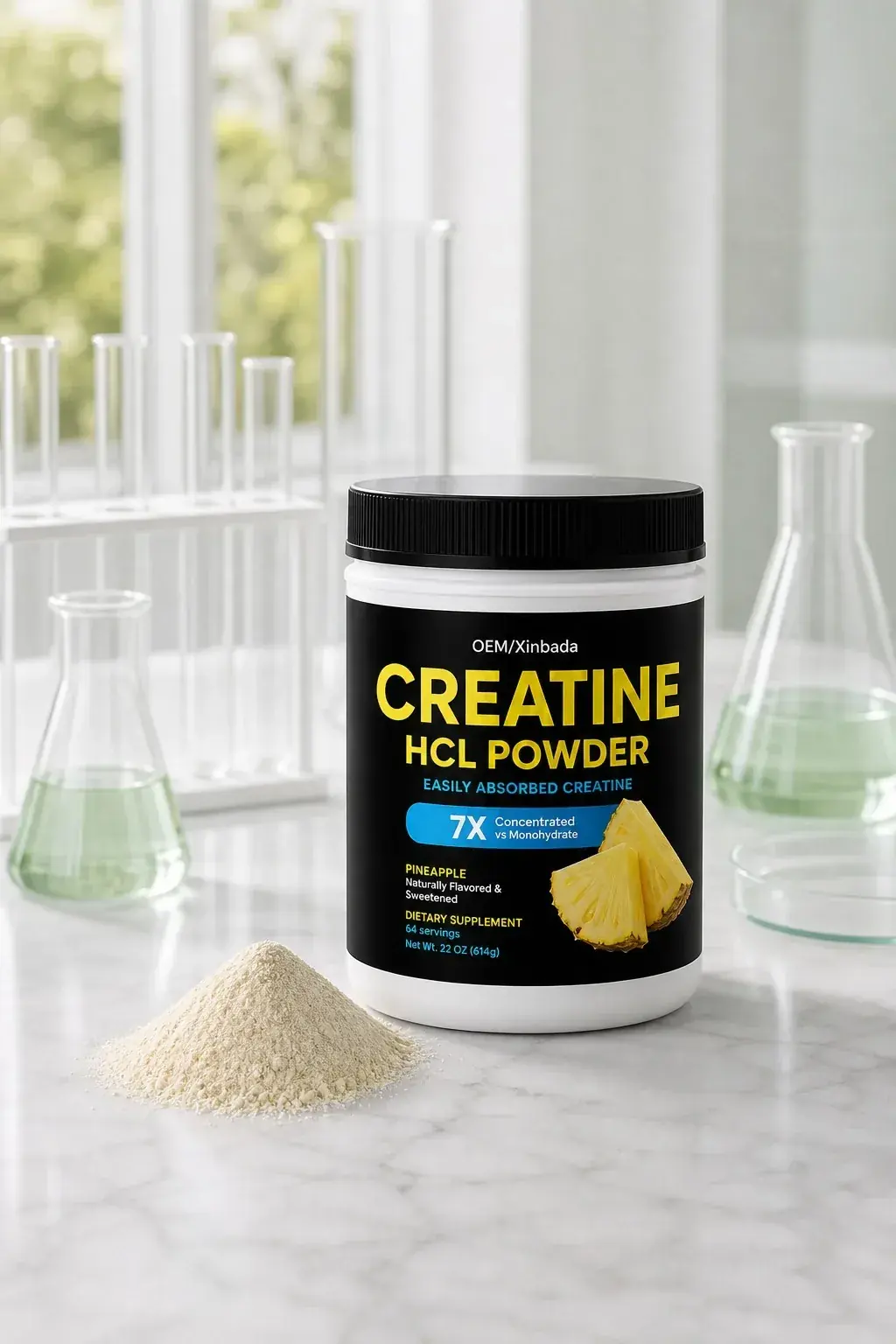
A whey protein manufacturing plant should be evaluated by the operations it performs, the materials it receives and the evidence linking each finished lot to those activities.
The phrase can describe very different facilities. One site concentrates a liquid dairy stream and dries it into an ingredient; another purchases protein powder, blends a formula and fills consumer packs. Both may contribute to a legitimate supply chain, but they answer different sourcing needs. A useful factory assessment starts by identifying that boundary before comparing equipment photographs, capacity statements or commercial terms. The company overview is useful background, while the facility boundary requires specific evidence.
Identify What Enters And Leaves The Facility
Follow The Ingredient Transformation
For an upstream processor, the central question is how a liquid dairy ingredient becomes a powder of defined composition. Depending on the feed and intended ingredient, the route can include separation, membrane concentration, further concentration and drying. The exact sequence must come from the facility's own process description. A photograph of a mixer or a packing conveyor does not establish that these upstream steps occur at the same address.
A practical first request is a one-page process flow showing received material, intermediate streams, finished output and any operation performed elsewhere. Attach the legal operator and site address to each stage. This makes it possible to distinguish an owned production line from a partner's line without assuming that either arrangement is unacceptable.
Recognize A Formulation And Packing Operation
A blending site begins with purchased powders or other ingredients. Its value may lie in weighing, mixing, flavor development, filling and packaging control. Those capabilities can be appropriate for a finished nutrition product even when the site does not concentrate whey itself. The evaluation should test the actual operation rather than penalize a supplier for failing to perform a process outside the proposed contract.
The distinction also changes the required evidence. A blender should connect an incoming protein lot to its formulation record and finished packs. An ingredient producer should explain the relevant raw stream and transformation controls. A trader arranging either service needs a clear chain of responsibility, including who approves changes and who investigates a complaint.
Use A Walkthrough To Test The Process Description
Match Rooms To The Stated Route
During an on-site or live remote review, follow the proposed route from receiving through processing, packing and storage. Ask the guide to identify which rooms are used for the quoted product and which belong to unrelated formats. Clean corridors and impressive machinery provide context, but they do not by themselves show that the requested material has been manufactured there.
Compare the walkthrough with the process flow supplied in advance. An absent step needs an explanation: it may be outsourced, temporarily idle or simply irrelevant to the product. Record the explanation beside the diagram instead of filling the gap with an assumption. A live review should also distinguish normal production from a demonstration arranged for visitors.

The public facility overview can orient an initial discussion. For qualification, the next step is to match each relevant claim to a named operation and current supporting record. The same standard should apply to any prospective supplier, regardless of how detailed its website appears.
Compare Evidence At The Correct Manufacturing Boundary
A whey protein manufacturing plant assessment becomes more useful when each question names an input, a controlled activity and an output. This avoids treating a general company presentation as proof of a specific line. The following matrix is a review aid, not a claim that every facility performs every listed activity.
| Declared Scope | Evidence To Connect | Question That Reveals A Gap |
|---|---|---|
| Liquid ingredient processing | Feed specification, transformation route and relevant production records | Which steps occur at this address, and where are the remaining steps performed? |
| Powder blending | Approved input lots, recipe version, weighing and mixing record | How is a substitution prevented or approved before material enters the batch? |
| Consumer-pack filling | Bulk lot, packaging version, quantity reconciliation and release decision | Can one finished pack be traced back to the bulk batch and packaging revision? |
| External testing | Sample identity, laboratory report, method and decision owner | Who confirms that the reported sample represents the lot being shipped? |
| Storage and dispatch | Inventory status, location history and dispatch authorization | What prevents a held or superseded lot from entering an order? |
Keep Capacity Statements Comparable
Capacity can refer to installed equipment, a trial run, a normal production schedule or output available after existing commitments. Ask which meaning is intended and for which formulation, pack size and operating pattern. A fast filler does not establish the capacity of the upstream mixing or release process. Avoid combining figures from different lines into a single unsupported promise.
Connect Sampling And Testing To A Release Decision
Trace A Sample To Its Batch
A report is useful only when its sample identity, test scope and lot reference are clear. Confirm who collected the sample, when it was collected and which material it represents. A development sample, a retained sample and a routine production sample can answer different questions. The report should not be treated as evidence for every future batch merely because the product name is similar.
For an incoming dairy ingredient, the review may need to reconcile supplier documents with the receiving site's own acceptance procedure. For a blended product, the formulation and sampling approach also matter. The appropriate test plan depends on the material and intended use; a generic list of analyses cannot replace a qualified assessment of the actual product.

Find The Person Who Can Hold A Lot
Batch release is a decision supported by records, not merely the existence of a laboratory report. Ask which role reviews results, deviations and packaging checks before shipment. The procedure should explain what happens when a result is missing, a document conflicts with a label or a process deviation remains unresolved. A production deadline should not silently redefine acceptance.
Discuss one anonymized example of a held batch and its disposition. The purpose is to understand the decision path, not to obtain confidential customer information. A supplier that can explain investigation, authorization and record retention gives a more assessable answer than one that only states that quality is important.
Review Packing As A Controlled Transfer
Reconcile Bulk Material With Finished Packs
The transfer from bulk powder to saleable units is a separate control point. Review how the bulk lot is identified, how the approved packaging version reaches the line and how remaining material is handled after the run. Quantity reconciliation should make unexplained losses or unexpected excesses visible rather than hide them in a general production total.
A demonstration can start with one finished unit and work backward through its packing record. The trace should connect the unit to the bulk batch, packaging components and release status. Then follow the same record forward to dispatch. This tests whether traceability works in both directions without assuming that a barcode or printed lot number alone makes the chain reliable.
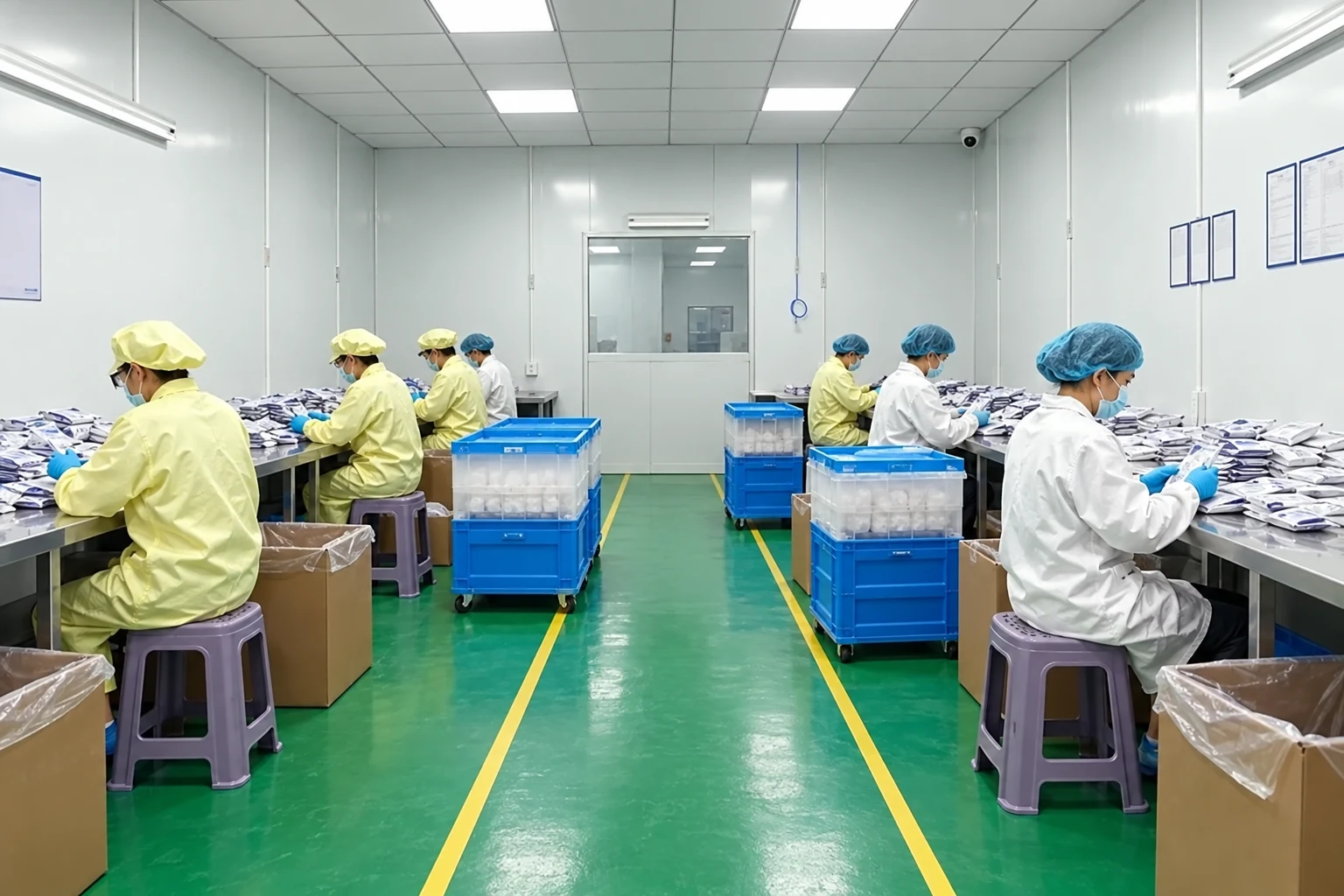
NutriCDMO's OEM and ODM service information describes formulation and packaging support. Those public statements can frame a scope discussion, but any whey-specific formulation, material source and manufacturing route still require direct confirmation. A general service offer should not be interpreted as evidence of upstream whey concentration or drying.
Check What Happens After Production
Separate Physical Stock From Available Stock
A warehouse can contain released, held, returned and development material at the same time. Ask how those statuses are controlled and how staff know which stock may be picked. Physical location is only one part of the answer; the order and inventory records should preserve the same status. A pallet's presence does not prove that it is available for shipment.
Storage requirements must come from the approved product and packaging specification. Inspect how handling damage, compromised seals or unsuitable conditions are reported and assessed. Do not infer a universal shelf life or storage limit from an unrelated product page. The supplier should identify the evidence supporting the conditions stated for the actual order.
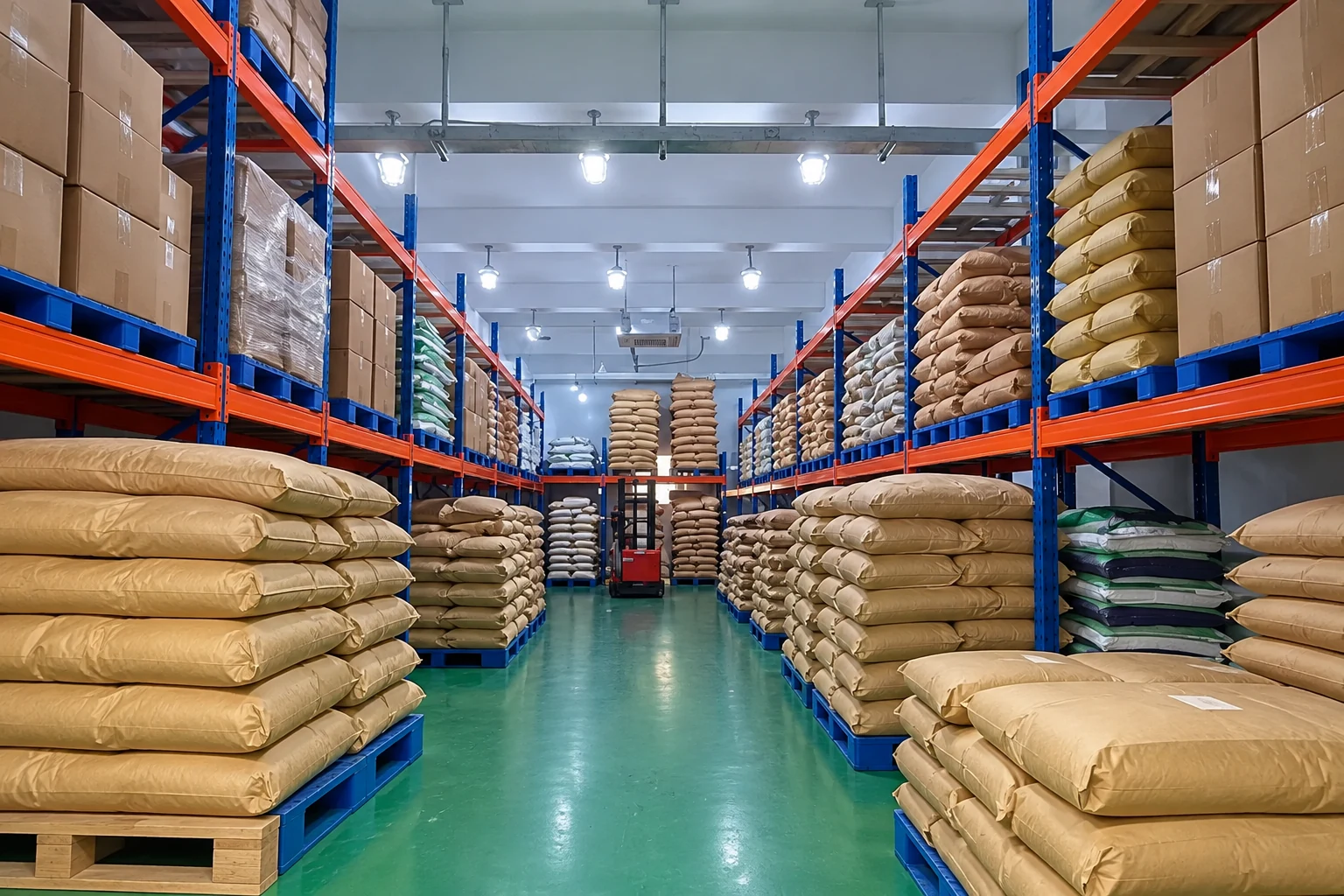
Dispatch records should connect the released lot to the shipment and preserve contact points for an investigation. Ask how a change in transport, repacking or a split shipment is recorded. The partnership overview provides commercial context, while a qualification review should establish the specific responsibilities accepted for the proposed supply chain.
Write A Qualification Conclusion With Explicit Limits
A useful conclusion separates demonstrated capability, documented but unobserved capability and unresolved claims. For example, a site visit may confirm a packing operation while leaving the ingredient producer's identity unverified. That is a specific open issue, not a reason to describe the entire supplier as either approved or unsuitable.
For a whey protein manufacturing plant, keep the final scope statement narrow enough to test: the material, operation, address, supporting records and responsible organization should agree. If the proposal changes from bulk ingredient supply to a flavored finished blend, revise the assessment accordingly. The same factory may be suitable for one scope and unproven for another.
The currently reviewed protein powder category did not establish a verified whey-specific product or an upstream dairy processing line. This limits what can be concluded from public pages; it does not establish that a custom project is unavailable. Facility and process images in this article are illustrative and should not be used as qualification evidence.
Frequently Asked Questions
Can A Blender Be A Suitable Manufacturing Partner?
Yes, when the intended scope is blending and packing purchased ingredients and the relevant controls are demonstrated. The key is to disclose that scope clearly, identify the ingredient source and confirm responsibility for testing, changes and finished-product release.
Does A Factory Photo Prove Whey Production?
No. A photo can show a room or piece of equipment but rarely establishes the material, operating date or complete route. Connect visual evidence to a process description, site identity and relevant records before using it in a qualification decision.
Must All Testing Be Performed In-House?
Not necessarily. External testing can support an assessment when sample identity, methods, report review and decision responsibility are clear. The question is whether the evidence supports the lot and specification, rather than where the instrument is located.
What Should Remain Open After An Initial Review?
Any claim that lacks a matching record, observed operation or accountable owner should remain open. Give each gap a concrete evidence request and avoid extending an approval beyond the material, site and activities that were actually evaluated.
Before advancing a facility assessment, use the contact page to request the proposed manufacturing boundary, ingredient-source responsibility and records needed to resolve the specific gaps identified in the review.