Qualified nutrition powder manufacturers should connect a representative pilot batch to agreed formula, process, packaging and release evidence.
A Useful Pilot Answers A Manufacturing Question
A pilot batch is useful when it reduces a specific uncertainty about production. A pleasant sample confirms that one preparation tasted acceptable; it does not establish that a larger batch will remain consistent through mixing, discharge, filling and storage. The supplier assessment should therefore start with the question the trial is meant to answer and the records that would change the approval decision.
Distinguish A Bench Sample From A Production Trial
A bench sample can help compare sweetness, color and flavor direction. A trial on representative equipment explores different issues: how ingredients enter the mixer, whether material flows through the intended transfer path, and how the blend behaves at the filling point. Neither type is inherently superior. Problems arise when the sample type is undisclosed or when evidence from one scale is presented as proof for another.
The OEM and ODM service overview describes formula and packaging customization. That is a starting point for defining who develops the recipe and who supplies materials. It does not establish that a particular process has already been demonstrated for the proposed formula. The trial plan should state which activities are included and which remain future work.
Give Each Trial A Decision And A Boundary
A practical approval statement names the formula revision, equipment route, pack format and observations needed to continue. For example, a trial might examine whether a selected blend can be transferred into the intended container without unstable fill weights. It should not simultaneously be called a complete demonstration of shelf life, transport durability and commercial-scale capacity unless those questions were actually studied.
Match The Trial To The Powder That Will Be Sold
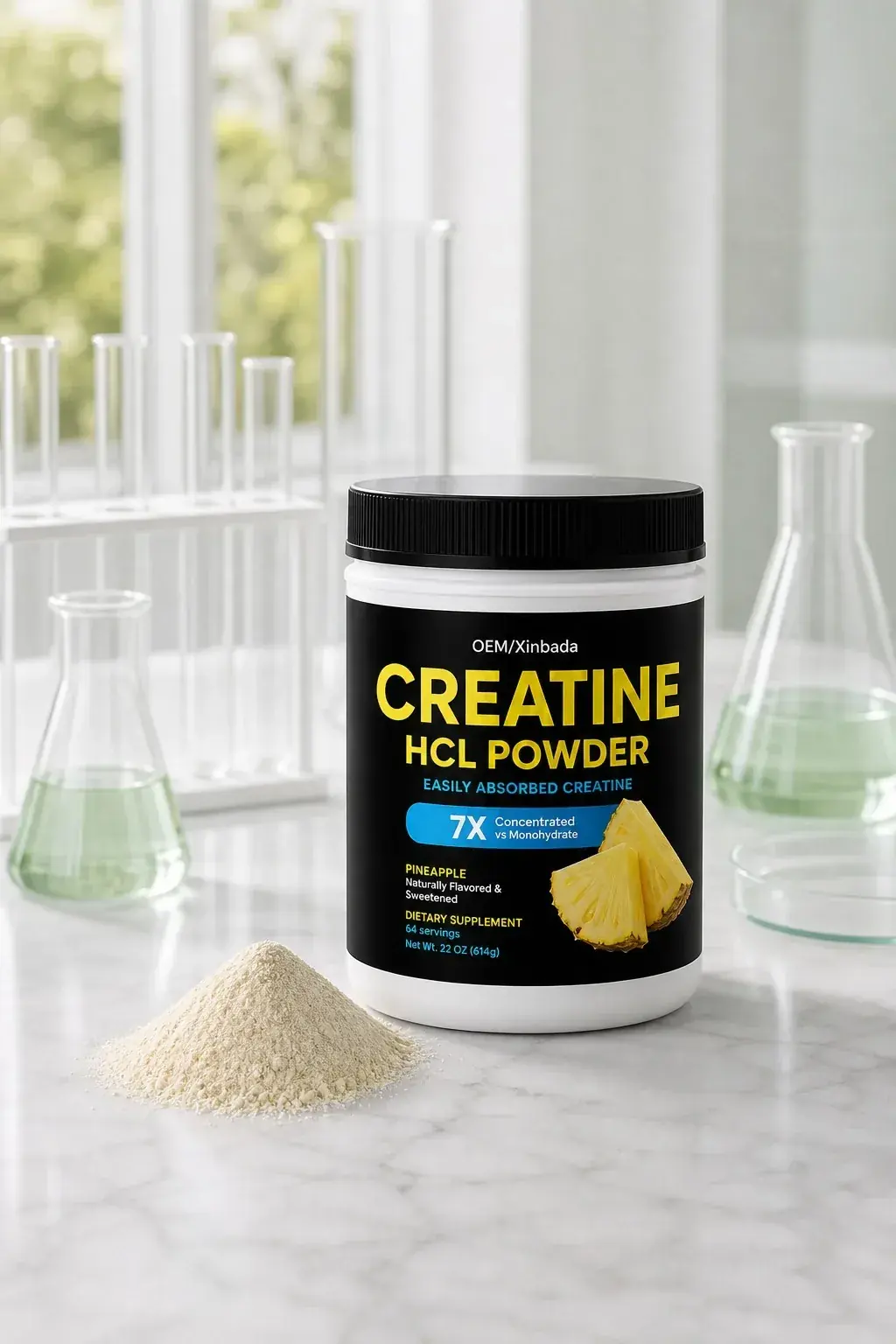
The trial must represent the actual product, not merely another powder that passes through similar equipment. Differences in ingredient loading, bulk behavior, flavor system and intended preparation can change the evidence needed. A photograph of a jar is useful for identifying a format; it cannot establish the composition or performance of the material inside a proposed order.
Use A Controlled Formula And Preparation Method
The approved formula should identify each component, its specification reference and the intended quantity. Ingredients with similar common names may differ in concentration, carrier, moisture or particle characteristics. A replacement made for availability should therefore be recorded and assessed before the trial. Otherwise, the sample being approved may no longer represent the intended commercial product.
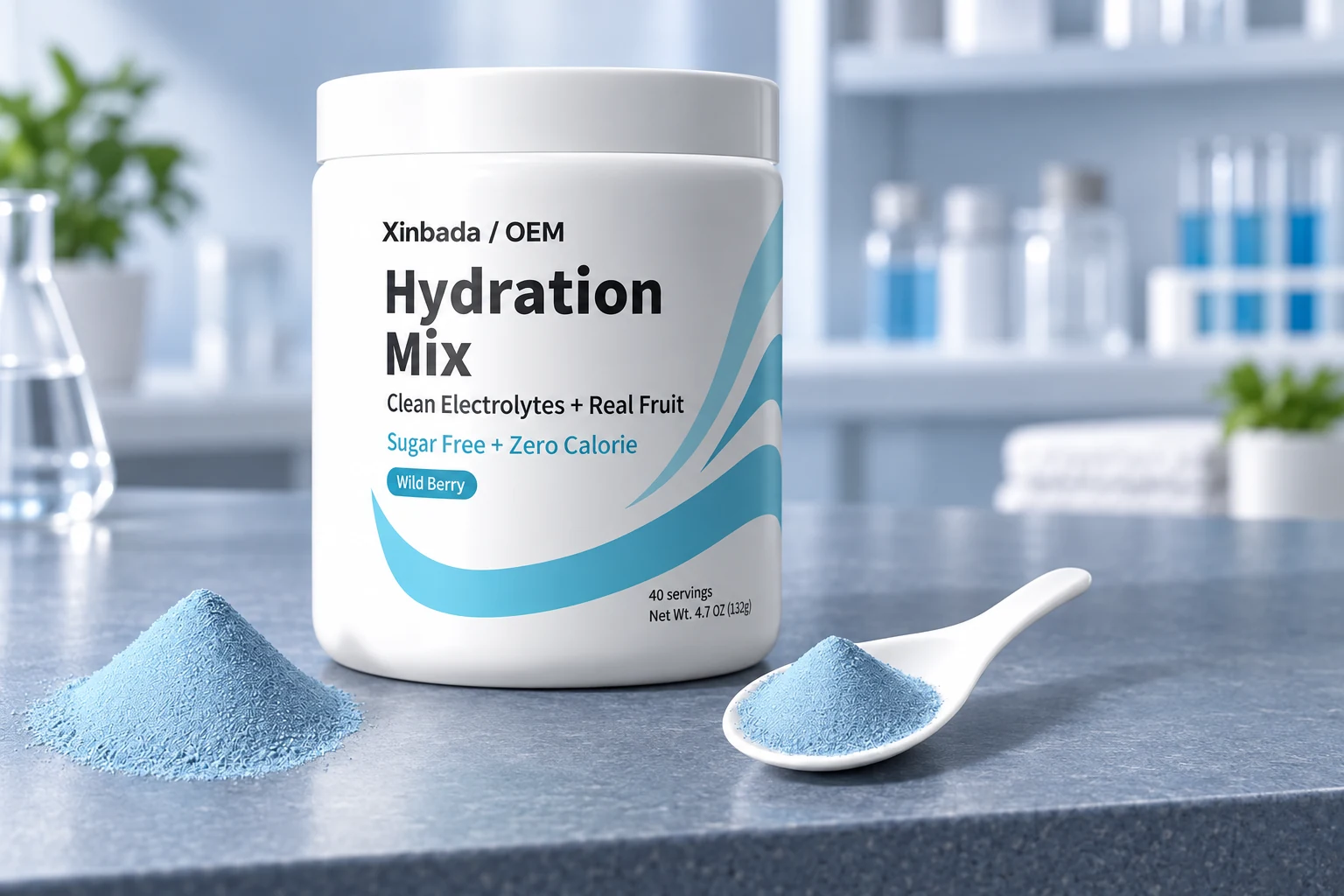
The catalogue includes a hydration-powder listing with a labelled jar and prepared-drink presentation. The dry powder shown in the related hydration format listing offers another packaging reference. Shared imagery does not prove that two listings have identical formulas; the order-specific specification must settle that question.
Follow Consistency Beyond The Mixer
A manufacturer should explain where blend uniformity can change along the proposed route. A sample taken before discharge cannot by itself describe material after a long transfer, temporary holding or repeated stops at the filler. The relevant question is whether the evidence covers the stages that may change the delivered product.
Place Samples Where They Can Reveal A Difference
Blend uniformity needs a sampling rationale that fits the formula and process. A single convenient scoop may miss variation across a batch or over the discharge period. The manufacturer should explain the sampling locations, timing, handling and analytical limitations. The plan should avoid turning a composite average into a claim that every portion has been demonstrated equivalent.
Record Stops, Holds And Material Movement
Transfer conditions deserve their own record. A blend may settle in a hopper, segregate during movement or form deposits at an outlet. The pilot should document significant holds and interruptions, including the condition of the first material released after restart. These observations help distinguish a mixing problem from a downstream handling problem.
Nutrition powder manufacturers should be able to discuss unfavorable observations without replacing them with a polished summary. An unexplained change in flow or appearance is information for the next trial. Its value comes from identifying the event and investigating the cause, not from retrospectively choosing only the most attractive samples.
Turn Laboratory Results Into An Approval Decision
Testing supports approval when the result can be traced to a defined sample, a suitable method and an agreed acceptance basis. A laboratory report containing numbers without this context may look reassuring while leaving the manufacturing question unanswered. Review the complete evidence chain rather than relying on a certificate's appearance.
Confirm What Was Tested And What Was Not
A report should identify the sample and relevant formula revision, the test method and the result units. The reviewing team should understand whether it describes raw material, a blend, a filled container or a stability sample. Those are different evidence boundaries. A result for one ingredient does not automatically describe the finished mixture.
For products marketed as dietary supplements, FDA guidance discusses established specifications, appropriate testing and documented manufacturing controls. Conventional foods can fall under a different framework. Product classification and destination requirements must be confirmed for the specific project; a general factory statement should not be treated as a blanket compliance conclusion.

The facility overview can help organize questions about available operations and laboratory support. Capability still needs to be connected to the proposed product, method and responsible party. When testing is outsourced, sample custody, report delivery and responsibility for interpreting an exception should be explicit.
| Evidence | Decision supported | Unresolved if missing |
|---|---|---|
| Controlled formula and material records | Whether the trial represents the intended product | Which ingredient version was actually assessed |
| Equipment and transfer record | Whether the operating route resembles the planned process | How scale or handling affected the result |
| Representative sampling rationale | Whether variation was examined where it matters | Whether an average hides a local problem |
| Filled-pack inspection | Whether the chosen container and filling process work together | Whether an attractive empty pack is suitable in use |
| Deviation and review record | Whether exceptions received an accountable disposition | Why a result was accepted, repeated or rejected |
Assess The Filled Package As Part Of The Process
Packaging compatibility includes the interaction between the powder, container, closure and actual filling conditions. A packaging drawing or supplier material description can identify the intended construction, but filled samples reveal additional questions. The trial should include the commercial format early enough for findings to influence the process.
Inspect Fill Behavior And Closure Conditions
Check how the powder enters the pack, whether residue reaches the sealing area and whether the closure is applied consistently. Record the conditions used to make the samples rather than assuming that one successful closure establishes a reliable operating window. Changes in pack size, film structure or closure design may require a separate assessment.
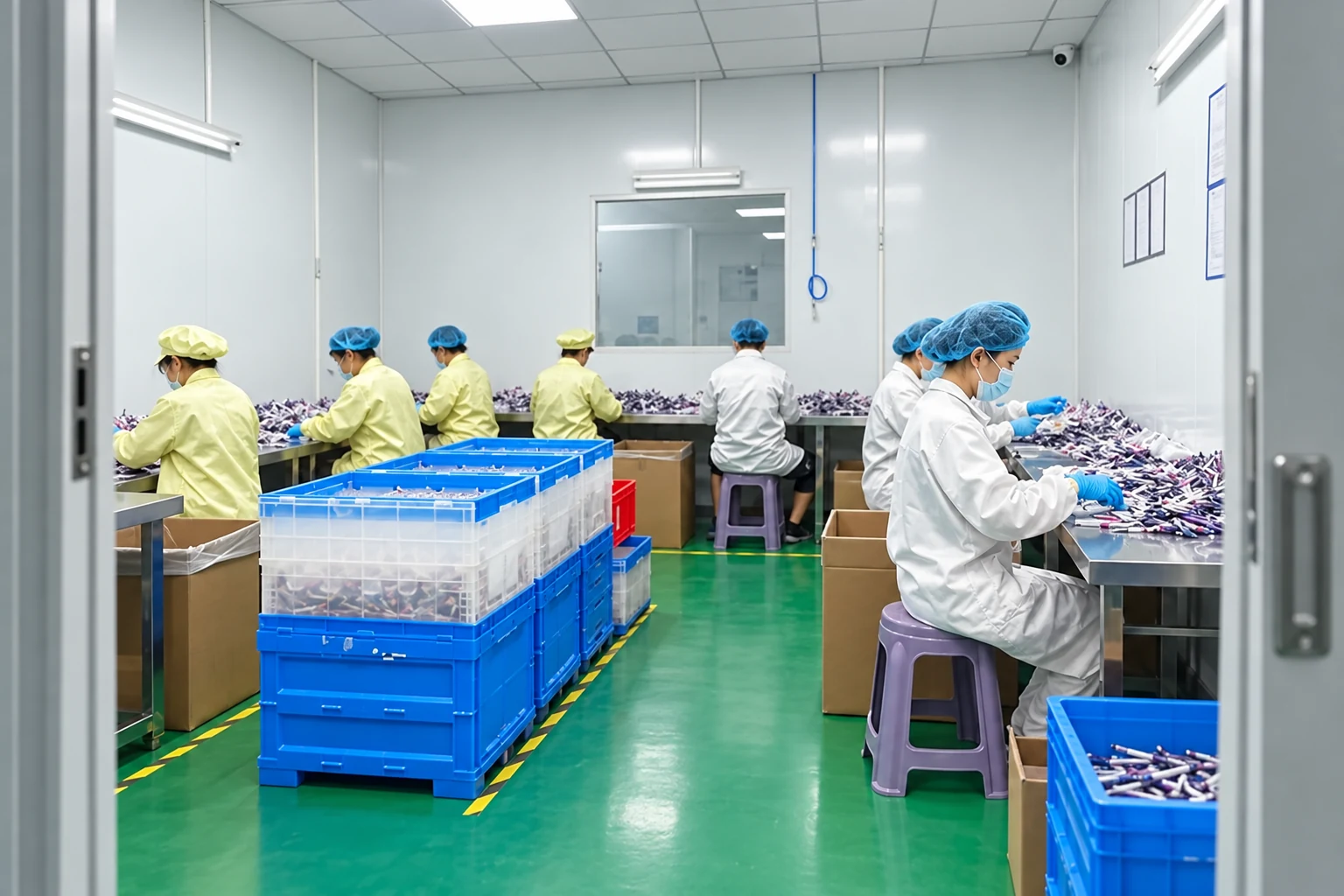
The same principle applies to retention samples. Keep enough identified material to investigate meaningful changes, and define how it is stored and accessed. A sealed pack kept under a known condition is more useful than an unlabelled jar on a shelf. Packaging compatibility and any proposed shelf-life statement require evidence suited to the actual formulation and container.
Ask What Changes When The Order Gets Larger
Scale-up is a review of changed conditions, not a multiplication exercise. Larger equipment, longer handling time or a different filling line can create a new process boundary. A sound supplier explains which pilot findings are transferable and which need confirmation at the next scale.
Map The Differences Before Accepting The Transfer
The transfer record should compare batch size, equipment loading, ingredient addition sequence, transfer route and packing duration. It should also identify changes in material suppliers or packaging. The important output is a list of differences with assigned review actions. A vague statement that the commercial line is similar leaves too much room for incompatible assumptions.
For nutrition powder manufacturers, storage and scheduling are part of this assessment. Materials may wait longer before use, and a larger order can require multiple lots of the same ingredient. The team should agree how lot identity is preserved, how partial containers are handled and which changes trigger a further review.

The company and service profile provides background for supplier discussions. It cannot replace order-specific evidence about the actual manufacturing site, subcontracted work or available capacity. Those responsibilities should be stated in the project record and revisited when the route changes.
Approve A Defined Outcome, Then Control Revisions
Approval is strongest when it states what is accepted, what remains open and who can authorize a change. A pass should reference the evidence reviewed, not merely the date on which a sample was liked. Conditional approval can be useful when a limited issue remains, provided the condition has an owner and a clear closure requirement.
Repeat-order control completes the evaluation. A supplier should identify the approved revision and communicate proposed substitutions, process changes or pack changes before implementation. The result sought is a reproducible evidence trail: the next order can be compared with the approved conditions, and a deviation can be explained without reconstructing the history from messages.
Frequently Asked Questions
Does A Small Trial Establish Commercial Capacity?
No. It can demonstrate selected behaviors under documented conditions. Commercial capacity also depends on equipment availability, scheduling, material supply and the actual production route. Those questions require separate evidence and should not be inferred from sample speed.
Is A Certificate Of Analysis Enough To Approve A Formula?
It is one part of the record. The sample identity, relevant specifications, method suitability and production context still need review. The report may cover only selected characteristics and cannot silently substitute for observations about filling, handling or preparation.
Must Every Powder Use The Same Trial Protocol?
No. The protocol should follow the risks and intended use of the particular formula. A protein blend and an electrolyte drink mix may need different preparation checks and analytical methods, even if both are sold in similar jars.
How Should A Changed Ingredient Be Handled?
Record the proposed change, compare the relevant specifications and assess its effect on the approved product and process. The extent of new testing should follow that assessment. A familiar ingredient name is not enough to assume equivalence.
What Should Remain After Pilot Approval?
A controlled formula reference, process and sampling records, packaging details, test results, exception decisions and the approved next step should remain accessible. Together they explain what was learned and which conditions future production is expected to reproduce.
A useful discussion with the project team can begin with the intended formula, pack format and the uncertainty the trial must resolve. Request a proposed evidence plan and an explicit account of which production conditions the trial will represent.