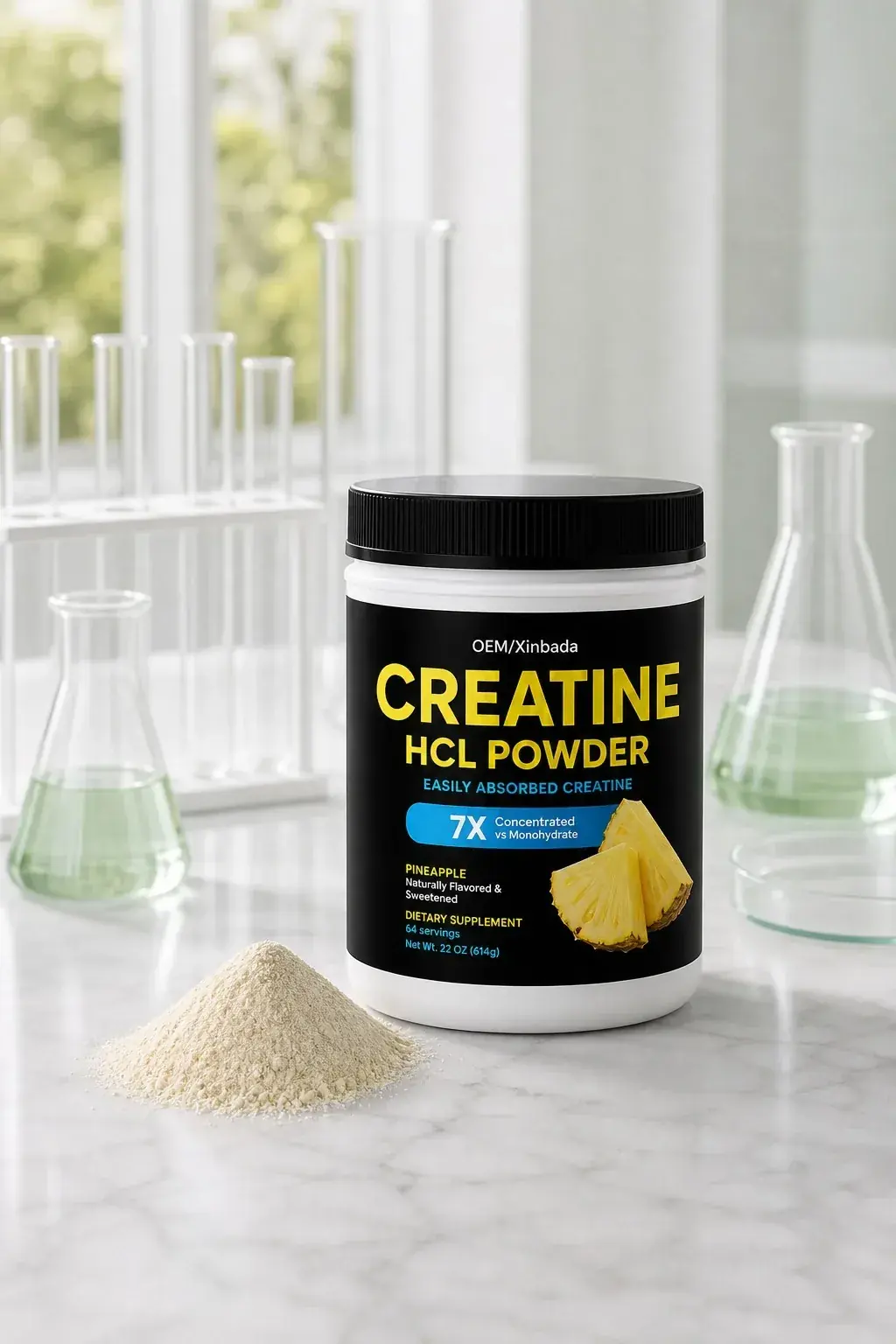
A protein powder container manufacturer needs a defined handoff between the empty pack, its closure and the filling process before a jar can be approved.
Separate The Empty Container From The Finished Product
The first decision is the scope being purchased. A company may mold a jar, source a matching cap, decorate the surface, fill the powder or coordinate all of those activities. These are separate responsibilities even when one commercial contact handles the order. A photograph of a finished supplement does not establish who manufactured its container.
Identify The Party Behind Each Component
The jar body, closure, liner, label and scoop can come from different sources. Each should have an identifiable specification owner and a change-notification route. If a packaging coordinator uses an outside converter, the production location and technical contact still matter. Otherwise a change in neck finish or liner material can arrive at the filling line without a clear person responsible for resolving it.
NutriCDMO's OEM and ODM service page provides context for finished-product development and packaging discussions. It should not be treated as independent proof of jar molding equipment, resin grades or a particular barrier performance. Those claims require evidence specific to the proposed component and the organization supplying it.
Use A Drawing To Resolve Fit Before Appearance
A controlled container drawing makes fit measurable. A catalogue image can suggest shape and decoration, but it cannot establish neck dimensions, opening clearance, base stability or tolerances. Samples become useful when they can be compared with the same revision used by the supplier and the filling team.
Define The Surfaces That Must Work Together
The neck finish meets the cap; the sealing land meets the liner; the base and body contact conveyors and guides. Those interfaces deserve explicit dimensions and acceptance criteria. A jar that looks correct may still run poorly if its base rocks, its label panel curves unexpectedly or its shoulder interferes with the filling nozzle. External height alone will not reveal these problems.
Closure compatibility is a property of the complete combination, including the liner and the applied process. Similar-looking caps are not automatically interchangeable. Trial the intended components together and document the method used to assess opening, resealing and seal integrity. Any numerical limits should come from the agreed pack specification and qualified process, not from a generic recommendation.
Connect Revision Control To Physical Samples
Keep an approved sample with its part code, drawing revision and approval date. A signed digital image alone may conceal dimensional differences, while an unlabelled physical sample may be impossible to connect to a purchase order. Both forms of evidence should refer to the same component version, including the cap and liner supplied with it.
Match Fill Mass To Usable Internal Space
Powder weight and container volume describe different things. Two blends with the same declared mass may occupy different volumes because particle shape, aeration and settling differ. The useful question is whether the actual formula can be filled, sealed, transported and used in the proposed pack without creating an avoidable handling problem.
Observe The Blend Under Relevant Handling Conditions
Evaluate representative powder after the handling steps expected before filling. A recently aerated sample can occupy more space than material that has settled. The trial should record the powder condition, fill method and time between filling and observation. A snapshot of an unusually compacted sample is a weak basis for choosing the smallest possible jar.
The mouth also has to support the intended use. A scoop needs space to enter and move, and the first opening should not release powder trapped against the seal. Headspace should therefore be agreed with the filler using the actual formula and accessories. A low apparent fill level is not, by itself, evidence that the declared mass is wrong.
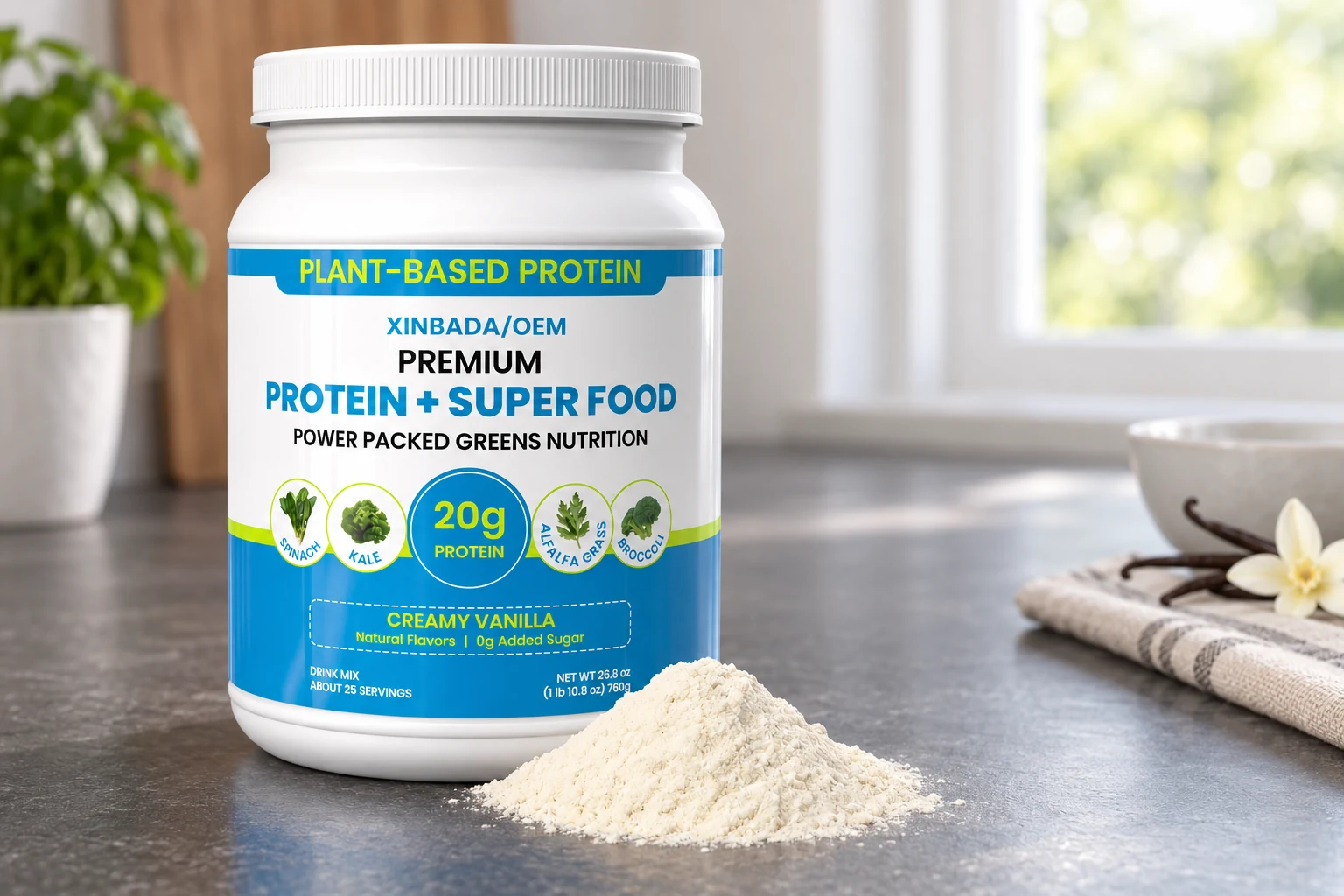
The site's plant-based protein meal powder page illustrates a jar and loose powder. Its visual proportions should not be converted into a bulk-density value or a packing instruction. Product-page examples help identify a format to discuss; the order-specific formula and pack specification must establish the working values.
Tie Material Evidence To The Intended Contents
Material documentation should describe the proposed component and its intended conditions of use. A general statement that a supplier makes food packaging is not enough to identify the material used in a particular colored jar, liner or closure. The evidence needs to remain connected to the parts that will actually arrive.
Check The Scope Of A Material Statement
The FDA's component-status guidance explains that substance identity, specifications and use limitations all matter. It also notes that a food-contact notification applies to the identified manufacturer and conditions. Accordingly, a copied reference number without a traceable material source does not resolve the suitability of a proposed pack.
For food contact review, describe the formula, expected storage and any relevant processing conditions accurately. FDA's food-type and use-condition categories distinguish dry solids by characteristics such as surface oil. The word powder alone does not establish that every blend has the same contact conditions. A qualified reviewer should connect the supplied documentation to the actual intended use.

A protein powder container manufacturer should also disclose the scope of material change control. A different color concentrate, lining construction or resin source can require review even when the outside appearance is similar. The approval record should state which changes trigger notification and which evidence must accompany the revised part.
Make The Filling Handoff Visible In One Record
The handoff is strongest when each open question has a named owner and an observable acceptance outcome. The following matrix is a practical structure for discussion, not a universal test method. It separates what an empty-pack supplier can demonstrate from what requires a trial with the powder and filling process.
| Interface | Component evidence | Filled-pack confirmation | Unresolved risk |
|---|---|---|---|
| Neck and cap | Matched part codes and dimensions | Closure application and opening observations | Loose fit or inconsistent sealing |
| Seal and liner | Identified liner construction and intended use | Seal performance under the chosen process | Unverified closure compatibility |
| Fill space | Internal geometry and usable volume | Actual blend, scoop and headspace trial | Powder fouling the sealing area |
| Decoration | Approved artwork and application area | Readable code and stable label after handling | Missing traceability or damaged instructions |
| Transport pack | Carton and divider specification | Representative packed shipping assessment | Damage that appears only in distribution |
Run The Intended Combination Through The Intended Process
A hand-filled sample cannot answer every question about an automated line. Guide rails, cap feeding, powder dust and line stops may expose issues that do not appear on a desk. Record which equipment, materials and settings were used, what was observed and what remained outside the trial. If the trial pack differs from the proposed order, explain the difference before accepting the conclusion.
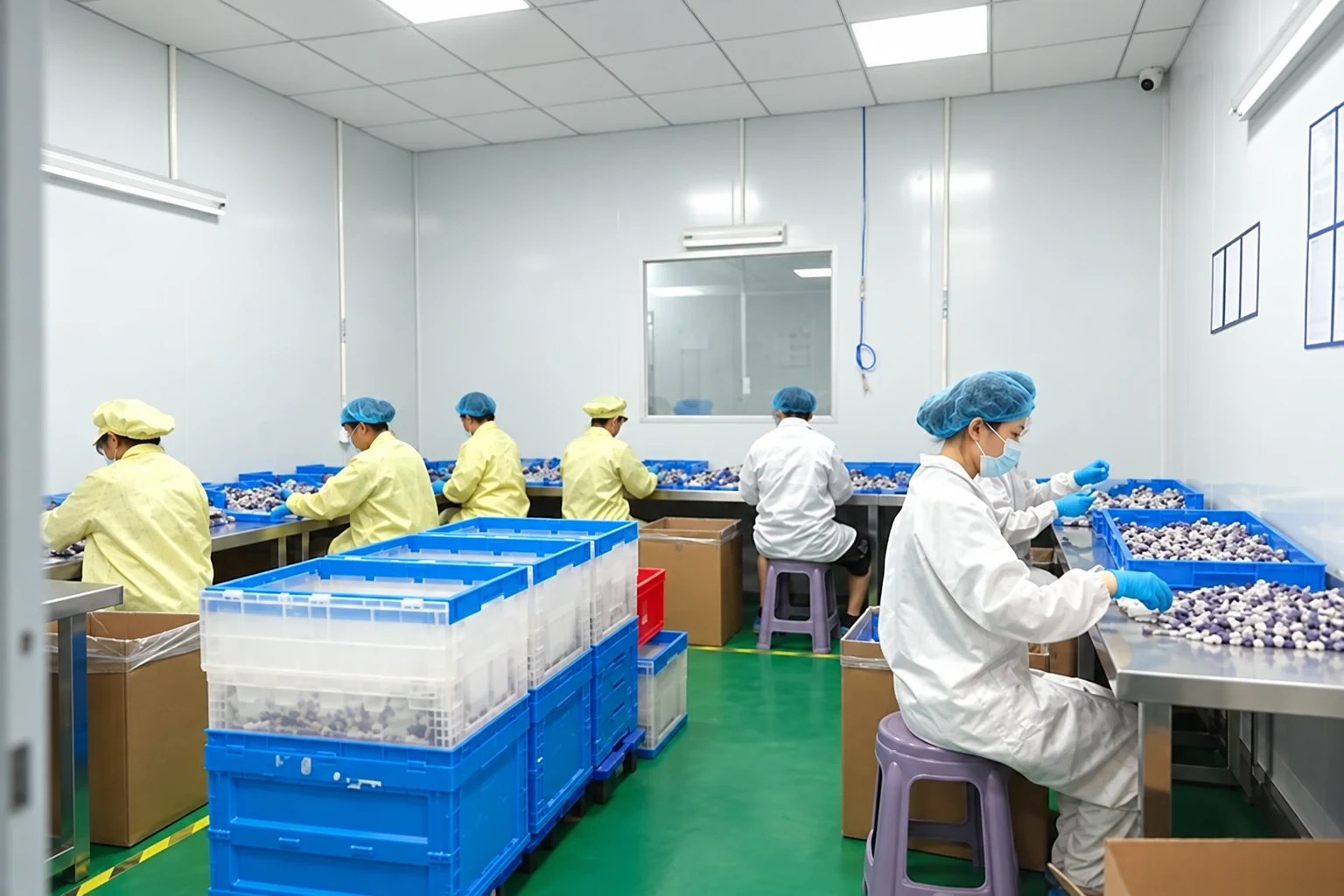
The facility information offers manufacturing context, while the actual trial record must show whether the chosen pack ran successfully. Photographs of a clean workroom cannot substitute for a documented evaluation of the jar-cap-liner combination. This distinction keeps supplier assessment focused on evidence relevant to the order.
Evaluate Distribution And Repeated Opening Together
A package has to remain useful after leaving the filling line. Handling can affect labels, closures and outer packaging, while repeated opening changes the conditions inside the jar. The assessment should cover the intended distribution route and ordinary use without promising a shelf life from appearance or material name alone.
Keep Shipping Damage Connected To The Component Lot
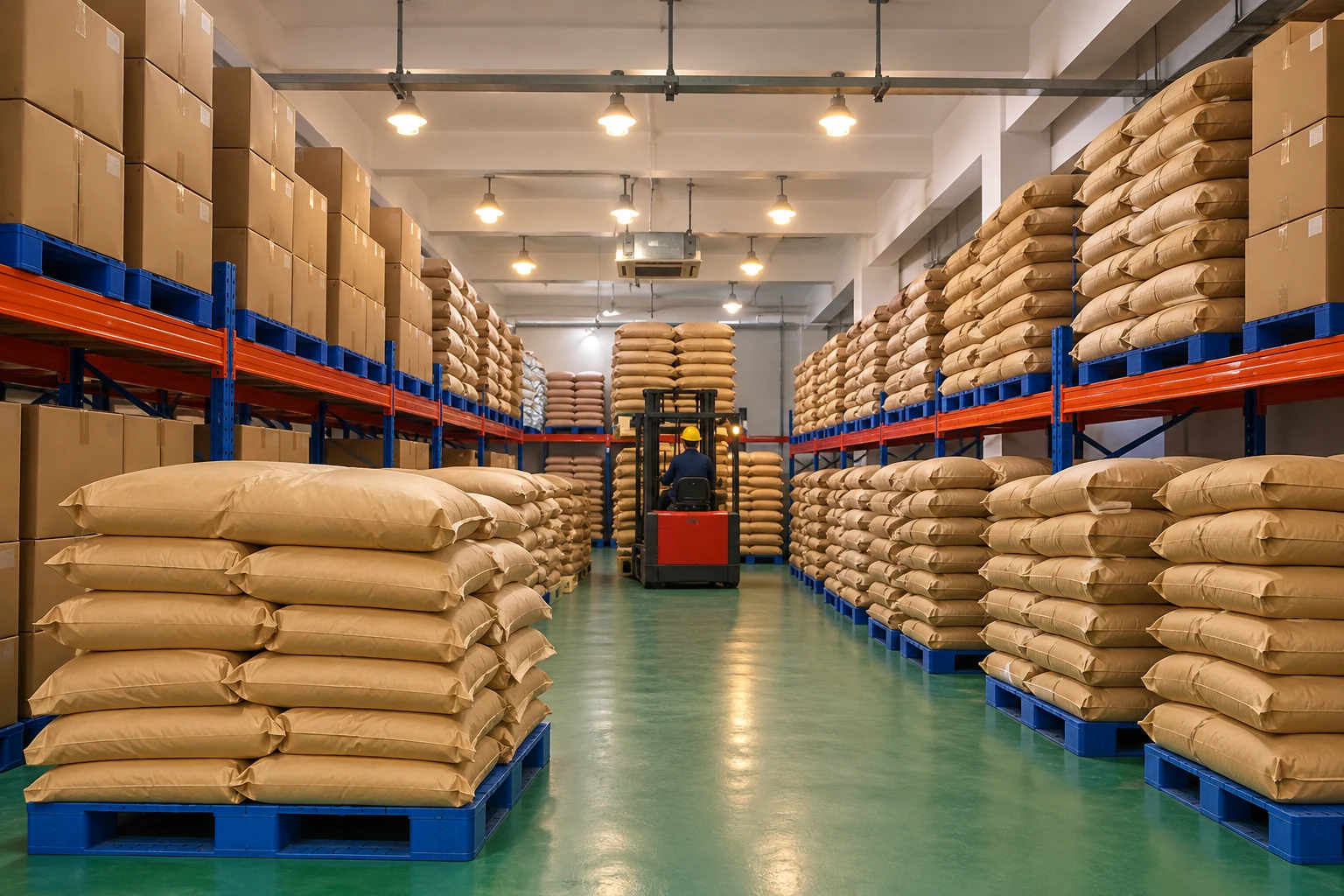
Inspect the transport configuration that will be supplied, including carton arrangement and any dividers. A loose sample mailed separately may experience different stresses from a palletized order. When damage occurs, retain the affected pack and record its component and filling references. That makes it possible to distinguish a jar issue from an outer-carton or handling problem.
Storage claims need their own evidence. A thick wall does not automatically demonstrate a specified moisture barrier, and an intact-looking seal does not establish stability for every protein blend. Where protection from moisture, oxygen or light matters, define the required performance and the assessment conditions before interpreting supplier data. The complete pack and product combination determines the relevant question.
Approve The Boundary As Well As The Sample
The supergreens protein powder example shows why a finished jar and a component specification serve different purposes. The visible label helps identify a presentation; the container drawing governs fit. Neither establishes the other. Procurement records should avoid turning a catalogue presentation into an unverified manufacturing promise.
For a protein powder container manufacturer, useful closing evidence includes the current parts list, approved revisions, trial observations, named release owners and a route for future change notices. Where molding is outsourced, that fact belongs in the record. Where the service is filled-product supply, the quotation should describe it plainly so responsibilities remain comparable.
Frequently Asked Questions
Can A Filled-Product Supplier Also Source The Jar?
Yes, a supplier may coordinate packaging as part of a finished-product service. The agreement should still identify the component source and approval responsibilities. Offering packaged powder does not automatically mean the same company manufactures the empty container.
Does A Larger Jar Always Give Better Protection?
No. Size affects usable space and handling, while protection depends on the complete material, closure and seal system under relevant conditions. Excess space does not substitute for evidence of barrier performance or product stability.
Is A Sample Cap Enough To Confirm The Match?
No. The cap should be evaluated with the intended jar, liner and application process. Matching appearance is only a starting point; the approved combination and its controlled part revisions establish what is being purchased.
Can Label Artwork Set The Required Jar Dimensions?
Artwork can constrain the desired panel area, but it must be fitted to an approved physical pack. Curvature, seams, coding space and handling all affect the result. A flat artwork proof cannot confirm how a label behaves on a filled jar.
What Should Happen When A Component Changes?
The supplier should identify the changed part and provide the evidence required by the agreed change process. The responsible reviewers then decide whether dimensions, material suitability or filling performance need reassessment before the revised component is released.
For a packaging discussion through the site contact team, share the formula format, intended fill mass, current part drawings and the responsibilities already assigned. The useful next response is a clear scope and evidence gap list before sample approval.