Reliable whey protein powder suppliers connect an approved sample to repeatable specifications, lot evidence, and a controlled repeat-order process. A good first sample establishes a reference point; it does not establish that the next shipment will behave the same way. Evaluation becomes more useful when each claim is tied to an identifiable product, a test method, and a decision that somebody can repeat.
Establish What The Supplier Is Actually Offering
Separate A Product Family From A Confirmed Formula
A protein category can include dairy ingredients, plant blends, flavored finished powders, and unrelated supporting products. These are different sourcing propositions. An ingredient processor, a blender, and a packing service may each contribute value, but their evidence should match their role. Record the legal product name, formulation version, manufacturing location, and the activity performed by each party before comparing commercial offers.
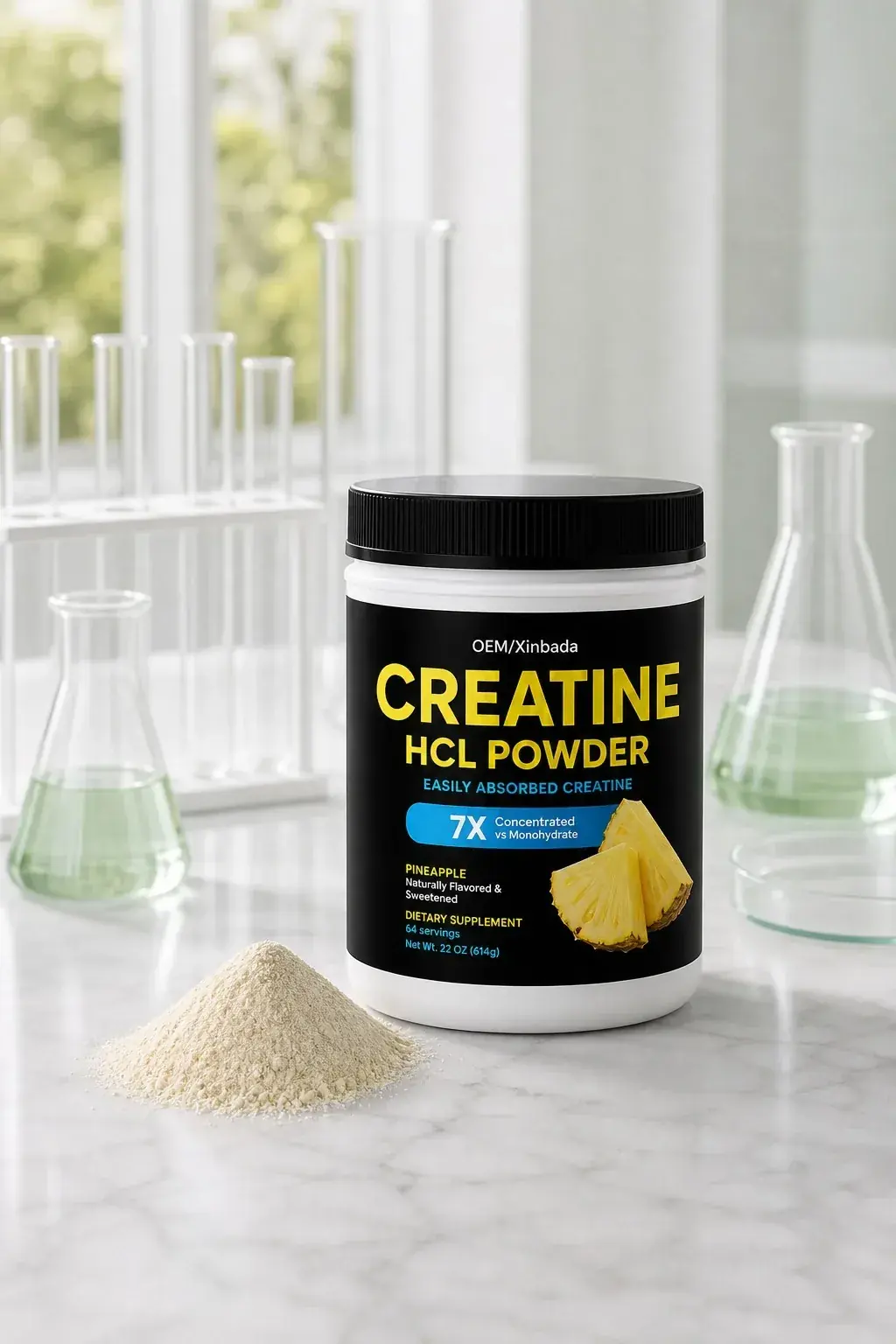
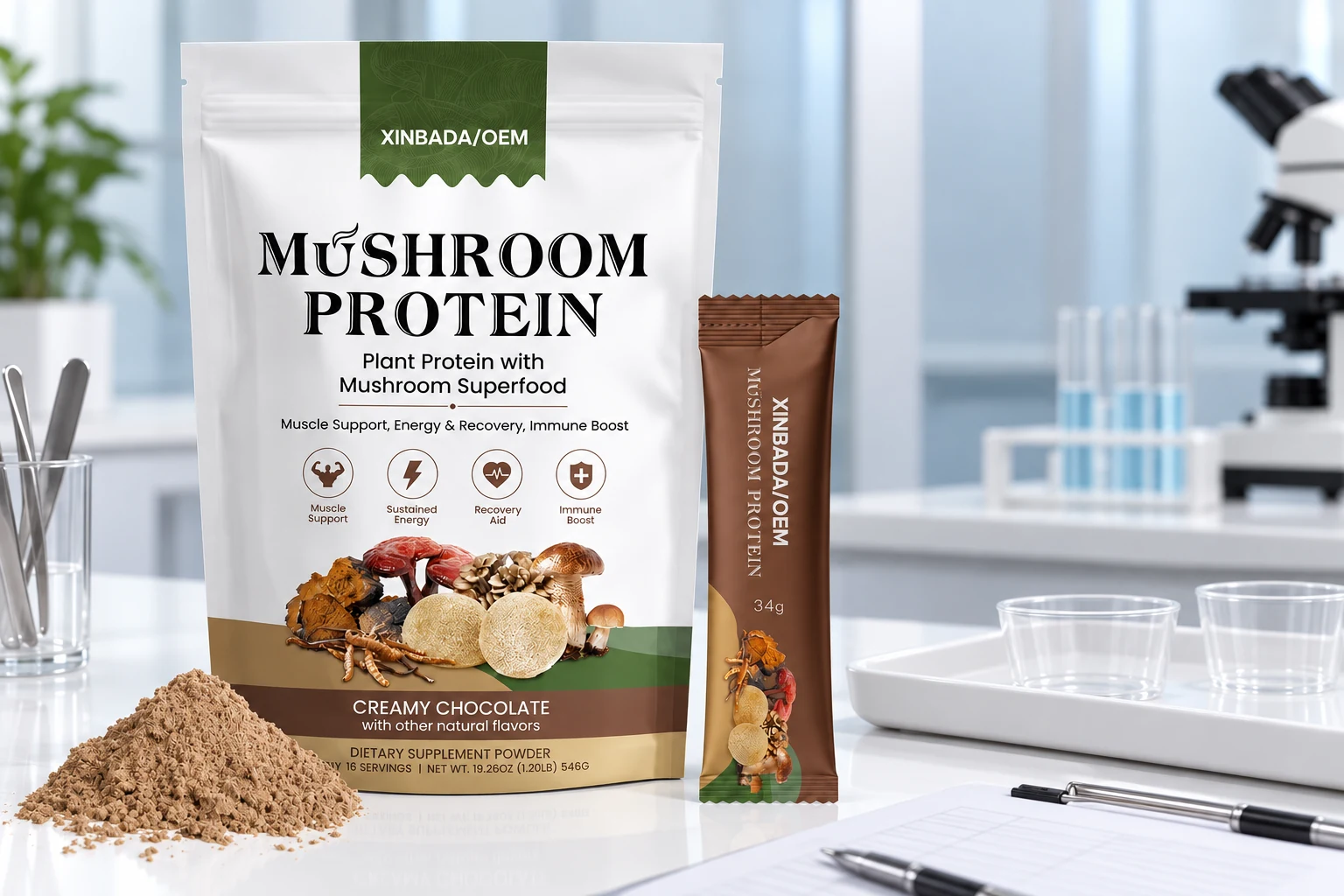
The host site's complete product catalogue is a useful starting point for this distinction. Its published plant and mushroom protein example identifies a plant-based product; it does not demonstrate whey availability or dairy-processing competence. Public wording and gallery packaging can describe different presentations, so obtain a current product-specific specification rather than combining details from separate fields into a new claim.
Define The Basis Of Every Protein Figure
Protein specifications need a named analytical method, reporting units, and a clear basis. A value on a dry-matter basis cannot be compared directly with a value reported on the product as supplied without accounting for moisture. Likewise, a raw ingredient's protein percentage does not automatically become the finished blend's percentage after flavorings and other ingredients are added. Ask for the calculation and report that support the offered formula.
ADPI's published isolate standard illustrates why definitions and reporting bases matter. It distinguishes the ingredient from general protein claims and presents composition alongside other quality characteristics. Its figures are ingredient context, not proof that a particular supplier or finished product meets them. The purchasing specification should state the applicable document version and agreed limits instead of relying on a category name alone.
Make The Sample A Reproducible Reference
Record Preparation Conditions Before Judging Performance
A sample that disperses well in warm water may behave differently in a cold drink or a more concentrated recipe. Record powder mass, liquid volume, liquid temperature, mixing equipment, mixing time, and the delay before observation. Define whether the assessment concerns floating particles, sediment, foam, mouthfeel, or flavor. These observations answer different questions and should not collapse into a single undocumented comment that the sample is acceptable.
Use the same preparation procedure for subsequent lots and retain a dated reference record. Photographs can document visible dispersion under fixed conditions, but they cannot establish protein content or microbiological quality. Where a new formula is being developed, the site's OEM and ODM service description can guide questions about development responsibilities; the actual trial plan still needs written agreement for the exact product.
Distinguish A Development Sample From A Production Lot
Ask how the sample was made and whether it represents the intended production route. A small bench blend, a retained commercial batch, and a pilot run offer different levels of evidence. Record the sample code, preparation date, formula revision, pack format, and source lot. If the production route changes after approval, decide which attributes must be checked again rather than treating the original approval as permanent.
Read Test Evidence As A Connected Record
Match The Report To The Delivered Material
A certificate of analysis should identify the material and the lot to which the results apply. Check that the sample identity, test date, method, units, limits, and release decision fit the agreed specification. A generic example certificate may show a reporting format, but it does not describe the material awaiting shipment. When testing is subcontracted, clarify who sampled the material and how the sample reached the laboratory.
For whey protein powder suppliers, the useful distinction is between receiving a document and establishing that its results can be relied upon. A historical FDA supplier-control enforcement example highlights the weakness of accepting a certificate without establishing its reliability. For the purchasing decision, an agreed verification plan should explain which results are checked independently, when that happens, and what triggers a review of the supplier's reporting.
Look For Variation Across Lots And Methods
Review results from multiple relevant production lots when the supplier can provide them, with confidential customer details removed. Compare like with like: the same product revision, reporting basis, and method. A run of values close to a limit deserves a different conversation from a stable pattern with adequate margin. Do not invent an acceptable variability range; ask the technical team to justify the range for the intended application.

Compare Evidence Gaps Before Comparing Price
A short evidence matrix makes supplier qualification easier to review across technical and commercial teams. The matrix should identify a missing record and the decision it prevents. It should not reward the largest document bundle or count generic brochures as equivalent to product-specific evidence. The following questions can be adapted to a single formula and pack format.
| Decision | Evidence To Request | Unresolved Gap | Practical Next Check |
|---|---|---|---|
| Is the offered material the required product? | Current formula or ingredient specification and responsible manufacturing party | Only a broad category page is available | Confirm product identity before approving a sample |
| Can sample performance be repeated? | Sample origin and a documented preparation procedure | Sample conditions or production route are unknown | Run a traceable comparison under fixed conditions |
| Do results describe the shipment? | Lot-linked report, methods, limits, and release approval | Certificate refers to another lot or unspecified material | Reconcile identities before release |
| Can a later complaint be investigated? | Retention policy and links between material, blend, pack, and dispatch records | Only an invoice number can be retrieved | Walk through one example trace exercise |
| Will changes remain visible? | Change notice, impact review, and approval responsibilities | Substitution can occur without notification | Agree triggers before repeat orders |
Test The Handoffs That Can Change A Repeat Order
Connect Ingredient Changes To Reapproval
A new raw-material source, flavor system, blending sequence, or packaging component can affect the reference product. Agree which changes require notification, what supporting evidence accompanies the notice, and whether a fresh sample or trial is needed. The purpose is to make decisions visible before dispatch. A blanket statement that the formula is unchanged is insufficient if the inputs or processing route have changed.
Review the published facility information as a source of questions about actual responsibilities, equipment, and records. Images of a vessel or production room do not prove that a particular formula was made there. Ask the supplier to explain how the proposed process links to the approved sample and how line clearance, material checks, and release review are recorded for the order.
Assign Release Authority And Exception Handling
Define who may release a lot and who can approve a deviation. Commercial pressure should not silently replace the agreed technical criteria. If a result or package check falls outside the specification, the record should show the issue, investigation, proposed disposition, and responsible approval. It should also make clear whether the material can ship, needs rework, or must remain on hold.
The site's company and partnership overview gives background for identifying contacts, but working responsibilities need names or functions in the actual project record. Include an escalation route for missing documents, late results, damaged packaging, and specification disagreement. A practical route shortens uncertainty without lowering acceptance requirements.

Preserve The Evidence Through Storage And Reordering
Batch traceability should remain usable after the goods leave the blending or packing operation. Check how ingredient lots connect to a finished lot, how split shipments are recorded, and how pack codes link to dispatch documents. A trace exercise can start with one sealed pack and work backward to the release record, then forward to the deliveries that contain the same lot. Record how long retrieval takes and which links are missing.

Reassessment need not restart every decision. Maintain a concise approved baseline and review changes against it: specification revision, sample reference, verification plan, packaging version, and release responsibilities. When comparing whey protein powder suppliers for a repeat order, the strongest evidence is a clear explanation of what stayed constant, what changed, and how that change was evaluated.
Frequently Asked Questions
Does A Protein Powder Catalogue Confirm Whey Supply?
No. A catalogue establishes that products are publicly presented, but the exact protein source, formula, manufacturing role, and current availability need confirmation. Plant-protein packaging should not be treated as proof of a dairy product. Review a current specification for the proposed material.
Is An Approved Sample Enough To Place A Repeat Order?
It is a reference, not the complete acceptance system. A repeat order also needs an agreed specification, a link between the sample and production route, shipment-specific release evidence, and a process for notifying changes. Keep the reference conditions available for later comparisons.
Why Can Similar Protein Percentages Describe Different Materials?
Results may use different reporting bases, methods, moisture assumptions, or formula compositions. Compare the underlying records before comparing the headline numbers. A finished flavored blend and an unflavored ingredient should not be treated as interchangeable merely because both use a protein claim.
What Should Happen When Two Test Reports Disagree?
Retain both reports, confirm lot and sample identity, and examine methods and preparation conditions. Follow the agreed discrepancy process with an authorized technical decision. A replacement report without an explanation does not resolve the original disagreement.
What Is The Most Useful Next Step For An Incomplete Offer?
Identify the single missing record that prevents the next decision. It may be product identity, sample provenance, a lot-specific result, or written change control. Request that evidence in context rather than asking for an unlimited set of certificates that may not concern the product.
For an evidence-based discussion with whey protein powder suppliers, send the exact formula or ingredient brief, intended preparation conditions, pack format, and unresolved acceptance questions through the product enquiry channel. Ask for confirmation of the specific dairy product and the records needed to evaluate it before treating a portfolio example as an approved supply option.