Wholesale whey protein suppliers should be evaluated by how reliably each released lot becomes a traceable, sale-ready distributor unit. A laboratory result can be acceptable while the commercial order is still unready: labels may not match the destination, pallet identities may not reconcile, remaining shelf life may be unclear, or a change may reach the warehouse before the buyer approves it.
This guide is for U.S. importers, wholesalers, and trading teams that must connect supplier evidence with receiving, inventory, customer delivery, complaints, and recall readiness. It is a purchasing framework, not a claim that any pictured item is whey protein or that a specific supplier satisfies a legal requirement.
Define The Unit A Distributor Can Actually Release
The factory may release a manufacturing batch, but the distributor handles cases, pallets, warehouse locations, customer orders, and sometimes relabeled units. Qualification should therefore define a release unit that can be followed from the approved specification through the shipped package. Product name alone is insufficient when grade, source, pack count, artwork version, and destination differ.
Freeze Commercial Identity Before Price Comparison
Record the controlled item code, grade, source, intended use, package format, net quantity, destination artwork, shelf-life basis, storage conditions, and minimum remaining life on arrival. The purchase order should point to dated specifications and approved artwork. If the quotation uses a marketing name, map it to the controlled item rather than allowing the name to stand in for technical identity.
Keep Product-Family Context Separate From Lot Proof
A category page, factory photograph, capability deck, or representative package can explain what a business offers. None proves the composition, identity, status, or test result of the received shipment. The distributor's supplier qualification file should label family-level context separately from documents tied to the actual lot and shipped units.
Connect Supplier Release To Inbound Receiving
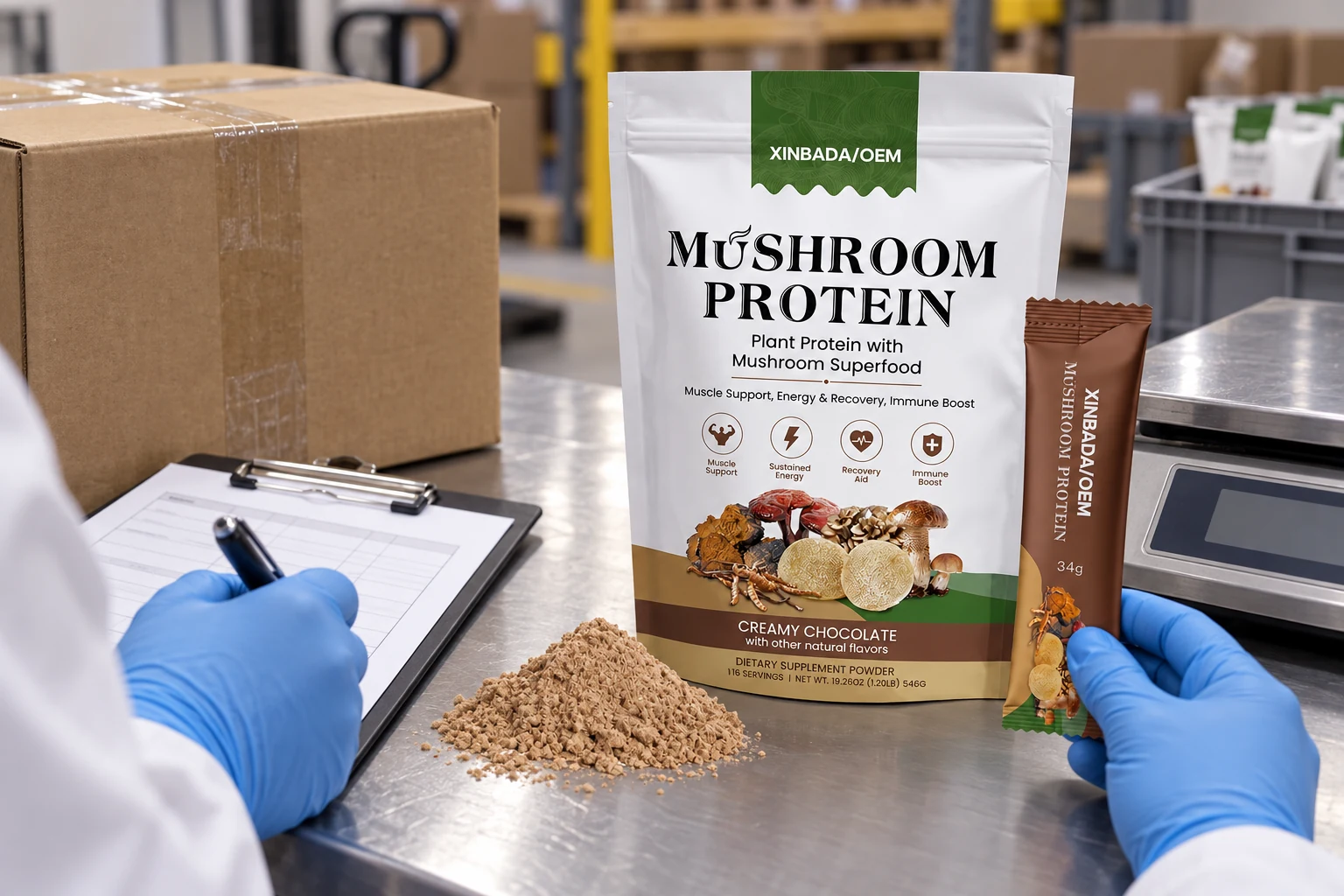
Receiving is the first point at which paperwork meets physical goods. The team should compare purchase order, packing list, lot code, case count, seal condition, transport condition, certificate reference, and approved package version before stock is made available. A complete email folder cannot compensate for a pallet that cannot be matched to it.
Use One Lot Key Across Every Handoff
FDA food-traceability materials emphasize traceability lot codes and records associated with movement through the supply chain. Whether or not a particular product falls within a specific rule, the operating lesson is useful: one stable key should connect supplier documents, receiving records, warehouse status, samples, customer shipments, returns, and investigations. Internal relabeling should preserve the relationship rather than replace it.
Put Ambiguous Material On Hold
Define stop rules before trucks arrive. A missing certificate, mismatched lot, broken seal, unapproved artwork, short remaining life, temperature concern, mixed pallet, or unexplained quantity difference should create a visible hold. The rule should name who investigates, what evidence is needed, and who may authorize disposition so urgency does not silently become approval.

Build A Distribution Release Pack For Every Lot
The distribution release pack should be compact enough to use and complete enough to defend the decision. It normally includes the purchase specification, supplier and facility identity, purchase order, packing list, certificate, relevant test method references, package approval, lot mapping, receiving record, deviation status, and release authorization. Extra files that cannot be connected to the decision add volume rather than control.
Reconcile Documents Before Releasing Inventory
Check that the certificate describes the agreed grade and carries the same lot or an explicitly documented mapping. Verify that methods, limits, units, dates, and approvals match the specification. Then reconcile the released quantity with received quantity, quarantine, samples, damage, and usable stock. This is the practical core of lot traceability: the record must lead to the inventory and the inventory back to the record.
Distinguish Test Completion From Commercial Readiness
A passing result addresses only the attributes tested under the stated method. Commercial release also depends on identity, packaging, labeling, status, remaining life, shipping condition, change approval, and contract requirements. The same-site OEM/ODM overview provides capability context, while a buyer's release pack must define the evidence required for the specific SKU and destination.

Plan Shelf Life And Inventory Status As One System
Wholesalers do not merely receive goods; they allocate them over time. Minimum life on arrival should reflect customs, testing, quarantine, transfer, customer delivery, and the customer's own usable-life requirement. A long stated shelf life offers little protection if production date, release date, arrival date, and expiry basis are not consistently recorded.
Use FEFO With Customer-Specific Constraints
First-expired-first-out is a starting rule, not a complete allocation policy. Some customers require a minimum remaining life, specific pack revision, origin, test set, or pallet configuration. The warehouse system should prevent an otherwise released lot from being allocated to an order it cannot satisfy, and the sales team should see restrictions before promising a ship date.
Review storage excursions, damaged cases, opened samples, repacking, and returned stock as status changes rather than ordinary movements. Each event should preserve original identity, create a controlled disposition, and prevent questionable units from re-entering available inventory without authorization.
Make Availability And Change Control Measurable
For wholesalers, supply reliability is part of quality. Wholesale whey protein suppliers should express forecasts, lead times, minimum order quantities, safety stock, production windows, holiday closures, shipping lanes, and testing time as assumptions with owners. A promise such as “stable supply” becomes useful only when the buyer knows the planning horizon, confirmation point, and response to a missed plan.
Score Performance At The Level That Changes Decisions
A monthly scorecard can track on-time confirmed dates, quantity accuracy, document-right-first-time rate, receiving holds, complaint response, corrective-action closure, and approved-change notice. Scores should retain the underlying cases. Averaging everything into one number can hide a serious identity mismatch behind many routine deliveries.
Treat Change Notice As A Release Input
Change control should cover source, site, process, specification, method, package, label, shelf-life basis, logistics route, and key subcontractors. Define notice periods, supporting evidence, samples, requalification, inventory segregation, and the first lot made under the change. A new lot should not inherit approval when a relevant baseline changed without review.
| Release Layer | Evidence | Common Failure | Buyer Control |
|---|---|---|---|
| Commercial identity | Approved item, specification, artwork | Broad name masks grade or pack change | Freeze code and revision on the order |
| Lot evidence | Certificate, methods, release approval | Report cannot be tied to received goods | Hold and reconcile the lot mapping |
| Warehouse status | Receipt, condition, quantity, location | Quarantine and available stock mix | Use controlled status and disposition |
| Customer allocation | Life, artwork, destination requirements | Released lot does not fit the order | Apply customer-specific allocation rules |
| Change approval | Notice, assessment, samples, authorization | New baseline ships under old approval | Identify and review the first changed lot |
Prepare Complaints, Withdrawal, And Recall Before Sale
The best time to design reverse traceability is before the first customer order. The distributor should be able to identify which customers received each lot, which quantities remain, which were sampled or damaged, and which were returned. Contact lists, decision authority, communication templates, and evidence preservation should be controlled and periodically tested.
Run A Timed Forward-And-Back Trace Exercise
Select a representative lot and trace backward to supplier release evidence and forward to every warehouse movement and customer shipment. Reconcile quantities including samples, losses, holds, returns, and remaining stock. Record elapsed time, missing links, manual workarounds, and corrective actions. The goal is not a perfect demonstration but a repeatable response under pressure.
Complaint intake should capture product identity, lot, customer, date, storage and use conditions, photographs where relevant, remaining sample, symptoms or performance issue, and immediate containment. Trends should be reviewed across lots and customers without converting correlation into an unsupported cause.

The site's earlier source-to-release reconciliation guide examines supplier records. The partnership page describes broader cooperation, and the article library provides related buyer guidance. This framework starts where those topics meet the distributor's inventory, customer, and response obligations.
Frequently Asked Questions
Is A Supplier Certificate Enough For Warehouse Release?
No. It is one input. Release also needs correct identity, lot mapping, approved packaging, receiving condition, quantity reconciliation, remaining life, change status, and authorization under the buyer's procedure.
Should Every Lot Receive Independent Laboratory Testing?
There is no universal answer. Testing plans should reflect product risk, supplier history, methods, destination requirements, contract terms, changes, and the consequence of failure. Sampling and custody must still tie any result to the shipment decision.
What Makes A Lot Traceable After Repacking?
The new unit needs a controlled identifier that preserves the relationship to the original lot, records quantities created and lost, identifies packaging components and dates, prevents mixed status, and supports forward and backward tracing.
How Often Should A Distributor Test Its Recall Process?
Set a risk-based schedule and repeat after material system or process changes. A useful exercise tests contact accuracy, quantity reconciliation, decision authority, customer reach, evidence retrieval, and corrective-action closure rather than only producing a report.
When comparing wholesale whey protein suppliers, send the proposed SKU, destination, package, remaining-life requirement, and release evidence list through the site's contact channel. Ask for a lot-mapped response that your receiving and distribution teams can test before a commercial commitment.