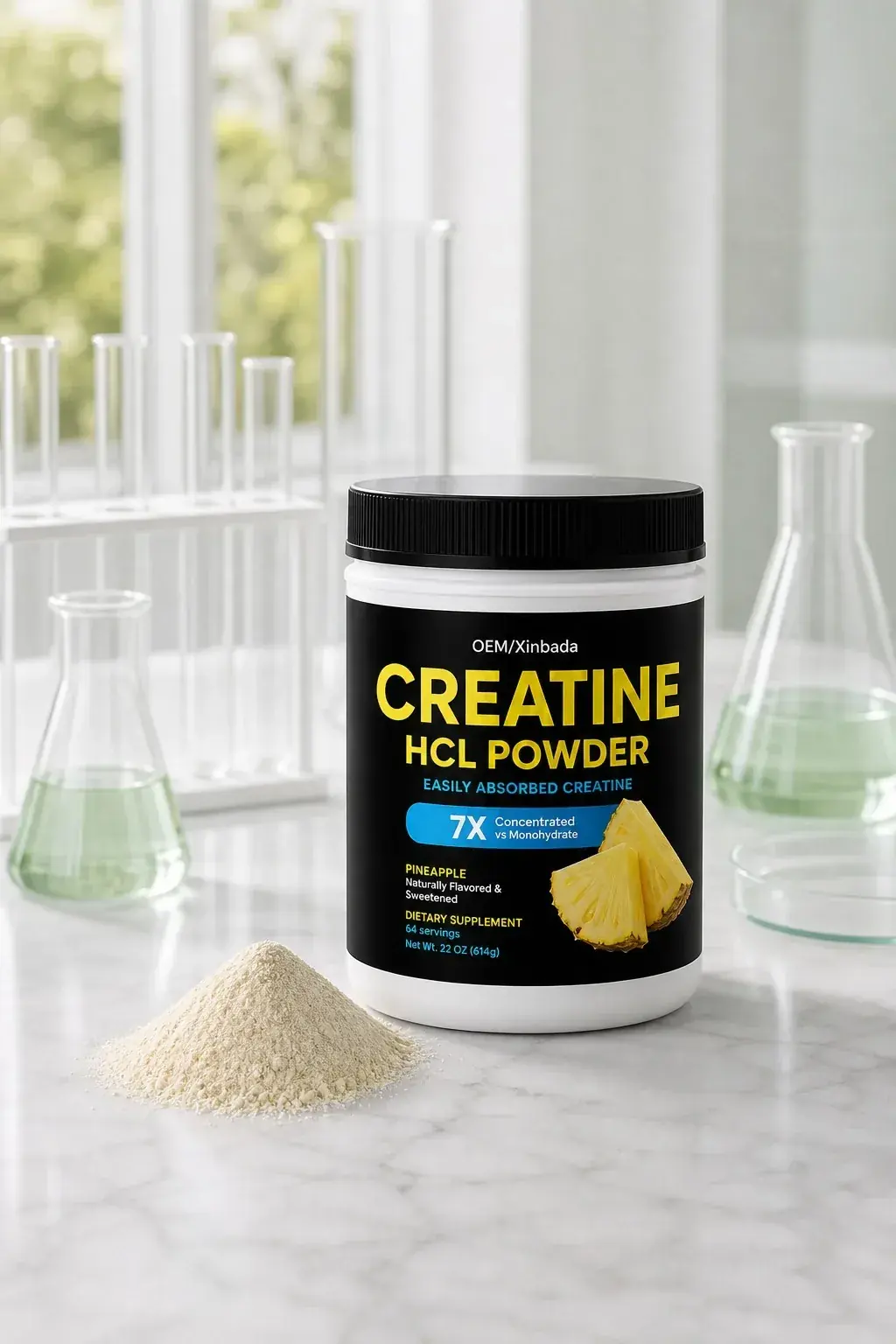
A supplement contract manufacturer needs a controlled formula, packaging files and clear responsibilities before a project transfer can be assessed.
Moving an established supplement to a new production partner is different from selecting a catalogue product. A familiar pack can conceal an incomplete formula specification, undocumented processing choices or artwork that no longer matches the intended market. The useful starting point is a transfer dossier: a defined set of files, physical references and decisions that lets both parties identify what must remain unchanged and what requires new development.
For a brand considering supply into Australia, the dossier should identify the destination and proposed product presentation early. Product names alone do not settle the regulatory category. This article describes a practical information handover, not a recipe, an approval decision or a guarantee that an existing formulation can be reproduced on different equipment.
Define What Is Actually Being Transferred
Separate an existing formula from a reference product
A formula specification should distinguish a fully documented composition from a commercial sample supplied only as inspiration. For an existing product, record ingredient identities, forms, declared amounts, relevant acceptance criteria and the approved document revision. For a reference sample, identify the features to investigate, such as flavour or package format, without presenting the sample as a complete technical recipe. A manufacturer may need development work before it can propose a comparable product.
Confirm the right to supply the technical files
Identify which party owns or is authorised to share the formula, artwork, tooling and test documentation. Some files may be owned by a former manufacturer or an ingredient supplier. The handover team should resolve access and permitted use through the relevant commercial arrangements before expecting the new partner to rely on those files. A photograph of a label cannot establish ownership of a formula specification, nor does a past purchase prove that a complete manufacturing method is available.
NutriCDMO's OEM and ODM service information provides a starting point for discussing formulation and packaging work. It does not replace a project-specific written scope. The scope should identify the product format, the files already available and the investigations still required, rather than treating a general capability statement as acceptance of every transfer condition.
Make the Formula and Packaging Describe the Same Product
Use a single approved baseline
Build an index that connects the formula specification to the sample identifier, packaging drawing and artwork version. Include the intended serving presentation and the source of each declared quantity. If a label and formula differ, mark the issue unresolved and assign an owner. Do not let the purchasing team send one revision while the design team sends another. The new manufacturer needs to know which document governs the review and which files are historical references.
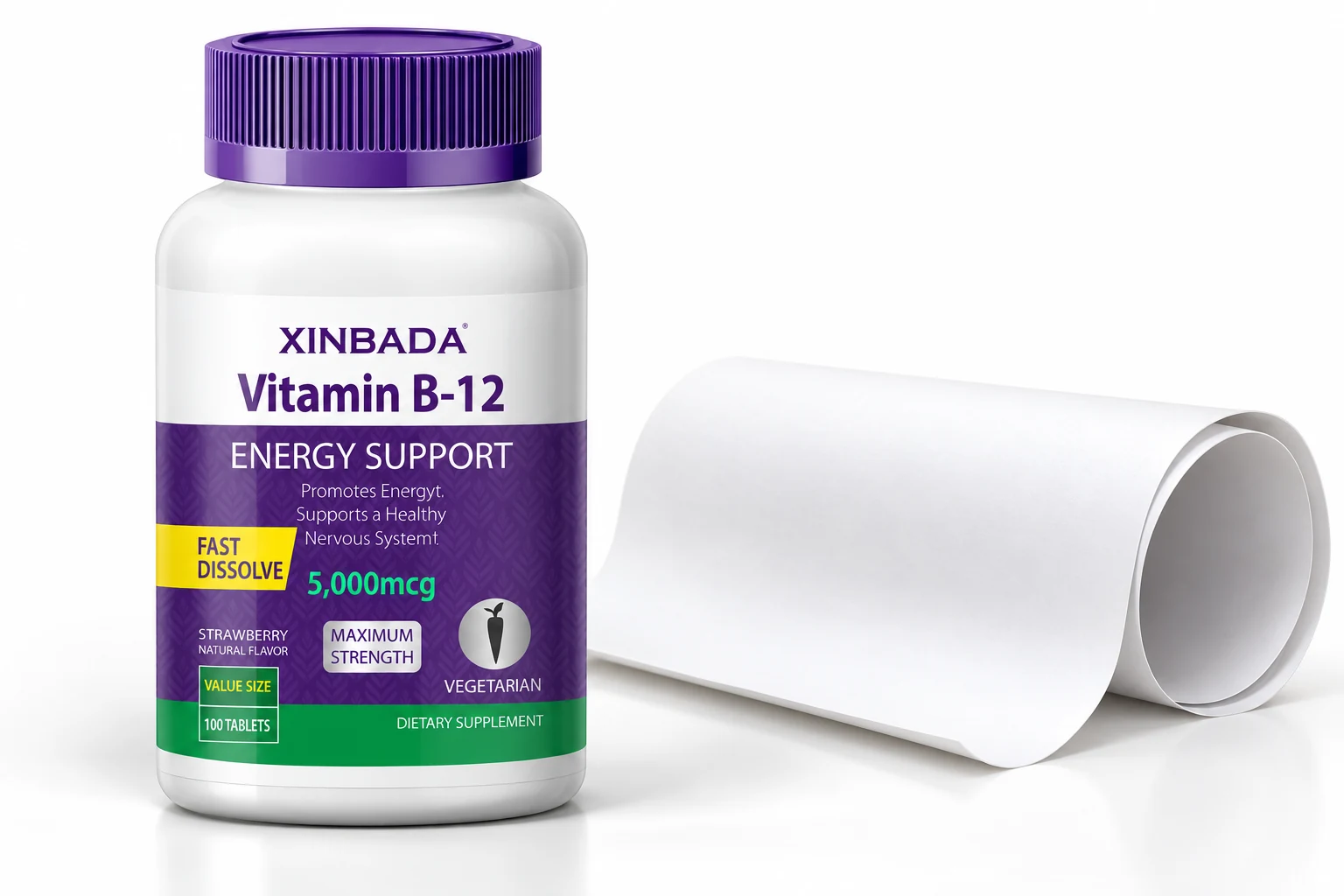
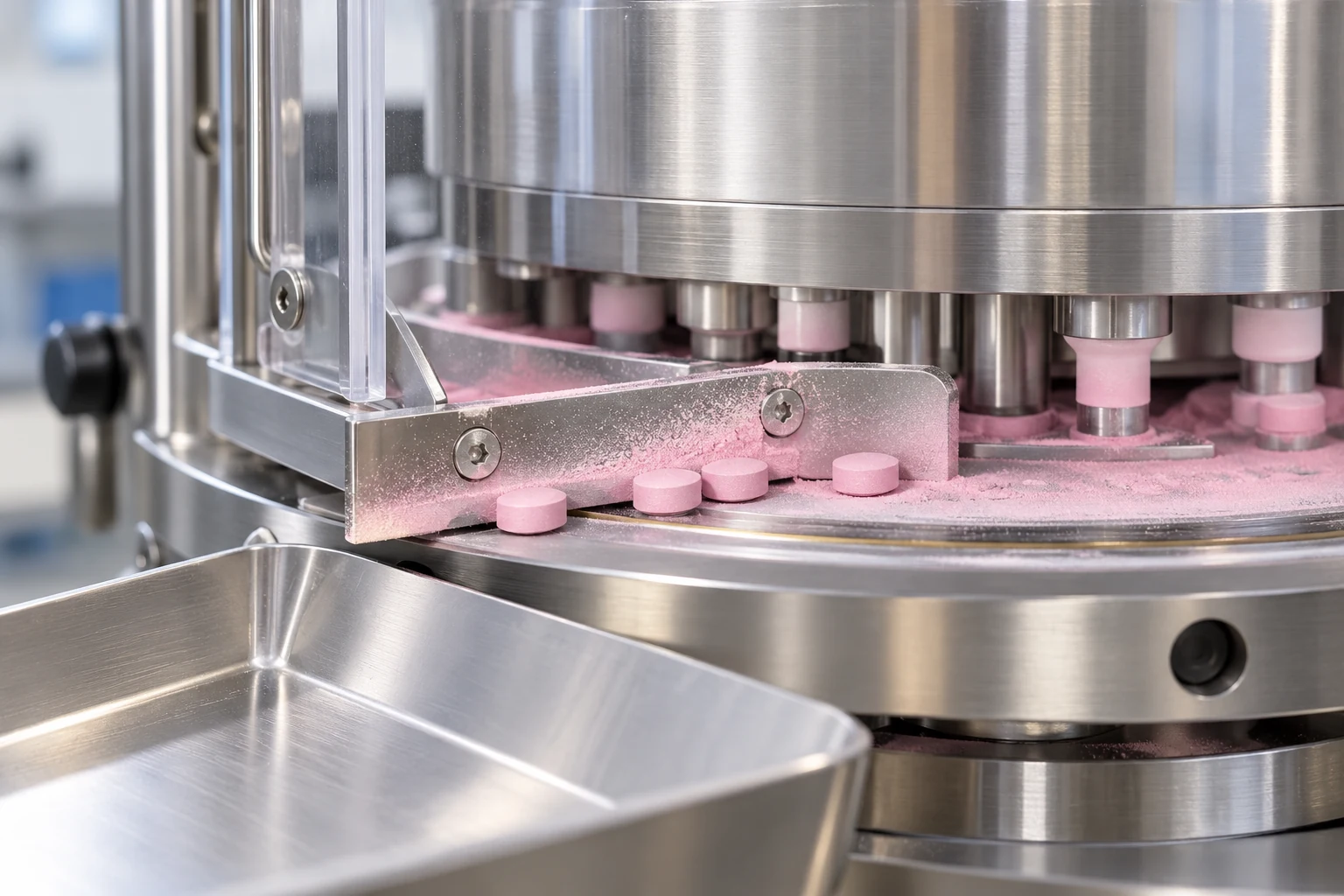
Physical characteristics deserve their own description. For a powder, the scope may include appearance, intended mixing conditions and the type of container or sachet. For a tablet, dimensions, appearance and the expected pack count may be relevant. These are topics to define and verify, not values to infer from a marketing image. The powder product category illustrates why format should be named explicitly: a powder workflow and a bottle-filling workflow have different handover questions.
Treat artwork as a controlled technical input
Packaging approval should cover the exact component and its artwork, not only an attractive mock-up. Provide the container and closure information, label dimensions, print-ready files, coding area and carton arrangement. Identify who checks language, ingredient declarations and market-specific statements. If a packaging supplier changes a component, determine whether new fit checks or updated artwork are required before the component is used.
Agree How Evidence Will Be Checked
Assign testing and document responsibilities
The transfer dossier should identify which quality records exist, which are product-specific and which require new work. A historical certificate of analysis may describe one tested batch; it does not by itself prove that a new batch or process meets the same criteria. Record the proposed sampling points, methods, acceptance criteria and reporting responsibilities. Where a laboratory or specialist must confirm suitability, leave that decision visibly open until the evidence is available.
FDA guidance on dietary supplement manufacturing describes specifications and records as part of the US CGMP framework. That background helps explain why a vague promise of “the same quality” is insufficient, but US guidance does not determine Australian classification or all obligations for a particular shipment. The practical lesson for this project transfer is to connect each agreed requirement with an identifiable record and the person responsible for evaluating it.
Keep market classification separate from factory capability
The Australian TGA explains that the boundary between food and medicine depends on factors including ingredients and how a product is presented, such as claims and labelling. Before final packaging approval, obtain an appropriate review for the intended product and market. A factory's ability to make a powder or tablet does not establish that the proposed finished product can be marketed under the chosen category.
A useful project transfer meeting therefore has two tracks. One asks whether the proposed formula and pack can be manufactured and checked. The other asks whether the intended presentation and claims are appropriate for the destination. The same document can inform both tracks, but an answer on one track should not silently close the other. NutriCDMO's facility information can inform capability questions; current supporting documents and their scope still need to be requested for the actual project.

Turn the Dossier into a Transfer Decision
| Transfer item | Useful evidence | Decision before commitment |
|---|---|---|
| Formula baseline | Controlled composition and revision index | Confirm the intended baseline and unresolved changes |
| Reference sample | Sample identity, origin and agreed attributes | Decide what the sample can and cannot demonstrate |
| Packaging approval | Component specification, artwork and coding plan | Assign technical, design and market review owners |
| Quality evidence | Proposed methods, criteria and available batch records | Identify additional verification and report reviewers |
| Commercial scope | Quoted inclusions, exclusions and approval milestones | Separate development work from repeat production |
| Remaining materials | Ownership, quantity, identity and storage records | Agree acceptance, return or other disposition |
Plan Stock, Cost and Timing Around the Open Decisions
Request commercial information against the documented scope. Minimum order quantities, development charges and lead-time estimates can depend on formulation work, component sourcing, print requirements and the number of unresolved approvals. Avoid comparing a price for an established catalogue formula with a price for a project transfer that includes new testing and packaging work. Ask for the assumptions behind the offer so the comparison remains meaningful.
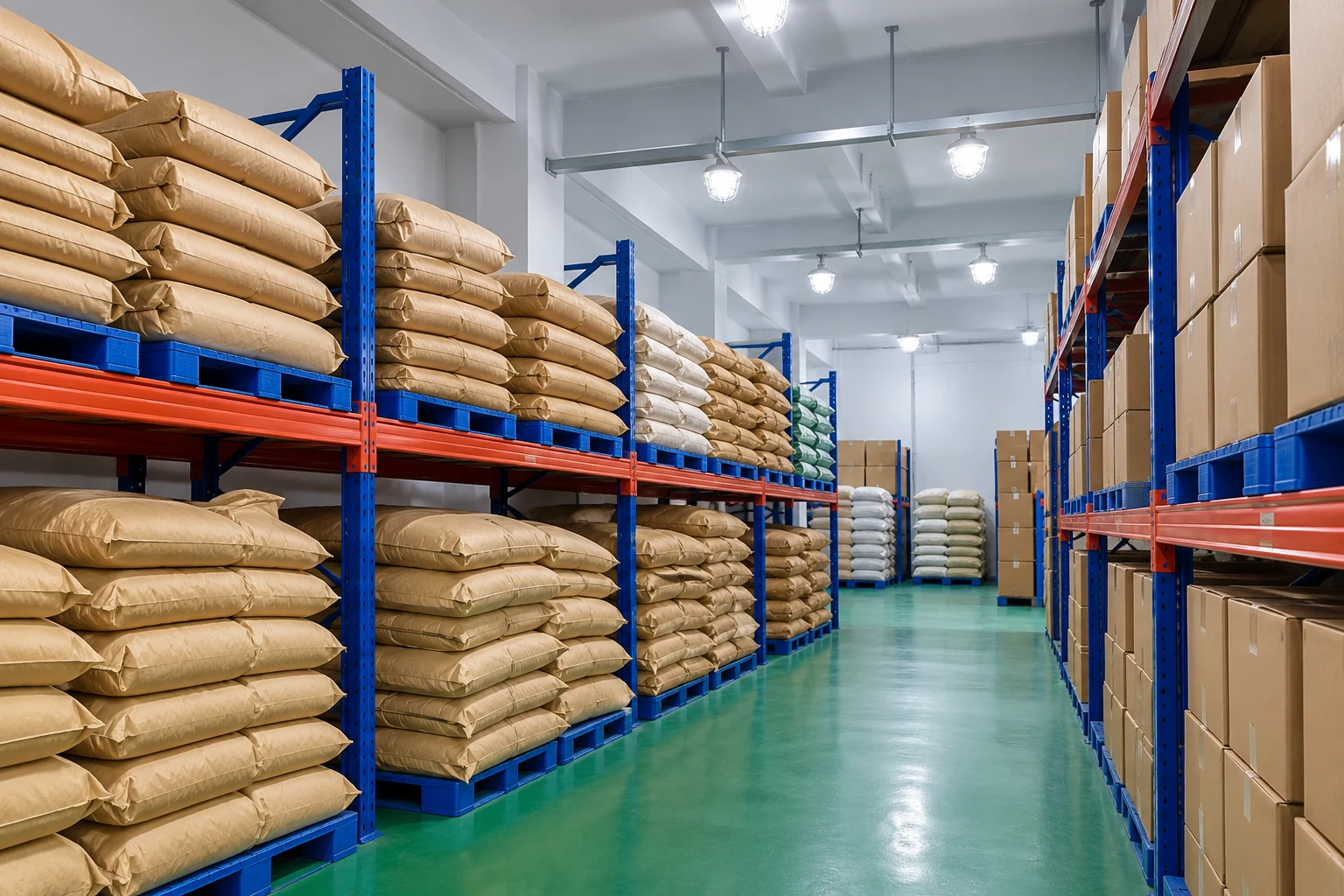
Separate available materials from accepted materials. Existing ingredient stock or printed packaging may have a clear owner but still require identity, condition, storage and suitability checks before the receiving partner can use it. Record lot references and the decision for each material group. Agree how unused, obsolete or rejected components will be handled, rather than allowing them to disappear into a general transfer quantity.
Review the proposed partnership against the same evidence standard used for other candidates. NutriCDMO's partnership overview can help frame the discussion, while the actual project transfer should be judged on agreed responsibilities and documented responses. A credible answer may include limitations or additional work; an unconditional promise is not a substitute for a defined scope.
A supplement contract manufacturer should identify who accepts the transferred files before development work begins. A named recipient and revision register make unresolved inputs visible to both teams.
Frequently Asked Questions
Is a finished sample enough to transfer an existing supplement?
A sample can establish a physical reference, but it is not a complete formula specification or manufacturing instruction. Identify its source and the attributes it represents. The receiving partner still needs the available technical files, ownership permissions and a clear description of any development work required.
Can the previous packaging be reused without another review?
Reuse should be considered against the current formula, components, artwork and destination. Packaging approval from a previous order may have covered different conditions. Confirm the applicable revisions and review responsibilities before committing to printing or using remaining stock.
Does a factory certificate establish approval for the finished product?
No general factory document establishes every product-specific or destination-specific requirement. Check the document's issuer, scope, validity and relevance, then identify any separate finished-product and market review. A supplement contract manufacturer should explain which evidence it can supply and which decisions require another responsible party.
Why might a transfer need a new trial?
The receiving facility may use different equipment or need to investigate material and process behaviour. A trial can help evaluate the defined attributes and identify changes requiring approval. Its purpose and acceptance criteria should be agreed before the result is used to support production decisions.
What should be sent with an initial transfer inquiry?
Send a concise product description, intended destination, current formula and packaging revisions, available sample details, requested changes and a list of missing records. Distinguish information ready for confidential technical review from general project information. That makes the first discussion more useful than sending only a pack photograph and a target price.
The next useful step is to consolidate one controlled dossier and ask the prospective partner to mark each item accepted for review, incomplete or subject to further investigation. For a project discussed with NutriCDMO, the contact page provides a route to request a scope review with those materials. A clear handover makes the remaining decisions visible before price, samples or launch timing are treated as settled.