A supplements manufacturer should connect the offered sample to an agreed product specification, traceable records and a named release decision before approval.
Define What The Sample Is Meant To Prove
Separate Concept Samples From Production Samples
A concept sample may demonstrate a proposed format, appearance or pack. A pilot sample may help examine process behaviour, while a sample from a commercial batch represents one identified production event. Ask the supplier to name the sample type and explain the operations it has actually passed through. Sample approval should cover those stated purposes only; an attractive early sample does not establish routine production consistency.
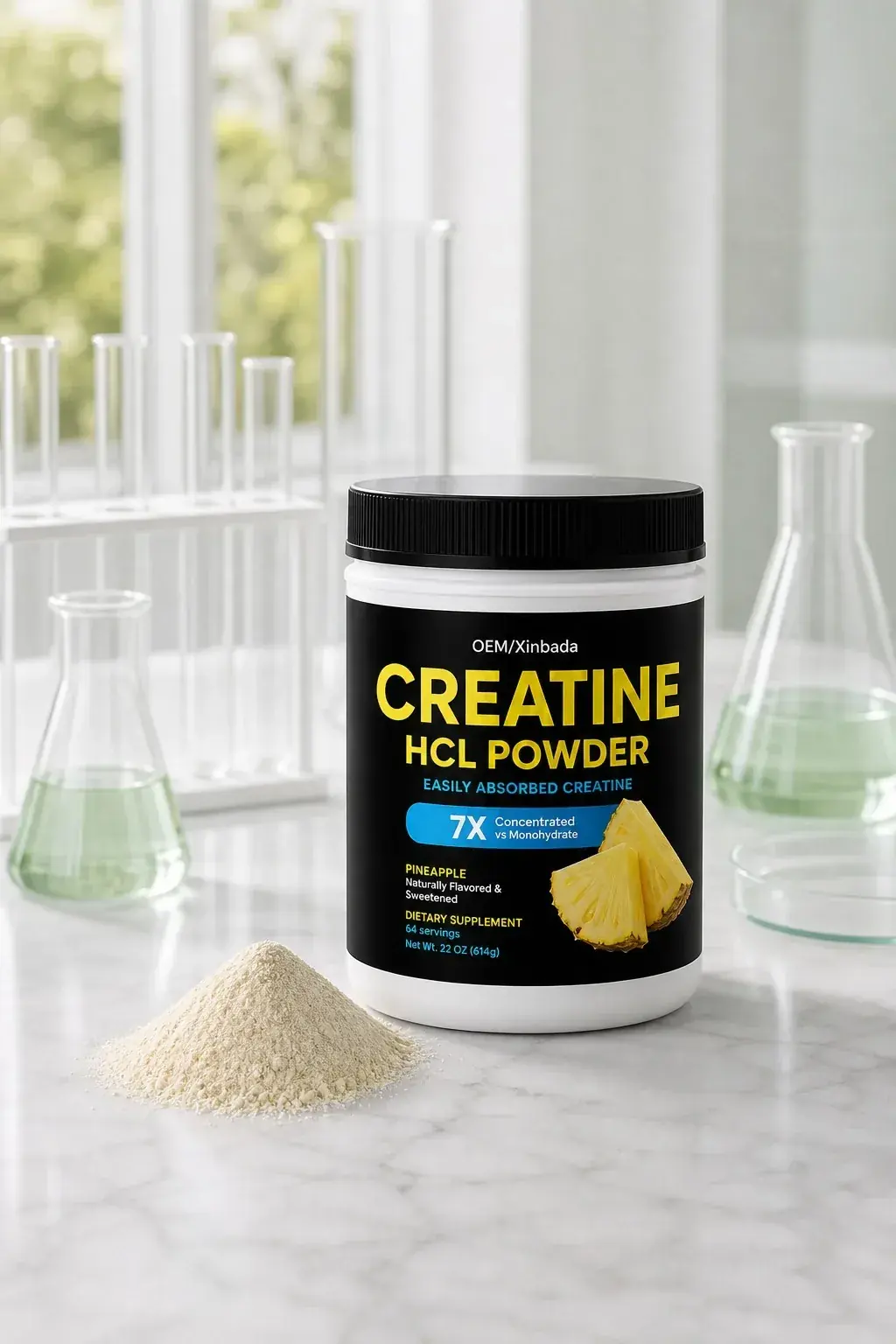
When comparing a catalog packaging example, confirm the offered pack separately from any image or product-page variant.
Put the intended use beside the sample identifier. For example, a packaging review can check whether a bottle and closure support the planned presentation without accepting the formula, shelf life or label claims. A manufacturing review needs a different evidence set. If several reviewers receive different versions, keep their findings separate until the supplier identifies which version is being considered for the order.
Record The Product And Market Boundary
The product specification should identify the formulation version, dosage form, ingredient identifiers, pack configuration and relevant acceptance criteria. The intended market matters because product classification and regulatory responsibilities can differ. For a project intended for Australia, establish the applicable classification and responsible parties before assuming that overseas manufacturing documents establish local suitability. This article provides supplier-review questions, not a legal classification or health recommendation.
The OEM and ODM service description is a starting point for discussing customization. Convert each proposed option into a written requirement with an owner. Clarify whether the quotation covers formulation development, testing, packaging artwork, manufacturing or only some of those activities. Leave unresolved requirements visible rather than accepting a broad service description as a complete scope.
Build A Small Evidence Set Around One Version
A supplements manufacturer should provide a document index before a large folder. The index should connect the sample identifier to the current product specification, test report, packaging version and release record. A document can be genuine yet irrelevant when it refers to another site, product, batch or period. Check those links first. A concise, connected record is more useful than a large collection whose relationships cannot be explained.
| Review item | Evidence to request | Decision supported |
|---|---|---|
| Sample identity | Sample code, preparation date and formulation version | Which physical sample the review covers |
| Agreed requirements | Controlled product specification with acceptance criteria | What was expected before testing |
| Test coverage | Report identifying the sample, method and result | Which requirements have supporting results |
| Packaging identity | Approved artwork and pack-component version | Whether the proposed presentation matches the order |
| Release responsibility | Named decision owner and recorded disposition | Who accepted, held or rejected the identified batch |
| Outstanding questions | Issue list with evidence owner and review date | What must close before the next commitment |
Make Reports Answer The Agreed Question
Check the sample description, units, method reference and acceptance limit on each report. Ask whether testing was performed on an ingredient, a blend or the finished packed product. Those are different objects. A result for an incoming ingredient should not silently stand in for a finished-product assessment. Where the report uses a different product name, require a documented mapping rather than relying on a salesperson's verbal explanation.
Discuss who chose the method and why it is suitable for the material being assessed. A pass statement without a stated requirement is difficult to interpret. If the buyer needs an independent laboratory review, agree on sample handling and reporting responsibilities in advance. The illustrative laboratory scene below conveys a review activity; it is not evidence that a particular method, laboratory or product has been validated.

Check How The Sample Connects To Manufacturing Records
Follow One Lot Through The Record Chain
Batch traceability should let a reviewer connect the selected sample with relevant materials and the manufacturing event. Request an example of the identifier chain and ask the supplier to explain where each link is recorded. Commercially sensitive information can be redacted, but the relationship between identifiers and the sequence of decisions should remain understandable. A diagram of the process is useful only when a real record demonstrates how the process is used.
The FDA dietary supplement manufacturing guide describes specifications, production records and quality-control responsibilities in its United States context. These are useful background topics for a review, but they do not establish Australian approval. The TGA manufacturing guidance index likewise directs attention to manufacturing evidence within its own product scope. Applicable requirements should be confirmed for the actual product and destination rather than transferred between jurisdictions by analogy.
Distinguish A Template From A Completed Record
The facility overview can help identify operations to discuss, but photographs cannot verify process control. Ask which operations are performed at the named site and which are outsourced. If an external party performs testing, packing or another critical step, confirm how its outputs enter the supplier's review. The goal is to understand accountability across the actual chain, not to assume every activity occurs in one building.
Sample approval is a bounded decision about an identified sample and stated criteria. It is not a blanket acceptance of future batches, unreviewed substitutions or every claim printed on a mock-up.
Keep Formula, Packaging And Change Decisions Aligned
Resolve Differences Before They Reach The Order
Compare the physical sample, its paperwork and the proposed purchase description side by side. A change in format, capsule count, container material or artwork may require a separate review even if the project name stays the same. Record which differences are intentional and who accepted them. Sample approval becomes unreliable when a familiar project name is allowed to conceal a new formulation or packaging version.
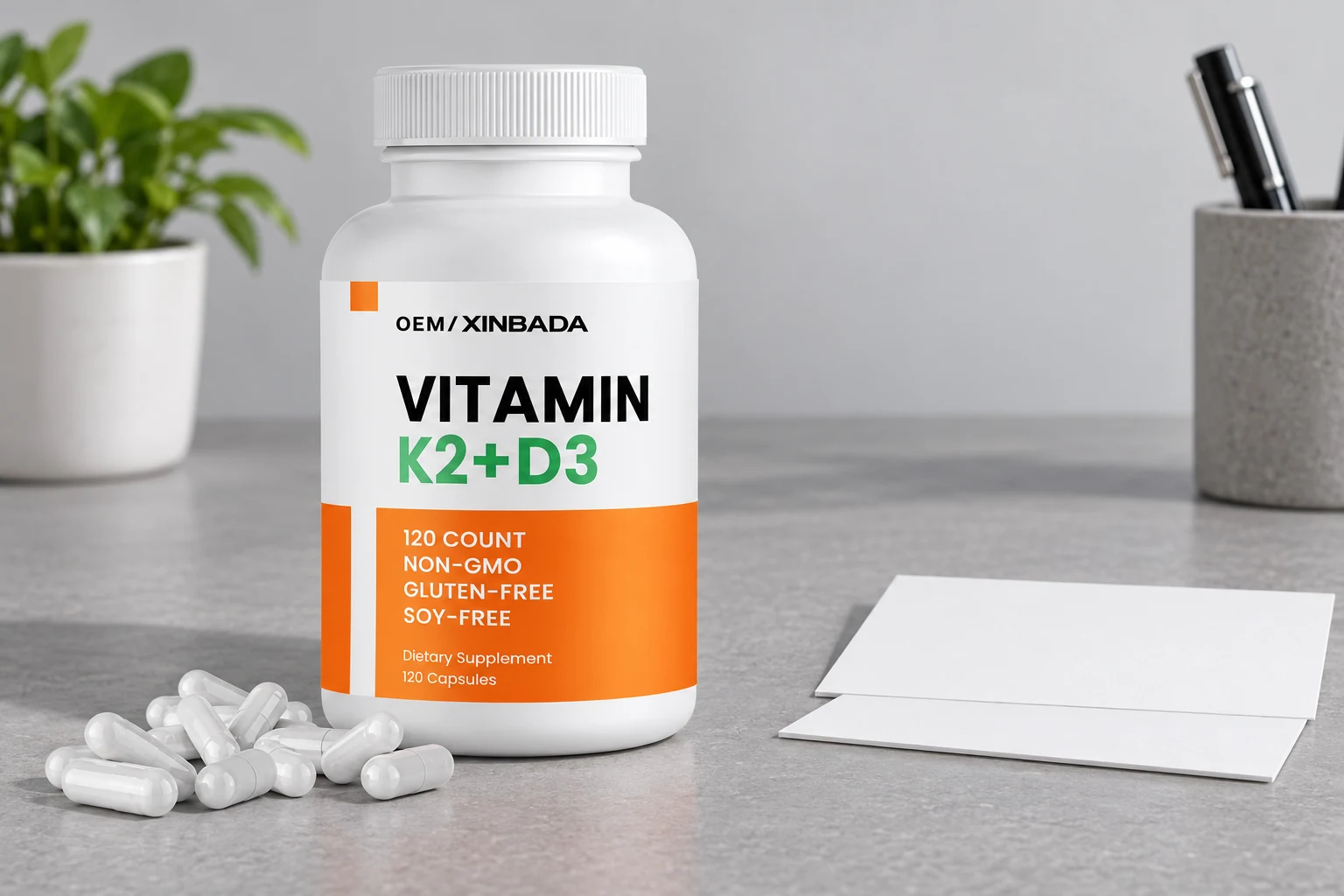
Catalog pages such as the vitamin K2 and D3 product example help identify a format for discussion. They should not be treated as the purchase specification. Product-page titles, photographed labels and available customization options can describe different variants. Request the exact offered combination in writing, and do not infer dosage, efficacy or ingredient quantities from an illustrative image.
Discuss customization change control and set a change-notification rule before the first order. Define which changes require buyer review, what supporting evidence is expected and who may authorize implementation. The scope might include raw-material sources, process location, packaging components or test methods, depending on the product. The rule should be specific enough to support decisions without suggesting that every administrative correction requires a full redevelopment project.

Review Storage, Delivery And Exceptions As Part Of Traceability
Keep The Identifier Chain After Packing
Batch traceability should remain usable when goods move into storage and distribution. Ask how finished packs, cartons and dispatch records relate to the released batch. Check how mixed batches are identified and how retained samples are located. A warehouse visit or remote walkthrough can show the arrangement, while records demonstrate whether staff can retrieve the right information for a selected shipment.
Discuss the relevant storage conditions from the agreed product specification and supporting assessment. Do not borrow a generic shelf-life figure from another formula or package. Confirm what conditions apply before dispatch, during transport and after receipt, and who investigates evidence of damage or excursions. The supplier should distinguish a proposed condition from one supported for the final offered configuration.

Ask for the route used when a shipment differs from the approved order. Useful questions include how affected lots are identified, what information the buyer should preserve, who decides whether goods remain on hold and how the investigation is communicated. A contact name alone is not a complete exception process. The buyer needs a practical way to keep evidence connected while the supplier reviews the issue.
Turn The Review Into A Clear Approval Decision
Use three practical outcomes: approved for the stated purpose, held pending named evidence, or rejected against stated criteria. The decision should identify the sample, the reviewed product specification and the permitted next step. Avoid a vague message such as “looks fine” when different teams might interpret it as approval of formulation, packaging and manufacturing together.
Before sample approval, ask the supplements manufacturer to resolve conflicting identifiers and missing evidence. Separate a missing document from a failed criterion: one needs information, while the other needs an explanation and a disposition. Both can justify a hold, but recording the difference makes follow-up clearer. Keep commercial timing visible without allowing urgency to replace the agreed review.
FAQ
Does An Attractive Sample Demonstrate Production Consistency?
No. It demonstrates the appearance of that sample under the conditions in which it was prepared. Consistency needs evidence connected to the production process and relevant batches. Ask what sample type was supplied and which checks support the intended decision.
Can A Certificate Replace A Product Specification?
No. A certificate may describe a site, system or result within a defined scope. The product specification states the agreed requirements for the offered item. Review both their scope and their relationship instead of treating one as a substitute for the other.
What If The Supplier Cannot Share Full Batch Records?
Discuss a controlled or redacted review that preserves the identifiers, decision sequence and evidence needed for the assessment. Commercial confidentiality can be respected while testing whether the record chain is understandable. Record any remaining access limitation.
Should Every Packaging Change Trigger The Same Review?
The review should match the change and its possible consequences. A change affecting product protection or the offered quantity is different from an administrative correction. Agree on the classification, required evidence and authorization route before changes occur.
When Is Sample Approval Ready To Sign?
When the sample identity, intended purpose, acceptance criteria, evidence and decision owner are clear, and unresolved issues have an explicit disposition. The approval should say what it permits next and preserve the boundary between the reviewed sample and future production.
If discussing a project through the supplier contact page, send the sample identifier, intended review purpose and unresolved evidence list so the response can address the exact approval boundary.