A whey protein powder factory should document product changeovers through defined equipment boundaries, cleaning evidence, packaging checks and an accountable release decision.
A polished plant presentation cannot show what happened between two production orders. The useful qualification question is whether the factory can reconstruct that transition: what ran before, which surfaces and materials were involved, what was removed, and who allowed the next batch to begin. Buyers can examine this sequence before committing to repeat production.
Confirm Which Operation The Factory Actually Performs
Producing a dairy ingredient, blending purchased protein into a formula, filling containers and applying labels are different operations. An offer should identify the legal manufacturing entity, the physical location and the activities included. A photograph of a supplement line is insufficient to establish that the same facility processes liquid whey into powder.
The published OEM and ODM service scope provides a starting point for discussing formulation and finished-product work. However, the current catalogue does not establish a specific whey ingredient manufacturing line. Request evidence for the proposed operation instead of treating other protein products as interchangeable proof.
For a whey protein powder factory handling several formulas, the previous product matters as much as the next one. Flavor systems, colors, carriers and other ingredients can create different transition tasks. The qualification discussion should therefore use a real production sequence selected by the quality team, with confidential formulas redacted where necessary.
Map The Transition From The Previous Batch To The Next
Follow The Equipment Boundary Beyond The Main Blender
Ask for a process map that identifies the product-contact equipment, transfer points and temporary items used for the proposed order. Scoops, hoses, sieves, intermediate bins and removable filling parts may be relevant even when the main vessel is easy to identify. The map should distinguish dedicated items from shared equipment.
The reviewer can compare the map with a walkthrough or a controlled video review of the relevant area. The objective is to find unexplained gaps, such as a transfer bin that appears in the process but not in the cleaning instructions. The public facility overview is useful context; it is not a substitute for this order-specific comparison.
Make The Previous Product And Timing Traceable
The changeover record should name the previous batch, the next planned batch, the equipment identifiers and the dates of completion and release. Where equipment sits idle, ask how its status remains visible and how the site decides whether another check is needed. Avoid prescribing one universal hold time without a justified process basis.
A practical review follows one equipment identifier through several documents. It should appear consistently in the production schedule, cleaning activity, inspection result and start authorization. A mismatch is a question to resolve before approval, even if each separate form carries a signature.

Ask What The Cleaning Evidence Can Actually Demonstrate
Separate The Procedure From Its Recorded Execution
A written instruction explains what should happen. A completed record explains what an operator recorded for a particular event. A technical assessment explains why that procedure and its checks are appropriate for the relevant residues and equipment. These are different pieces of evidence, and a blank template cannot stand in for all three.
FDA materials discuss equipment cleaning, contamination prevention and documented controls in their applicable contexts. Milk is a major food allergen, and an advisory label does not replace suitable manufacturing controls. The applicable obligations depend on the product and activity; the qualification team should establish that scope rather than assume every protein operation has the same regulatory status.
Connect Sampling To The Residue And Location Of Concern
Cleaning verification should identify what was checked, where the sample came from, the method used and the decision criteria. A visibly clean surface, a general hygiene check and a residue-specific test answer different questions. The factory should explain the relevance and limitations of its chosen approach without promising that one result proves every surface is free of every possible residue.
Request an example in which the sampling location can be found on the equipment map. If a result is reported as below a reporting limit, ask for the method context and the approved interpretation. The buyer should not invent a pass limit from a generic internet value or convert a limited finding into an absolute absence claim.

Treat Packaging Clearance As A Separate Release Question
Reconcile Containers, Printed Materials And Coding Settings
Cleaning equipment does not by itself remove the previous label roll or reset a date coder. Line clearance should address the materials and settings that could identify the next batch incorrectly. The reviewer can ask how unused labels, printed cartons, scoops and partly filled containers are counted, segregated or removed.
The first approved pack should be compared with the authorized artwork and order configuration. Record which checks concern product identity, ingredient information, lot coding and pack format. A photograph can help document appearance, but it cannot establish the contents of a sealed container or replace the underlying approval.
A useful challenge is a change from one flavor to another in an otherwise similar pack. Ask how the team prevents the apparent similarity from hiding an artwork or ingredient-list difference. Then examine how a stoppage, label roll replacement or coding adjustment triggers a renewed check during the run.
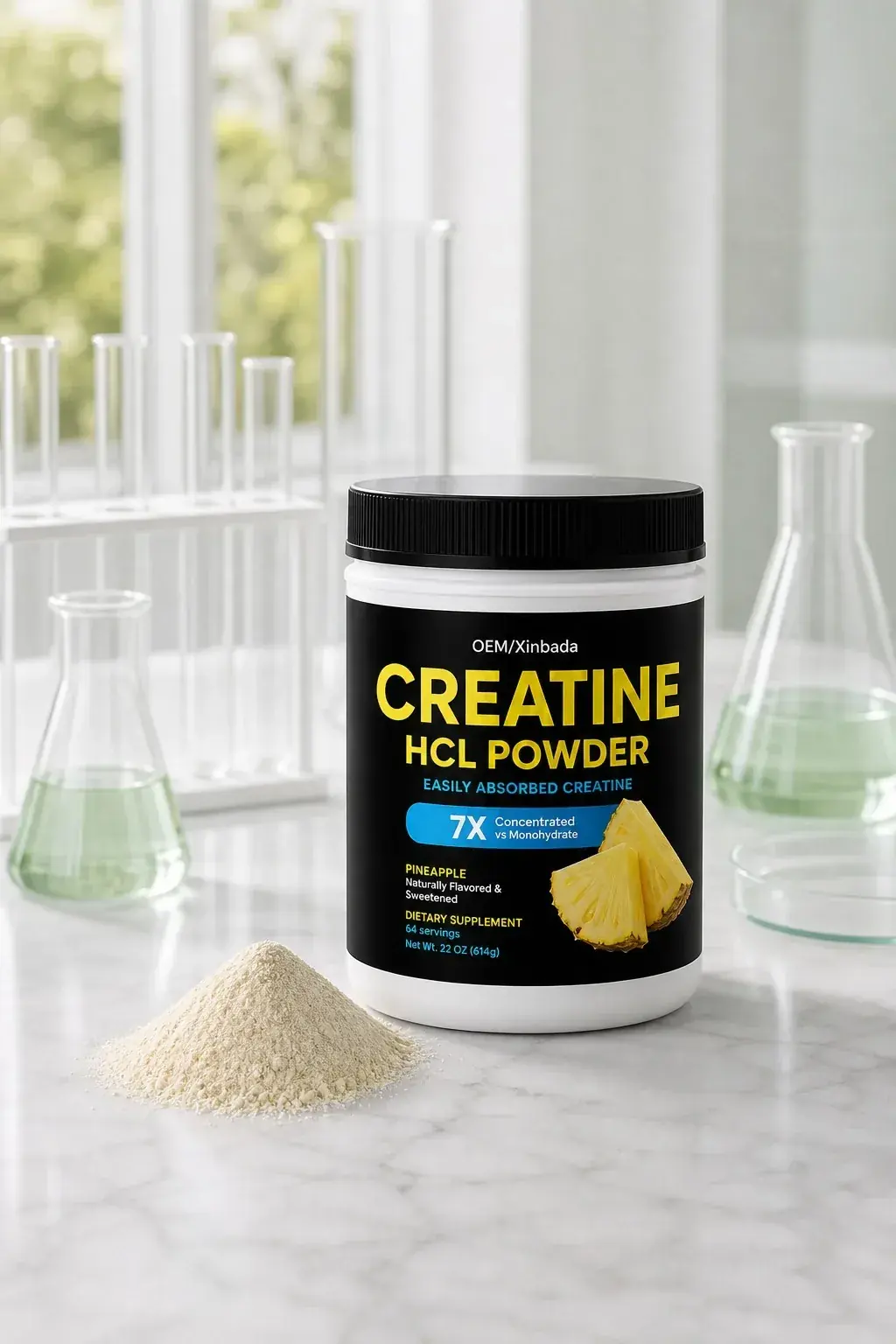
The published protein powder range illustrates why product-family names alone are not enough to identify a formula. An agreed product code, revision and pack configuration provide a clearer reference for the order. They should be linked to the batch record used on the line.
Check Material Status Before And After The Transition
Keep Residual Material And Released Stock Distinguishable
Opened bags, remaining blend, rejected packs and unused printed materials need an understandable status. Ask where they are held, how the quantity is recorded and who decides their next permitted use. A clean aisle is helpful, but the decisive evidence is whether people can identify the material and act on the correct status.
Where rework is proposed, ask for the specific authorization, the permitted destination and the effect on the next order's records. Do not assume that a similar flavor or color makes residual material suitable. The cooperation process can be used to assign who provides the required formulation and customer restrictions before the factory decides.
Review A Complete Example And A Difficult Exception
Use A Continuous Evidence Trail Instead Of Isolated Certificates
Select one completed transition and ask the supplier to connect its records in order. Start with the previous batch, then follow equipment cleaning, inspection, material removal, packaging setup and the next start. The reviewer should be able to identify which person made each decision and what information was available at that time.
For a whey protein powder factory, the strongest discussion is often about a discrepancy. Ask how an incomplete check, an unexpected residue finding or an incorrect label is recorded and contained. A procedure that assumes every result is satisfactory leaves the buyer unable to assess what happens when production pressure and quality decisions conflict.
| Review Point | Evidence To Request | Unresolved Question |
|---|---|---|
| Equipment scope | Map and matching equipment identifiers | Which shared items are outside the documented boundary? |
| Cleaning execution | Completed activity and inspection records | Was the effective instruction followed for this event? |
| Sampling | Location, method, result and interpretation | What can this finding establish, and what remains unknown? |
| Packaging release | Material reconciliation and first-pack approval | Who confirmed the correct version and coding? |
| Exception handling | Hold, correction and authorized disposition | What prevented an unresolved issue from reaching release? |
Distinguish A Corrected Form From A Corrected Process
A missing entry can sometimes be clarified through contemporaneous evidence, but filling a field later does not prove the underlying action occurred. Ask the supplier to preserve the original record, explain the correction and identify the supporting information. The buyer's decision should reflect the remaining uncertainty.
When cleaning verification does not support release, the response should define the affected equipment or material, the person authorized to decide and the conditions for checking again. The purpose of the qualification review is to understand that decision process, not to prescribe an unqualified cleaning method from outside the plant.
Frequently Asked Questions
Does A General Factory Certificate Prove A Product Changeover Was Adequate?
No. A certificate may describe a management system or an assessed scope, but it does not reconstruct a particular transition. Check its issuer, validity and covered activity, then review the records and controls relevant to the actual proposed order.
Can A Clean Photograph Replace Cleaning Verification?
A photograph can document visible conditions at one time. It cannot identify every residue or demonstrate the suitability of a sampling method. Use it as supporting context alongside the documented procedure, relevant checks and accountable interpretation.
Should Every Formula Use The Same Changeover Checklist?
A common framework can help consistency, but the applicable steps should reflect equipment, ingredients and packaging differences. Ask the factory how it determines which checks apply and how operators recognize the current approved version.
What If The Supplier Only Offers Blending And Packing?
Evaluate that stated activity and obtain the separate ingredient-supply evidence needed for the order. Do not infer dairy ingredient manufacturing from finished-product services. The contract and qualification record should preserve the distinction.
When Should Line Clearance Be Repeated?
The site should define triggers based on its process and risks, including relevant interruptions or material changes. The buyer can review those triggers and sample records without imposing one unsupported time interval across every line.
Turn Findings Into A Bounded Approval Decision
Approval can be limited to a named location, equipment group, formula family and packaging arrangement. A clear scope prevents a satisfactory review of one operation from being treated as approval of every product in the wider supplement catalogue. Record any conditions that must be met before the first commercial batch.
The commercial agreement should identify which changes require notification before use, including a different site, major equipment alteration or outsourced step. Discuss those boundaries through the custom manufacturing service so that the production proposal and qualification scope remain aligned.
Before qualifying a whey protein powder factory, prepare the proposed formula category, pack format, target activity and a redacted example request. The technical enquiry team can then clarify which work is actually offered and which supporting records can be reviewed. Approval should follow that evidence, with unresolved limitations recorded explicitly.