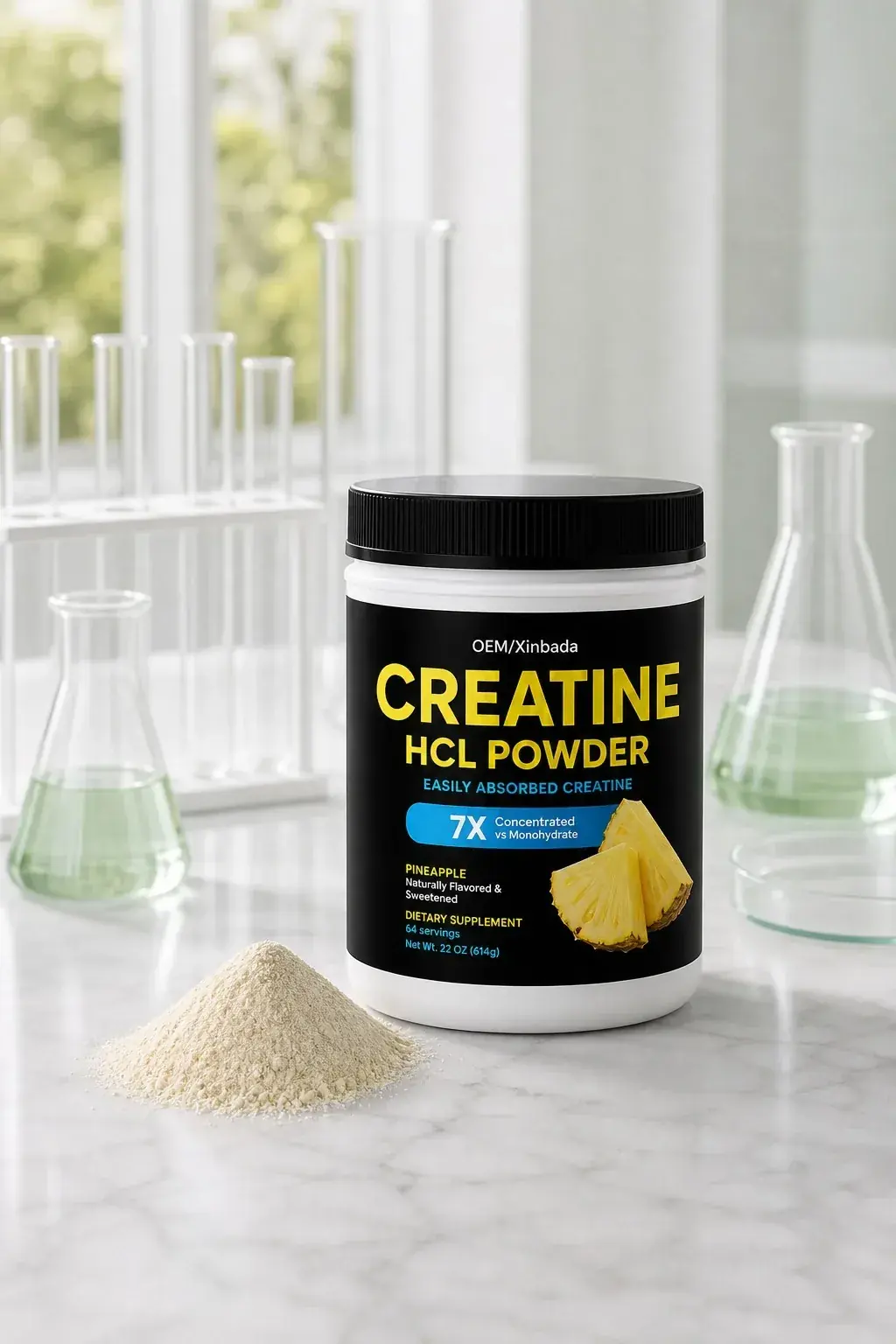
Health supplement manufacturers can be assessed more reliably when each attractive sample is connected to a defined formula, material source, production route and release decision.
A pleasant flavour or a well-designed bottle answers a narrow question: whether that example suits the intended concept. It does not establish that later batches will follow the same specification. A useful evaluation therefore works backwards from the finished pack to the records and responsibilities that produced it. This approach makes proposals comparable without treating a long catalogue, factory photograph or certificate logo as a substitute for evidence.
Define The Scope Before Comparing Factories
Separate The Product Concept From The Supply Decision
Start with the intended dosage form, ingredient list, serving format, packaging and destination channel. Record what is fixed and what remains open. A capsule project with an agreed formula presents a different task from a beverage concept that still needs flavour development. Supplier qualification becomes difficult when one quotation covers development while another assumes a finished specification. The comparison sheet should show those assumptions alongside price and timing.
The current product catalogue provides a starting point for discussing formats. Its presence does not mean every pictured formula, label claim or pack configuration is suitable for every market. Select a small number of relevant examples and ask which parts represent a standard offering, which are configurable and which require new development. Preserve the answer with the proposal rather than relying on a sales call remembered differently by each party.
Assign The Market Review To A Named Owner
For an Australian project, establish who will assess the product's applicable regulatory pathway before approving artwork or commercial claims. A general description such as supplement does not resolve classification. The TGA guidance on suppliers and materials addresses listed and complementary medicines within its stated scope; it should not be applied indiscriminately to every food or beverage. Its useful procurement lesson is that material approval needs a defined evidential basis. The responsible regulatory specialist must determine the requirements for the actual product.
A manufacturer can supply technical information while the brand or its appointed adviser manages the market assessment. Alternatively, a proposal may include a specific regulatory service. Either arrangement needs an explicit boundary: deliverable, reviewer, decision authority and unresolved assumptions. An attractive pack image cannot settle this question. The OEM and ODM service description should be used to frame these questions, followed by written project-specific confirmation.
Make Material Identity A Testable Requirement
Connect The Commercial Name To The Actual Input
Material identity is more precise than the ingredient name on a presentation slide. A useful specification identifies the material, relevant form, supplier, manufacturing source where appropriate, acceptance limits and test method references. When a blend includes carriers, flavours or processing aids, request the information needed to understand them. A trade name can remain commercially useful, but it should not become the only bridge between the formula and the delivered material.
Ask how incoming lots are received, labelled, sampled, assessed and released for use. The answer should explain the handling of a missing document or an inconsistent result. A certificate of analysis is evidence to review, not a reason to abandon the agreed verification process. Equally, requesting every possible laboratory test without considering the product and risks creates cost without necessarily improving control. The appropriate test plan belongs in the agreed technical scope.
Ask What Happens When The Source Changes
A material with the same generic name may arrive from a new source or under a revised specification. Establish which changes require prior approval, which need additional assessment and who can release affected stock. This is especially important when the commercial team wants to protect a delivery date. The route for an exception should be documented before a shortage occurs, with a clear distinction between requesting a deviation and approving it.
Turn The Approved Sample Into A Controlled Reference
Record Exactly What Was Accepted
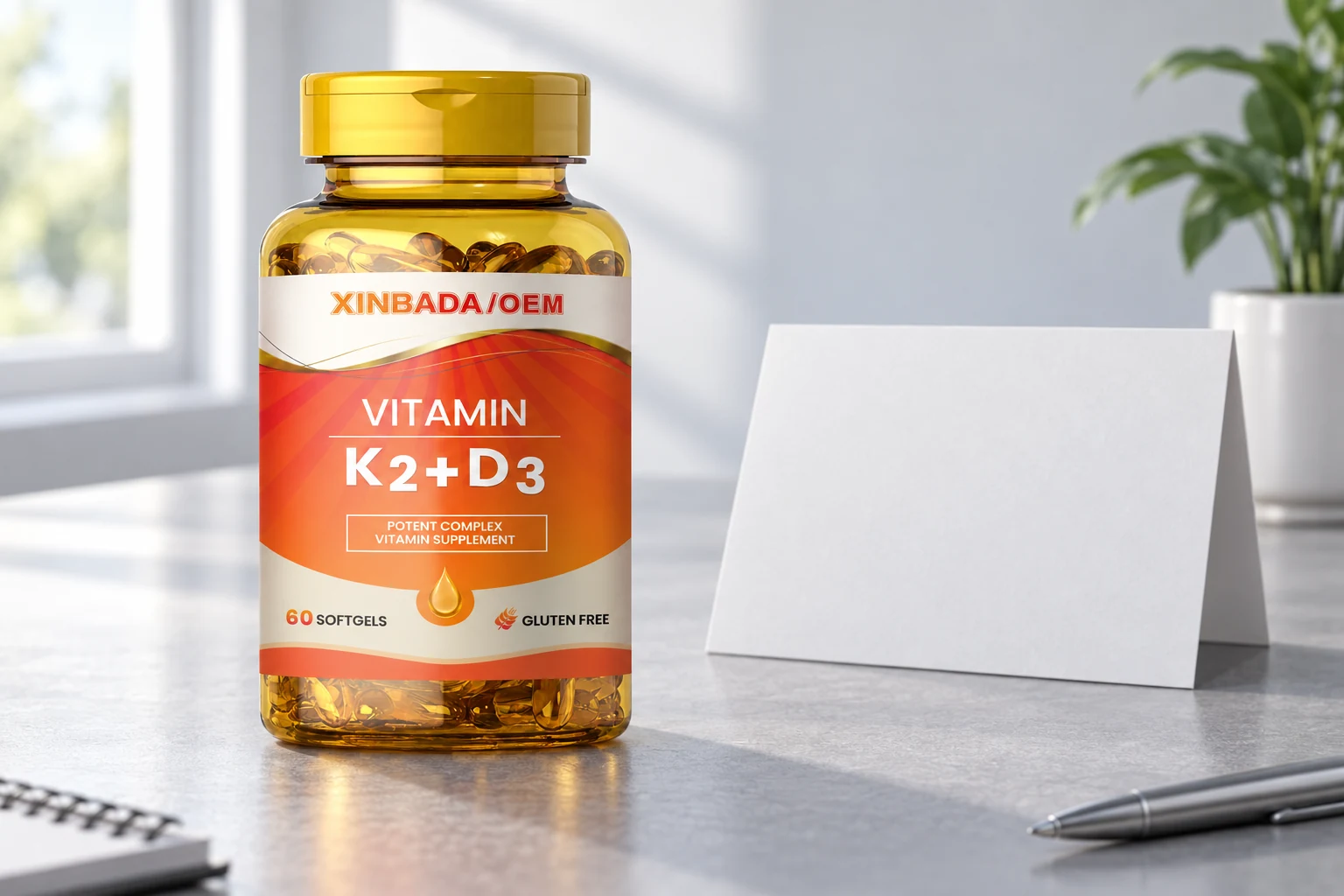
An approved sample should have a reference identifier, date, formula version, packaging version and acceptance scope. If only appearance was reviewed, say so. If taste was accepted but testing remains open, preserve that distinction. An email saying the sample looks good can otherwise be interpreted as approval of formula, label, shelf life and production readiness at once. A short sign-off form prevents that ambiguity without creating a large administrative burden.
Keep the reference material under agreed conditions and decide who holds it. Photographs help with visual comparisons but cannot replace physical assessment where texture, odour, dissolution or closure behaviour matters. The review method should suit the dosage form. A softgel, tablet, powder and liquid each raise different handling questions. Moving from one format to another should reopen the relevant assessment rather than transfer approval automatically.

Connect the sample reference to the quotation and production order. Where a development batch differs from the intended commercial process, ask which differences remain and how they will be evaluated. A small hand-filled example may be useful for concept discussion, yet it does not by itself demonstrate the behaviour of a production line. A supplier should be able to explain the transition in practical terms, including the evidence required before routine supply begins.
Evaluate The Process Behind The Finished Pack
Follow One Lot Through The Record Chain
Health supplement manufacturers should be able to explain how an incoming material lot connects to a manufacturing record and the finished goods supplied. Request a redacted demonstration with consistent identifiers. Look for a coherent sequence rather than the largest number of documents. A receiving record, production record and release record are more informative when they can be linked than when each is shown as an unrelated template.
The facility page supplies context for a technical discussion, but photographs cannot verify the line allocation, cleaning status or controls for a future order. Ask which operations occur at the proposed site and which, if any, are subcontracted. Clarify how the main supplier oversees an external operation. The buyer should not discover after approval that the final dosage form or packaging step belongs to a different organisation.

Keep Release Authority Separate From Delivery Pressure
Determine who can authorise release and which records must be complete. The commercial delivery target should not silently become the technical acceptance criterion. If a test is pending, the stock status and next decision should remain visible. Supplier qualification should examine this boundary because it often matters more during a delayed order than during an introductory presentation.
The partnership overview can help identify the service relationship being offered. Convert that general description into responsibilities for the actual project: document preparation, technical review, batch disposition, customer communication and corrective action. A named coordinator is useful, but it does not replace the specialist who owns a technical decision.
Use A Comparison Table That Preserves Uncertainty
Compare each proposal against the same evidence requests. Record confirmed, pending and outside scope separately. A pending answer is a follow-up item, not an automatic pass or a score of zero. This makes the table useful for a purchasing decision while avoiding invented precision. Health supplement manufacturers may differ in development support, format experience and evidence availability; those differences deserve explicit treatment.
| Decision area | Evidence to request | Question left open |
|---|---|---|
| Material identity | Controlled input specification and source information | Who approves a material or source revision? |
| Sample acceptance | Reference identifier and signed acceptance scope | Which checks remain before production? |
| Manufacturing route | Operations, site allocation and redacted record chain | Which steps involve subcontractors? |
| Release decision | Required documents and responsible reviewer | How is an incomplete result handled? |
| Commercial supply | Defined quantity, pack, timing and change assumptions | What changes the quoted commitment? |
- Name the evidence owner.
- Identify the current version.
- Keep unresolved items visible.
A sample demonstrates an example. A qualification file explains the conditions under which that example can become repeatable supply.
Check Storage And Handover Before The First Order
Agree how materials and finished goods will be identified during storage and dispatch. Discuss stock status, packaging protection and the documents accompanying each shipment. Different products may need different handling conditions; do not adopt a generic temperature or shelf-life claim from a catalogue image. Ask for the applicable specification and the evidence supporting the proposed conditions.

For the first order, set a practical communication sequence: order confirmation, approved versions, production readiness, release status and dispatch information. Decide how questions will be escalated if a document does not match the shipment. The approved sample should remain a reference in that sequence, not disappear once the invoice is issued. Record the first delivery review so that the next order benefits from what was learned.
Frequently Asked Questions
Does A Good Sample Complete Supplier Qualification?
No. It can support acceptance of specified characteristics, but repeat supply also depends on the agreed inputs, process and release controls. Record what the sample approval covers and what remains pending.
Is A Catalogue Certificate Logo Sufficient Evidence?
No. Request the relevant document, issuing body, scope, site and current status, then verify what it actually covers. A logo alone does not establish that a particular product or future batch falls within that scope.
Can One Approved Sample Cover Several Dosage Forms?
Usually it should not be assumed to do so. Each form can introduce different materials, processing and packaging questions. Identify which assessments can be shared and which need a separate reference and review.
What Should A Shortlist Request Contain?
Include the product concept, intended format, current specification, packaging needs, market-review responsibility and evidence gaps. A focused request allows suppliers to state their actual scope and assumptions more clearly than a broad demand for a price.
How Should Unanswered Questions Affect The Decision?
Keep them visible with an owner and a required response date. Critical unresolved items should prevent the relevant approval; minor administrative items can be handled according to the agreed process. Do not convert missing evidence into a positive claim.
A useful next step is to assemble one product brief and one evidence-request table, then use the technical enquiry route to confirm responsibilities and unresolved items. Compare the response with the relevant development and manufacturing scope before treating a proposal as ready for purchase.