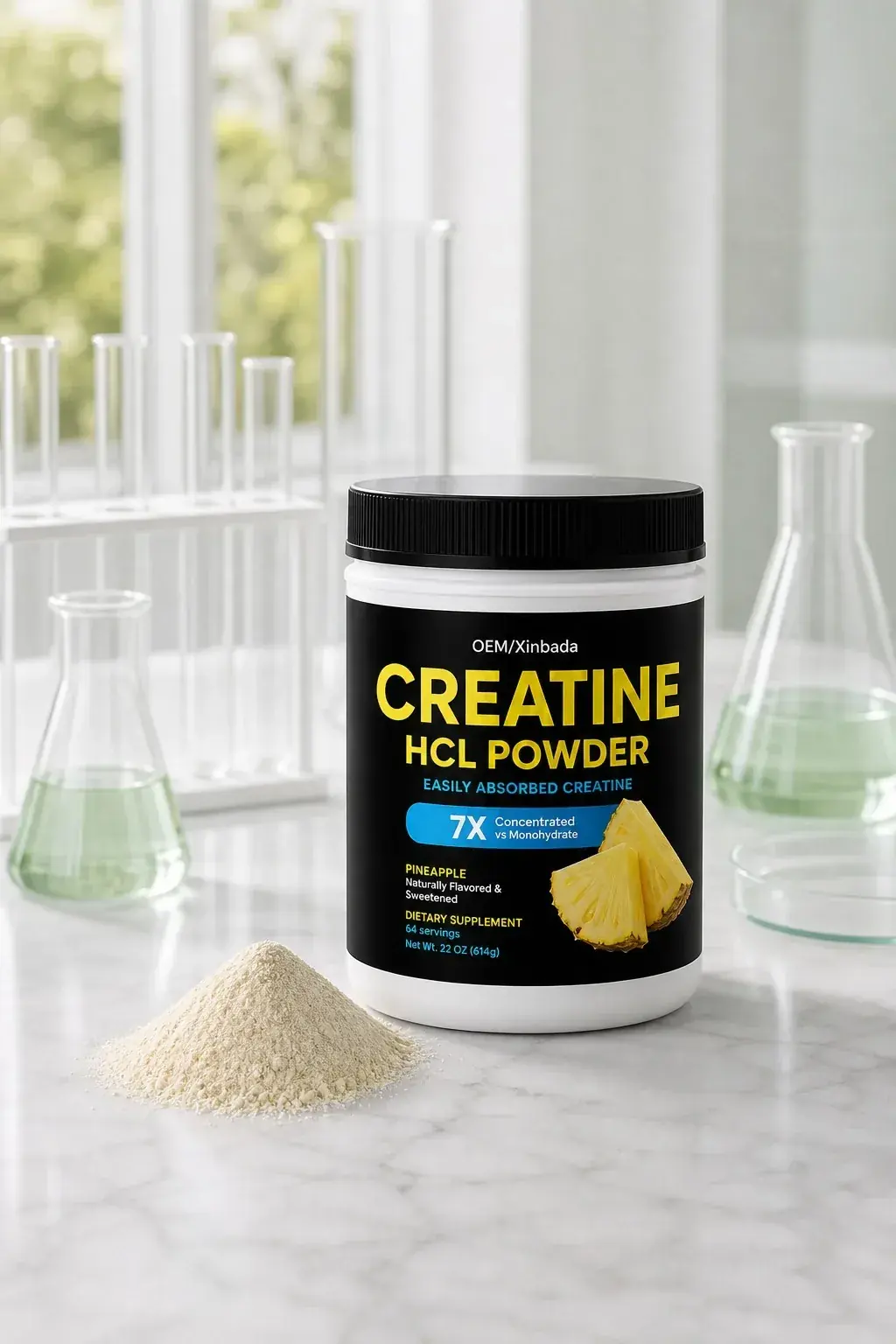
A buyer’s evaluation of plant based protein powder manufacturers should test formula control, supplier records, batch traceability, packaging, and release evidence. The useful method follows one product definition across five handoffs: brief to formula, material to batch, batch to package, result to release, and change request to approved revision. Each handoff needs records, owners, acceptance rules, and an escalation path.
1. Translate the Commercial Brief Into a Controlled Product Definition
A phrase such as “smooth plant protein for retail” is a direction, not a production instruction. It leaves protein sources, sensory target, serving logic, exclusions, sweetening, flavor system, pack format, shelf-life objective, label market, order volume, and test scope unresolved. The first handoff is complete only when the commercial idea becomes a dated specification that technical, quality, packaging, and purchasing teams interpret the same way.
Separate Fixed Requirements From Negotiable Preferences
The buyer should label each requirement as mandatory, preferred, open for proposal, or pending evidence. That simple distinction prevents a sample team from treating an allergen exclusion like a flavor preference or treating a target cost as permission to substitute materials. It also gives the manufacturer a clean basis for feasibility review. When an assumption changes, the project log should identify the affected formula, artwork, tests, cost, timing, and approvals instead of allowing the new assumption to travel through email fragments.
Make the Sample a Traceable Decision Point
A sample is useful only when it identifies its formula revision, material basis, preparation method, date, and intended comparison. Sensory language should be anchored to an agreed method: water volume, temperature, mixing time, rest time, and scoring criteria can all affect perceived texture and flavor. This is where plant protein formulation moves from creative exploration to controlled development. The approval record should say what was accepted, what remains provisional, and whether scale-up could change any attribute.
The manufacturer’s OEM and ODM service description may help frame possible support, but the project record—not the service page—must define the approved product.
2. Connect Every Material Decision to Supplier Qualification Records
Plant proteins, flavors, gums, sweeteners, minerals, botanical components, and processing aids can differ in identity, grade, particle distribution, carrier system, moisture behavior, microbiological risk, sensory impact, and regulatory status. A purchasing name rarely captures all those variables. Strong supplier qualification records show why a source and material were accepted, which specification applies, and what happens when a lot or supplier falls outside the approved basis.
Treat Certificates as Evidence Inputs, Not Automatic Release
A certificate of analysis should match the material, supplier, specification, lot, method, and date it represents. The quality plan should distinguish attributes reviewed on supplier documents from those verified independently. Applicable U.S. requirements depend on product classification and business role, so qualified specialists should confirm actual obligations instead of relying on a logo.
Define Allergen and Substitution Controls Before a Shortage
Allergen control reaches beyond the finished label to supplier statements, shared equipment, scheduling, sanitation, rework, storage, and change notification. Substitution rules should be explicit: some changes are prohibited, some require a new sample and label review, and others may fit a defined equivalence rule. Similar trade names do not prove equivalence.
The FDA describes allergen-management expectations and current good manufacturing practice in public guidance, but a buyer still needs project-specific evidence showing how those controls apply to the selected product and facility. A review of the supplier’s facility context is a starting point, not a replacement for scope-relevant documentation.
3. Turn the Approved Formula Into Repeatable Batch Execution
Good formulation work can still fail during scale-up if addition order, screening, mixing, holds, equipment, environmental conditions, sampling, or filling assumptions are not transferred. A master instruction should describe the intended operation clearly enough for trained personnel to execute and for an independent reviewer to understand. The related batch traceability controls must then capture what actually occurred rather than simply confirming that a form was completed.
Use Records That Reconstruct the Batch
A useful batch record identifies the authorized formula, component lots and quantities, equipment, operators, times, yields, checks, deviations, and disposition. Reconciliation should reveal unexplained loss or excess. The record should connect bulk powder, filled units, packaging, samples, retains, and shipments to one lot identity so a complaint or future-batch comparison can be investigated.

| Handoff | Buyer decision | Manufacturer evidence | Failure signal |
|---|---|---|---|
| Brief to formula | Fixed requirements and approval criteria | Dated formula, sample code, feasibility review | Verbal preferences with no controlled revision |
| Material to batch | Approved source and substitution limits | Specifications, supplier status, lot disposition | Material chosen only by name or price |
| Batch to package | Pack format, artwork, coding, case configuration | Released components, line checks, reconciliation | Obsolete artwork or unclear code ownership |
| Result to release | Acceptance criteria and shipment rule | Results, deviations, review, final disposition | Shipment before required evidence is complete |
| Change to revision | Impact threshold and approval authority | Risk review, sample or test plan, effective date | Several small changes with no cumulative review |
4. Keep Packaging, Artwork, and Filling Decisions Synchronized
Packaging is a technical system as well as a sales surface. Powder density, moisture sensitivity, seals, serving tools, case configuration, and artwork all affect performance. One approval path should connect the product, primary pack, print file, coding plan, case pack, and release status.
Assign Owners to Every Artwork Input
Formula facts, ingredient order, allergen information, serving information, claims, directions, company details, barcode data, code area, and print specifications come from different owners. The workflow should identify who supplies each input, who reviews it, who approves the final proof, and how superseded versions are removed. First-piece verification and line clearance help ensure that correct powder does not enter the wrong pouch or that a correct pouch is not printed with an obsolete code.
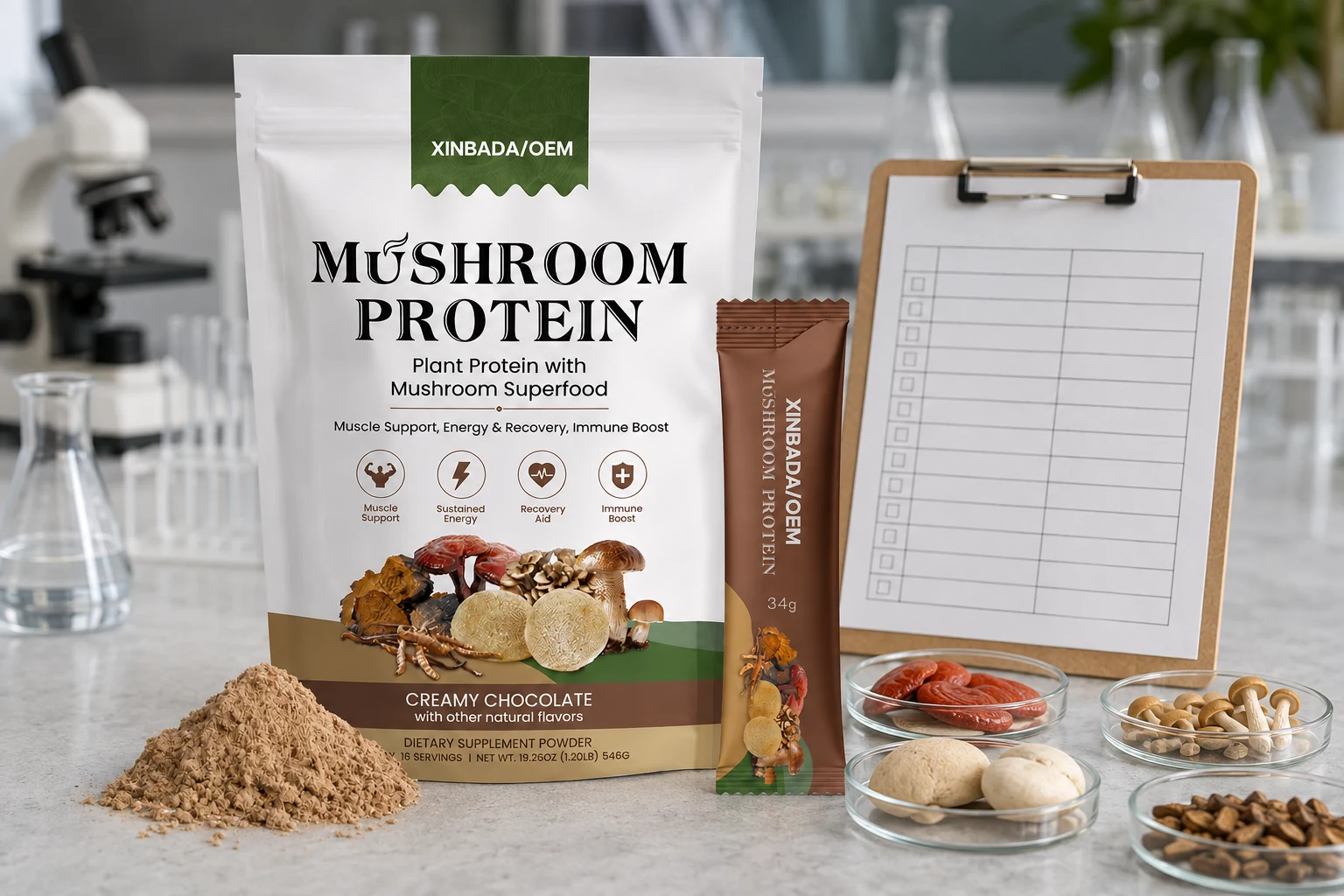
The site’s mushroom protein product page states a 34 g serving presentation, several jar-size options, and OEM/ODM availability. Those are site-stated examples; a buyer’s commercial specification and approved artwork must govern the actual order.

5. Design Release and Change Control Before Production Pressure Arrives
Release evidence is easiest to define before inventory is waiting. The parties should agree specifications, sampling, laboratory roles, result format, deviation treatment, retains, and shipment authorization. A deadline is not a quality disposition and should not silently redefine an acceptance criterion.
Make One Evidence Packet Support One Lot Decision
The release packet may combine material status, executed batch records, in-process checks, packaging reconciliation, code verification, finished-product results, deviations, and an authorized disposition. The exact set depends on the product and market, but internal consistency is non-negotiable: records must identify the same lot, formula, artwork, and specification revision. Buyers comparing plant based protein powder manufacturers should ask for a redacted example of this evidence chain rather than a blank checklist.
Set a Threshold for Reapproval
Ingredient sources, equipment, methods, packaging, claims, and markets can change after launch. Change control should define information, reviewers, risk assessment, sample or test needs, artwork impact, existing-stock disposition, and effective date. It should also assess cumulative impact because several minor changes can create a materially different product.

Build the Shortlist Around Evidence, Not Unverified Promises
For plant based protein powder manufacturers, a structured scorecard makes quotations comparable. Price, minimum order quantity, and lead time belong beside formula ownership, material qualification, process transfer, packaging control, testing, release, complaint support, and change notification. Capacity, system, or certification claims should be matched to current, scope-relevant documents.
- Trace one hypothetical SKU from approved brief to released batch and ask who owns each decision.
- Request examples of revision control, component traceability, deviation escalation, and quality disposition.
- Normalize what each quotation includes: tests, samples, packaging, tooling, documentation, freight, and change fees.
- Confirm whether the buyer, manufacturer, or a third party owns regulatory and label review for the intended market.
- Record unanswered questions as due-diligence gaps instead of converting them into assumptions.
The company overview and technical articles can help prepare questions. Final qualification should still rely on applicable evidence, direct review, contractual responsibilities, and specialist advice where needed.
Frequently Asked Questions
What should a buyer send in the first manufacturer brief?
Include the intended market and use occasion, preferred protein sources, exclusions, sensory direction, serving concept, package preference, estimated volume, target timing, required tests, and named decision owners. Mark which items are fixed and which invite a proposal. A structured brief reduces avoidable sampling and exposes regulatory, material, packaging, or capacity dependencies early.
How many samples are enough before commercial production?
There is no universal count. The right endpoint is an approved, traceable reference supported by defined preparation and acceptance criteria. Additional work may be needed when scale, equipment, material lots, packaging, or process conditions differ from development. The transfer plan should explain how those differences will be evaluated during the first commercial batch.
Is a certificate of analysis sufficient for release?
No single document should be assumed sufficient. The agreed release process may require matching results to the correct lot and specification, reviewing batch and packaging records, resolving deviations, and recording an authorized disposition. The scope depends on product, market, responsibility, and the quality agreement.
How can quotations from different suppliers be compared fairly?
Normalize formula revision, sample rounds, included tests, package materials, printing, setup or tooling, minimum quantities, documentation, freight terms, lead-time assumptions, and post-launch support. A lower unit price may reflect a different scope. Compare the total evidence and service package, not only the number beside each finished unit.
Which records matter after the product ships?
Traceability, retains, complaint intake, investigation support, change history, distribution information, and recall cooperation may all matter. Responsibilities and response timing should be agreed before launch. Records should allow the parties to connect a market issue to the correct material lots, batch execution, package revision, results, and shipment.
For a project-specific comparison, organize the approved requirements, open decisions, expected evidence, and intended market before using the project contact channel; the useful next step is a documented feasibility review, not an assumed manufacturing promise.