A vitamins factory should connect its proposed process, testing and packaging to evidence for the actual batch. A sample alone cannot establish repeatable production or shelf-life performance.
Factory capability starts with the proposed product
A useful supplier review begins with a defined dosage form and a defined manufacturing scope. A company may develop formulas, source ingredients, blend materials, fill capsules, compress tablets, pack bottles or subcontract selected steps. Those activities require different evidence. A general catalogue can establish that a category is offered; it cannot establish which operation will make a particular order, or whether the proposed line has handled that formulation at commercial scale.
NutriCDMO's product catalogue and vitamin range provide a starting point for a product-specific conversation. Treat the published descriptions as supplier statements to investigate. A vitamin B1 capsule example does not validate a multivitamin tablet, a gummy or a different concentration. Ingredients, physical form and the packaging system must be connected to the evidence supplied for the proposed order.
Define the manufacturing boundary before comparing quotations
Ask the vitamins factory to identify the responsible site for each step, including outsourced testing and any external packing operation. The answer should connect company names, locations and responsibilities to a version-controlled product specification. If a quotation says “full service,” request a simple responsibility map. The facility description can help frame these questions. A gap between the formulation developer and the release laboratory can remain invisible until an unexpected test result appears.

Formula transfer must explain what changes at scale
Translate the formula into material and process instructions
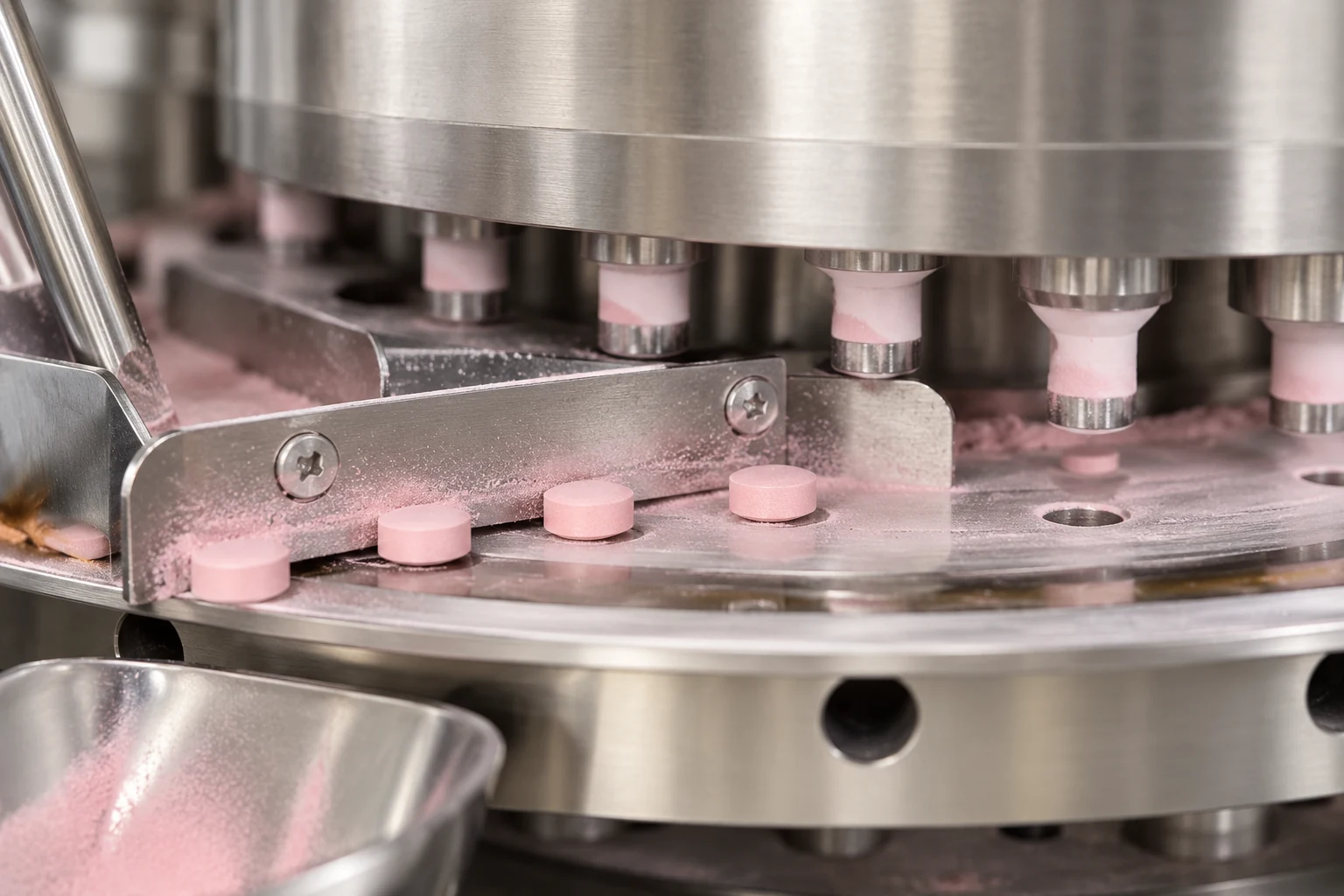
Process transfer connects the intended formula to instructions that a manufacturing team can execute. Ingredient names alone are insufficient. The transfer package should distinguish ingredient identity, acceptable grades, relevant physical characteristics and the basis on which quantities are calculated. A change in carrier material, particle behaviour or moisture condition may affect how a blend moves through equipment even when a headline vitamin name remains unchanged.
Connect blend uniformity to a meaningful sampling plan
Blend uniformity matters because an acceptable average can conceal variation within a batch. A defensible discussion covers sampling locations or stages, sample handling, analytical suitability and how the results relate to the finished dosage units. Simply showing one result close to a target does not demonstrate that the mixing and transfer steps consistently distribute the relevant components.
The OEM and ODM service description can help establish the scope of a development request. The commercial brief should still state whether the job involves an existing formula, a modified formula or a new product. Each route creates a different amount of technical work, and a change in route should not disappear inside an unchanged unit-price comparison.
Production records reveal whether control is repeatable
Follow the lot through actual operations
When evaluating a vitamins factory, follow one anonymised example from incoming materials through manufacturing and packing. A useful record shows material lot references, equipment or line identification, quantities issued and reconciled, important observations and approval points. Confidential commercial information can be removed without removing the structure that demonstrates how traceability works.
Investigate deviations before accepting repeat orders
A deviation is not automatically evidence of a poor supplier. The important question is whether it was detected, contained, assessed and closed with a defensible decision. Ask how material with an unresolved status is kept from routine release, how the affected quantity is identified and how the buyer is informed when a product requirement or agreed delivery assumption is at risk.

Release testing must answer product-specific questions
A certificate of analysis is most useful when the buyer understands what it covers. Check the product and batch identifiers, tested attributes, methods or method references, units, limits, results and authorisation. A document that says only “pass” may leave important questions unresolved. Conversely, a long document is not necessarily useful if its results do not relate to the finished product being purchased.
Distinguish identity, quantity and contamination questions
Identity testing asks whether a material or component is what it is claimed to be. Quantitative testing addresses an amount or concentration. Contamination-related testing addresses a different category of risk. One result should not be used to answer all three questions. The vitamins factory should explain which checks belong to incoming materials, which belong to the process and which support the finished batch decision.
Evaluate results against agreed decision rules
Ask what happens when an initial result is unexpected, when an analytical method is unsuitable for the matrix or when a sample cannot be traced reliably. The response should distinguish investigation from routine retesting and describe who can authorise release. Repeating a test until a convenient result appears does not resolve the original question or establish that the delivered material is acceptable.
Australian buyers also need to separate manufacturing evidence from market-access and claim responsibilities. The TGA's public overview distinguishes listed lower-risk medicines from products subject to different assessment pathways. It does not provide a blanket endorsement of a factory or every vitamin product. The applicable route and supporting evidence should be reviewed for the actual product and proposed claims, with qualified regulatory input where needed.
| Evidence item | Question it can help answer | What it cannot establish alone |
|---|---|---|
| Completed batch record | What operations and checks were recorded for that lot? | Performance throughout the stated shelf life |
| Finished product test report | How did the submitted sample perform against specified tests? | That every future batch will match it |
| Packaging specification | Which components and closure system were agreed? | Suitability for every transport and storage condition |
| Stability study package | What product, pack, conditions and time points were studied? | Automatic equivalence after an unassessed change |
Packaging and stability belong in the same discussion
Stability evidence concerns the product in a defined packaging system under defined conditions. A vitamin ingredient's general reputation for stability cannot establish the shelf life of a finished blend. Likewise, a bottle that looks similar to an approved component may have a different barrier, closure or sealing arrangement. The supplier should connect the proposed pack to the study design and explain the status of the available data.
Ask whether evidence is complete, ongoing or proposed, and distinguish observed results from a planned future endpoint. The IADSA resources reviewed for this article identify manufacturing and stability guidance as separate but related areas of control. The practical purchasing implication is straightforward: an attractive production sample and an initial laboratory result do not answer the time-dependent questions that stability evidence is intended to address.
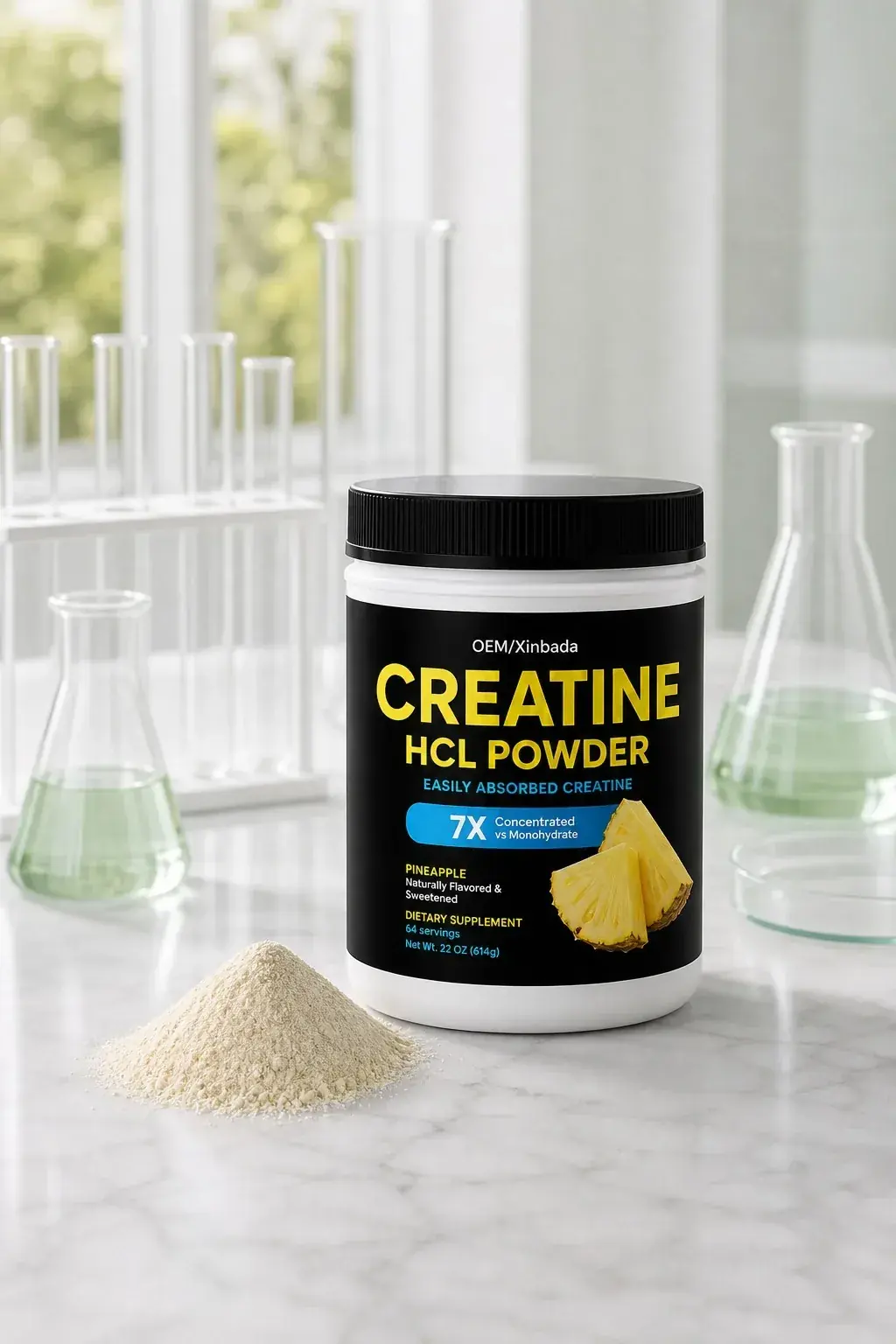
Artwork review is another independent task. Confirm the approved version, readable batch coding, product identity and any statements requiring substantiation. A packaging photograph may contain brand or product wording, but it should never be treated as independent proof of an organic, quality or regulatory status. The acceptance criteria should refer to approved files and documents, not to the appearance of an illustrative article image.
Convert the review into a manageable supply agreement
The partnership service overview can introduce support responsibilities. The best review output is a short list of agreed evidence, responsibilities and unresolved items. The vitamins factory and buyer should know which specification version governs the order, who approves changes and what documents accompany release. A first order can have additional development checkpoints without making every later order a new negotiation. Conversely, a material change should trigger an appropriate review even when the supplier relationship is well established.
A practical sequence is to agree the product brief, review the proposed process transfer package, resolve the sampling and test approach, confirm packaging and assess the available stability evidence. Then identify the information required before dispatch. This order helps avoid paying for a finished commercial batch while fundamental decisions about the product or its supporting documentation are still open.

Frequently Asked Questions
Does a factory catalogue prove manufacturing capability?
No. It identifies products or services offered publicly. Confirm the responsible site, dosage-form experience, proposed operations and product-specific records before treating a catalogue entry as evidence for an order.
Is one certificate of analysis enough to approve a supplier?
It can support a review of that sample or batch, but it cannot establish the complete control system. Examine traceability, testing scope, deviation handling and change responsibilities alongside the results.
Why can a larger batch behave differently from a sample?
Material flow, equipment loading and transfers can change with scale. Process transfer should define what needs to be checked and how observations will be resolved before routine production is assumed to be equivalent.
Can existing shelf-life data support a new bottle?
Only after an appropriate technical assessment of the change. Stability evidence must be relevant to the formulation, packaging and conditions involved; visual similarity between bottles is not enough.
What should be ready before the first production order?
A controlled brief, agreed manufacturing scope, acceptance criteria, documentation responsibilities and a list of unresolved development items provide a useful minimum decision package. Product-specific requirements still need qualified review.
For a defined project, a technical scope enquiry can request the proposed manufacturing steps and evidence package together. A vitamins factory becomes easier to evaluate when every claim is tied to the product, batch or documented responsibility that supports it.