The best health supplement companies need a quality review because a strong reputation cannot establish responsibility for a particular formula, production site and supplied batch.
Define An Eligible Company Before Comparing Its Claims
Match The Business Role To The Required Work
For an existing branded product, the immediate questions concern the exact item, its responsible supplier and the evidence available for that item. For a new private-label formula, development, manufacturing, packaging and release arrangements also matter. A distributor may provide valuable stock access and communication while relying on another organisation for production. That arrangement can work, provided the handoffs are visible.
Set an inclusion rule before collecting names: the company must identify its role, offer the relevant dosage form and provide a route for resolving technical questions. Include a company only when those basics can be checked. This article presents a qualification method based on public material reviewed on 23 October 2026, not a ranked company list or an independent audit of any supplier.
Compare One Defined Project Rather Than Entire Catalogues
Use the same brief for every candidate: the proposed format, ingredient concept, packaging route, intended claims and expected order pattern. Broad catalogue coverage does not establish that every format uses the same equipment, testing or release process. Keep optional future formats separate so a company is not rewarded for capabilities the immediate project does not require.
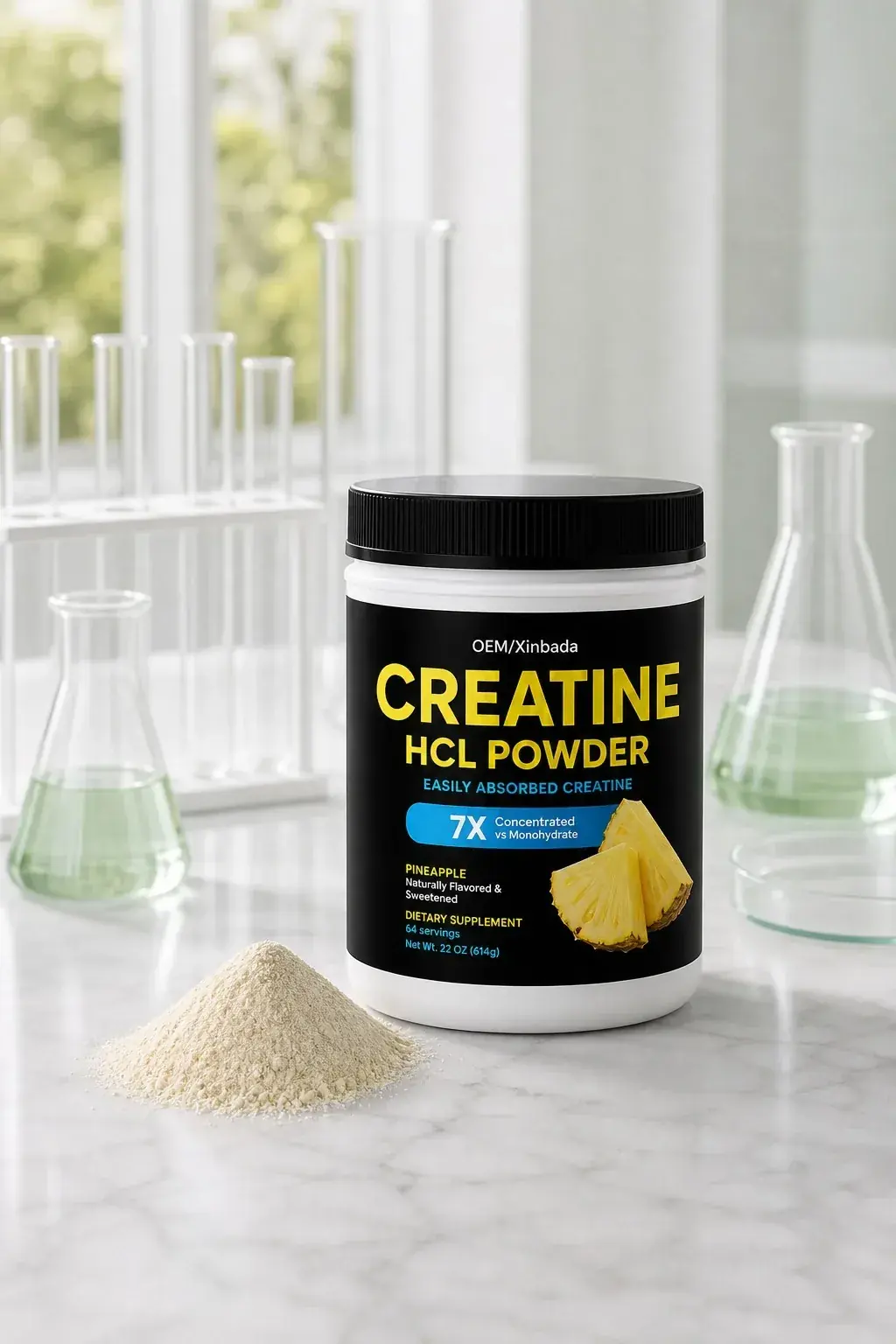
The NutriCDMO product catalogue presents several supplement families. Its listings can establish the products being advertised, while manufacturing scope, current availability and project suitability still require confirmation. Apply that distinction to the host company and every other candidate. A named product image identifies an example; it does not demonstrate a successful audit or suitability for an individual person.
Follow Responsibility Through The Production Chain
Identify The Site Behind Each Manufacturing Step
Ask for a process map linking the proposed formula to the sites involved in blending, forming the dosage, filling, packing and storage. Distinguish an owned operation from a subcontracted one. A company office address is not automatically a production address, and a photograph of equipment cannot confirm that the proposed order will run on that equipment.
Use the facility overview as a starting point for questions, rather than treating its promotional statements as independently verified findings. Request confirmation of the specific line or process relevant to the brief. If manufacturing scope changes between an initial quotation and an order, the qualification decision should be revisited before the change is accepted.
Separate Commercial Acceptance From Quality Release
A sales team may approve a price or delivery date without holding authority to release a batch. Identify who reviews deviations, approves packaging artwork and authorises supply. Record who receives an escalation when a result is delayed or an ingredient cannot be sourced as planned. The answer should describe a responsible role and an actual route for communication.
The FDA's dietary-supplement manufacturing guidance separates production controls, quality control and records. That framework is useful background for asking targeted questions where those requirements apply; it is not a universal certificate or proof that a particular company complies. Keep the applicable product classification and destination requirements separate from a general supplier score.

Read The Scope Behind Every Certificate Or Quality Claim
Connect The Document To The Entity, Site And Product
Record the legal entity, facility address, standard or programme, covered activities and validity information. Check the issuer's own verification route when available. A familiar logo copied onto a presentation is weaker quality evidence than a current record that identifies exactly what is covered. A document issued to another location or legal entity needs an explanation before it is relied upon.
NSF distinguishes certifications for products from its GMP programme for facilities, and different product programmes cover different concerns. This is a reason to read the actual programme and listing, not to infer that every item associated with a company holds the same certification. No certification status is attributed to NutriCDMO or any pictured example by this article.
When reviewing the best health supplement companies, retain an explicit “not verified” state. Missing public documentation is not proof of non-compliance, but it also cannot count as a confirmed strength. Ask for the missing scope or confirmation through the issuing organisation, then record whether the response resolves the specific question.
| Evidence Item | Question It Can Address | What Still Needs Checking |
|---|---|---|
| Current facility document | Which entity, site and activities fall within the stated scheme? | The proposed operation and its current manufacturing scope |
| Product-specific listing | Which named product and programme are covered? | Variant, formula, presentation and current listing status |
| Batch-linked test report | What was tested and reported for the identified sample? | Sample origin, method, limits and connection to supplied stock |
| Approved specification | What has been agreed as acceptable for the order? | Revision control and responsibility for approving changes |
| Complaint or deviation example | How is an exception investigated and closed? | Whether the response prevents recurrence and preserves traceability |
Cross-Check A Real Record Set Before Trusting A Summary
Investigate Mismatched Identifiers Before Comparing Results
Check that the product name and version refer to the same item across the records. Resolve differences in units, ingredient naming, pack quantity or sample description before interpreting a pass statement. A report for a raw ingredient does not automatically describe the finished blend, and an earlier pilot sample may not represent the currently offered version.
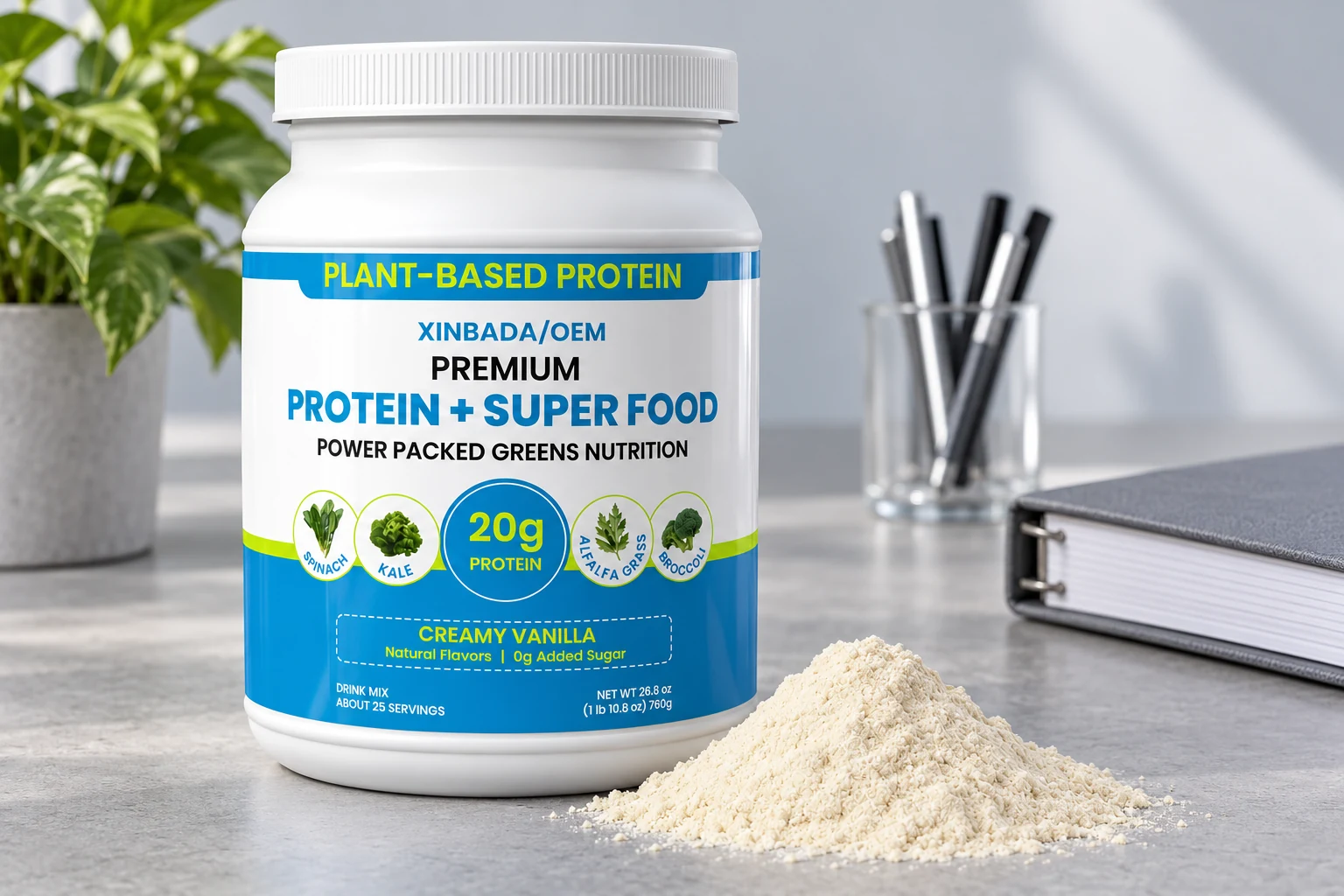
For a powder from the protein product category, for example, the review can start by confirming the exact product rather than assuming every powder has equivalent composition or controls. For a vitamin-format example, use the same discipline: connect the item and its declared form to the relevant specification. These are record-review examples, not claims about test results.
Ask how batch traceability continues after packing. The reviewer should be able to explain how a supplied carton or bottle reference connects to the release record and how affected stock would be identified if a problem emerged. A demonstration using an appropriately redacted record is stronger than an unsupported statement that everything is traceable.
TGA guidance on suppliers of materials for listed and complementary medicines discusses assessment, approval and qualification as a process, with material specifications and actual results playing distinct roles. Its scope is specific to those medicines. For a particular project, establish the applicable regulatory route separately rather than treating the guidance as a blanket rule for every nutrition product.

Test How The Company Handles Changes And Exceptions
Routine orders reveal only part of a supplier's working method. A replacement ingredient, packaging revision or complaint makes the responsibility chain visible. Discuss a realistic exception before placing an order, using a hypothetical case clearly labelled as such rather than inventing a problem in the company's history.
Require A Closed Decision Before A Substitution Proceeds
Consider a hypothetical situation in which the proposed packaging component becomes unavailable. Ask who proposes the alternative, who evaluates its implications and what approval is needed before production. A similar-looking container may change the agreed presentation or handling instructions. The aim is not to reject all substitutions, but to prevent an undocumented change from becoming the supplied default.
For formula or process changes, the same conversation should cover which documents and approvals must be reconsidered. The OEM and ODM service description offers context for discussing development responsibilities; it does not replace a written agreement for a particular project. Capture the approved revision and the point at which it becomes effective.
Next, ask how a complaint is received, assessed and assigned. Define the information needed to identify the affected product and batch, who maintains contact and how the closure decision is communicated. Batch traceability should support a bounded response, while the investigation should distinguish a packaging concern, a shipping issue and a product-quality concern instead of treating all complaints as identical.

Build A Decision Record That Exposes The Remaining Gaps
Compare candidates in a consistent order, such as alphabetically or by business model. Avoid a single numerical total that allows attractive pricing to cancel an unresolved identity or responsibility question. Separate eligibility, verified strengths, open questions and commercial preferences so the reader can see what the conclusion depends on.
- Apply the same inclusion brief and manufacturing scope to every candidate.
- Record the source, date and owner of each piece of quality evidence.
- Classify each criterion as confirmed, unresolved or outside the project scope.
- Assign a specific follow-up to unresolved points, with a decision owner.
- Compare commercial terms only after the essential technical questions have a usable answer.
Frequently Asked Questions
Does A Large Product Range Demonstrate Better Quality?
No. Range shows the breadth of products being offered, while quality depends on the controls and evidence relevant to the selected item. Confirm the proposed format and responsibility chain rather than assuming that experience with one product family transfers unchanged to another.
Is A Public Certificate Enough To Approve A Supplier?
It can support the review when its identity, scope and status are verified, but it rarely answers every project question. Check how the covered activities relate to the order and what product-specific or batch-linked records are still needed.
How Should Confidential Documents Be Handled?
Agree on a practical review method, such as a controlled viewing session or a redacted example. Preserve the identifiers needed to understand the evidence. If redaction removes the connection between the product, site and record, request a different way to confirm that relationship.
Can A Sample Replace A Review Of Manufacturing Controls?
A sample helps evaluate the particular item received, but it does not establish repeatability or explain how future deviations will be managed. Combine sample review with the agreed specification, release responsibilities and batch traceability arrangements relevant to continued supply.
What Makes A Search For The Best Health Supplement Companies More Useful?
Turn the search into a defined comparison of responsibilities and quality evidence. State the project, apply identical criteria, verify the scope of supporting records and keep unresolved questions visible. That approach produces a defensible shortlist without claiming a universal winner.
Before selecting a supplier, prepare one product brief and a short list of unresolved evidence questions. Use the technical inquiry contact to request the relevant specification, responsibility map and document-verification route, then assess the response against the same criteria used for every candidate.