Getting a vitamin customized starts with an agreed brief that connects the formula, dosage form, sample checks and packaging before production is approved.
Define What The Customization Must Change
A useful development brief distinguishes the commercial objective from the technical changes needed to achieve it. A different bottle, a revised ingredient blend and a new delivery format are separate projects, even when they share the same brand concept. Combining them into one vague request makes quotations hard to compare and makes later changes difficult to trace.
Separate The Product Goal From The Proposed Solution
Write the intended product category, presentation, pack quantity and launch constraints first. Then identify which choices are fixed and which remain open to development. For example, a team may require a capsule presentation while leaving the bottle count open, or may require an existing pack size while evaluating the contents. These are planning examples, not recommendations about an individual person's vitamin intake.
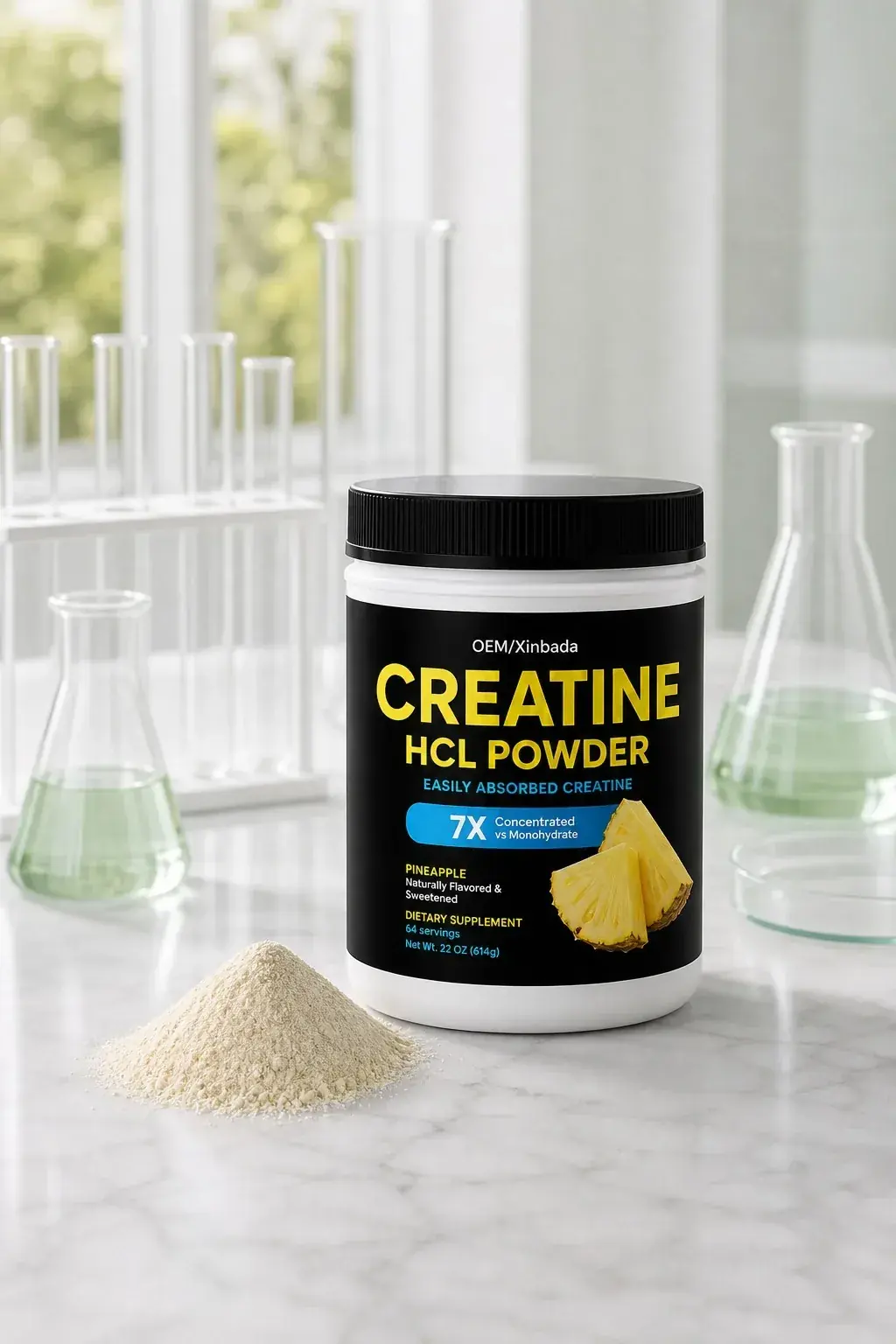
The vitamin catalogue can help establish a starting family, but a pictured item is not a complete development specification. Product names, front-label graphics and promotional wording should be checked against a technical description. A catalogue example can show a presentation without proving that its formulation, label statements or proposed use are suitable for another project.
Give Every Requested Change An Owner
Assign a decision owner to the formula, artwork, commercial scope and technical review. One person may coordinate the project, but different approvals still need different evidence. Record who can authorize a formula revision and who may approve a visual layout. Without that distinction, a design team's request to shorten a label can accidentally remove information that another reviewer expected to retain.
A simple change register should identify the old requirement, the proposed replacement, the reason for changing it and the documents affected. It should also say whether a new sample is required. This turns customization into a controlled sequence of decisions rather than a chain of informal messages. The value is especially clear when several versions are discussed during the same week.
Link Dosage Form To The Acceptance Criteria
The delivery format affects what must be assessed before sample approval. Capsules, tablets, liquids and other presentations cannot be treated as interchangeable packaging choices. The ingredient system, physical presentation and container need to work together. A development team should explain which characteristics are already demonstrated and which remain to be evaluated for the proposed combination.
A Catalogue Bottle Is A Reference, Not A Finished Brief
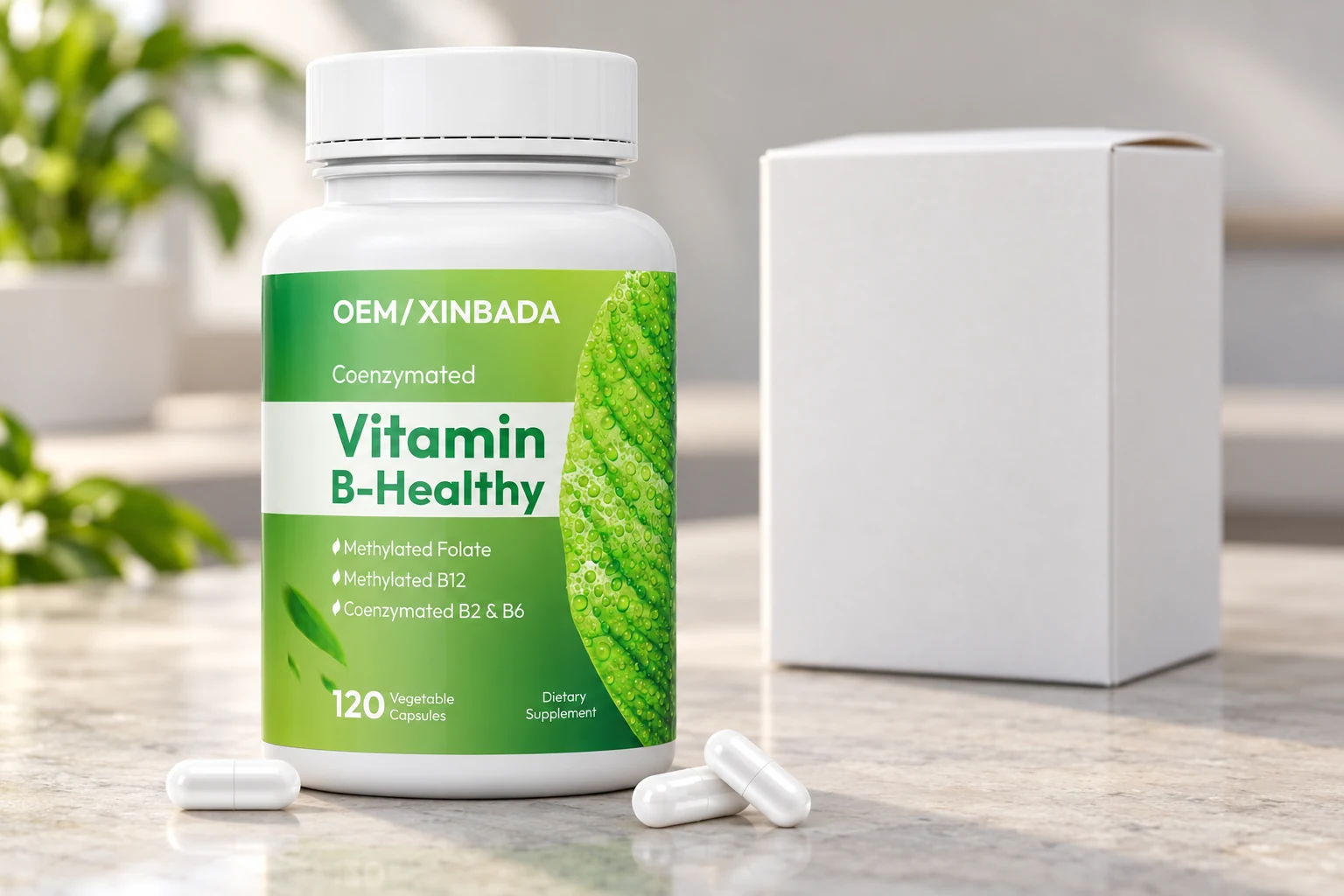
The Vitamin B-Healthy catalogue page is an example of why the page text and the visible package need to be reconciled rather than inferred from a URL. Before using any example as a development baseline, ask for the current form, composition, count and package drawing in a written specification. Do not copy a displayed dose or claim into a new product brief simply because it fits the design.
Specify Observations Before Requesting A Sample
Agree which sample observations matter: appearance, odour, dimensions, handling, package fit and the agreed analytical checks. Describe the conditions and responsible reviewer for each observation. A comment such as “the sample looks good” is useful design feedback, but it does not establish that every technical acceptance criterion has been met.
Use A Revision Map To Keep The Project Coherent
A revision map connects each approved decision to its dependent files. It does not need to be complicated. The goal is to prevent a current sample from being paired with outdated artwork or an earlier quotation. The same reference code should appear in the brief, sample request and approval record so that a reviewer can follow the sequence without reconstructing a message history.
| Decision | Linked Record | Question Before Approval |
|---|---|---|
| Formula revision | Ingredient and finished-product specification | Which characteristics and checks changed? |
| Dosage form | Sample assessment plan | Does the current sample represent the proposed form? |
| Pack count or container | Packaging specification | Are fit, closure and identification confirmed together? |
| Artwork update | Controlled label proof | Does the proof match the current technical description? |
| Commercial quantity | Quotation and production scope | Which development and validation work is included? |
The wider product range provides examples of different formats and presentations. It is useful for discussing alternatives, but it should not turn an open development choice into an assumed commitment. Keep each proposed alternative separate until the team has compared the specific differences, development effort and evidence needed for the selected route.
Approve The Sample Against A Written Review Plan
Sample approval should close a defined set of questions. It should not be a general permission to proceed with any version that looks similar. Identify the sample, its revision, the date received, the assessment scope and any conditions attached to acceptance. This is the point at which the original customization objective becomes a documented reference for later production discussions.
Distinguish Appearance Review From Technical Review
A visual review can assess whether the agreed colour, presentation and package concept are represented. Technical review addresses the agreed product characteristics and supporting records. Keep the two conclusions separate even when the same sample is used. A colour preference does not establish composition, and a satisfactory laboratory result does not automatically approve the artwork.

General manufacturing guidance distinguishes specifications, production records and quality review as separate controls. Their exact application depends on the product and destination requirements. For the buyer's development process, the practical lesson is to request evidence tied to the actual revision being assessed. A broad company statement should not substitute for a product-specific answer to a defined question.
Record Conditional Acceptance Clearly
If appearance is accepted but a packaging question remains open, say so explicitly. List the outstanding item and whether it blocks the next stage. Avoid an unqualified “approved” message followed by separate qualifications in another channel. Conditional acceptance is only useful when both parties understand the condition and can identify who will close it.
When a team wants a vitamin customized after the first sample has arrived, start a new revision rather than silently replacing the earlier decision. State whether the change is cosmetic, commercial or technical and explain which checks will be repeated. The review plan can then be proportionate to the change without pretending that every prior conclusion remains valid.
Make Packaging Part Of The Product Decision
A packaging specification should describe the container, closure, quantity, artwork reference and identification method together. Treating the label as the only customizable element can leave practical gaps at filling, packing or distribution. The chosen presentation also needs an agreed protection and storage basis appropriate to the actual product, rather than a condition copied from an unrelated catalogue item.
Check Fit And Identification As A Set
Review the filled presentation, available label area, closure and the location of variable information. A larger pack count can affect headspace, container choice or shipping layout, while an artwork change may affect the visibility of identification fields. Ask how these dependencies will be represented in the next proof or sample. A packaging specification should resolve these relationships before commercial artwork is treated as finished.

The facility overview can support a discussion of the supplier's stated production activities. It does not by itself confirm the processing route for a particular custom item. Ask which operations are proposed for the project and which are outside the quoted scope. The answer should be tied to the agreed presentation and revision, especially if a third party handles part of the work.
Keep Marketing Artwork Separate From Evidence
Food imagery, lifestyle scenes and badges on a concept mockup should not become unsupported ingredient, performance or certification statements. The riboflavin bottle example illustrates a visual identity, not a recommendation to reproduce its statements in a different market. Review proposed claims and mandatory information through the appropriate product review process before artwork approval.
Plan The Handover Before The First Production Order
The handover should identify exactly what will be produced and which approved references govern it. Commercial quantity, development work, sample status and packaging decisions should be reconciled before scheduling. Ask which factors can change lead time and which approvals must be complete before a production window is confirmed. Avoid converting a general website turnaround claim into a project-specific deadline.
- Confirm the current brief and formula revision, including all unresolved items.
- Attach the sample approval record with its scope and any conditions.
- Attach the current packaging specification and controlled artwork proof.
- Identify the product records to accompany the agreed production scope.
- Define who reviews a proposed substitution or later change before implementation.

The partnership information offers context for a development conversation. Turn that conversation into a list of deliverables specific to the project. State what is included, what requires separate review and how changes affect the schedule. A clear handover lets the team assess a later proposal against an agreed baseline rather than against memory.
Frequently Asked Questions
Can An Existing Product Be Used As The Starting Point?
Yes, if its current technical description is available and the requested changes are identified. A catalogue item can reduce ambiguity about the intended presentation. It does not eliminate the need to confirm the formulation, package and review scope for the new project.
Does A New Label Always Mean A New Formula?
No. Artwork and formulation are separate decisions, although they must agree. Record whether the project changes only the visual identity or also changes composition, form, count or statements. That distinction determines what evidence is needed before the revised version is accepted.
What If Two Reviewers Prefer Different Samples?
Compare their reasons against the written criteria rather than averaging the preferences. One reviewer may be assessing appearance while another is assessing handling or technical evidence. Resolve the relevant requirement, then record a single decision with any remaining limitations.
When Should A Further Sample Be Requested?
Request one when a material change leaves an acceptance question unanswered. The decision should follow the nature of the change and the evidence already available. It should not depend solely on whether the revised package looks similar in a photograph.
What Marks A Customization Project As Ready For Handover?
A project is ready when the accepted brief, sample, formula revision and packaging specification describe the same product and the remaining responsibilities are explicit. Getting a vitamin customized is therefore complete only when the chosen changes are traceable and the next stage can proceed from one coherent set of records.