A vitamin manufacturer should connect its proposed product, production controls and release records before approval, so that each claim can be checked against the same project.
A convincing presentation is only the beginning of an assessment. A factory photograph describes a setting; a sample describes one physical item; a certificate describes a defined scope. None, by itself, connects a future order to a repeatable process. The useful question is whether the available evidence follows a product from agreed specification through manufacture, packing and the decision that permits shipment.
Define The Product That The Assessment Actually Covers
Separate The Ingredient Name From The Finished Specification
The vitamin product range can cover several chemical forms, strengths, dosage formats and packaging arrangements. An assessment of a tablet project cannot simply borrow the conclusions of a liquid product review. The starting record should identify the intended composition, dosage form, pack presentation and version of the specification. Every later sample or document should either match that record or explain its difference.
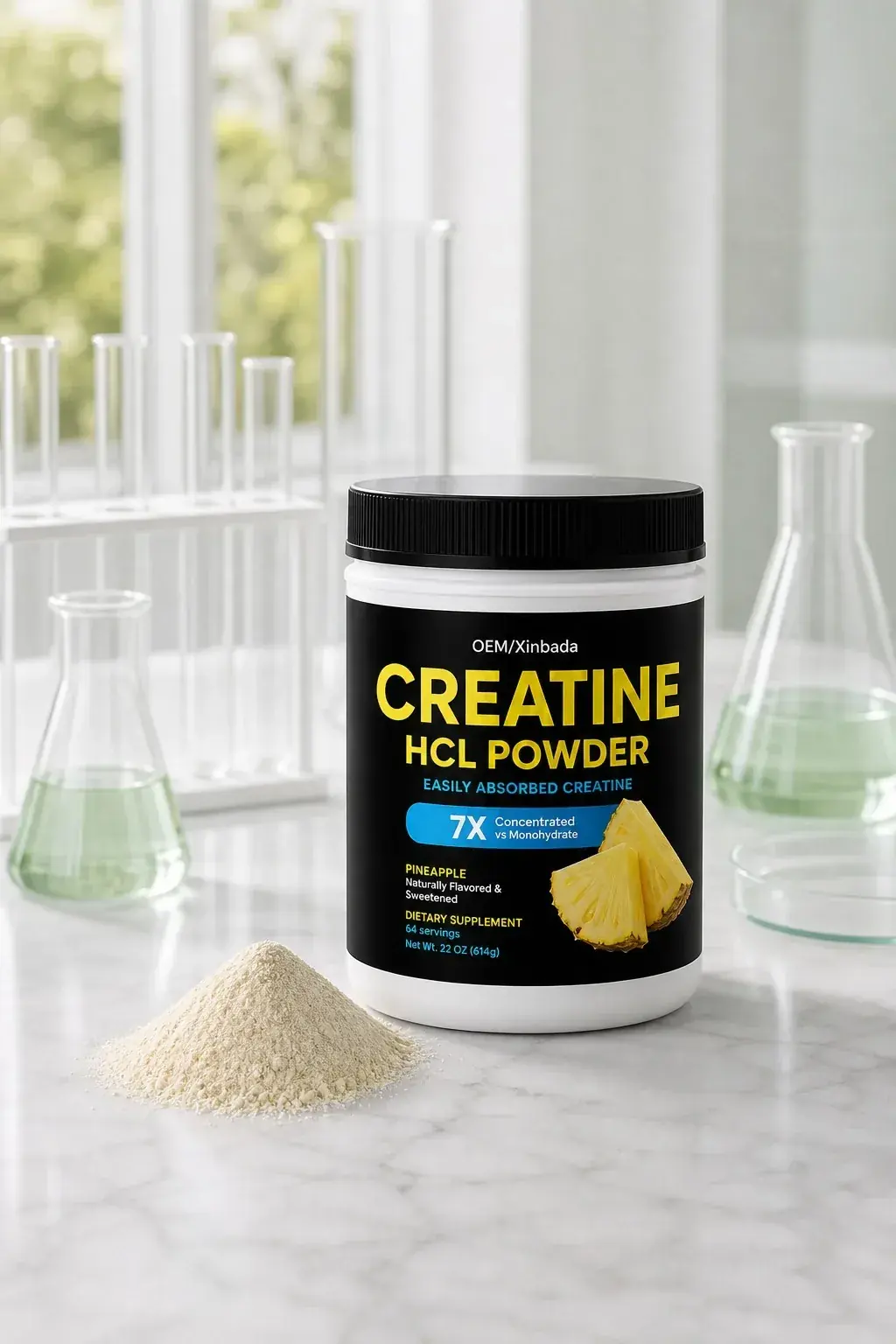
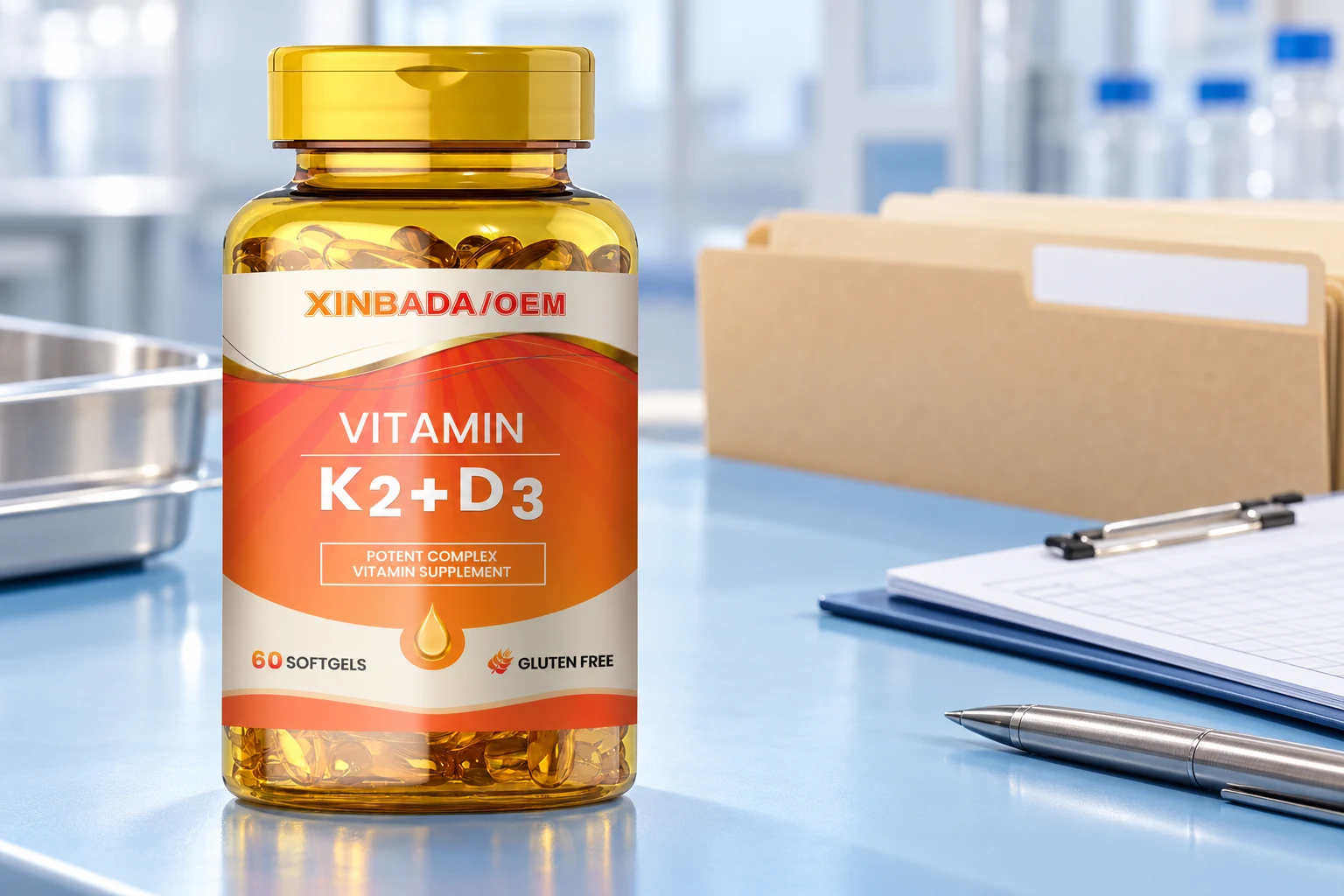
NutriCDMO's vitamin catalogue provides examples for an initial discussion. Its product pages and package illustrations are useful for discovering formats, but the agreed project specification must settle any difference between a gallery label and a page description. A release profile, serving amount or pack count should never be inferred from whichever promotional panel appears most prominently.
Draw The Manufacturing Boundary Before Comparing Evidence
Identify which organisation performs formulation, blending, dosage-form production, packaging, testing and final disposition. If more than one site participates, record the handoff between them. Supplier qualification becomes much more useful when each submitted document is tied to a named activity and location. A general company introduction cannot establish that every listed process happens at the same facility.
Consider two offers for the same concept. One includes finished bottled tablets; another supplies bulk material for a separate packer. Comparing their document lists without defining these boundaries may make the second offer appear incomplete or the first appear more comprehensive than it is. The partnership overview can open this discussion; responsibilities provide the fair basis for comparison.
Ask For A Linked Evidence Set
A vitamin manufacturer can be assessed through a small set of connected records before a larger document request is justified. The purpose is to see whether the company can explain how its proposed product will be controlled. Sensitive commercial details may be redacted, provided the remaining information still shows scope, version, responsibility and the basis of the decision.
| Evidence Requested | Connection To Check | Question If The Link Is Missing |
|---|---|---|
| Project specification | Formula, dosage form and pack refer to one approved version | Which version governs the sample and quotation? |
| Manufacturing scope | Named site and activities match the proposed supply route | Which steps are subcontracted? |
| Sample record | Sample identity and preparation conditions are traceable | Does the sample represent the proposed production process? |
| Test evidence | Method, acceptance criterion and tested item are identifiable | What decision can this result support? |
| Packing record | Artwork, container and batch identification remain linked | How are mixed or superseded components prevented? |
| Release decision | Authorised review addresses results and unresolved exceptions | Who may approve shipment and under which conditions? |
Read Scope And Validity Before Accepting A Logo
For a certificate or licence, check the issuing organisation, named entity, site address, covered activities and current validity through an appropriate source. Similar names do not establish the same legal entity. A document covering one operation does not automatically cover every dosage form, subcontractor or destination. Where an issuer's record cannot be verified, retain the claim as unconfirmed and ask for a usable verification route.
This is a scope check, not an assumption that any particular document is universally required. Product classification and intended market affect the applicable obligations. General marketing statements on a facility page should lead to focused questions about the proposed work, not be repeated as independent proof of regulatory status.
Give Test Results A Specific Decision
A report is useful only when the assessed material or finished batch can be identified and the result can be compared with an appropriate acceptance criterion. Check units, method reference, sample identity and date. A result for a raw ingredient does not necessarily establish the composition or stability of a packed finished product. Likewise, a photograph of testing equipment does not show which tests were performed.
A simple document index can expose gaps without collecting unnecessary paperwork. For each claim, list the supporting record, its owner and the decision it supports. Mark missing evidence explicitly. Avoid turning an unanswered request into a presumed pass merely because the company has supplied a large number of unrelated attachments.

Check Whether The Sample Can Become A Repeatable Order
Record How The Sample Was Prepared
A development sample may demonstrate appearance or feasibility while leaving production-scale controls unsettled. Ask whether its equipment, process sequence, ingredients and pack were representative of the intended order. Record which differences are temporary and which require another check. A favourable first impression should not erase the distinction between a concept sample and a production-representative sample.
The OEM and ODM service overview can frame the available discussion, but it does not replace a project-specific handoff. For example, a change in tablet format may affect tooling and packing checks, while a new liquid pack may change closure and handling questions. The supplier should explain the relevant review instead of treating every change as a simple artwork update.
Examine The Controls Around Variation
Supplier qualification should explore what happens when a material, process or packaging component changes. The valuable evidence is a workable change-control route: who assesses the effect, who approves it, which records are revised and whether additional samples or testing are needed. A promise that production is consistent becomes assessable only when variation has a defined response.
There is no need to invent a universal tolerance for every attribute. The specification should identify which characteristics matter and how they are assessed. A softgel's appearance, a tablet's physical performance and a bottle's closure function involve different questions. The reviewer should seek explanations that fit the actual dosage form, rather than applying the same checklist without adjustment.

Make Release And Exception Handling Visible
Allocate Responsibility Before The First Batch
A quality agreement should describe the responsibilities that matter to the project, including document approval, investigations, change notification and the decision to release product. It should not merely repeat the commercial quotation. The parties need a shared understanding of who supplies evidence, who reviews it and what happens when a required record is absent.
TGA guidance on release for supply describes the role of authorised personnel and the responsibilities of manufacturers and sponsors within the applicable medicines framework. FDA dietary supplement guidance separately addresses specifications and manufacturing records in its own regulatory context. These sources support asking precise responsibility questions; neither establishes that a host website or a pictured product holds an approval.
Test The Process With An Unresolved Result
Ask the proposed partner to explain a hypothetical exception, such as a test awaiting completion or a packaging discrepancy found during review. The answer should identify how the item is held, who investigates, what evidence closes the issue and how the final decision is recorded. This exercise checks communication and authority without asking for a confidential history of unrelated customers.
Batch release should be treated as a documented decision, not a date automatically reached when manufacturing ends. Commercial urgency does not answer a technical exception. The quality agreement should establish a clear escalation contact and an agreed response route help prevent repeated requests from circulating among sales, production and quality staff without a responsible owner.
Follow The Product Through Packing And Delivery
The last manufacturing steps can weaken otherwise sound evidence if batch identity, artwork or packaging versions become disconnected. Ask how the correct components reach the line, how obsolete artwork is excluded and how the delivered unit can be connected to the corresponding records. A finished carton should not become an anonymous object once it leaves the production area.
Storage and transport expectations belong in the project record. These should reflect the actual product and packaging evidence rather than an assumed universal shelf life. If the proposed route introduces heat, moisture or long holding periods, ask how those conditions are considered. A printed expiry statement alone does not explain the basis of the stability decision.

Turn The Review Into A Defensible Approval Decision
The outcome of supplier qualification need not be a simple yes or no at the first meeting. A record can distinguish approved scope, pending evidence and excluded activities. For example, a company may be suitable to continue sampling while a destination-specific document review remains open. That is a conditional next step, not approval for unrestricted production or shipment.
Before approving a vitamin manufacturer, compare unresolved questions with their practical consequences. A minor formatting omission differs from an unidentified manufacturing site or an unexplained mismatch between the sample and specification. Set a closure owner and a decision date for each substantive gap. If new information changes the proposed product, reopen the affected review instead of retaining an outdated approval.
Frequently Asked Questions
Does A Product Catalogue Establish Manufacturing Capability?
It establishes what is being presented for discussion. Capability requires evidence tied to the proposed product, process and site. Catalogue images and descriptions should be reconciled with the current specification before a purchase decision.
Is One Certificate Enough For Supplier Approval?
No single document answers every question. A certificate has a defined scope and validity. The review must also connect the product, manufacturing activities, sample, relevant testing and release responsibilities.
Can A Good Sample Replace Production Evidence?
A good sample helps assess selected attributes, but it does not show how future batches will be controlled. Record its preparation conditions and identify the additional evidence needed to connect it with the intended production process.
When Should An Assessment Be Revisited?
Revisit the affected scope when the formulation, dosage form, manufacturing site, process, pack or relevant requirement changes. The depth of review should follow the effect of the change, with unresolved matters clearly recorded.
For a specific project, the technical enquiry route can be used to request a linked specification, sample history and responsibility outline before the approval scope is agreed.