Private label supps need distinct sample decisions: a catalogue reference, a development version, a production trial and a traceable batch reference each answer different questions.
An attractive bottle can start a discussion, but it cannot describe the route by which a formula becomes a repeatable finished product. A sample might come from existing stock, a small laboratory preparation or a particular manufacturing lot. Those origins affect the conclusions that can reasonably follow from an inspection. The first useful question is therefore not simply whether the sample looks acceptable. It is which version was supplied, why it was made and what decision the receiving team is expected to make.
1. Use The Catalogue Sample To Define A Starting Reference
Record Which Attributes Are Being Compared
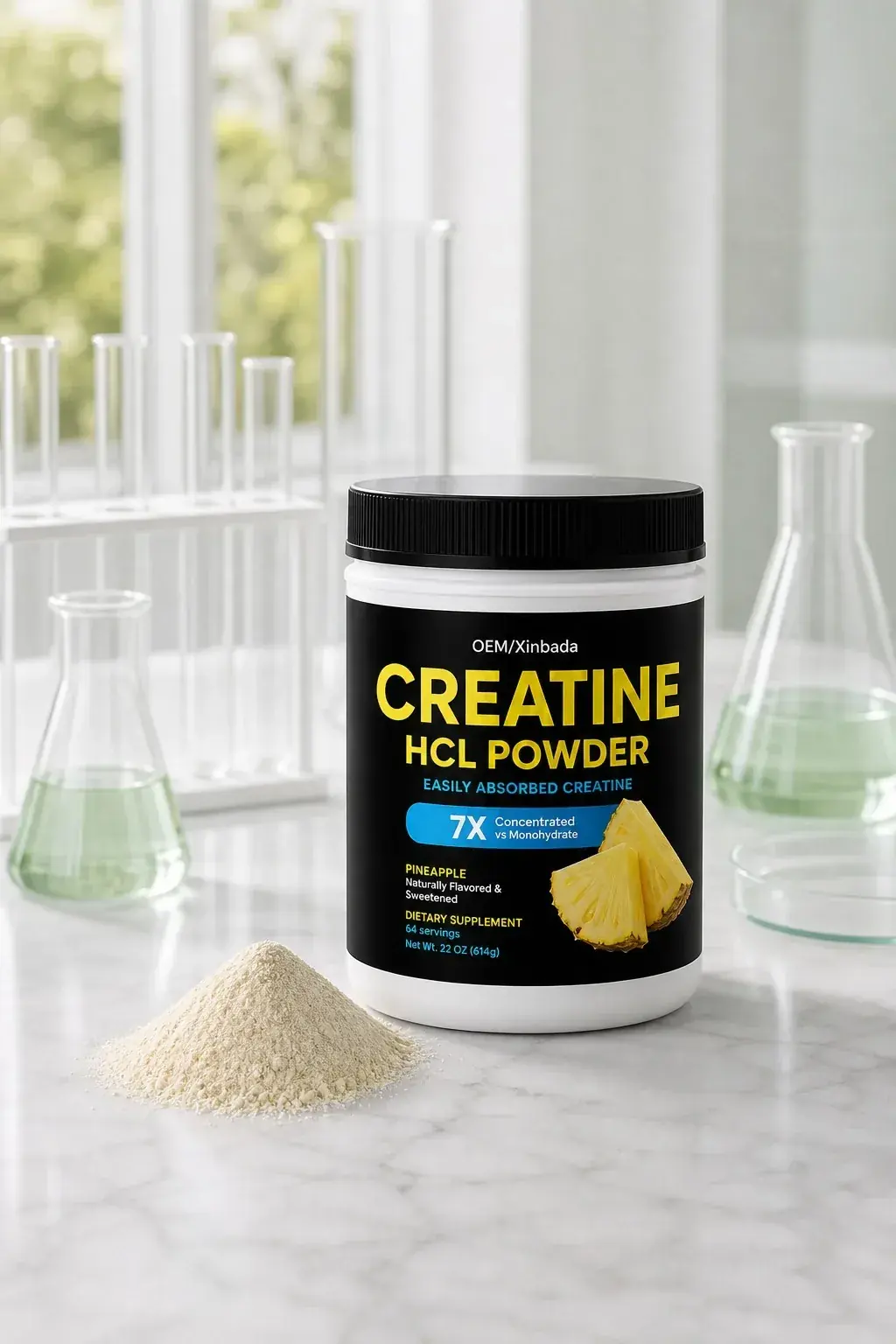
A catalogue example is useful for discussing presentation, container handling, dosage format and the amount of information available on a label. It should have a reference identifier and a dated description. If the project concerns a tablet, the discussion might concern the finished unit and its packaging. If it concerns a gummy, texture and individual form become separate development questions. A photographed product is evidence of the visible example, not proof that every requested ingredient, claim or destination requirement has already been assessed.
The current NutriCDMO product catalogue includes several supplement formats. That breadth provides possible starting references, but the chosen example should still match the intended project. A bottle used to discuss closure and label placement should not silently become the agreed formula. Record whether the reference is selected for packaging, physical format, flavor direction or another stated attribute, and leave the remaining attributes open until they are reviewed.
Keep Existing Artwork Separate From The New Brief
Existing label wording may relate to a different formulation, serving instruction or market. Copying it into a new project before reviewing the underlying evidence can create a mismatch even when the package looks professional. The sample record should distinguish text to be investigated from text already approved for the new product. This also avoids treating a product name or a catalogued strength as a default recommendation. A private label project needs its own agreed specification and review responsibility.
2. Make Development Samples Answer Specific Questions
Change One Defined Feature At A Time
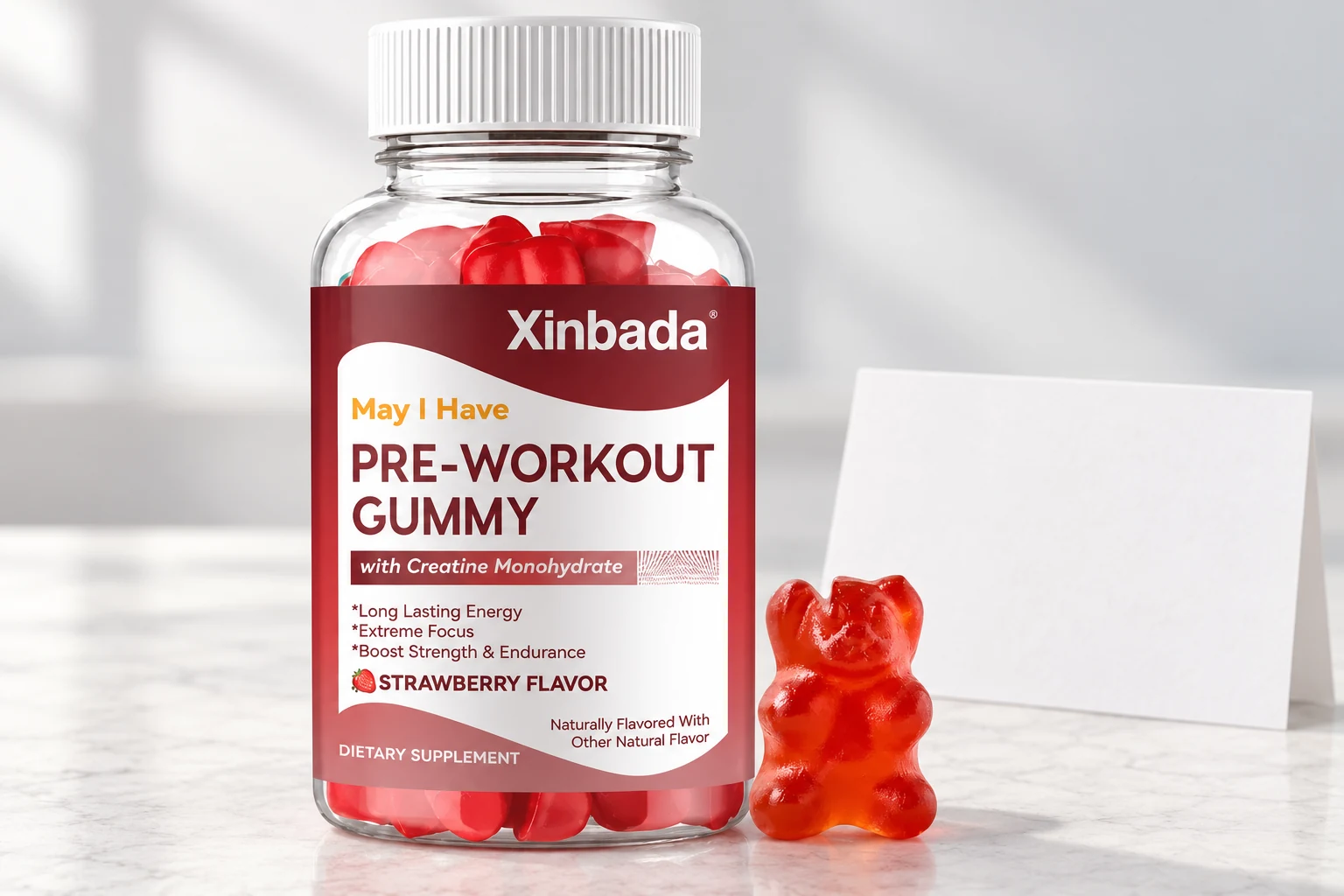
A development version should address a written question: whether a proposed flavor direction is suitable, whether a dosage format is practical, or whether a packaging concept needs further work. When several features change at once, the team may be unable to explain why the result improved or worsened. A comparison record should list each intentional change, the unchanged reference and the evaluation method. This is a practical way to make sample approval intelligible to people who did not attend the discussion.
For example, two coded versions of a powder might be prepared to compare a flavor adjustment while keeping the intended preparation method constant. The evaluation record should state that method rather than relying on memory. A reviewer who uses a different liquid volume or temperature is answering a different question. This example does not establish a formula, serving size or test method for a specific NutriCDMO item; those details belong in the project specification agreed with the responsible team.
Separate Sensory Preference From Analytical Acceptance
A favorable appearance or handling impression does not establish composition, microbiological suitability or stability. Those questions require appropriate specifications, methods and qualified review. Conversely, an analytical result does not decide whether the package is easy to use or whether instructions are understandable. Keep the decision categories separate so that “accepted for appearance” cannot be mistaken for “released for sale.” The status should name both the scope of acceptance and any unresolved work.
NutriCDMO describes development support on its OEM and ODM service page. A project discussion can use that service context to identify the next submission and responsible reviewer. It should still confirm the actual scope in writing rather than inferring a complete testing program from a general service description. The sample identifier should connect to a formula revision, preparation date and relevant supporting documents.

For a product intended for Australia, classification and proposed claims deserve their own review before final artwork is accepted. FSANZ explains that sports products may fall within food or medicine frameworks, depending on relevant characteristics. Its nutrition and health claim guidance also distinguishes permitted claims and supporting evidence. These sources explain why a sample label is not itself proof of suitability; they do not determine the classification of the particular project.
3. Use A Production Trial To Examine Transfer Conditions
Define What The Pilot Batch Represents
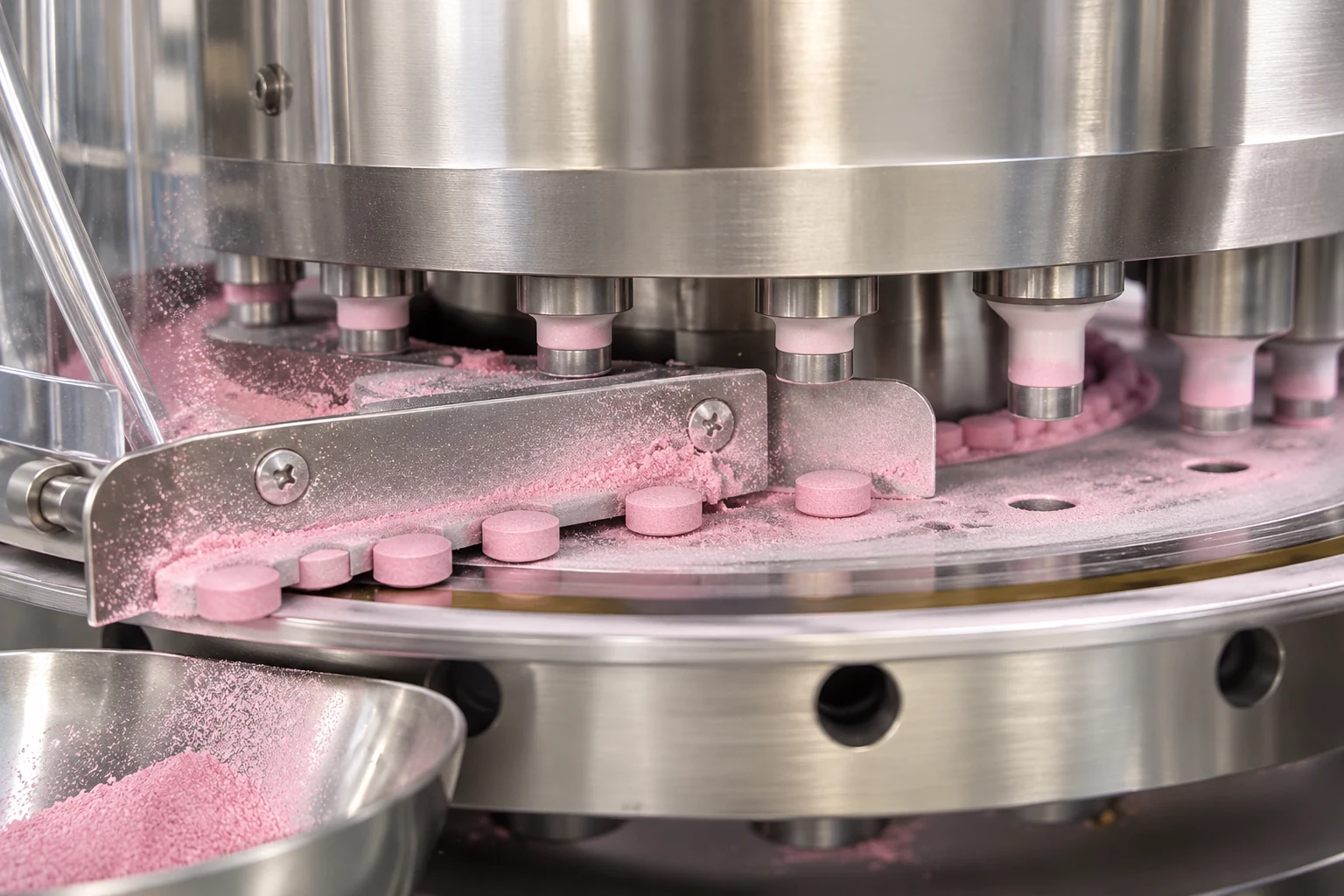
A pilot batch is useful only when its relationship to the planned commercial process is described. Equipment, batch scale, ingredient versions, processing steps and packaging conditions can differ between a development bench and a manufacturing line. The record should identify relevant differences and explain which conclusions can be carried forward. A small run made with a different filling method may support one decision while leaving another unresolved.
This is the point at which private label supps need a clear handoff between the accepted development brief and manufacturing instructions. The project should identify the formula revision being transferred, the packaging components being trialed and the acceptance criteria used to evaluate the output. “Same as the sample” is too vague when multiple samples have circulated. A photograph and an email subject line cannot replace a controlled reference to the version being manufactured.
Review Deviations Before Calling The Trial Complete
If a production trial requires a changed ingredient source, a different container or an adjustment to the process, record the change before comparing the output with the development reference. The technical team should determine whether the existing evidence still applies and what additional review is necessary. The appropriate response may be acceptance within an agreed boundary, another trial or a revised specification. It should not be an undocumented attempt to make the result look closer to an earlier sample.
The facility page provides context about the manufacturing setting. A facility description or production photograph does not demonstrate the conditions of a particular pilot batch. Request the relevant project records and responsibility assignments when deciding what the trial actually establishes. The same distinction applies to estimated schedules: a date becomes meaningful when it identifies the required inputs and the acceptance work that must occur before the next stage.
| Sample stage | Decision it can support | Record to keep | Conclusion to avoid |
|---|---|---|---|
| Catalogue reference | Choose a starting format or presentation | Reference code and intended comparison | The new formula is already accepted |
| Development version | Assess a defined formulation or packaging question | Revision, method and scoped feedback | Preference proves every quality attribute |
| Production trial | Review transfer under stated process conditions | Trial conditions, deviations and review outcome | One trial guarantees every future lot |
| Batch reference | Support later investigation and traceability | Lot identity, storage and access history | One retained unit represents all possible variation |
4. Keep A Batch Reference That Can Be Found Later
Link The Retained Sample To Its Actual Lot
A retained sample should connect to the manufactured lot, its specification revision and relevant release records. A development sample kept on a shelf is not automatically an adequate substitute. The reference needs an identifiable purpose, suitable handling arrangements and a responsible custodian. The quantity, retention period and conditions should follow the applicable quality system and product requirements; they should not be guessed from an attractive example package.
Traceability also depends on recording what has happened to the unit. An opened container may no longer answer the same questions as an unopened one. If a reference is used for examination, document that use and any resulting limitation. Where more than one unit is retained, organize identifiers so that later reviewers can distinguish the original storage group from units sent elsewhere. The goal is a reference that supports a fair investigation, not simply a box labeled “old samples.”
Preserve Context When A Complaint Arrives
A complaint review needs the reported lot, handling history and current specification. Compare the stored reference under known conditions, and record any opened packaging or earlier examination that limits its value.

Turn Each Approval Into A Bounded Decision
A useful sample approval record contains a sample code, version, decision date, reviewer, accepted attributes, unresolved items and next action. It can be concise, but it should be specific. For example, acceptance of a closure's handling does not establish compatibility with the contents over the intended shelf life. Acceptance of a flavor direction does not release the artwork. These boundaries should travel with the decision when it moves from development to purchasing or production.
One practical handoff sequence is to identify the current reference, state the proposed change, list the decisions affected, obtain the appropriate review and then issue the next controlled version. The previous record should remain accessible with its status clearly marked. If an accepted version is replaced, explain why; otherwise an older sample may continue to circulate and become an accidental second standard for the same project.
Frequently Asked Questions
Does Every Project Need Four Physical Sample Submissions?
No. The four stages describe distinct decision purposes. A project may combine submissions or require repeated development rounds. What matters is that each acceptance statement identifies what the sample represents and what remains unresolved before manufacture or release.
Can A Catalogue Sample Be Used As The Final Manufacturing Standard?
Only if the responsible teams explicitly establish that relationship and document the applicable specification, version and limitations. A catalogue item chosen for its appearance is not automatically the agreed formula, package or market-ready label for another project.
What Should Happen If The Trial Version Differs From The Approved Development Sample?
Record the differences and assess their effect on the decisions already made. The technical review may require updated evidence or another trial. Avoid accepting a change only because the new result looks close to the previous sample.
Does Keeping A Sample Prove That A Batch Will Remain Acceptable?
No. A stored reference supports traceability and later examination under known conditions. Its existence is not a substitute for suitable specifications, stability work, manufacturing controls or the review needed to release the actual batch.
Before advancing private label supps to another stage, agree on the next sample's purpose and the exact decision it must support. A focused sample-stage discussion can start with the current reference, proposed changes and unresolved evidence.