For private label health supplements, shelf-life decisions need evidence tied to the actual formula, pack and storage conditions.
A date printed on a bottle is the end of a decision process. A brand team needs to know what was studied, which characteristics were followed and whether the proposed commercial pack matches the study. Two products can look alike while their ingredients, moisture exposure or closures differ. A confident discussion therefore starts with the relationship between a specific product and its records, rather than a shelf-life number copied from another quotation.
This article sets out a practical review method for an Australian private-label project. It does not assign a legal category to every supplement or prescribe a test programme. Food and therapeutic-product pathways differ, and the applicable requirements must be established for the intended product and claims. The focus here is how to make the evidence understandable before a formula or packaging system is approved.
Define The Product Behind The Proposed Date
Freeze A Reviewable Formula And Pack
The starting record should identify the formula revision, dosage form, proposed serving presentation and pack components. A phrase such as vitamin capsule is too broad to connect a report to a saleable item. Record the bottle material, closure, liner, fill quantity and any moisture-control component. If these details remain provisional, label the shelf-life discussion provisional as well. This prevents a purchasing team from treating an early estimate as a completed technical conclusion.
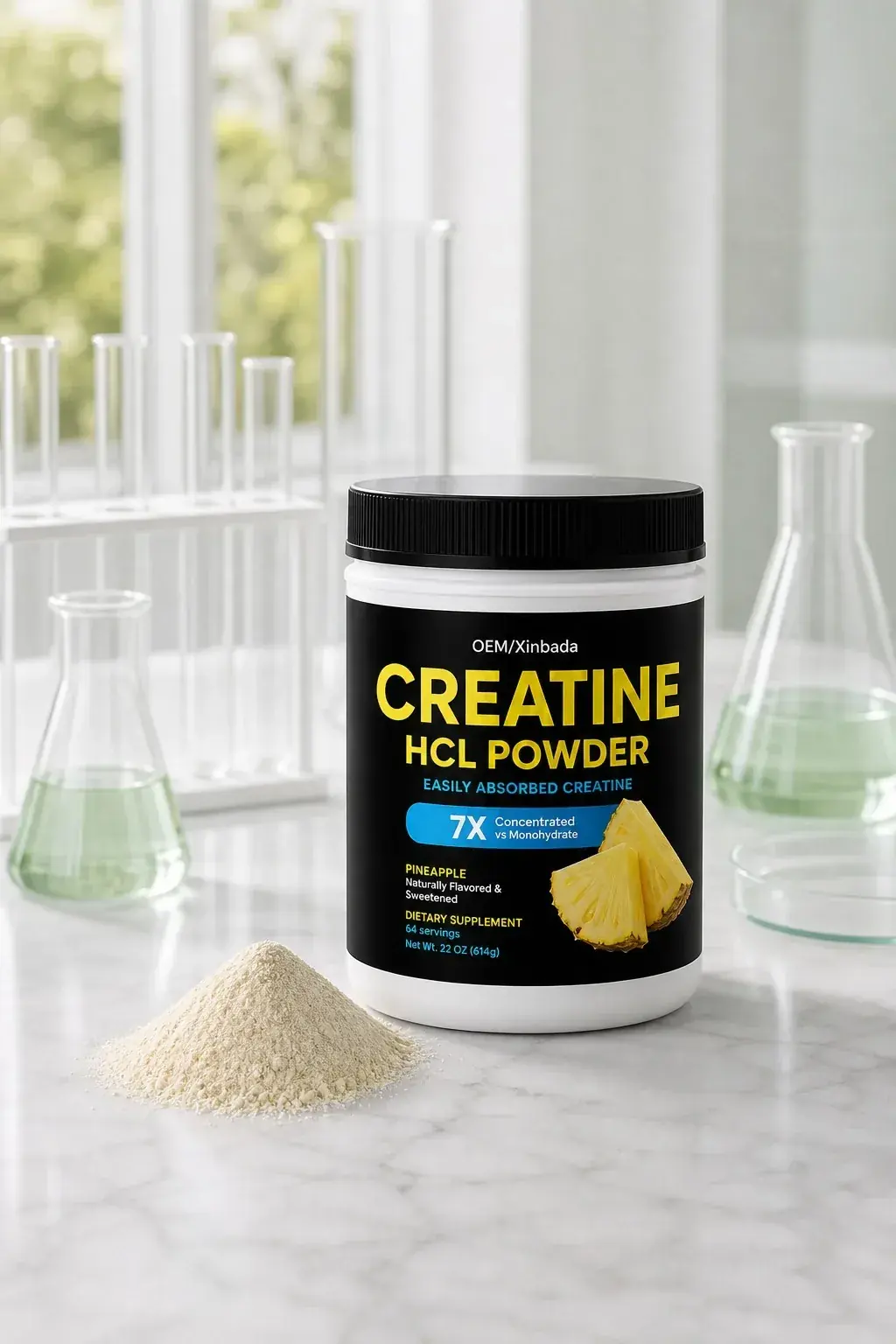
The NutriCDMO catalogue presents multiple supplement formats, while its vitamin range illustrates why the dosage form must be named. A softgel, tablet and capsule require different observations. A product image can help establish package identity, but it cannot show the formulation revision or demonstrate how the contents change over time.
Separate Catalogue Information From Project Evidence
A catalogue shelf-life statement describes the item as offered on that page. It is not automatically stability evidence for a custom version. For private label health supplements, ask which parts of the proposed product are unchanged and which have moved beyond the studied configuration. A new flavour, active concentration or closure may require a documented assessment even when the brand name is the most visible change.
Read Results As A Time Series
Distinguish Release Checks From Stability Evidence
A release result asks whether a batch meets defined criteria at a particular point. A stability programme asks how relevant characteristics behave through time under specified conditions. One acceptable result cannot answer both questions. A report that lists a test method and a value but omits the sample age or storage history leaves a major part of the shelf-life question unresolved.
For products that fall within the Australian listed complementary medicine pathway, TGA guidance discusses stability-indicating testing and the relationship between the product, its pack and the proposed storage statement. That scope should remain explicit. The same guidance should not be presented as a universal legal rule for every food supplement. A project reviewer should first confirm the applicable pathway, then assess the relevant evidence with the responsible technical team.
Look For Trends And Their Explanation
Read a sequence of results rather than the final row alone. Identify the test points, acceptance limits, methods and any change in method during the study. If values approach a limit, ask how the trend was assessed and whether the proposed period is supported. If a result is missing, record the gap and its consequence for the decision instead of treating an empty cell as a pass.
A useful stability evidence summary links each conclusion to a report section. It states what is measured, what the result means and what remains outside the study. An appearance observation may be useful, for example, but it does not replace an assay where that assay is needed. Equally, an acceptable assay does not explain a closure leak. Different observations answer different questions.

Match The Packaging System To The Study
Compare Components One By One
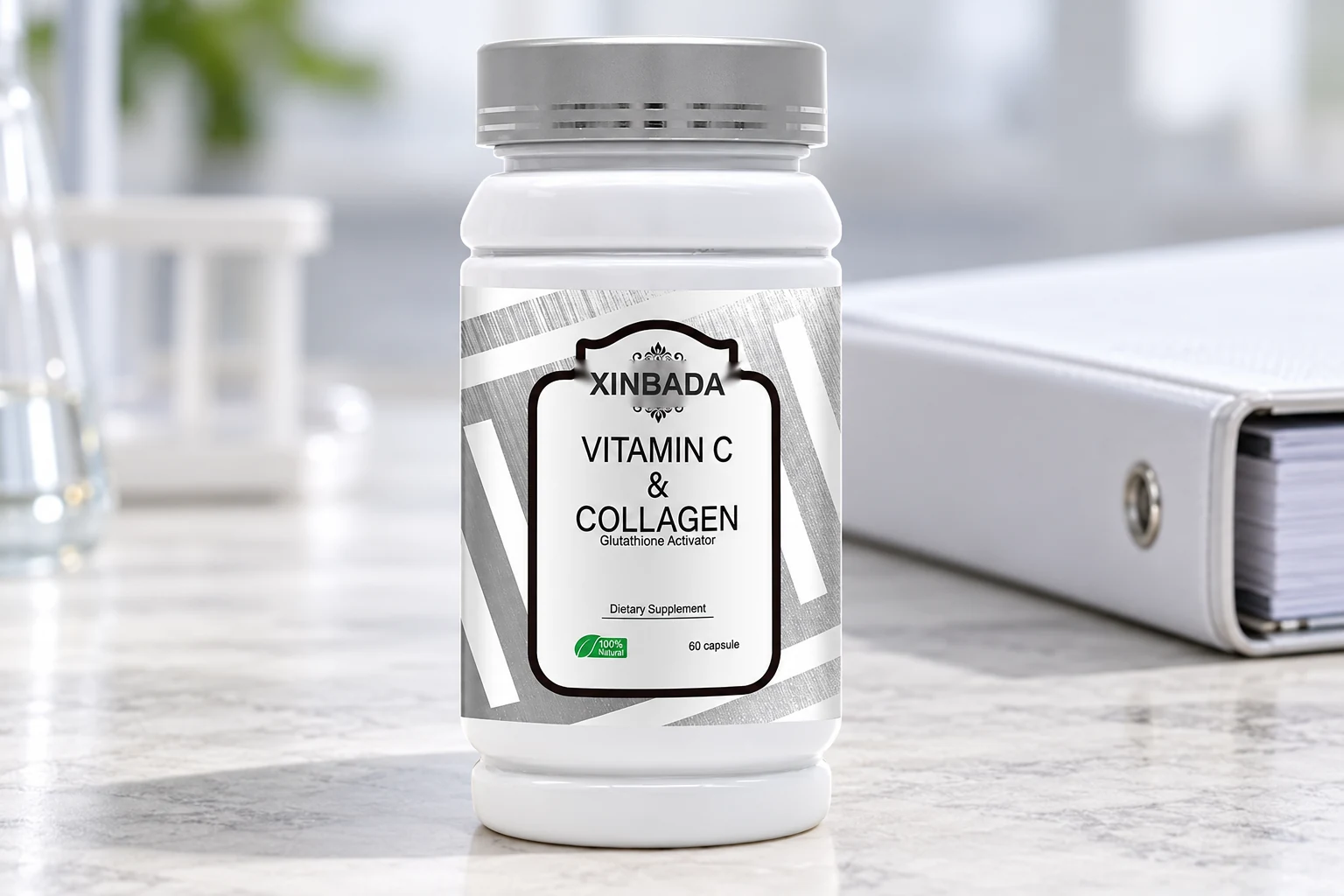
A packaging system includes more than the bottle shape. The closure, liner, seal, headspace and fill quantity can matter to the exposure of the contents. Two visually similar containers may differ in material or barrier properties. A review should therefore compare component specifications, not rely on a supplier photograph or a generic description such as premium bottle.
Create a study-to-commercial comparison with three possible findings: same, different or unknown. For each difference, assign a technical owner to explain whether existing evidence remains relevant. An unknown component is not a small difference merely because the outside looks unchanged. The purpose is to make the reasoning visible before the commercial pack is ordered.
Keep Opening And Distribution Questions Separate
The storage conditions for an unopened pack do not automatically describe repeated opening by a consumer. Nor does a controlled study reproduce every shipping event. Ask which questions the available work addresses and which require a separate assessment. Keep the wording of the proposed label consistent with that scope; avoid adding an after-opening instruction simply because another brand uses it.
For private label health supplements, the team should also distinguish transport packaging from the primary container. A strong carton may protect bottles from handling damage, yet provide no evidence that the contents remain within specification after a particular exposure. A transport review and a shelf-life assessment can support the same project while remaining different records.
| Review Item | Evidence To Locate | Decision If Unclear |
|---|---|---|
| Formula revision | Study product identifier and approved formulation | Resolve the match before relying on the report |
| Primary pack | Container, closure, liner and fill specifications | Assess differences with the technical owner |
| Time points | Dated results and sample age | Identify the missing interval and its effect |
| Storage statement | Conditions used and conclusion supported | Keep the label proposal open |
| Commercial change | Change assessment and approval record | Do not silently inherit an earlier conclusion |
Build A Traceable Review File
Connect The Summary To Original Records
A one-page summary helps purchasing, but it should point to evidence rather than replace it. Include the report identifier, product configuration, batch references, study conditions, tested attributes and conclusion. Name the person responsible for resolving questions. A reviewer should be able to move from a statement in the summary to the exact underlying record without searching a collection of unrelated attachments.
The facility information can orient a buyer to the supplier's published operations. It is still necessary to establish which activities and records apply to the intended project. A laboratory photograph or a general quality statement does not establish that a specific study has been completed. Treat capability information as a starting point for targeted questions.
Record Uncertainty In Operational Terms
A useful gap entry says what is missing and which approval it affects. For example, an unresolved closure specification can prevent confirmation that the commercial packaging system matches the study. That is more actionable than a broad note saying documentation incomplete. Assign an owner and a required response, then keep the issue visible until its consequence has been evaluated.

Carry Storage Conditions Into The Supply Chain
A technically sound conclusion can be weakened by ambiguous handling instructions. Translate the agreed storage statement into the information used by warehousing and distribution teams. Identify the approved label revision and the record that supports it. Avoid replacing precise wording with informal messages such as keep somewhere cool, especially when different teams interpret that phrase differently.
The purchasing record should distinguish manufacture date, release date, dispatch date and remaining shelf life on arrival. These dates serve different purposes. An agreed minimum remaining period is a commercial requirement to be checked against the delivery record; it does not create the technical evidence for the original expiry date. Record the calculation and the reference date used by both parties.
For private label health supplements, batch identification also needs to survive repacking and distribution. If an outer carton is split, the receiving team still needs a reliable connection between each saleable pack and the relevant batch. The practical question is whether a later quality query can be traced to its configuration and records without relying on somebody's memory.

Approve Changes With A Clear Decision Trail
Define a change review before the first order is placed. A formula, component, process or source change should reach the person responsible for assessing its effect on existing stability evidence. The purchasing team does not need to perform that scientific assessment, but it does need to know whether approval is still valid for the item being ordered.
The published partnership information provides context for discussing responsibilities. Turn that discussion into named deliverables: configuration confirmation, evidence summary, open-issue response and approval record. Each deliverable should have an owner and a revision. This prevents the commercial quotation, sample approval and technical conclusion from drifting apart.
Review the file again when the commercial item changes, not merely when a calendar reminder appears. The approved packaging system and storage conditions should remain visible alongside the purchase specification. That gives repeat orders a stable reference while leaving room for deliberate, documented changes.
Frequently Asked Questions
Can A Catalogue Shelf-Life Claim Support A Custom Product?
It can identify a question to investigate, but it is not enough by itself. Confirm that the formula, dosage form, pack and conditions match the proposed product, then obtain the relevant technical assessment. A similar product name does not establish equivalence.
Does A Certificate Of Analysis Establish The Entire Shelf Life?
A certificate describes the results and scope stated on that document. It should not be assumed to describe behaviour throughout storage. Locate the time-based evidence and check how the release record relates to it.
Is A New Label Always A Packaging Change?
A purely visual artwork change differs from a change to container materials or closure components. Record exactly what changed and have the responsible team assess any consequence. Do not classify the change from a mock-up alone.
Can Every Supplement Follow The Same Australian Pathway?
No single pathway should be assumed for all products described commercially as supplements. Establish the intended formulation, presentation and claims, then confirm the applicable category with qualified regulatory support.
What Should A Buyer Do When Evidence Is Still Pending?
Keep the missing item, owner and affected approval explicit. An unresolved record should remain unresolved in the project file. Commercial urgency is a reason to clarify the decision timetable, not to treat an estimate as a verified conclusion.
Make The Next Review Specific
The strongest shelf-life discussion connects one defined product to a clear set of records. Formula identity, packaging system, time-based results and storage conditions form the core of that connection. A concise review file can make these relationships understandable without pretending that a photograph, sample or sales statement proves the complete case.
For a proposed private-label project, the NutriCDMO contact page can be used to discuss the formula revision, intended pack and specific stability evidence needed for the buyer's review.