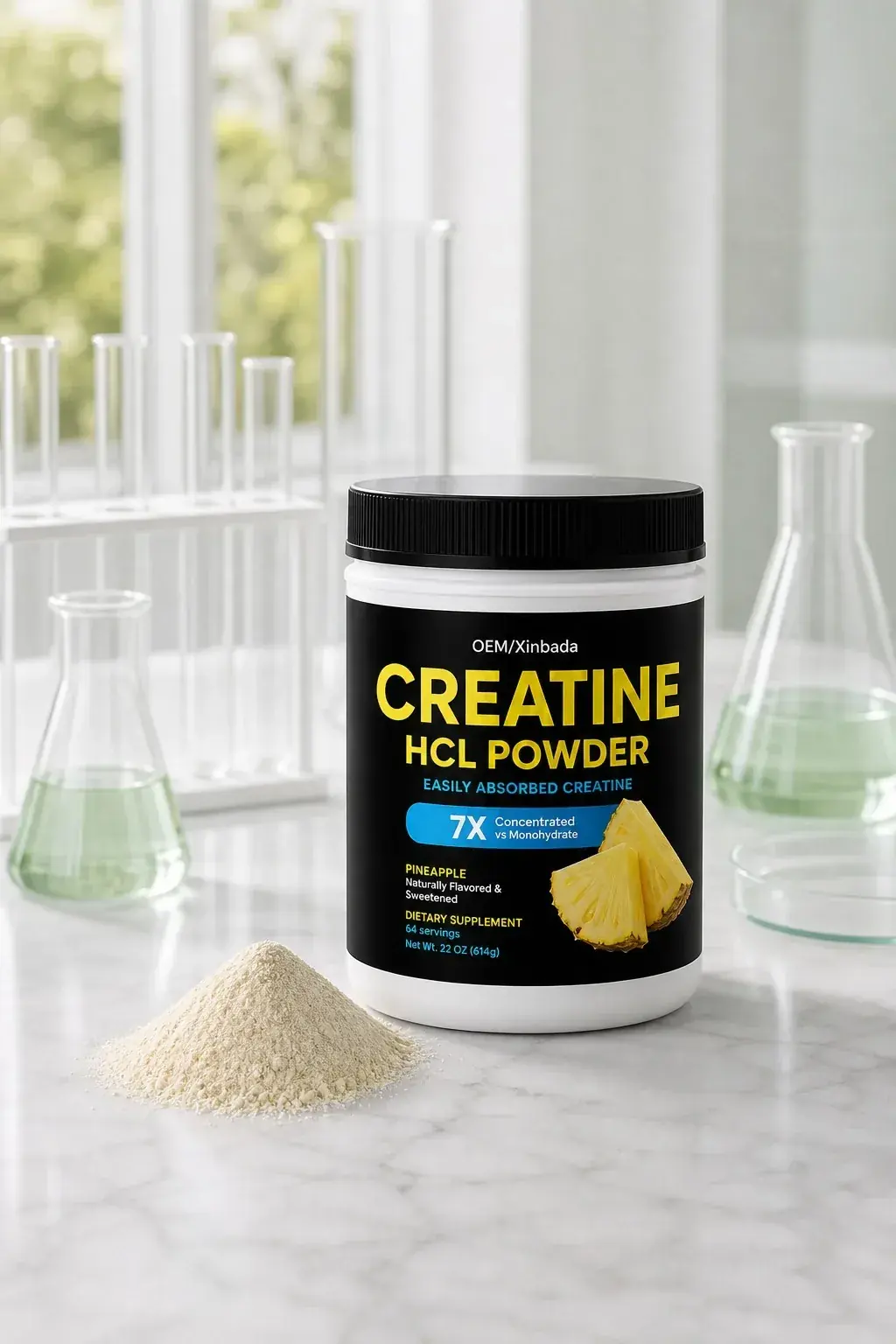
Developing private label food supplements requires one coherent specification linking the formula, physical format and proposed label.
A familiar bottle or an attractive ingredient story can make a project appear further advanced than it is. The commercial concept may be clear while the serving basis, ingredient identity, production process and claims remain unresolved. A useful development brief makes those dependencies visible before artwork becomes a purchasing commitment. It separates the desired product from the evidence already available and assigns an owner to every open decision.
Start With the Product Representation
A category name does not settle classification
The phrase used in a catalogue is not a regulatory conclusion. For a product intended for Australia, the distinction between a food and a medicine can depend on its composition, presentation and claims. The TGA food–medicine interface guidance provides a starting point for that assessment. A capsule, powder or liquid should therefore enter development with a documented classification question, not an assumption copied from an overseas package.
Where a product is a food, applicable food standards and conditions for nutrition or health claims must be considered. A therapeutic representation follows a different review path. This is a narrow planning distinction, not a complete market-entry assessment. The final formulation, intended statements and sales presentation need review by a suitably qualified person before artwork approval. Changing a headline late in development may reopen an earlier classification decision.
Turn the concept into a controlled brief
Begin with the intended use, proposed serving, ingredient names, physical form and the statements the finished product would carry. Distinguish mandatory requirements from preferences such as flavour, colour or bottle finish. Record the source and revision of each requirement. A phrase such as “premium quality” is not a usable manufacturing instruction until the project identifies what observable characteristic it is meant to describe.
The site's OEM and ODM service description can establish the scope of a development discussion. It does not establish that every proposed formula, claim or packaging system is already approved. Ask which parts use an existing specification and which need new development. That distinction makes the project schedule and evidence burden more realistic.
Make the Formula and Serving Basis Agree
Ingredient identity comes before a headline amount
For private label food supplements, sound supplement formulation begins with an unambiguous ingredient description. A material name may refer to a particular chemical form, botanical part, extract specification or protein source. The brief should distinguish the quantity of an ingredient from the quantity of a constituent it contributes. These are different fields, and neither should be silently substituted for the other during quotation, sampling or label preparation.
For example, a proposed quantity may describe the contents of one capsule while a label table describes a serving of several capsules. The arithmetic can be internally consistent yet misleading if the basis is omitted. Keep the unit, serving size and basis beside every figure. Where a supplier specification uses a range, record how the finished-product acceptance criterion will be set rather than selecting the most attractive endpoint.
Resolve the whole formula, including supporting ingredients
Flavours, carriers, processing aids and capsule shells can affect the product brief even when they are absent from the headline. The evaluation should include the complete composition information needed for the intended label and handling decisions. A preferred claim about allergens, origin or dietary suitability requires evidence covering the relevant materials and process; it cannot be inferred from the appearance of the main ingredient.
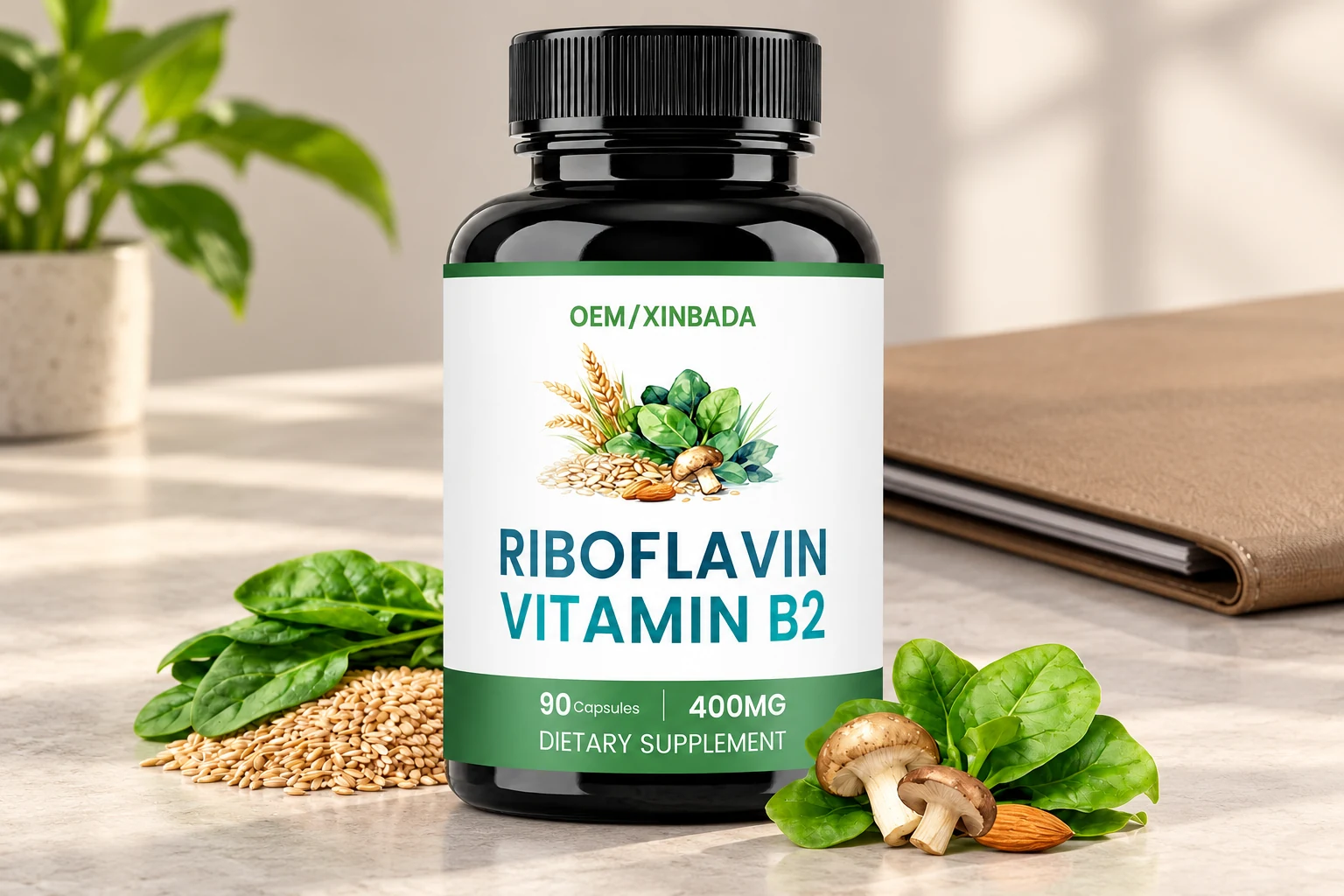
The riboflavin capsule catalogue example illustrates how a pack can display an ingredient, quantity and capsule count. Those visible fields are useful prompts for review, not confirmation that the example is suitable for every destination or proposed use. A new brief needs its own agreed composition and representation.
Choose a Format That Can Deliver the Brief
Physical format changes the development questions
A powder, capsule, tablet and liquid are not interchangeable containers for the same idea. Each introduces different questions about fill, dispersion, taste, uniformity, handling and the intended serving method. Format selection should start with the practical task the product must perform. A concept that needs an inconvenient number of units per serving may require a revised format or revised formulation, rather than smaller type on the directions.
The marine collagen capsule example shows a particular packaged format. It does not prove equivalence with a powder serving or establish the effectiveness of a different formula. Comparisons should use a common serving basis and verified composition, while keeping the practical differences in consumption and packaging visible.
Specify the sample that will answer the question
Use a short decision record after each sample review: what was evaluated, under which conditions, against which criterion, and what changed. Avoid approvals such as “looks fine” when the unresolved issue concerns a serving instruction or a closure. The accepted sample should retain a version identifier that can be connected to the formula and artwork files used in manufacturing transfer.
| Development decision | Evidence to compare | Reason to keep it open |
|---|---|---|
| Ingredient and serving basis | Composition record, material specification and unit calculation | The label quantity refers to a different serving |
| Capsule or tablet format | Agreed unit size, fill or weight criteria and intended directions | The proposed daily serving is impractical |
| Powder or liquid format | Defined preparation method and relevant stability or handling evidence | A laboratory sample does not represent the packed product |
| Pack and closure | Material details, seal arrangement and approved pack sample | The chosen closure or container differs from the evaluated system |
| Label representation | Claim evidence and approved artwork revision | A statement is stronger than the available support |
Connect Every Label Statement to Evidence
Review statements by their function
A practical label claim review separates identity, composition, directions, nutrition information and promotional representations. Different statements rely on different evidence. A source statement needs traceable material information; a quantity statement needs a defined basis; a claim about a benefit requires the appropriate substantiation and permitted wording. One general supplier declaration is unlikely to answer all of those questions.
Handle uncertainty without inventing precision
If a document is missing, record the gap plainly. Do not convert an ingredient brochure into a finished-product test report, or treat an attractive factory photograph as certification evidence. A laboratory image is context, not a result. A useful evidence file identifies the product or material tested, method where relevant, date, scope and issuing party so that the reviewer can determine what the document actually supports.
The site's facility information helps identify process questions for a technical discussion. Specific capabilities and documents still need confirmation for the selected product and production route. Where evidence conflicts, resolve the underlying specification before editing the label to hide the discrepancy.

Transfer an Approved Design Into Production
Manufacturing transfer should connect the agreed formula, material specifications, processing instructions, packaging bill and artwork revision. A quotation that lists only a product name leaves too much room for interpretation. The transfer package should show which decisions are fixed, which tolerances have been agreed and which changes require approval before implementation. It also needs a clear distinction between a development sample and the commercial production reference.
A change to flavour, ingredient source, capsule shell or container can affect more than cost. It may require renewed composition review, updated directions, packaging evaluation or a revised label claim review. The change record should describe the reason, affected documents and required checks. This avoids a situation in which the production team follows a newer formula while the artwork team prints an older ingredient list.

Separate process acceptance from commercial acceptance. A delivery date or agreed price cannot substitute for an approved specification, and a passed appearance check cannot answer an unresolved identity question. Define the release documents expected for the actual order, including how batches, quantities and deviations will be linked. The exact document set depends on the product and project; it should be agreed rather than assumed.
Keep the Product Identity Intact After Release
For private label food supplements, a consistent record continues through storage and dispatch. Materials, packaging and finished goods need identifiers that make the relevant batch and approved version retrievable. Stock rotation should follow the applicable product requirements and documented dates. If a carton contains a changed artwork revision, the dispatch record should preserve that distinction instead of describing both versions with the same informal product nickname.

The partnership information can help frame responsibility for ongoing development support. The concrete arrangement should still identify who maintains source documents, who reviews proposed changes and who authorises release. Those responsibilities matter when the original project participants are unavailable.
Frequently Asked Questions
Can an existing catalogue product be relabelled immediately?
An existing design can shorten some development steps, but its formula, packaging, claims and destination requirements still need review. Confirm exactly which specification is being supplied and whether the proposed label changes any representation. A catalogue image alone is not a release package.
Is supplement formulation complete when the main ingredient is chosen?
No. The complete formula, serving basis, supporting ingredients and physical format remain relevant. The project also needs criteria for the characteristics that matter in production and use. A headline ingredient is only one part of the agreed product definition.
Does an approved sample guarantee the commercial order will match?
It provides a reference only when its scope and version are clear. The production specification and acceptance process must connect that reference to the actual order. Changes in materials, equipment, packaging or artwork should be assessed through documented change control.
Which question should be resolved before artwork is finalised?
Resolve the product's intended representation and the evidence supporting its statements. The artwork should express an agreed product definition. It should not become the place where an uncertain composition, serving size or classification is decided by a designer.
A productive next discussion can begin with the proposed formula, format, serving basis and unresolved label statements. The project contact channel can be used to confirm which specifications and supporting records are available for that brief.