Custom vitamins need a defined formula, dosage form and evidence plan before a production brief can be approved.
A clear concept explains what may change, what must stay fixed and which unanswered questions could delay the first usable batch. Packaging artwork is only one part of that decision. The practical starting point is a controlled description of the intended product, followed by a sample and document review that can expose mismatches before scale-up.
Start With The Product That Must Be Repeated
A production brief should describe a repeatable product rather than a collection of attractive ingredient names. A vitamin formulation can share a vitamin list with another proposal while differing in chemical forms, amounts, excipients, serving instructions and storage assumptions. Those differences can affect the development work even when the front label looks similar. Separate fixed requirements from preferences so technical feedback does not become an accidental redesign.
Separate Formula Requirements From Positioning
State each intended active ingredient, the form to be assessed and the proposed amount per unit and per daily serving. Keep commercial positioning in a different field. Phrases such as premium, convenient or clean label do not define an ingredient specification, and they should not be converted into stronger health claims by a designer or factory. If an amount is undecided, mark it as an open development decision instead of allowing a quotation to make the choice silently.
For a vitamin formulation, the starting list should also identify exclusions and the evidence needed to support them. A request to avoid an ingredient must cover flavours, colours, carriers and processing aids where relevant, not merely the prominently named actives. Record why a restriction matters to the intended product. That gives the technical team a useful constraint to evaluate without suggesting that every requested combination is feasible.
Define The Customization Boundary In Writing
An existing formula with new artwork, a modification to a known formula and a new formula are different development tasks. The published OEM and ODM service options distinguish formula production from concept-to-product support and describe packaging customization. These are service descriptions; the scope, documents, responsibilities and timing for a specific vitamin project still need written confirmation.
Choose The Format Before Freezing The Label
The dosage form should follow the formula and intended use conditions. Tablets, hard capsules, softgels and other presentations are not interchangeable containers for any nutrient combination. Fill volume, ingredient behaviour, sensory characteristics and manufacturing constraints need to be assessed together. The aim is a practical format that can be specified and verified, not a promise that one form is inherently superior.
Compare The Complete Serving
A dosage form decision is incomplete without the number of units in the proposed serving. A small unit can appear convenient while requiring several units to deliver the intended composition. Conversely, combining everything into one unit can create size, processing or handling compromises. Compare the complete serving, the package count and the resulting number of servings using one consistent basis before comparing unit prices.
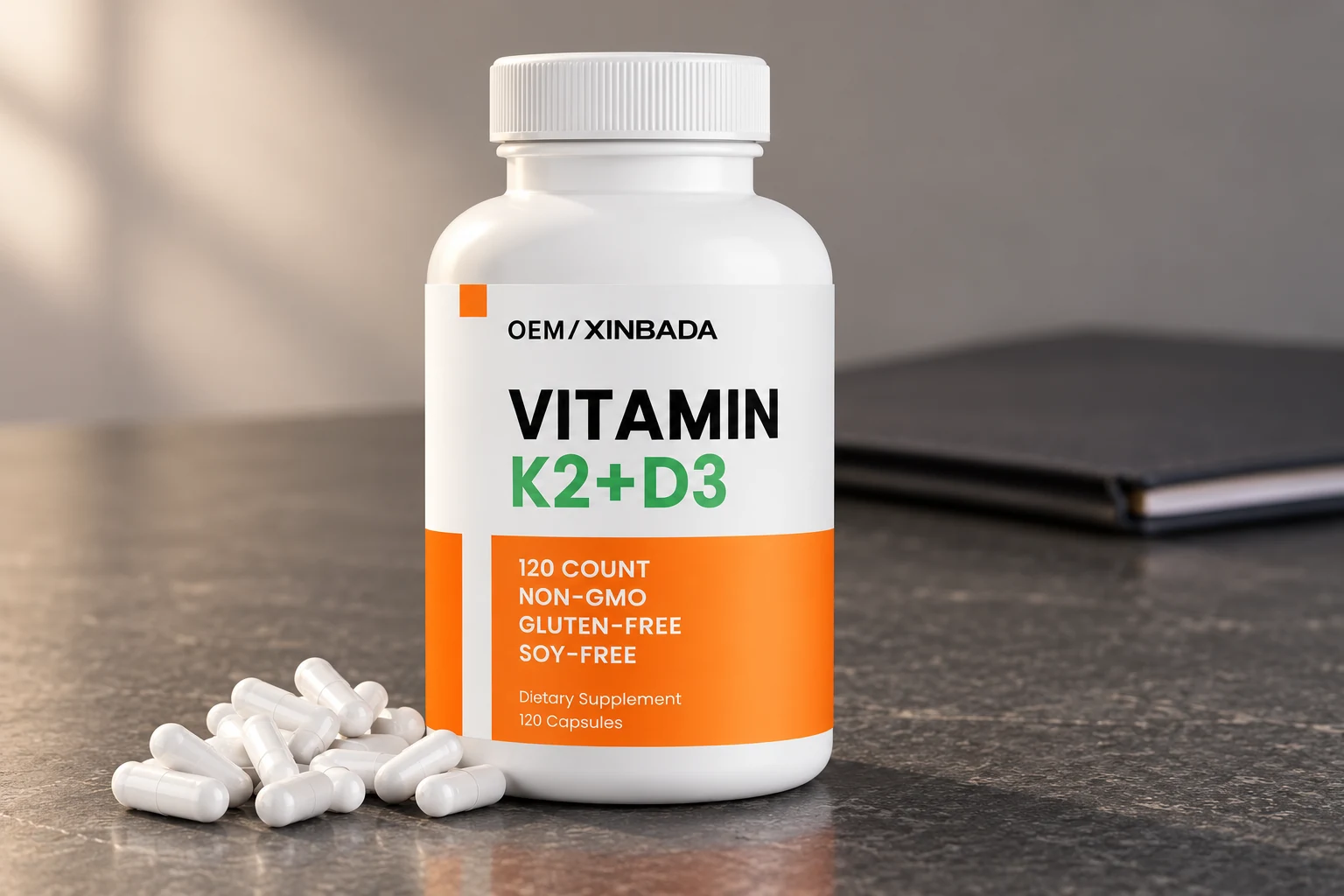
The site's Vitamin B12 tablet listing and Vitamin D3 and K2 capsule listing illustrate different published product formats. They are starting points for a discussion, not evidence that one formula can be transferred unchanged into another format. Published counts or shelf lives must not automatically become specifications for a newly commissioned version.
Make Special Format Claims Testable
Terms such as fast dissolve or sustained release describe more than appearance. If a release characteristic is required, identify the proposed test, acceptance criteria and evidence expected for the actual formula. A photograph, a sample that looks similar or a label borrowed from another item cannot establish that characteristic. The same discipline applies to material claims about the capsule shell and to statements about ingredients excluded from a formulation.
| Decision | Brief Should State | Evidence To Review | Unresolved Risk |
|---|---|---|---|
| Formula identity | Ingredient forms, amounts and version | Controlled composition and ingredient specifications | Similar names conceal a different formula |
| Dosage form | Format, units per serving and intended use | Feasibility feedback and representative samples | A preferred presentation cannot meet the brief |
| Release characteristic | Any special behaviour that is claimed | Product-specific method and acceptance criteria | Artwork implies performance never demonstrated |
| Primary pack | Container, closure, count and storage proposal | Pack compatibility and relevant stability data | A visual match is mistaken for equivalent protection |
| Approval boundary | Who accepts samples, text and changes | Dated approvals tied to a single version | A changed component bypasses technical review |
Build The Evidence Plan Around The Actual Formula
Match Documents To The Product Version
Request documents with enough identifiers to connect them to the intended material or finished product. A certificate for a different batch, ingredient form or finished formula cannot answer a specific acceptance question without an explained relationship. Record the version, source and date of each item. When the manufacturer uses an external laboratory, establish how the sample identity and result are linked to the project rather than treating a laboratory logo as the evidence itself.
The facility overview provides context for a capability discussion. It does not independently establish approval for a particular market or demonstrate a specific test result. Ask which site and process would make the proposed item, which checks apply and which records would accompany release. The resulting answers should describe the commissioned product rather than simply repeat the site's general quality language.
Resolve Market Questions Before Artwork Approval
For a project intended for Australia, the product's regulatory pathway must be established before applying medicine-specific rules. Where listed-medicine requirements apply, the TGA's permissible ingredient framework and its conditions need current review. An ingredient's familiar name does not establish that every amount, combination or claim is permitted. A qualified regulatory reviewer should assess the actual proposal and maintain the evidence required for its claims.

Treat The Pack As Part Of The Development Decision
Packaging choices influence more than shelf appearance. The primary container, closure, count and storage proposal should be evaluated alongside the formula. A different bottle or pack count can change the conditions surrounding the product even if the artwork stays the same. Specify the pack early enough for its technical implications to be considered before a bulk order is released.
Connect Shelf Life To The Intended Market Pack
Stability testing should support the product throughout its proposed storage period, not just describe a satisfactory sample on the day it is made. TGA guidance explains that relevant chemical and physical attributes may be monitored over time and that stability methods must detect deterioration. For custom vitamins, the protocol and acceptance limits should address the actual formula and intended pack rather than assume that another product's printed expiry date transfers automatically.
When stability testing data from a similar product are proposed, request the reason that comparison is relevant and identify its limits. The TGA permits appropriately justified use of similar-product data in its listed complementary medicine guidance, while also calling for data on the product in its market packaging through ongoing stability work. A change of ingredient source, manufacturing process or packaging should trigger a documented assessment of whether the existing support remains applicable.

Close The Open Decisions Before Comparing Quotations
A useful quotation can identify assumptions, but it cannot replace an approved brief. Compare offers only after confirming the same formula version, package configuration, quantity basis and included development work. A lower unit figure may omit testing, artwork, tooling, documentation or a packaging component included elsewhere. Ask for those boundaries explicitly so the comparison reflects the same deliverable.
The published cooperation approach can frame the discussion about responsibilities. Turn that discussion into a short approval sequence: technical feasibility, sample review, document review, artwork approval and release of the agreed production specification. The sequence may overlap in practice, but each decision needs an owner and a defined output. An unanswered question should remain visible instead of being treated as accepted because another task has finished.
- Issue one numbered brief with fixed requirements and clearly marked open decisions.
- Ask the technical team to identify feasibility limits and proposed alternatives.
- Review samples against the agreed criteria, recording physical observations separately from analytical conclusions.
- Approve formula, pack and artwork versions through the designated reviewers.
- Confirm quotation inclusions, change control and the evidence required before release.

Frequently Asked Questions
Does Customization Always Require A New Formula?
No. Some projects change presentation or packaging around an existing formula, while others alter composition or start from a new concept. The scope should identify the baseline and every change. A new label does not automatically mean a new formula, and an unchanged product name does not establish that the formulation stayed the same.
Can A Website Product Be Used As The Final Specification?
A current listing can identify a relevant starting product and useful questions. It does not replace a controlled specification for the commissioned version. Confirm ingredient forms, amounts, format, serving basis and package details in project documents, particularly when the requested item differs from the published example.
When Should The Packaging Be Selected?
Select the intended primary pack early enough to assess compatibility and the stability plan. Decorative artwork can develop in parallel, but final approval should use the agreed technical pack. Changing a closure, bottle or fill count late in development may require the earlier evidence to be reviewed again.
Is A Visually Acceptable Sample Enough To Approve Production?
Visual inspection can address the features it actually shows, such as appearance and presentation. It cannot establish ingredient content, every quality attribute or the support for a claim. Approval should combine the relevant sample observations with product-specific documents and tests, while recording any remaining conditions.
What Makes The First Technical Enquiry Useful?
A concise brief with the proposed formula, format, serving basis, market, pack and quantity gives the technical team something concrete to assess. It should also name exclusions and questions requiring advice. Clear uncertainties are more useful than unsupported specifications copied from several unrelated products.
Before commissioning custom vitamins, submit the current brief through the project enquiry page and request a marked-up response covering feasibility, missing evidence and responsibility for each open decision.