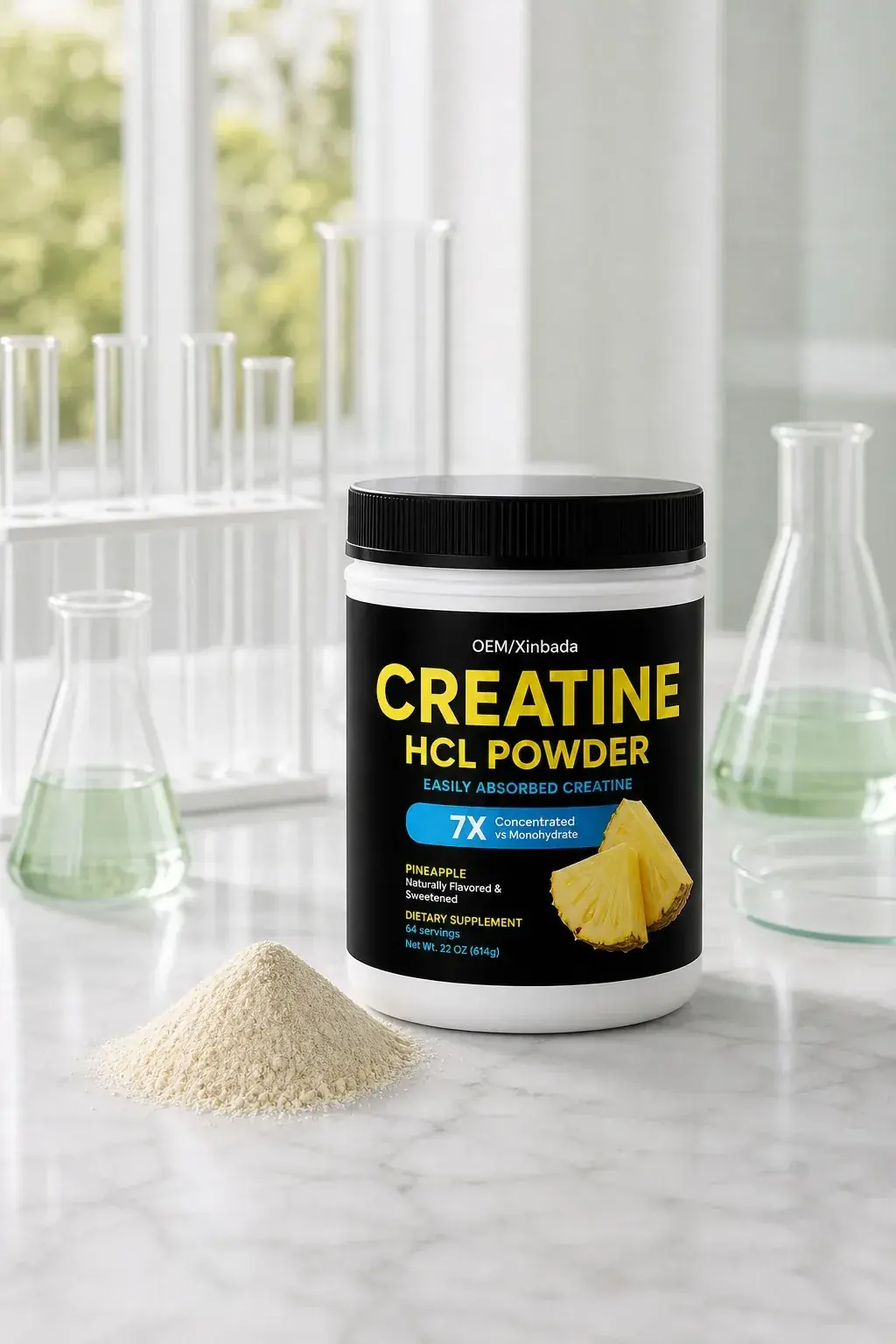
A reliable Creatine Monohydrate -Taurine Pre-Workout Powder OEM ODM program starts with a controlled product brief, verifiable quality evidence, and scale-up criteria. The ingredient names alone do not define a manufacturable product: serving logic, sensory targets, ingredient identity, permitted claims, package protection, test methods, and change-control rules must all agree before a buyer can compare proposals fairly.
Turn the Product Idea Into a Controlled Manufacturing Brief
Separate Non-Negotiable Inputs From Development Variables
A practical brief labels each requirement as fixed, bounded, or supplier-proposed. Fixed inputs can include the dosage form, intended use, excluded ingredients, market, and mandatory package format. Bounded variables can include serving mass, flavor intensity, sweetness range, scoop size, and fill weight. Supplier-proposed items should state the evidence expected with the recommendation rather than giving the formulator unlimited discretion.
For a private label pre-workout project, the buyer should also distinguish the product concept from claims. Creatine monohydrate and taurine may be named ingredients, but the permitted amount, warnings, substantiation, and label language require market-specific review. The brief should therefore request a formula rationale and claim-support file without pre-approving performance promises.
Define Acceptance Criteria Before the First Sample
Sample approval is useful only when the buyer knows what is being approved. The brief should describe appearance, odor, flavor direction, dispersibility method, mixing time, sediment expectations, moisture sensitivity, and acceptable variation. It should also name the preparation conditions used for evaluation, because temperature, water volume, mixing device, and waiting time can make identical powders appear different.
- Identify the sample code, formula revision, ingredient lot references, and preparation instructions.
- Record which sensory observations are objective release criteria and which remain preference feedback.
- Require written approval for any substitution, processing aid, flavor-system change, or label-impacting revision.
- Define what triggers a new sample, a stability review, or a revised quotation.

Test Formula Feasibility Without Turning Research Into Marketing Claims
A Creatine Monohydrate -Taurine Pre-Workout Powder OEM ODM proposal should explain how the named ingredients fit the intended serving, powder system, and labeling route. General evidence about an ingredient does not prove that a specific combination, dose, flavor system, or finished product will deliver a promised result. The correct development question is whether the proposed formula can be produced consistently and described lawfully.
Check Ingredient Identity, Grade, and Functional Role
Each formula line should specify the ingredient name, source or grade where relevant, target amount, acceptable overage rationale, and function in the blend. The buyer can ask how identity is confirmed, which specification is used for receipt, how supplier changes are controlled, and whether a certificate of analysis is independently verified at a defined frequency. These questions are more useful than accepting a generic “premium ingredient” description.
For a custom supplement formulation, creatine monohydrate and taurine also need to be considered alongside flavors, acids, sweeteners, colors, flow agents, and other components. Interactions can change bulk density, hygroscopicity, taste, dispersion, and package requirements. Any additional active ingredient should reopen the review of serving size, tolerances, warnings, claims, and analytical feasibility.
Convert Sensory Preferences Into Reproducible Measurements
Flavor feedback such as “clean,” “strong,” or “not too sweet” is too ambiguous for scale-up. A more reproducible record states the flavor reference, preparation method, water volume, temperature, sweetness comparison, acidity range, aftertaste observations, and acceptable color. The supplier should retain the approved reference and link it to the formula revision and flavor-system lot used for the pilot.
Translate Quality Language Into an Evidence Package
Quality terms become decision-ready only when they point to records, responsible roles, methods, and acceptance limits. Facility, laboratory, certification, and quality-team descriptions should initiate verification rather than replace it. The buyer needs evidence tied to the proposed product and current manufacturing scope.
Request Documents That Match the Product and Facility Scope
Useful pre-contract evidence can include the legal manufacturing entity, facility address, audit or registration scope, quality manual summary, complaint and recall procedures, change-control policy, allergen controls, supplier-qualification process, and example specification formats. Certificates should be checked for issuer, validity dates, scope, site address, and whether they cover the dosage form under discussion.
The same discipline applies to the facility information presented by the supplier. Photographs and capability descriptions help a buyer plan questions, but a remote image cannot prove ownership, current equipment status, or compliance. A live audit, third-party report, video walk-through, or traceable record sample provides stronger confirmation when the decision risk justifies it.
Link Every Release Claim to a Method and Limit
“Tested” is incomplete unless the record identifies what was tested, by which method, against which limit, and at what stage. The finished-product specification should separate identity, potency or quantitative checks, microbiological limits, physical properties, organoleptic requirements, contaminant controls, package checks, and label reconciliation. Not every item needs the same test frequency, but the rationale should be visible.
When an external laboratory is used, the buyer can request the laboratory identity, accreditation scope where applicable, sample-chain process, method reference, reporting format, and out-of-specification procedure. The manufacturer should also explain which results are available before shipment and which depend on longer studies. This prevents a quotation from implying that every possible test is automatically included.

Make Label and Package Decisions Part of Technical Development
Packaging is not decoration. The container, closure, liner, seal, scoop, headspace, secondary pack, and shipping case affect moisture protection, fill accuracy, preparation, and stability. Label space can also change the feasible serving presentation.
Match Protection, Usability, and Artwork Controls
Powder packaging options should be compared by barrier performance, closure repeatability, seal verification, compatibility, filling efficiency, transit exposure, and consumer use. A jar may support repeated scooping but requires a closure and liner strategy; a pouch changes opening behavior and label area; a sachet introduces unit-dose filling and seal-integrity questions. No format is universally superior.
Artwork control should specify the approved file, version, color reference, barcode check, required statements, ingredients, serving information, net quantity, business information, warnings, and claim review. The responsible company should confirm applicable U.S. labeling requirements rather than assume that a manufacturer template is sufficient.
The supplier's OEM and ODM service page can be used to identify available customization discussions, while the pre-workout category and creatine category provide same-site product context. These pages are starting points; the signed specification and approved artwork remain the controlling records.

Compare Quotations on a Common Evidence Basis
Score Risk Allocation, Not Just Unit Cost
A useful commercial comparison asks who pays when raw materials fail, a flavor requires revision, packaging arrives late, artwork is incorrect, a result is out of specification, or a buyer-requested change makes existing components obsolete. The contract should identify ownership of formulas and artwork, confidentiality limits, approved subcontractors, change-notification periods, record retention, complaint handling, and recall cooperation.
| Decision Area | Evidence to Request | Comparison Question | Warning Sign |
|---|---|---|---|
| Formula control | Revision-controlled formula, ingredient specifications, change procedure | Are all proposals based on the same composition and serving assumptions? | Only a marketing ingredient list is provided |
| Quality plan | Finished specification, methods, limits, test frequency, sample record | Which results are included before release and who reviews exceptions? | “Full testing” is promised without methods or limits |
| Scale-up | Pilot plan, critical process checks, deviation and approval workflow | How will the approved sample be connected to the first production batch? | No bridge exists between laboratory sample and routine batch |
| Packaging | Component specifications, seal checks, artwork revision, transit rationale | Does the quoted format protect the powder and support intended use? | Package choice is based only on appearance or lowest cost |
| Commercial scope | Tooling, testing, samples, components, freight, rework, payment milestones | What is excluded, variable, refundable, or tied to quantity? | Low unit price hides mandatory development or component charges |
| Ongoing control | Change notice, retain samples, complaint process, record retention | What happens after approval when a material, process, or supplier changes? | Substitutions can occur without buyer review |

Before committing, buyers can use the supplier's partnership overview to frame business questions and its contact page to request current, product-specific records. Capability pages help scope diligence, but the controlled brief, signed specification, and accepted evidence package govern the decision.
Frequently Asked Questions
What Should Be Fixed Before Requesting a Development Sample?
Fix the dosage form, market, ingredient concept, exclusions, serving logic, preparation method, sensory direction, package candidates, and required evidence. Any open variable should have a permitted range and approval method so suppliers work toward the same target.
Does a Good-Tasting Sample Prove the Formula Is Ready for Production?
No. Readiness also depends on ingredient specifications, blend behavior, moisture exposure, fill accuracy, cleaning, packaging, analytical methods, label review, and change control. Link the approved sample to a controlled formula revision and scale-up plan.
Which Quality Documents Matter Most Before a Contract?
Start with the legal entity and site, current audit scope, sample specifications, change control, supplier qualification, sanitation controls, complaint and recall procedures, and a product-specific test plan. Check validity and facility address.
How Should Claims About Creatine or Pre-Workout Performance Be Handled?
Ingredient research can inform development, but the responsible company needs substantiation for the exact claim and must separate permitted structure or function language from disease claims. Review the formula, serving, audience, warnings, disclaimers, and market obligations before artwork approval.
What Makes a Creatine Monohydrate -Taurine Pre-Workout Powder OEM ODM Quote Comparable?
Compare the same formula revision, serving assumptions, sample rounds, batch quantity, testing, package components, artwork support, lead-time definition, freight basis, payment milestones, exclusions, and change rules. Otherwise a low unit price may simply reflect omissions.
A team evaluating this specific program can use the project inquiry form to submit the formula basis, serving range, sample tests, package format, and evidence checklist described above; any response should be treated as a proposal to verify, not proof of capability.