A private label whey protein manufacturer can lose repeatability when formula, process, packaging, and release controls are not transferred as one system. A sample can taste acceptable yet still conceal risks that appear after scale-up: ingredient substitutions, uncontrolled mixing order, flavor drift, poor dispersibility, inconsistent fill weight, or a label that no longer matches the manufactured batch. The practical decision is therefore not whether a supplier can make one attractive sample, but whether it can define, execute, document, and repeat the same controlled product.
Begin With a Product Definition That Production Can Execute
Separate the marketing promise from the manufacturing requirement
The marketing brief can describe positioning, serving occasion, and desired experience. The manufacturing requirement must translate those ideas into measurable inputs and acceptance rules: ingredient identity, declared amounts, permitted tolerances, allergen status, flavor reference, sweetener system, color limits, powder appearance, and packaging configuration. Claims belong in a separate substantiation review; they should not silently become formula instructions. This separation keeps a creative revision from changing the batch without technical approval.
Freeze the version before asking for a representative sample
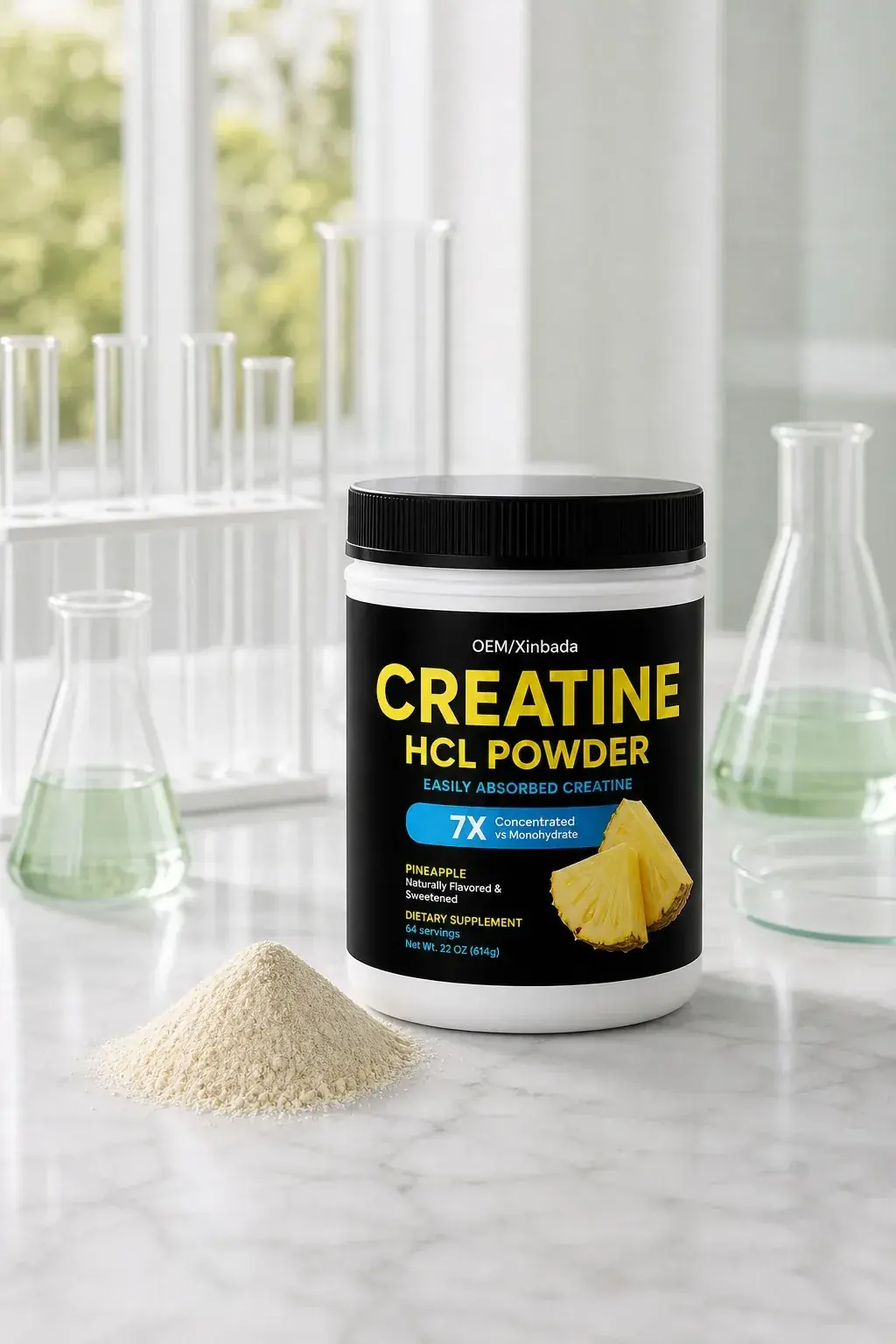
A useful sample must point to a specific version. The file set should identify the formula revision, raw-material specifications, flavor house reference, serving size, target fill weight, container, closure, scoop, and proposed label. The resulting whey protein formulation brief should also state what remains provisional. If the sample uses a temporary flavor or bench-scale mixing method, the buyer needs that limitation before treating the sample as evidence of production readiness.
The site's OEM and ODM workflow gives useful context, while the project's approved technical definition remains the governing evidence.
Build a Formula Transfer Package Around Critical Decisions
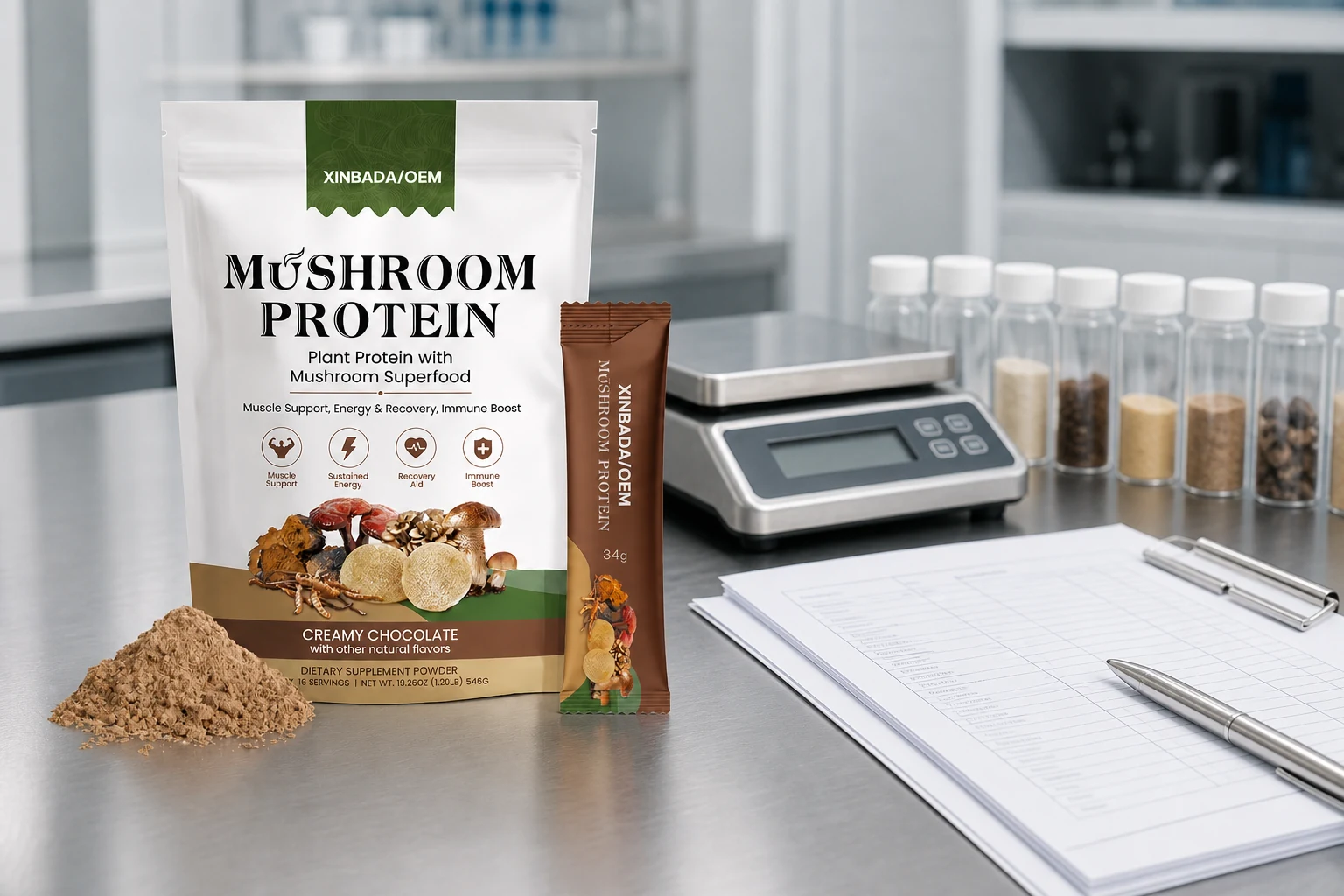
The formula transfer package is the bridge between development and routine production. It should explain not only what goes into the product, but which decisions affect identity, strength, composition, sensory performance, and physical handling. A formula sheet without the processing logic leaves operators to rediscover development assumptions during a live batch.
Control ingredient identity, grade, and permitted substitution
“Whey protein” is not a complete material identity. Concentrate, isolate, hydrolysate, source specification, protein basis, lecithination, flavor contribution, moisture, particle behavior, and supplier-specific functionality can change the finished powder. Every component should point to an approved specification and supplier status. Substitution should require documented review rather than a purchasing convenience, because two materials with similar names may produce different taste, foam, solubility, color, or label declarations.
Document sequence, time, and scale-sensitive steps
Powder blending depends on more than total mixer time. Minor ingredients may need pre-blending; flavors can distribute differently from proteins; a high-intensity sweetener may require a defined addition method; and prolonged handling can change aeration or bulk density. The transfer record should identify loading sequence, pre-blend method, equipment class, target batch size, mixing window, in-process sampling points, hold conditions, and the action to take when a result falls outside the agreed range.
| Decision area | Control to define | Evidence to review | Risk if left open |
|---|---|---|---|
| Protein base | Exact material, grade, supplier status, and substitution rule | Specification, identity documentation, approved-source record | Nutrition, flavor, texture, or allergen drift |
| Mixing | Equipment, load, sequence, speed, and time window | Executed production record | Unrepeatable uniformity or powder behavior |
| Packaging | Fill target, closure, liner, scoop, and label version | Line setup, reconciliation, and finished-pack check | Wrong count, exposure, or label mix-up |
Test Scale-Up Assumptions Before the Commercial Batch
Choose a trial that can expose the dominant failure modes
The trial size should be large enough to use representative equipment and normal process steps. The plan should challenge the controls most likely to drift, such as minor-ingredient distribution, blend uniformity, powder flow, sieve behavior, flavor integration, fill variation, and packaging closure. A trial is less useful when the team changes several variables at once or adjusts the product by intuition without recording each intervention.
A qualified private label whey protein manufacturer should explain how the trial differs from routine production and which criteria decide whether the process moves forward.
Predefine comparison samples and acceptance boundaries
“Matches approved sample” is weak unless the reference is identified, retained correctly, and compared under a repeatable method. Define the sample code, storage condition, comparison preparation, water or liquid ratio, mixing method, temperature, observation time, and evaluators. For physical checks, specify the method and tolerances before results exist. That prevents acceptance rules from moving after the trial produces an inconvenient outcome.
Make the Production Record Tell the Story of the Batch
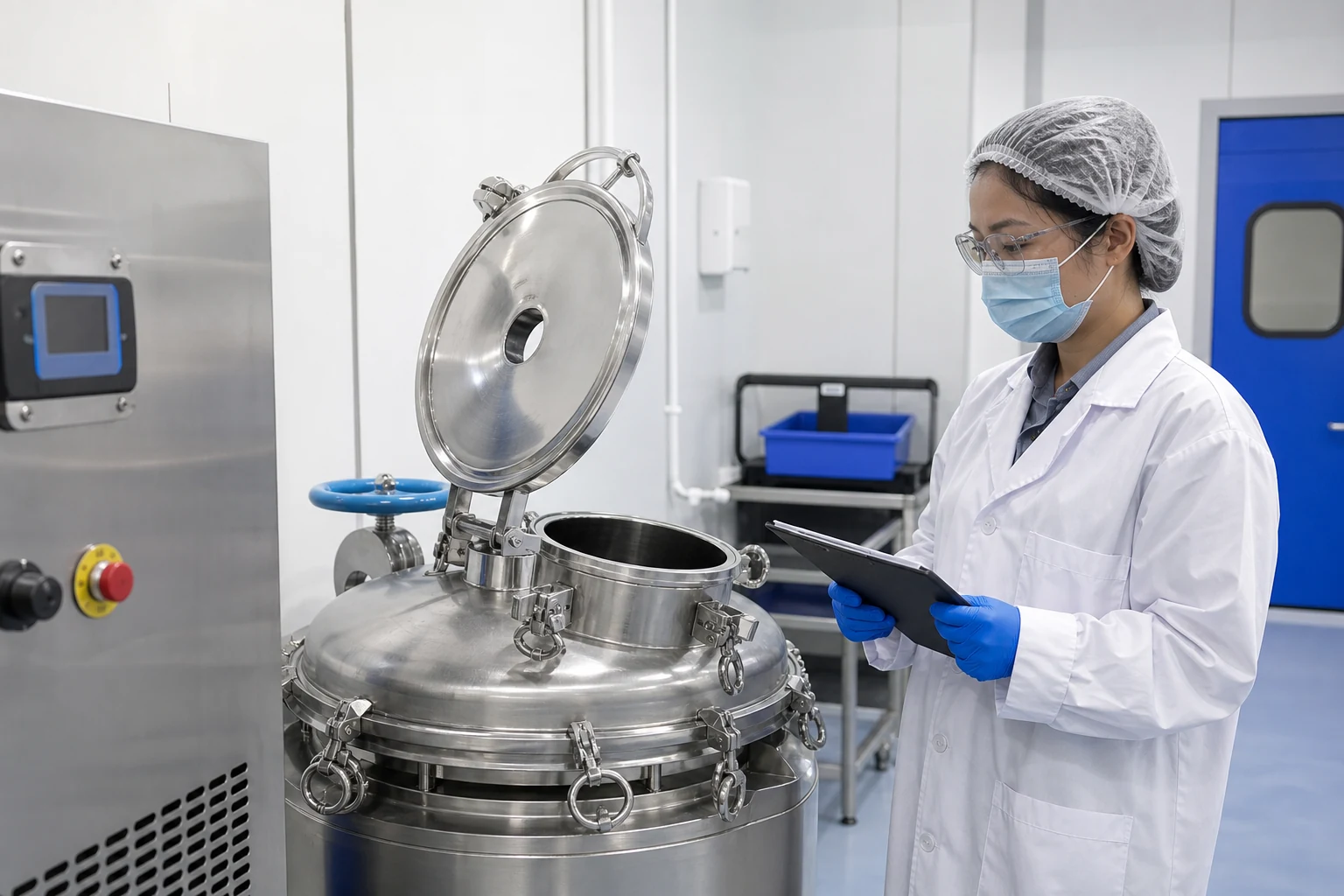
The master instruction defines the intended process; the executed batch production record shows what actually happened. Buyers do not need every internal document by default, but they should understand which records exist, who reviews them, how deviations are handled, and what batch-specific evidence can be provided under the quality agreement.
Link materials, operators, equipment, and results
Traceability works when a reviewer can move from finished lot to component lots, quantities, equipment, process times, in-process observations, packaging materials, label version, yield, and release decision. Records should be completed when work occurs, not reconstructed from memory. Corrections should remain attributable. The goal is a coherent chain that explains the batch, including any departure from the approved instructions.
Define deviation ownership before a deviation happens
A quality agreement should define notification, information sharing, impact evaluation, disposition authority, deviation classes, and escalation times. A documentation correction is not equivalent to an unapproved substitution or failed uniformity result.
Use the site's facility overview to identify the equipment class, sampling plan, review authority, and release records relevant to the project.

Align Label, Claims, and Formula Before Artwork Approval
Private-label projects often run formula and artwork workstreams in parallel. That saves calendar time only if version control is strong. Ingredient declarations, allergen statements, serving size, net quantity, directions, and claims must match the final formula and packaging. A late formula substitution can invalidate artwork even when the front panel looks unchanged.
Create one approval gate for formula and label reconciliation
The approval gate should compare the released formula against the Supplement Facts information, ingredient list, allergen disclosure, statement of identity, net quantity, responsible firm details, and any claim-support file. It should identify the artwork revision and representative label used for production. The review is not merely graphic proofreading; it is a controlled reconciliation of manufactured composition and market-facing information.
The site's health knowledge material can inform questions, but the project claim file must support each actual finished-product promise.
Evaluate Quality Evidence as a System, Not a Certificate Folder
Certificates can help scope a review, but they do not replace project controls. A certificate should be checked for issuing body, site name and address, activity scope, product relevance, effective dates, and status. Even a valid audit does not tell the buyer whether the current formula, materials, process, or label were approved correctly.
Ask for evidence that follows the current project version
A strong evidence request connects the project code to specifications, supplier status, formula and label revisions, trial outcome, finished-product tests, and release authorization. When the controlled transfer set changes, affected instructions and records should change through controlled review. Evidence without a current version may be authentic yet irrelevant to the purchased batch.
Risk-based verification. Depth should rise with formulation complexity, claim sensitivity, allergen exposure, novel materials, packaging vulnerability, and failure cost. The manufacturer's company and service profile can frame capabilities, but every shortlisted supplier should face the same evidence standard.

Use a Staged Approval Path That Preserves Learning
A staged path makes formula approval, the representative trial, packaging verification, release evidence, and repeat-order review visible.
- Approve the commercial brief and assign a controlled project code.
- Review material identities, formula logic, claim boundaries, and the intended package.
- Approve a versioned sample with explicit limitations.
- Run representative scale-up and document interventions.
- Review the first batch production record, agreed test results, and deviation status before release.
This path supports discussing samples, timelines, and responsibilities through the site's contact channel. It prevents a quotation from being mistaken for a technical commitment before the scope is defined.
Review the supplier's wider product portfolio only after defining the evidence expected for this specific project.
Frequently Asked Questions
Does an approved sample guarantee production repeatability?
No. A sample is evidence only within its documented conditions. Repeatability also depends on approved materials, representative equipment, scale-sensitive instructions, in-process controls, packaging setup, and release review. Ask how sample conditions differ from routine production.
What should a buyer confirm before requesting a quotation?
Define the product format, ingredient direction, serving concept, flavor target, claim boundaries, package type, expected order range, target markets, and evidence expectations. Unresolved choices should be listed rather than hidden. The project inquiry route is more productive when the brief distinguishes fixed requirements from options that need development.
Who owns the formula and process documents?
Ownership and access depend on the commercial and development agreement. The buyer should clarify formula ownership, use restrictions, change approval, confidentiality, record retention, and what happens after termination. Regardless of ownership, the manufacturing site still needs controlled instructions sufficient to make and document each batch correctly.
How should a buyer compare two manufacturers?
Use the same brief and evidence request for both. Compare assumptions, substitution control, scale-up, quality responsibilities, change notification, traceability, testing, packaging, deviations, and communication. Normalize the evidence before scoring.
What is the clearest warning sign during evaluation?
A major warning sign is ambiguity that repeatedly shifts responsibility: formulas without versions, samples without limitations, claims without an owner, substitutions without approval, or test results without lot linkage. A private label whey protein manufacturer does not need to disclose every proprietary detail, but it should be able to define how controlled decisions become repeatable production.
When the project is ready for a technical discussion, share the approved brief, open questions, package concept, evidence expectations, and intended trial decision so the manufacturer can respond against one comparable scope rather than a vague product idea.