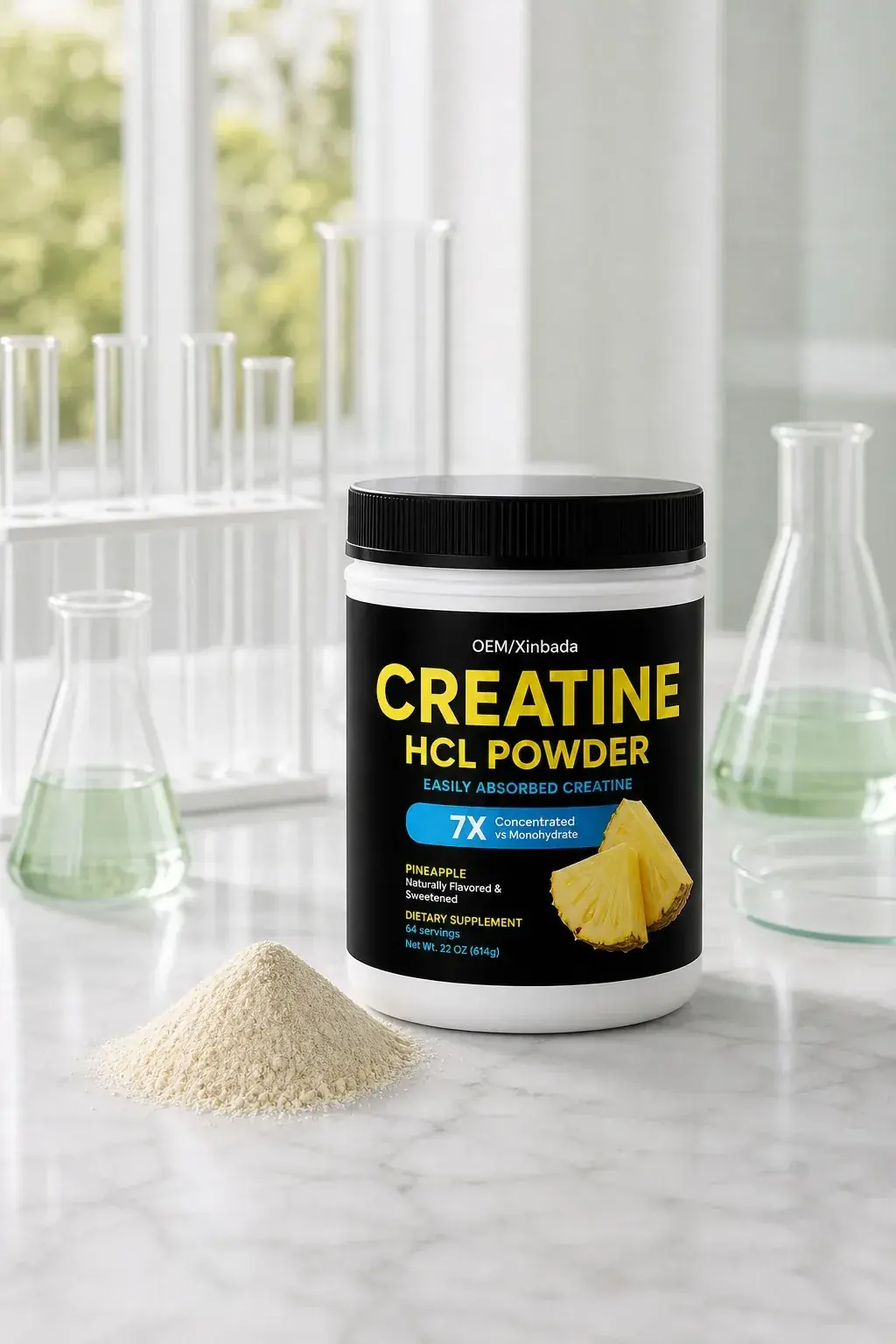
Reliable protein supplement manufacturers can be separated from weak shortlists by comparing documented specifications, supplier controls, batch records, and pilot evidence. A polished sales deck is not proof that a formula will transfer, that ingredients will meet identity requirements, or that a released batch will match the approved brief. A defensible choice therefore begins with comparable evidence, followed by a focused audit and a pilot that tests the highest commercial risks.
Start the shortlist with a controlled product brief
A useful shortlist starts after the buyer defines what the finished product must be, how it will be sold, and which decisions remain open. Without that baseline, each factory can quote a different protein source, flavor system, serving size, pouch format, or test package. Prices may look comparable while the underlying scope is not. The brief should distinguish non-negotiable requirements from preferences and state who owns formula approval, label copy, raw-material substitutions, and change control.
Convert the commercial idea into measurable acceptance points
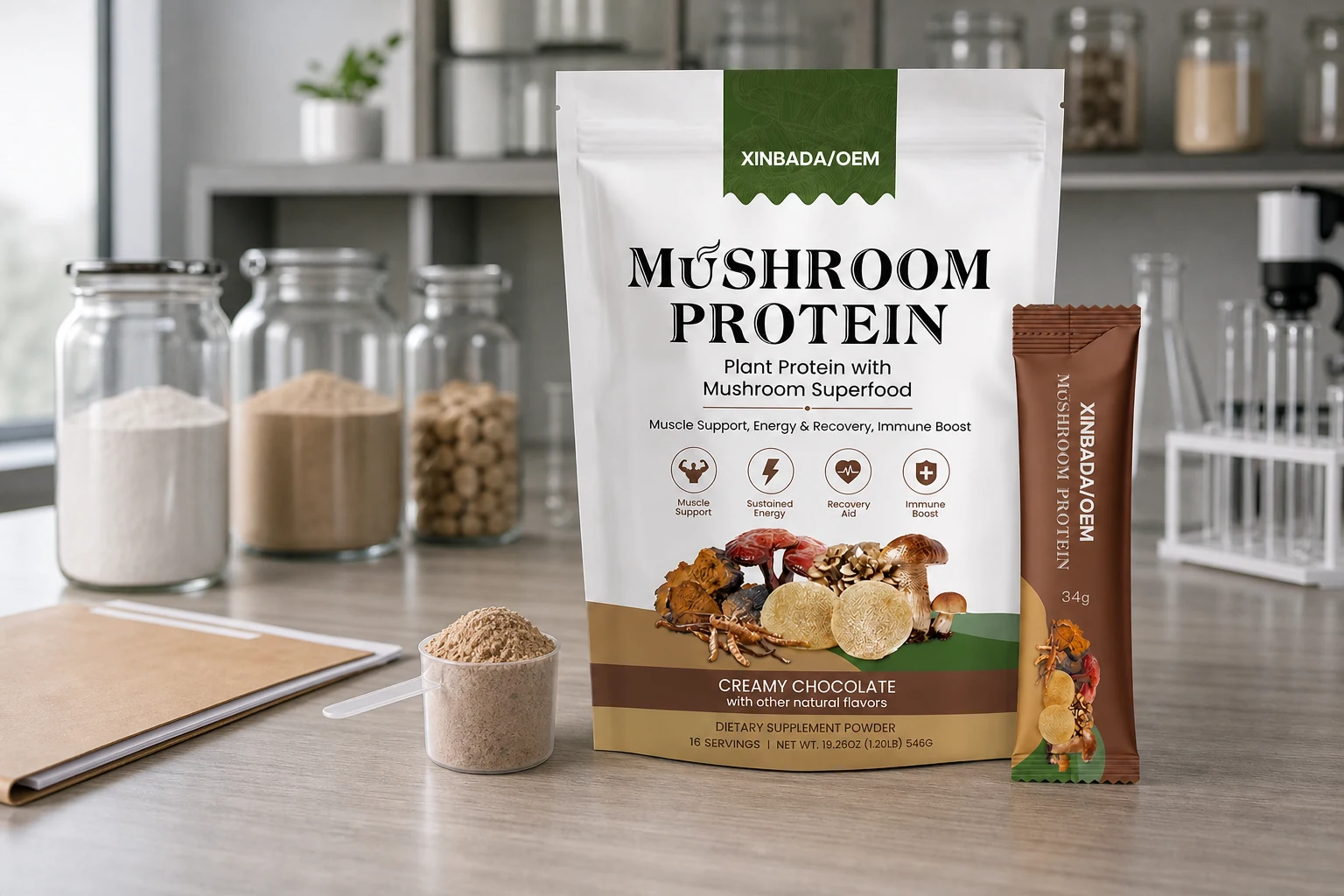
The brief should translate sensory and marketing language into evidence that can be checked. “Smooth” may require an agreed preparation method, mixing time, water temperature, and reference sample. “High protein” must be evaluated against the intended formula and applicable label basis rather than used as an unsupported promise. For a powder, buyers commonly define protein source, allergens, sweetener constraints, flavor direction, color, serving mass, package size, target shelf life, and any required market documents. These points make quotations easier to normalize and give a manufacturer qualification audit a stable scope.
Separate formula ownership from manufacturing capability
A supplier may offer an existing base, customize a platform, or develop a new formula. Those paths carry different development time, intellectual-property boundaries, minimum orders, and change risks. A buyer should ask which ingredients are locked, which can be substituted, what triggers re-approval, and whether the approved sample is linked to a controlled master record. The same questions apply when reviewing the site’s OEM and ODM service scope: capability claims become decision evidence only when responsibilities and approval gates are explicit.
Test quality-system evidence before visiting the factory
Document review should happen before an audit trip. Under the FDA’s dietary supplement framework, specifications, quality-control operations, production records, packaging controls, and supplier qualification are connected parts of the system. A certificate or registration can support screening, but it does not show how the facility applies controls to the proposed product. The most informative pre-audit package explains the process flow, quality responsibilities, deviation handling, complaint handling, and record retention for the relevant dosage form.
Use dietary supplement cGMP as a question map
The FDA’s current good manufacturing practice guide describes specifications for components, in-process production, labels, packaging, finished batches, and received products. It also describes quality-control review of supplier qualification and records. That framework can be turned into practical questions: Who approves a component? Which identity test is performed? How is a deviation investigated? What prevents label mix-ups? Which finished specifications are verified before release? Strong answers point to named procedures and example records, not only a general statement that the site is compliant. A supplier’s company background can establish context, but it does not replace record review.
Ask for records that show the system operating
Procedure titles alone cannot demonstrate execution. Redacted examples can show how a component receipt is quarantined, sampled, approved, and issued; how an out-of-specification event is contained; and how a production deviation reaches quality review. Useful evidence may include a supplier-approval summary, training matrix, equipment-status record, sanitation verification, calibration status, sample batch record, and complaint trend format. Buyers should request only what is proportionate and protect confidential details, but the response should still reveal dates, approvals, traceability, and closure logic.
| Decision area | Weak signal | Stronger evidence | Buyer check |
|---|---|---|---|
| Ingredient control | Generic certificate folder | Approved specification, identity approach, supplier status, and receipt trace | Follow one ingredient from receipt to issue |
| Formula control | Approved sample with no version | Controlled formula, master record, yield limits, and change approval | Match the sample code to the planned batch |
| Process control | Equipment list | Defined sequence, critical checks, sanitation status, and deviation route | Review one completed production record |
| Release | Certificate promised after production | Approved specifications, sampling plan, test responsibility, and quality sign-off | Agree the release pack before purchase |
| Packaging | Mockup only | Approved artwork, component specification, reconciliation, and line clearance | Trace one label version through issue and return |
Follow materials through receiving, weighing, and changeover
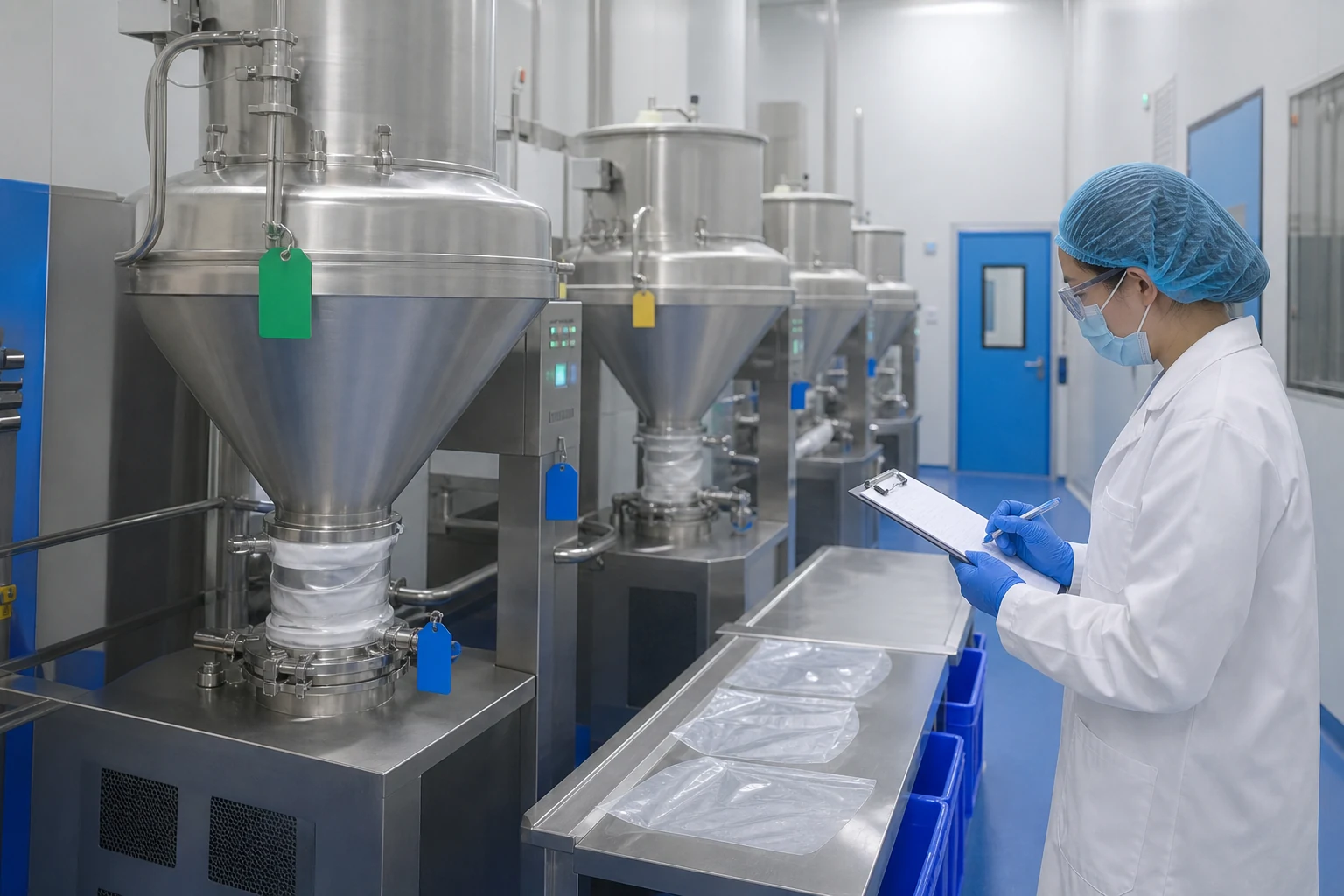
The factory audit should trace the proposed product’s risks instead of becoming a general tour. Protein powders can involve allergen segregation, dust control, flavor carryover, hygroscopic ingredients, fine additions, and difficult cleaning surfaces. Auditors should select one material and follow its status from receiving through quarantine, sampling, approval, storage, weighing, and batch issue. They should also select one equipment train and examine the transition from the previous product to the proposed formula.
Observe status control at the point of use
Labels and electronic status fields must agree with the physical material. The audit should check how released, quarantined, rejected, and returned items are separated; how partial containers are resealed; how lot identity is preserved after weighing; and how staged ingredients are reconciled. Environmental conditions matter when they can change identity, purity, strength, or composition. A neat warehouse is helpful, but a documented status trail is stronger than appearance.
Challenge the changeover with a realistic sequence
A meaningful changeover review names the previous product, the next product, the shared contact surfaces, and the verification method. Buyers can ask how the site handles an allergen change, a strong flavor, a dark color, or a difficult-to-clean powder before their batch. Records should show line clearance, equipment release, cleaning completion, and action when the result is unacceptable. This is where facility and production context can guide questions, while the final conclusion still depends on the evidence observed for the relevant line.
Compare batch release records before comparing lead times
A short lead time has little value if release responsibility is undefined. Buyers should agree which specifications apply to raw materials, in-process checks, finished powder, and packaging; which party performs each test; and what the certificate of analysis will contain. The release package should be designed before the purchase order, not improvised after production. Reliable protein supplement manufacturers can explain how quality personnel review exceptions and how a batch remains on hold until required decisions are complete.
Link laboratory results to decisions
Testing should answer a defined acceptance question. The method, sampling point, laboratory responsibility, and decision rule should be stated for each critical result. Buyers should clarify what happens when a test is delayed, invalid, atypical, or out of specification, and whether subcontracted laboratories are controlled. The objective is not to demand every possible test; it is to ensure that identity, purity, strength, composition, and relevant safety risks are supported by a coherent plan.

Use a pilot batch to test the highest-risk assumptions
A laboratory sample confirms direction, but it does not reproduce commercial equipment, batch size, addition sequence, holding time, packaging speed, or warehouse exposure. The pilot should therefore test the assumptions most likely to change at scale. Before it begins, both parties should agree the formula version, raw-material lots, process parameters, sample plan, sensory method, package components, yield expectations, deviation route, and acceptance authority.
Plan comparisons before the material is consumed
Retain enough representative samples for immediate review and later investigation. Identify sampling locations and preparation instructions so that comparisons are not distorted by inconsistent mixing. Evaluate what matters to the commercial brief: appearance, aroma, taste, dispersibility, fill weight, seal integrity, coding, and agreed analytical results. If a result fails, the team should distinguish formula weakness from process variation, material variation, packaging behavior, or test error before approving a change.
A shortlist is defensible when each candidate is judged against the same product brief, evidence request, audit path, pilot protocol, and release expectations.
Frequently asked questions
Is a manufacturing certificate enough to qualify a supplier?
No. A certificate may be a useful screening input, but qualification should examine the proposed product, relevant process, supporting records, change control, and quality responsibilities. Scope, status, and expiry should also be checked with the issuing body where appropriate.
What should be requested before an on-site audit?
A focused request can cover the process flow, organizational quality roles, relevant certificate scope, specification examples, supplier-control summary, sample production record, deviation format, test responsibility, packaging control, and complaint process. Confidential information can be redacted without removing the evidence structure.
When should a quality agreement be discussed?
Responsibilities should be discussed during evaluation and fixed before commercial production. The agreement commonly addresses specifications, records, deviations, release, complaints, change notification, audit access, subcontracting, retention samples, and document retention.
What makes a pilot batch decision-ready?
It has a frozen input version, defined scale, agreed process and sample plan, measurable acceptance criteria, authorized reviewers, documented deviations, and a closed path for changes. A pilot that cannot be traced to the commercial master record is only a demonstration.
Build a qualification record that survives the award decision
The final decision should show why a supplier passed each mandatory gate, which risks remain open, and how those risks will be controlled in the pilot and quality agreement. Protein supplement manufacturers should be re-evaluated when formulas, sites, critical materials, processes, ownership, or performance change. Preserving the brief, evidence index, audit notes, scoring rationale, approvals, and follow-up dates turns a one-time shortlist into a repeatable governance process. The site’s broader product portfolio and article library may help frame follow-up questions, while the qualification record remains product-specific.

When a candidate remains credible, a concise project inquiry can close the remaining evidence gaps with the controlled brief, package concept, expected volume, required documents, and pilot questions. If a clarification cannot be handled in the form, the site’s contact channel provides a separate escalation path.