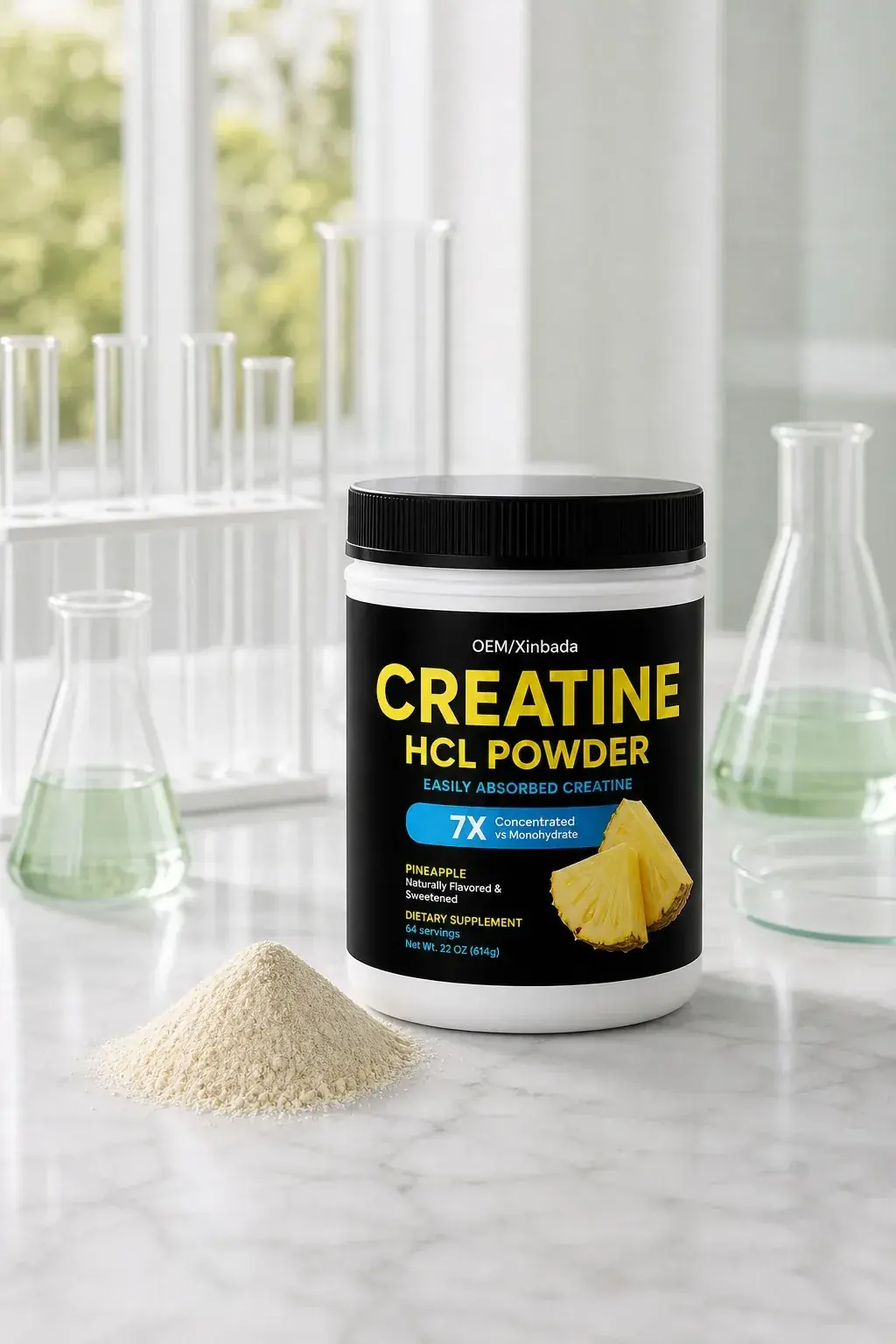
A vegan protein powder manufacturer should be evaluated through an evidence chain connecting ingredient identity, formula control, production, testing, claims, and batch release. A polished catalogue can show possible formats, but it does not prove that the quoted formula, approved label, pilot sample, production record, and released lot all describe the same product. The useful question is therefore not whether a factory can display plant-protein powders, but where its chain of evidence could break.
The Evidence Chain Starts Before A Sample Is Mixed
A credible evaluation begins with a written product brief that separates fixed requirements from open choices. Terms such as “clean,” “natural,” or “high protein” cannot control purchasing or release by themselves. The brief should identify protein sources, sensory targets, exclusions, pack format, shelf-life objective, and claims needing support.
Convert Marketing Language Into Controlled Requirements
Each front-label idea needs a technical owner and a verification route. A “vegan” position may affect ingredient declarations, processing aids, flavors, carriers, line scheduling, cleaning evidence, and supplier statements. A protein target affects formula composition and the method used to confirm it. A flavor promise requires an agreed sensory reference rather than a descriptive adjective. These conversions prevent a quotation from becoming a list of attractive words with no release criteria.
Separate Manufacturer Claims From Buyer Acceptance Criteria
Same-site pages may describe formulation, packaging, labeling, and logistics services, but those are supplier-provided capabilities rather than evidence that a particular project has passed. Buyers can use the OEM and ODM service scope to identify questions, then request project-specific records. Acceptance should depend on documents and samples tied to the proposed site, formula version, package, and test plan.
Ingredient Identity Determines Whether “Vegan” Is Auditable
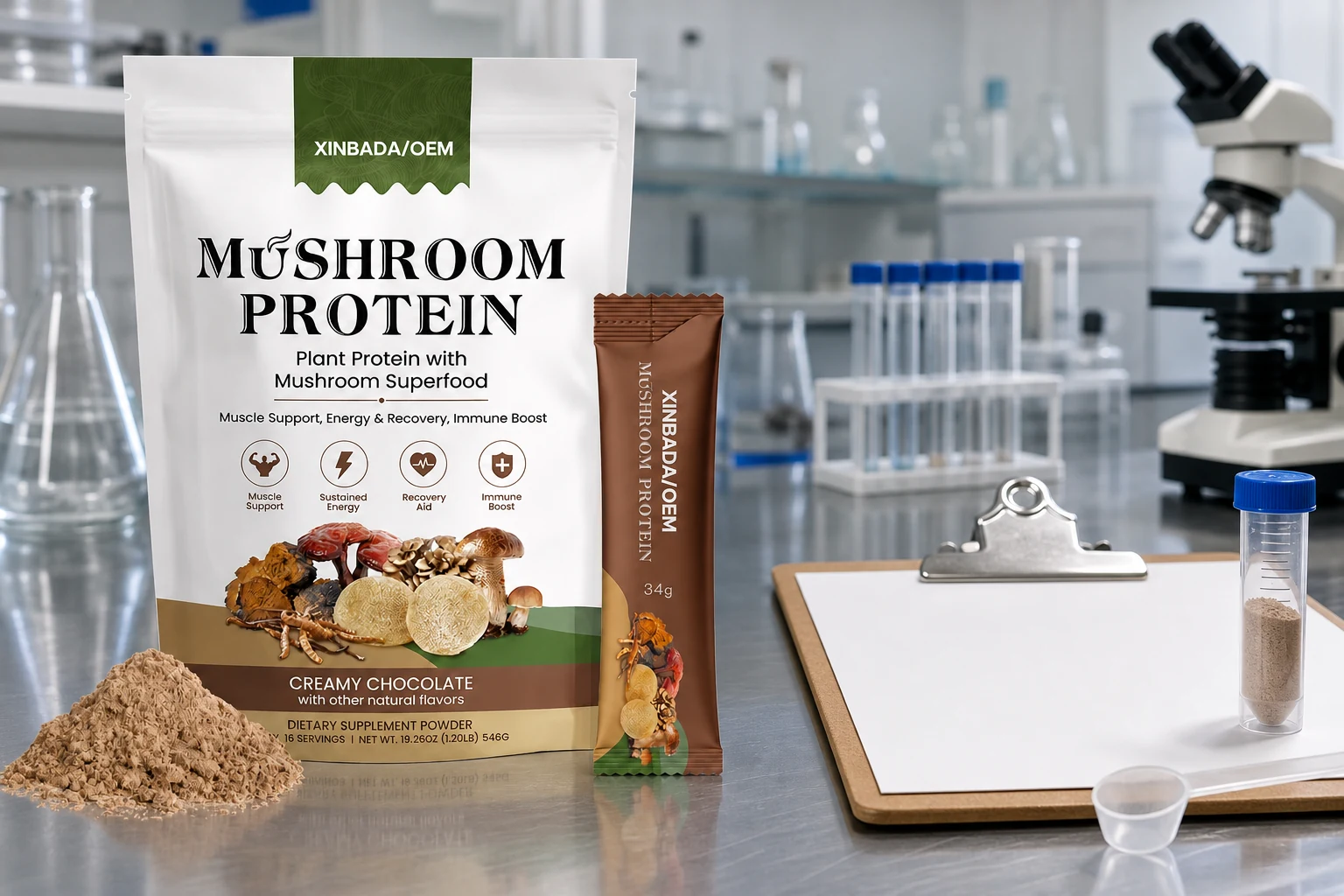
Plant-derived protein is not one uniform material. Pea, rice, soy, seed, mushroom-containing blends, fibers, flavors, sweeteners, enzymes, and processing aids create different identity, allergen, taste, and stability questions. The manufacturer should therefore show how every component is approved, received, identified, stored, and linked to the finished batch.
Supplier Qualification Must Reach Beyond A Certificate
Effective plant protein supplier qualification connects an approved supplier, material specification, test method, lot-specific result, receiving record, and periodic performance review. A certificate of analysis can support this system, but it should not be treated as self-validating. The buyer should ask how supplier results are confirmed, how specification changes are communicated, and how a material is blocked when identity or condition is uncertain.
Allergen Controls Must Match The Actual Facility Flow
Vegan positioning and allergen management are related but not identical. Shared equipment may process milk, soy, tree nuts, or other major allergens even when a target formula excludes them. Practical allergen cross-contact controls include material segregation, production sequencing, validated cleaning procedures, label reconciliation, controlled rework, employee and utensil movement, and documented line clearance. The relevant evidence is the control applied to the actual line and product sequence, not a generic hygiene statement.

Formula Control Must Survive Scale-Up
A bench sample proves that a flavor and texture can be produced once. Commercial confidence requires evidence that the same formula can be weighed, blended, transferred, filled, and repeated at the proposed batch size. This is where a vegan protein powder manufacturer can lose consistency even when individual ingredients meet their specifications.
Lock Formula Version, Process Order, And Yield Logic
The master formula should identify every component, permitted tolerance, addition order, mixing condition, and expected yield. Version control must prevent an old formula, flavor system, or label from entering production after approval changes. Yield reconciliation helps expose weighing errors, retained material, transfer loss, or unexplained variance. A pilot should deliberately test the proposed commercial sequence rather than merely reproduce a laboratory cup.
Use In-Process Checks That Predict Finished Performance
Useful checks depend on the product and may include blend uniformity, bulk density, moisture, sieve condition, flow, fill weight, seal integrity, and sensory comparison. They should be tied to defined actions: continue, adjust under an approved instruction, segregate, investigate, or reject. A reading without a limit and disposition rule is monitoring, not control. Buyers should also ask how retained samples and deviations support later investigations.
Testing Must Answer The Agreed Risk Questions
Testing is valuable when the specification, sampling plan, method, laboratory, result, and release decision are connected. A long panel may still be weak if it omits an important hazard, uses an unsuitable method, or belongs to another formula. Formula verification testing should therefore begin with the product brief and risk review, then define which results come from incoming materials, in-process checks, and finished-product examination.
Method Suitability Matters As Much As A Passing Number
Protein, microbiological, contaminant, allergen, and identity questions require different methods and sampling logic. The buyer does not need to dictate every laboratory procedure, but should request the method reference, specification limit, actual result, laboratory identity, and lot relationship. If a result supports a claim, the claim wording and serving basis should also be reviewed so the number is not separated from its consumer-facing meaning.
Release Records Should Close The Loop
Good batch release documentation brings the formula version, component lots, manufacturing record, deviations, in-process observations, package and label reconciliation, finished testing, and quality approval into one decision. It should also identify who can place or remove a hold. When a supplier provides only a finished certificate, the buyer cannot see whether the result is connected to controlled production or merely attached after the fact.
A Trial Order Should Be Designed To Find Weak Links
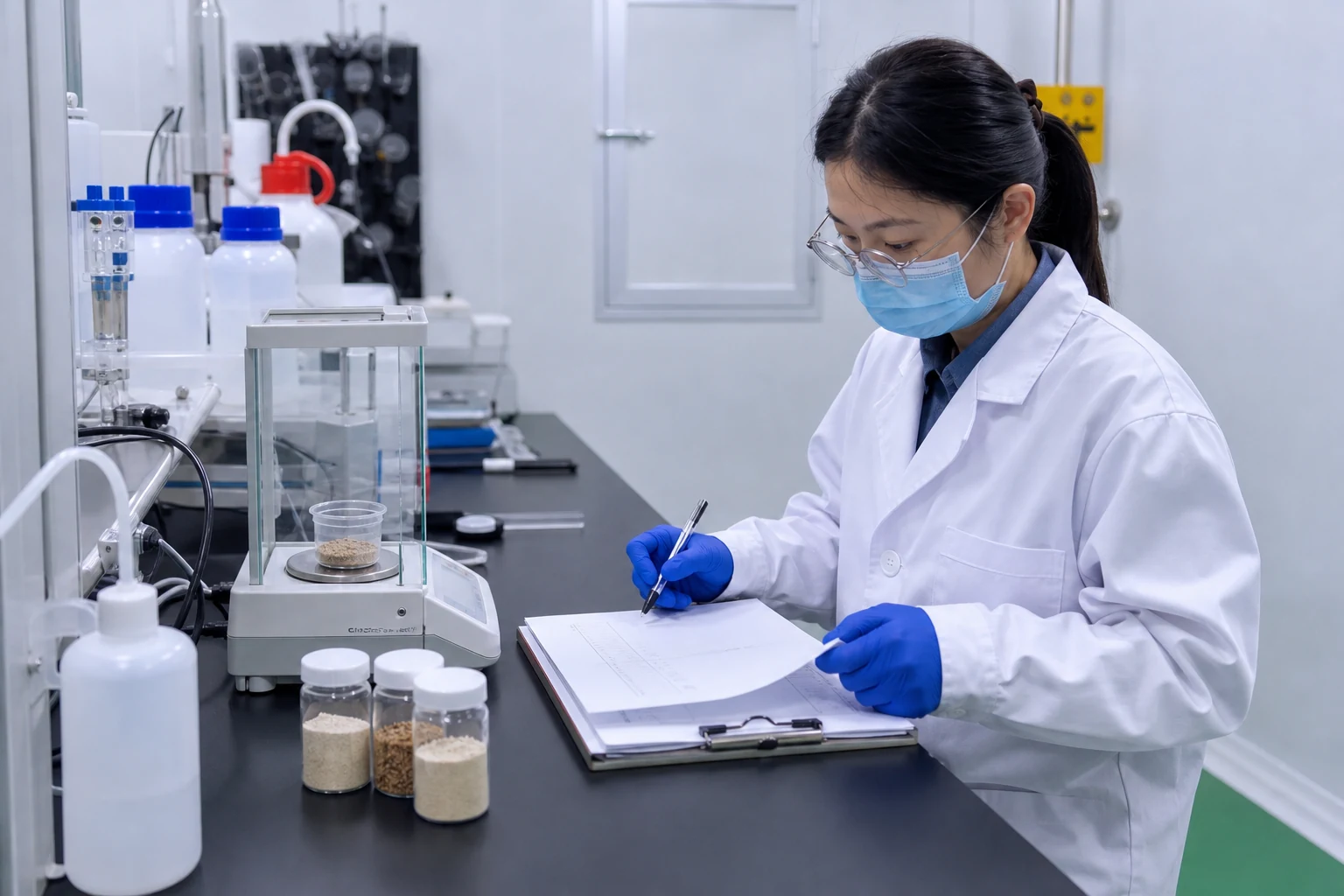
For a vegan protein powder manufacturer, a trial should test the operating system rather than serve only as a smaller commercial order. Use a realistic package, flavor, protein target, and change-control path, then compare the approved brief, pilot, production output, laboratory evidence, and shipment condition.
- Confirm that the quoted site and line match the site and line used for the pilot and commercial batch.
- Record the exact formula and label version accepted before production.
- Define who approves ingredient, flavor, color, package, or test-method substitutions.
- Compare sample and batch on the same sensory and physical criteria.
- Require a written disposition for every deviation rather than an informal explanation.
A low-risk trial is not one with no problems. It is one in which any problem becomes visible, traceable, and governed by an agreed decision process.
Compare Evidence On Identical Dimensions
Shortlists become clearer when every candidate receives the same questions. The host company profile can be assessed under the same framework: claims indicate where evidence may exist, while the buyer confirms scope, dates, relevance, and issuing authority.
| Decision Dimension | Evidence To Request | Weak Signal | Useful Buyer Check |
|---|---|---|---|
| Ingredient control | Approved supplier list, material specification, identity record, lot trace | Certificate without qualification basis | Trace one received lot into one finished batch |
| Vegan and allergen control | Ingredient statements, risk review, cleaning and line-clearance records | Logo or claim without process evidence | Map shared materials and equipment |
| Formula repeatability | Controlled master formula, batch record, yield and deviation review | Sample recipe not linked to production | Compare pilot and batch versions |
| Testing and release | Sampling plan, method, result, limit, laboratory and approval | Generic or unrelated certificate | Verify lot, date, method and reviewer |
| Packaging and label | Approved artwork, material specification, reconciliation and seal checks | Visual mock-up only | Inspect code, closure and transport condition |
| Supply continuity | Change notice, backup material logic, lead-time assumptions and escalation path | Guaranteed schedule without dependencies | Run a shortage and substitution scenario |
Packaging, Change Control, And Shipment Finish The Chain
Release from blending does not finish the manufacturer’s responsibility. Barrier material, closure, filling, coding, cartons, pallets, and transit can affect powder condition. Packaging requirements should remain linked to the approved project record.
Control Every Substitution Before It Reaches The Line
Changes in protein source, flavor carrier, sweetener, processing aid, pouch film, scoop, label stock, test laboratory, or production line may affect claims, allergens, sensory performance, compliance, or stability. A change notice should explain what changed, why, which documents are affected, what verification is required, and who approves implementation. Silence should never be interpreted as approval.
Shipment review should connect counts, batch codes, retained samples, release status, carton condition, and transport documents. The site’s packaging and logistics descriptions can frame the discussion, but route, responsibility, and records still need confirmation for the actual order.

Frequently Asked Questions
Does A Vegan Claim Prove A Facility Is Allergen-Free?
No. A vegan claim describes the intended product position; it does not prove that the facility excludes every major allergen or uses dedicated equipment. Buyers should review ingredient declarations, shared-line risks, scheduling, cleaning, line clearance, rework controls, and label verification for the proposed product.
Is A Certificate Of Analysis Enough To Approve A Manufacturer?
No. A certificate becomes useful when its supplier, material or product, lot, sampling basis, method, limit, actual result, laboratory, and reviewer are clear. It should sit inside a qualification and release system rather than replace that system.
What Should Be Compared Between A Pilot And A Commercial Batch?
Compare formula version, ingredient lots or specifications, process sequence, batch size effects, blend and fill observations, sensory reference, physical properties, test results, package performance, and any deviations. The goal is to determine whether scale-up changed a controlled attribute.
How Can Buyers Verify A Manufacturer’s Facility Claims?
Request current documents with their scope, issuing body, site identity, dates, and applicable product categories. During a remote or physical review, trace one example from an approved material through production, testing, packaging, and release. Treat website statements as questions to verify, not as independent proof.
Which Information Should Be Ready Before An Inquiry?
Prepare the protein sources or exclusions, target serving and nutrition concept, flavor and sweetener direction, allergen position, pack format, expected order range, destination requirements, claims needing support, testing expectations, and target timing. Unknowns can remain open if they are clearly identified as decisions to develop.
For a project-specific review, the buyer can send a controlled brief through the contact channel and ask the proposed manufacturer to map each requirement to a sample, document, process control, test, and release record before quotation approval.