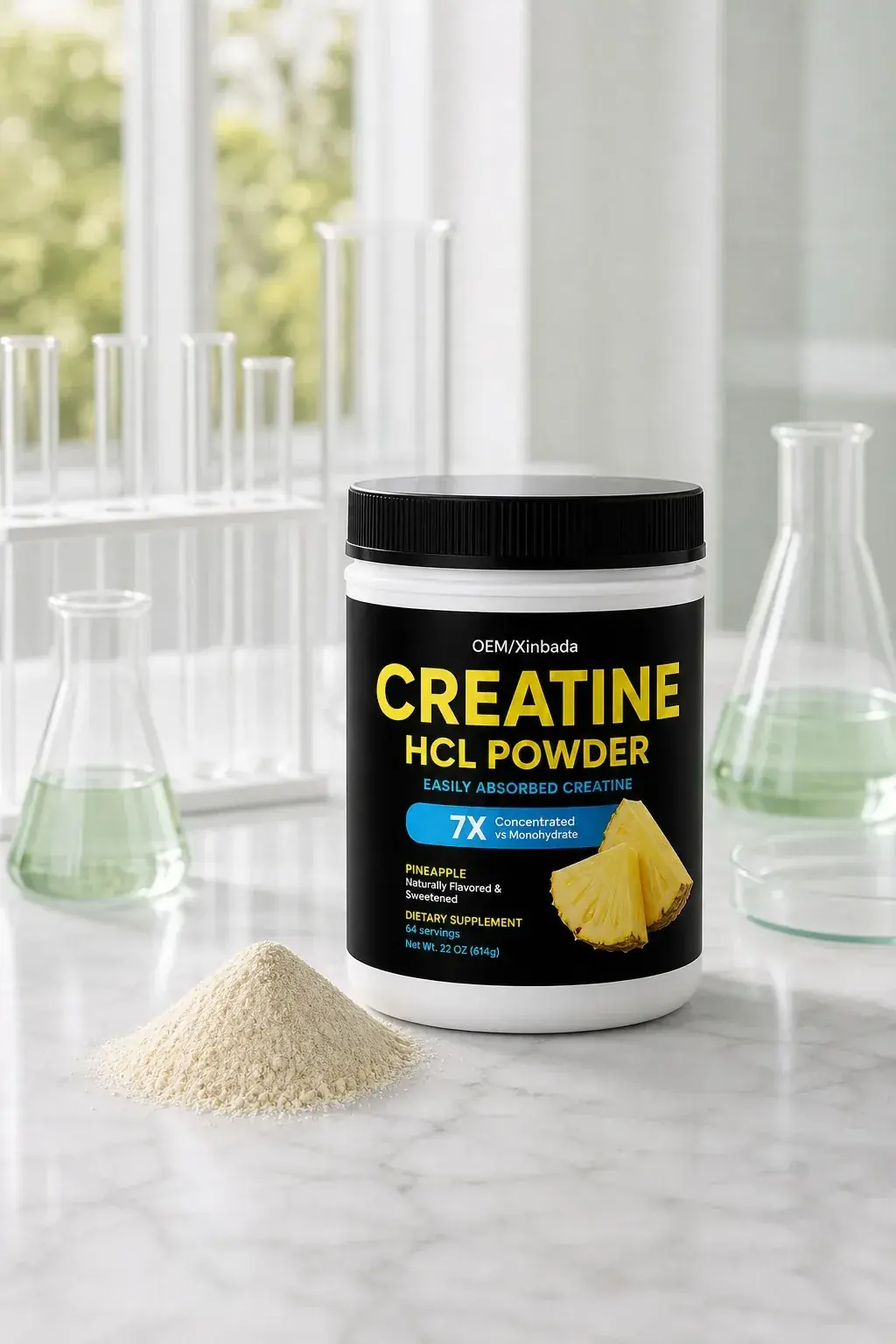
Protein drink manufacturers should be qualified by the exact product format they can control, not by a broad promise to make protein beverages. A powder mixed by the consumer, a single-serve stick, a shelf-stable ready-to-drink bottle, and a refrigerated shake create different formulation, processing, packaging, and release requirements. The fastest credible shortlist begins by defining that format and asking each factory to show evidence for the same manufacturing path.
Separate the Product Format Before Shortlisting
The word “drink” describes consumption, not the manufacturing process. A dry blend may need powder handling, flavor distribution, fill-weight control, and moisture protection. A finished liquid may also need water treatment, heat-process decisions, filling, closure control, and a shelf-life program. Those capabilities are not interchangeable.
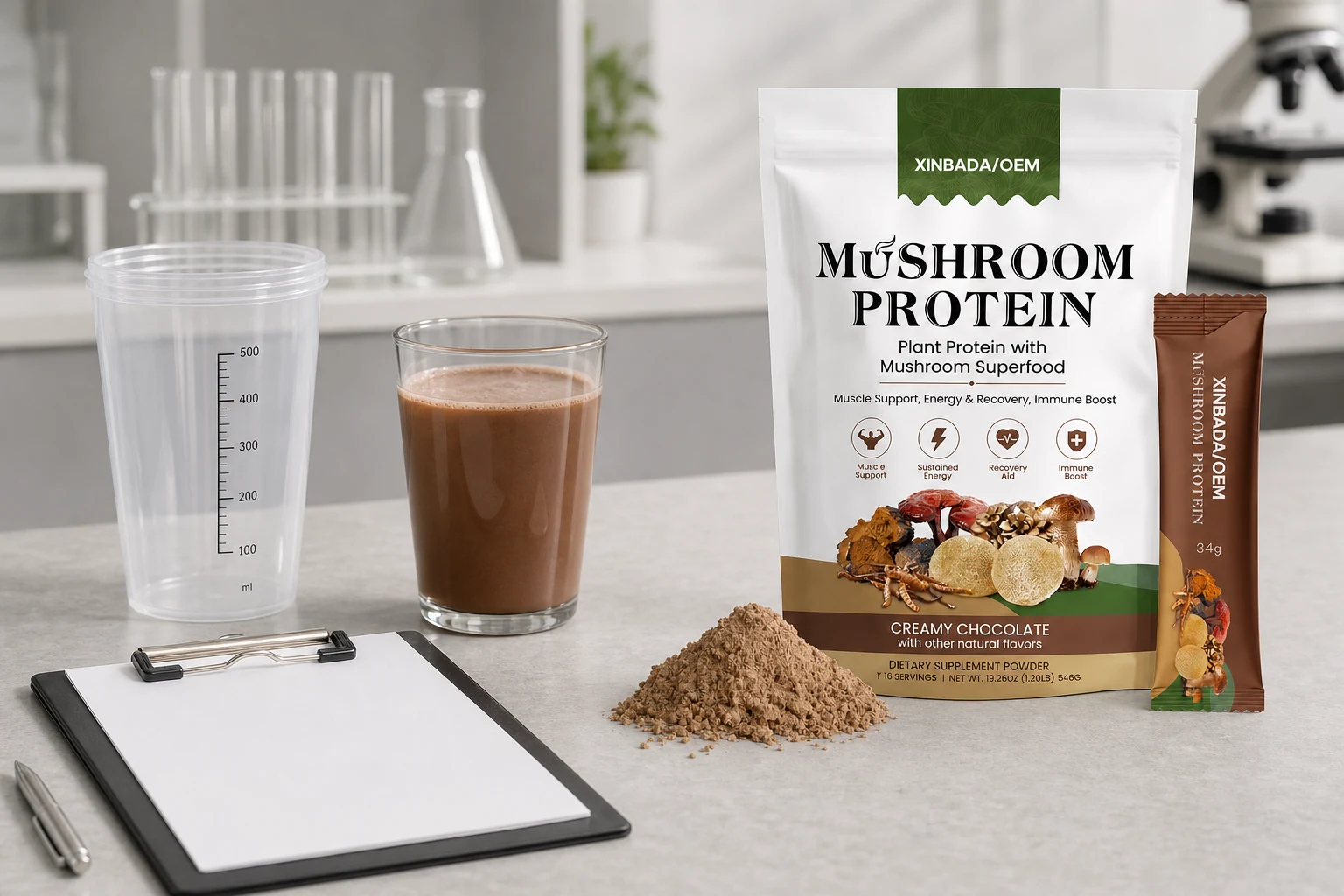
The related Xinbada category presents powder-based formats, useful evidence for a powder brief but not proof of bottled processing. For a liquid, ask for the exact line, container system, technical review route, and validation plan. For powder, center qualification on blending, portioning, and moisture control.
- Define whether the consumer adds water or the factory supplies a finished liquid.
- State the serving size, protein source, flavor direction, sweetener constraints, and allergen boundaries.
- Name the primary package: tub, pouch, stick, sachet, bottle, carton, or another confirmed format.
- Separate launch assumptions from requirements that must be tested or confirmed.
Build a Capability Map That Can Be Audited
A useful manufacturer comparison maps each requirement to visible evidence and a release decision. Marketing language can start a conversation, but it cannot replace a process map, approved specification, sample record, or defined owner. Use the same questions for every candidate so a polished proposal does not hide a missing production step.
| Decision Area | Powder-Format Evidence | Finished-Liquid Evidence | Buyer Output |
|---|---|---|---|
| Formula transfer | Blend order, sieve or agglomeration plan, flavor distribution | Hydration order, shear, heat exposure, hold-time controls | Approved process brief |
| Package fit | Moisture barrier, scoop or stick fill, seal checks | Container, closure, fill, headspace, and distribution checks | Package specification |
| Quality release | Identity, blend uniformity, fill weight, sensory review | Process, fill, closure, microbiological, and sensory review | Release checklist |
| Change control | Ingredient lot, flavor, package, or equipment change route | Formula, process, package, or line change route | Written approval path |
Test Whether the Formula Can Survive the Intended Process
A formula is commercially useful only when the chosen line can make it repeatedly. Protein systems may behave differently when exposed to mixing energy, temperature, minerals, acidity, storage time, or the consumer’s preparation method. The manufacturer should distinguish an ingredient claim from a finished-product result and identify which performance questions need bench work, a pilot sample, or production confirmation.
For powder products, ask how the team manages clumping, segregation, flavor distribution, serving variation, and reconstitution. For liquids, ask about suspension, viscosity, heat impact, and package interaction. Agree on acceptance criteria and the sample stage at which each criterion becomes binding.
Treat Classification and Labeling as Early Design Inputs
Regulatory classification affects the brief before artwork is finalized. FDA guidance distinguishes liquid dietary supplements from conventional beverages using factors that include product representation, directions for use, packaging, and marketing context. The practical sourcing lesson is not to let the factory, brand team, and designer work from different assumptions about what the product is.
Ask which regulatory and quality pathway the factory expects to use, then have responsible specialists confirm it. FDA’s current overview points to different rule sets for human food and dietary supplements, so a broad “GMP” statement still needs facility, scope, and product-category evidence.
Verify the Manufacturing Evidence Behind the Proposal
The evidence package should connect people, equipment, specifications, and records. Xinbada’s company page describes integrated development and OEM/ODM services. Use that as a starting point, then request records that match the proposed formula and format.
- Ask who owns formulation, scale-up, packaging engineering, quality review, and final release.
- Request a process flow that marks controlled steps, checks, holds, and rework boundaries.
- Compare the proposed equipment with the physical behavior of the formula and package.
- Review deviations, complaints, approved changes, and the facility scope of any certificate.

Frequently Asked Questions
Can a protein powder factory automatically make ready-to-drink shakes?
No. Powder blending and liquid processing require different equipment, controls, packaging operations, and validation. Confirm the exact liquid capability rather than inferring it from a powder range.
What should be sent in the first manufacturer brief?
Send the format, protein source, serving concept, sensory target, package, required tests, regulatory assumptions, and open development questions.
How should two manufacturers be compared fairly?
Use one requirement matrix, request evidence for the same process steps, and score only documented capability. Separate confirmed facts from promises that depend on trials.
Is a certificate enough to qualify a protein drink manufacturer?
No. Check the issuing body, facility, scope, status, and relevance, then connect it to process and release records.
Make the Format Decision Before the Factory Decision
The strongest shortlist is the smallest group that can show a controlled route from the intended format to an approved sample, defined package, repeatable batch, and documented release. Review the supplier’s manufacturing insights, then align the exact project scope through the project contact route before comparing quotations.
Share the format, serving plan, package concept, and open validation questions through Xinbada’s project inquiry.