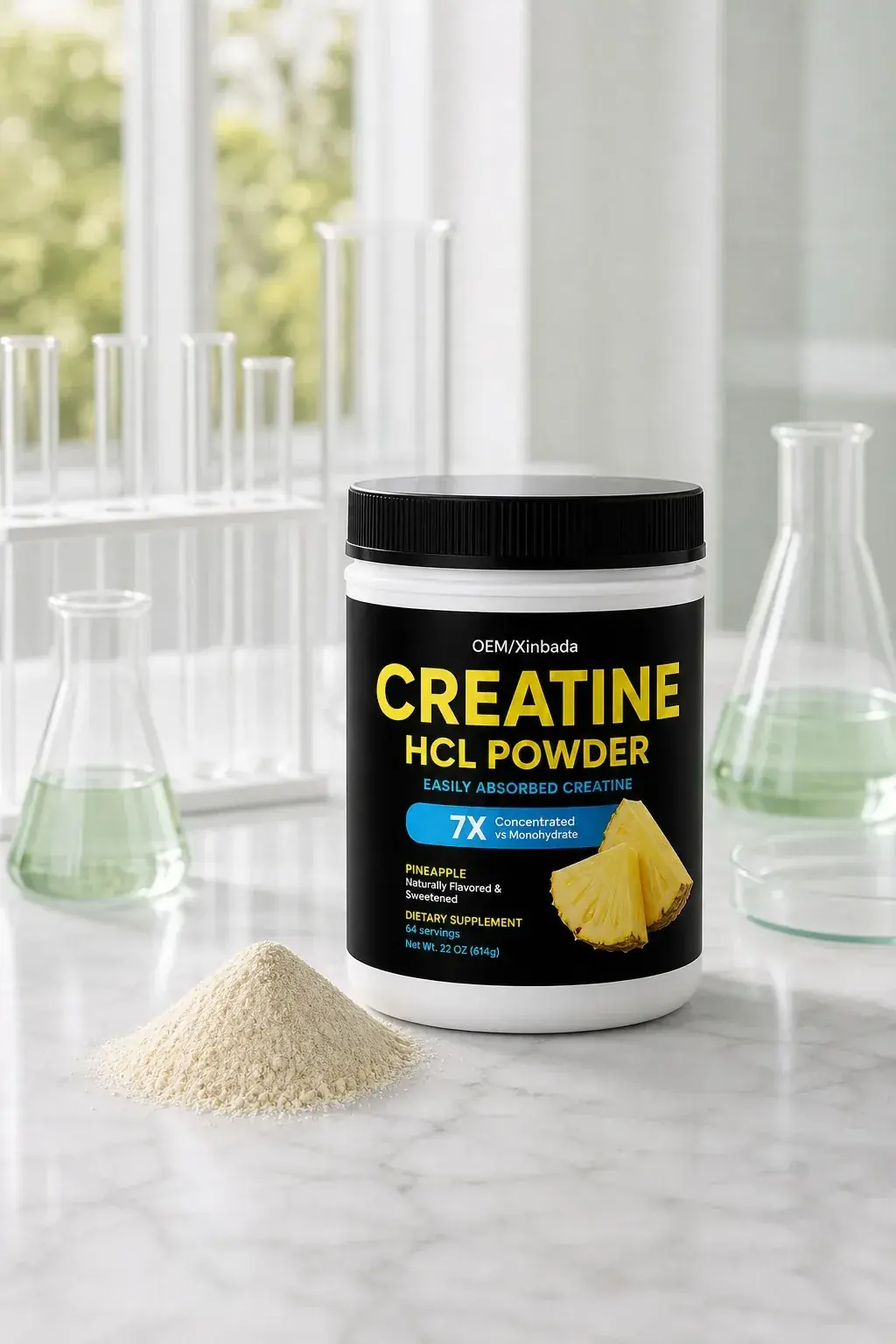
Private label protein powder manufacturers should be compared by who controls the formula, specifications, label, packaging, release decision, and future changes. Two offers can place the same brand name on a jar while assigning those responsibilities very differently. That difference determines how much product identity the buyer actually owns and how reliably a successful pilot can become a repeat order.
Separate The Two Service Models
A label-only program begins with an existing base formula. The buyer may choose flavor, package size, artwork, and quantity, while the manufacturer retains most of the technical definition. It can shorten development when the platform already fits, but it normally offers a narrower change window.
A controlled custom program converts a buyer-approved brief into a formula, specifications, manufacturing instructions, package, label inputs, test plan, and release rule. The site's OEM and ODM workflow describes formulation and packaging support; the proposal should still identify fixed platform choices, selectable options, project-specific development, approval rights, and future change controls.
Compare Control, Not Service Names
OEM, ODM, private label, white label, and contract manufacturing are used inconsistently. Ignore the name and follow each controlled object from approval through commercial production.
| Control Point | Label-Only Program | Controlled Custom Program | Evidence To Request |
|---|---|---|---|
| Formula | Manufacturer base with limited options | Buyer-approved version and revision status | Formula identifier, permitted ranges, approval record |
| Ingredients | Platform sourcing rules normally apply | Project specifications and substitution boundaries | Material specification and written deviation process |
| Package and label | Standard container with buyer artwork | Defined component, closure, fill, and artwork controls | Approved dieline, component spec, line-trial decision |
| Future change | Platform change may affect several labels | Project-specific notice and approval route | Change-control clause and replacement-sample trigger |
Make The Product Brief Manufacturable
A formula brief must define protein sources, serving size, sweetener direction, allergen limits, sensory targets, powder behavior, package form, fill quantity, label market, claim boundaries, forecast, and open decisions. Mark each item fixed, preferred, or exploratory. Ask the technical team to return conflicts and deviations, such as a serving that will not fit the container or a low-dose component that needs a defined addition sequence.
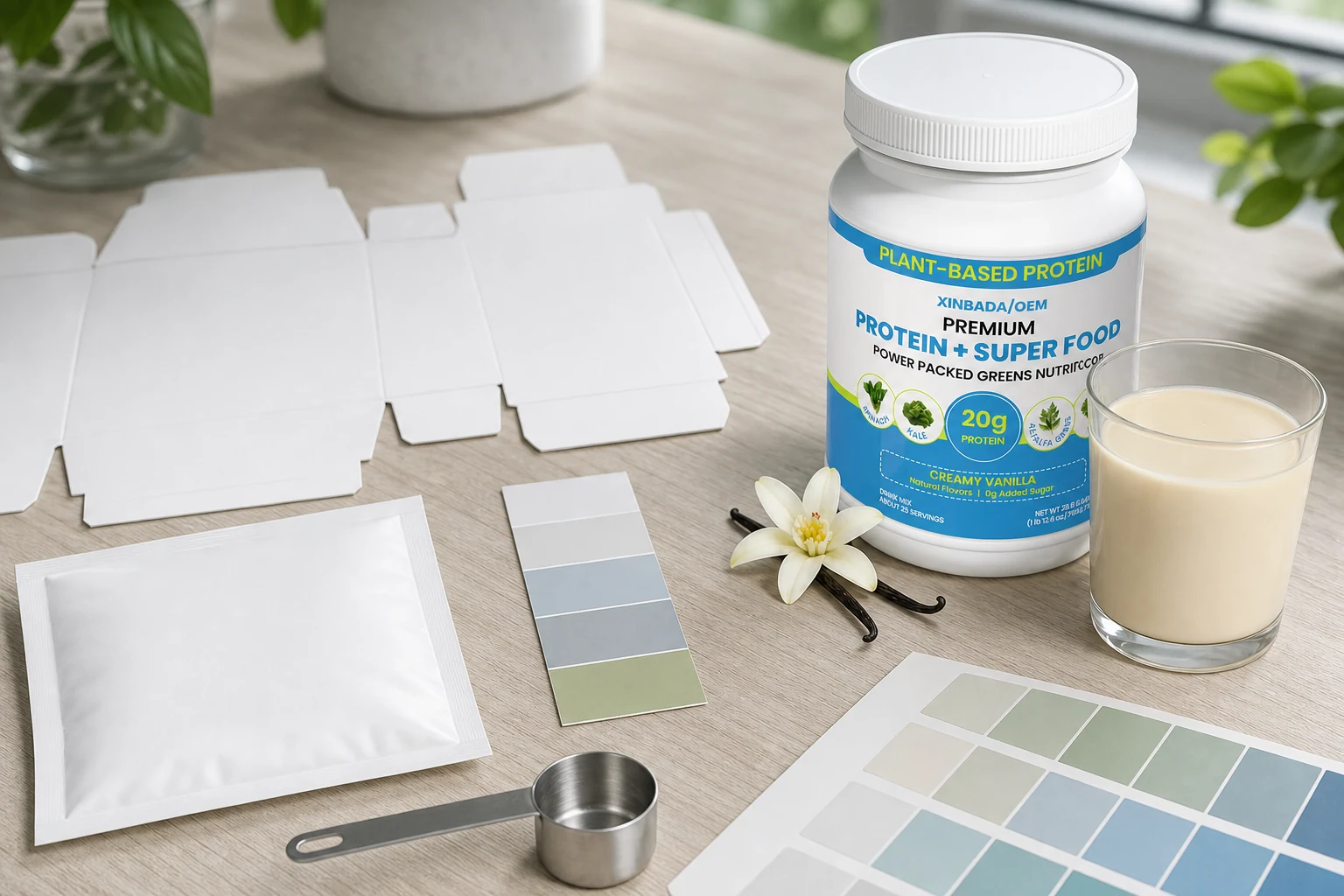
Keep one numbered version as the source of truth. Samples, quotations, artwork, and tests should refer to it. Record what changed in each sample instead of circulating an unexplained “latest formula.”
Assign Quality And Release Responsibility
For dietary supplements sold in the United States, outsourced work does not make responsibility disappear. FDA current good manufacturing practice guidance describes component, in-process, packaging, label, and finished-batch specifications, plus master manufacturing and batch production records.
Translate that framework into a quality agreement: who approves suppliers and specifications, samples and tests, investigates deviations, reviews records, releases batches, retains samples, and handles complaints. The facility overview can frame questions, but a photograph or certificate does not prove that this formula follows the agreed route.

Start with a responsibility matrix and one example showing how material, in-process, finished-result, and packaging checks flow into release. This reveals gaps without requesting every record at once.
Protect The Pilot-To-Repeat Order
A successful sample proves that one version can be made once. Before scale-up, freeze the formula identifier, materials, sensory reference, package components, artwork, test plan, acceptance rules, and expected bench-to-production differences.
Set notice and approval triggers for changes to a protein source, flavor carrier, sweetener grade, container, closure, label stock, site, or test method. Compare price only after those boundaries are visible. A standard formula is not automatically worse and a custom route is not automatically better; the control model must match the product identity that needs protection.
FAQ
Does Private Label Always Mean A Custom Formula?
No. It may mean applying buyer artwork to an established formula, selecting from a platform with limited options, or developing a project-specific formula. Confirm the formula identifier, approval rights, and change process instead of relying on the service name.
Who Should Own The Master Formula?
Ownership and operational custody can be separated. The agreement should state who owns the commercial formula, who maintains the controlled manufacturing version, who can authorize revisions, and what information is available if the relationship ends.
What Should Be Approved Before Artwork?
Approve the intended formula, serving logic, ingredient statement inputs, allergen information, package dimensions, fill quantity, closure, label area, required market statements, and the person responsible for final regulatory review. Early artwork built on unstable inputs creates avoidable revisions.
How Many Sample Rounds Are Needed?
There is no universal number. Use as many controlled rounds as needed to resolve the defined sensory and handling questions. Each round should change known variables, use a clear scorecard, and produce an approval or a specific next decision.
What Belongs In The First Supplier Brief?
Include the product objective, fixed ingredients or exclusions, target serving, sensory direction, package concept, label market, forecast range, desired timeline, required evidence, and a request for written deviations. Leave unresolved decisions visible.
If the required formula, package, and responsibility boundaries are now clear, use the site's project contact channel to send that controlled brief and ask for a response that identifies assumptions, deviations, sample steps, and approval points.