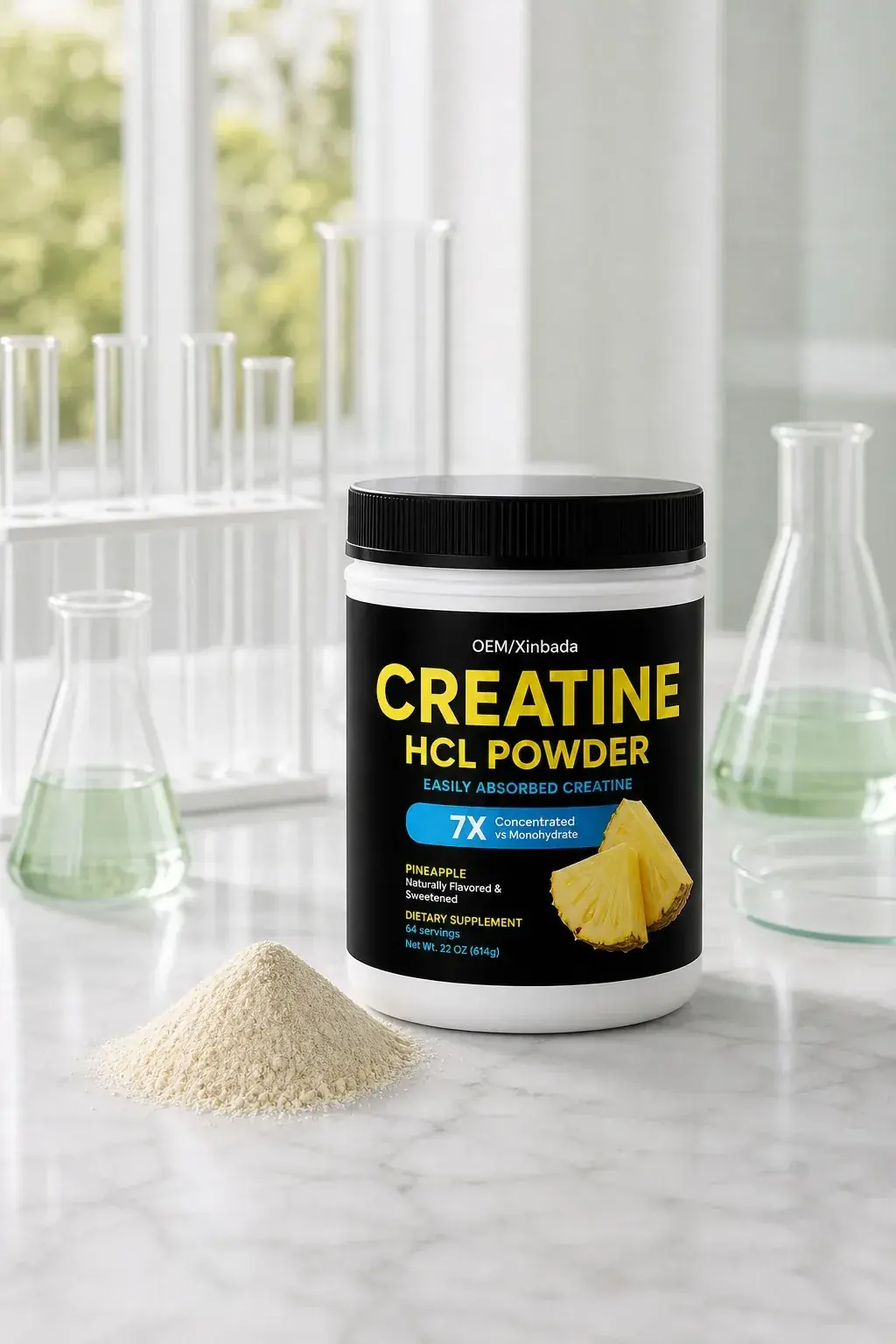
A protein powder supplier is a good fit only when its process can translate a precise formula brief into repeatable ingredients, controls, packaging, and batch records.
Start With The Product That Must Be Made
Supplier discovery becomes useful when the product is defined before the facility is judged. “Protein powder” can describe a plant blend, dairy formula, bone-broth format, superfood blend, meal powder, or sachet system. State the protein sources, serving logic, flavor direction, allergen limits, package, label market, and claims boundaries, separating fixed requirements from preferences.
| Brief Question | Why It Changes Supplier Fit | Useful Evidence |
|---|---|---|
| Which protein sources are fixed? | Different materials vary in allergen status, taste, density, flow, and supplier controls. | Ingredient specification, identity approach, and approved-source record |
| What must one serving deliver? | The serving size connects formula concentration with scoop, sachet, and label decisions. | Draft formula, serving calculation, and proposed fill format |
| Which sensory limits matter? | Plant notes, sweetness, texture, and solubility may require iterative bench samples. | Sample plan with one variable changed per round |
| Which package is intended? | Jar, pouch, and stick formats create different fill, closure, and label controls. | Package specification and compatibility review |
Turn Formula Complexity Into Capability Questions
A polished sales deck cannot show whether a difficult powder is manufacturable. Convert each formula feature into a question that can be answered with a process, record, sample, or limitation. This keeps the conversation centered on fit rather than on the length of a product catalog.
- Ask how low-dose components are dispersed and how addition order is controlled.
- Ask how incoming ingredients are identified, sampled, approved, quarantined, or rejected.
- Ask how the blend is evaluated for uniformity, flow, flavor, appearance, and fill behavior.
- Ask who approves a material, flavor, or package change and how the decision is documented.
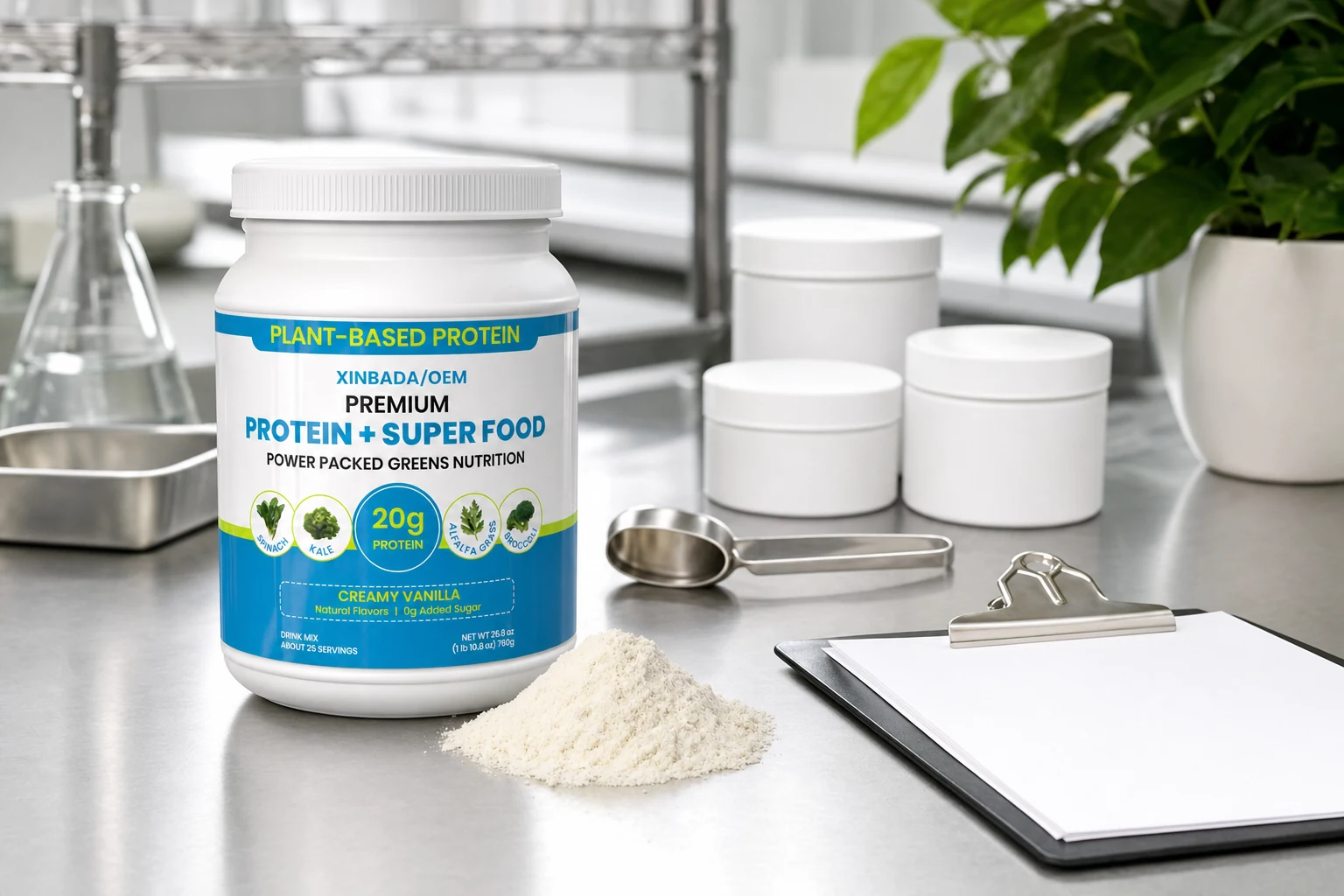
The strongest answer is sometimes a boundary. A supplier that explains why a target texture, dose, or package creates risk is giving more decision value than one that accepts every request immediately. The same principle applies when reviewing the site's OEM and ODM workflow: use the service description to frame questions, then confirm the exact process for the current formula.
Trace The Controls Behind The Finished Powder
For products regulated as dietary supplements in the United States, the formula brief must connect to specifications and controlled records. FDA's Part 111 guidance describes component, in-process, packaging, label, and finished-batch specifications; it also describes ingredient identity testing, master manufacturing records, batch production records, and lot traceability. That framework is useful during supplier discovery because it converts vague quality language into inspectable responsibilities.
Do not treat a certificate or one finished-product report as the entire control system. Follow one hypothetical batch from receiving through release. Identify the records created at each step, the person authorized to approve them, and the decision made when a result is outside specification. Facility images and equipment lists provide context, while a visit to the facility overview should be the start of verification rather than the conclusion.

Read Packaging As Part Of The Formula
Packaging is not a decoration added after blending. Powder density and serving size affect fill volume; the closure affects moisture exposure; the label must match the approved formula; and a scoop or sachet changes the user-facing serving system. A supplier should be able to explain which packaging decisions must be frozen before line trials and which can remain open until the formula is stable.
Choose Through A Short Decision Sequence
A disciplined sequence reduces wasted sampling and makes competing responses easier to interpret:
- Freeze the non-negotiable formula, market, package, and claim boundaries.
- Send the same brief to each candidate and require written deviations.
- Compare capability evidence before comparing a fully landed commercial offer.
- Run bench samples against a defined sensory and handling scorecard.
- Confirm the production record, testing responsibility, packaging approval, and change process before scale-up.
This is not a request for every possible document at once. It is a way to reveal whether the supplier can connect the exact concept to a controlled manufacturing route. Unknowns should remain visible until evidence resolves them.
FAQ
What Should A Protein Powder Formula Brief Include?
Include protein sources, ingredient quantities or ranges, serving logic, flavor and sweetener direction, allergen limits, package format, target market, claims boundaries, forecast assumptions, and the decisions that are still open.
Does A Large Product Catalog Prove Supplier Capability?
No. A catalog proves that examples are available. Capability for the current project must be tied to its ingredients, process, line, package, quality controls, and records.
When Should Samples Be Requested?
Request samples after the supplier has reviewed the brief and disclosed material deviations. Each round should test a defined question, such as flavor intensity, texture, solubility, or package handling.
Which Records Matter Most During Early Qualification?
Start with the proposed specification structure, ingredient identity and approval approach, master and batch record logic, finished-product release responsibility, packaging control, and change documentation.
How Can Two Supplier Responses Be Compared Fairly?
Use the same brief, the same sample scorecard, the same evidence requests, and the same commercial assumptions. Record every deviation so a lower price is not compared with a materially different product.
Once the formula brief identifies the fixed requirements and open decisions, use the contact page to ask how that exact concept would move from sample review to controlled production, including any limitations that should be resolved before quotation.