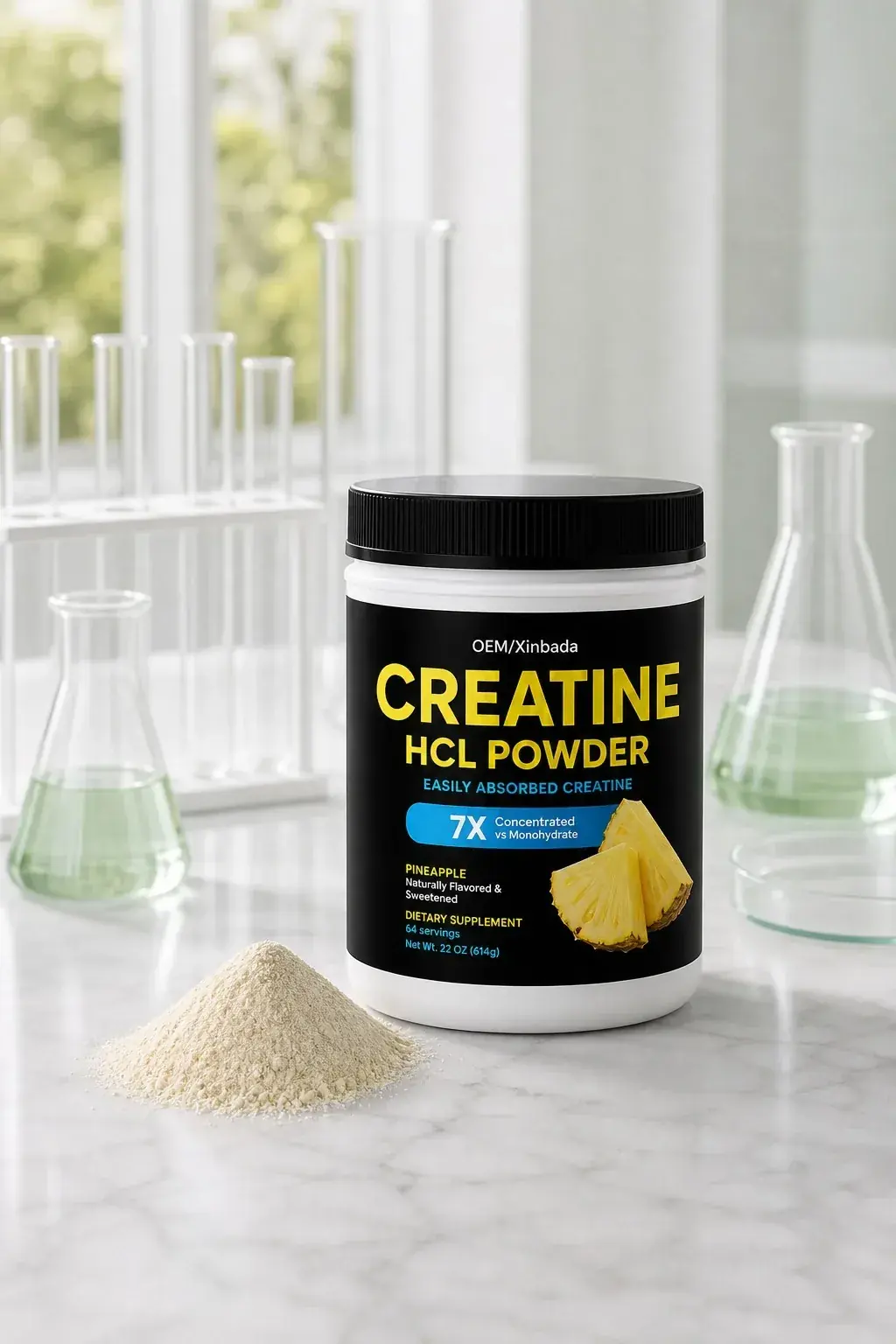
Collagen protein manufacturers can lose source identity when ingredient descriptions, supplier records and release methods no longer refer to the same material. Qualification should therefore establish which company produces the peptide ingredient, which company blends or packs the finished supplement, and how the connection between these stages is maintained. A powder photograph or a high total-protein result cannot answer all three questions. The useful starting point is a defined product and an evidence trail that survives a change of batch, packaging or production partner.
Identify The Manufacturing Stage Before Evaluating Capacity
A supplier should be evaluated against the production stage it actually performs. Manufacturing the collagen ingredient, mixing an established ingredient with other components, and filling a branded jar involve different equipment, records and responsibilities. A business may perform several stages, but the scope requires confirmation rather than inference from a product catalogue.
Upstream Peptide Production Requires Its Own Evidence
The ingredient producer controls the incoming collagen-bearing material and the processing that produces the specified peptide ingredient. Ask which operations are performed at the declared facility and which are subcontracted. A process description should identify the material entering and leaving each stage, the quality checkpoints, and the record that connects an incoming lot to an outgoing lot. A finished-product contract manufacturer can buy a qualified ingredient without producing that ingredient itself. This distinction is a supply-chain fact, not a judgement that one commercial model is inherently superior.
Finished Supplement Production Has A Different Boundary
A blender or packer should explain how it receives, identifies, stores and allocates the collagen ingredient to a finished batch. It also needs to reconcile the formulation, packaging and release decision. The host's OEM and ODM service page provides context for finished-product development; it does not independently establish ownership of an upstream extraction or hydrolysis process. Keep any site capability statement separate from a qualification conclusion until the supporting records are reviewed.
Define Source Identity Beyond A General Protein Description
Source identity should describe the material intended for the project clearly enough to distinguish it from plausible alternatives. The relevant information can include the source species, tissue or material category, processing state, formulation composition and any restrictions placed on sourcing. Use terminology that the supplier and receiving laboratory interpret in the same way.
A General Identity Result May Not Resolve Species
Evidence that a sample contains hydrolyzed collagen does not necessarily establish its animal source. Ask what question each method answers and what it cannot distinguish. The FDA's published 2020 Bulletproof warning letter illustrates this limitation: an identity description for bovine hydrolyzed collagen was considered insufficient when the characteristics also described material from other animal sources. That historical case is a methodological caution, not an allegation about the host or any current supplier.
Species information, supplier declarations and analytical evidence should support one another. If a project requires a particular origin, ask the manufacturer how that requirement is controlled when material is purchased through an intermediary. A declaration that cannot be connected to the actual receiving lot leaves the question unresolved. Avoid treating a familiar product name as a substitute for documented source identity.
Blend Names Can Conceal Different Ingredient Boundaries
A multi-collagen product may contain several ingredients or sources. Its name does not specify the amount contributed by each ingredient, the method used to establish composition, or how a replacement would be approved. Request a formulation-level explanation appropriate to the supplier's confidentiality arrangements. A meaningful qualification record can identify controlled ingredient categories and change restrictions without making proprietary manufacturing detail public.
Match The Analytical Method To The Qualification Question
The test programme should answer the defined material question rather than accumulate impressive-looking numbers. Distinguish identity, composition and contamination checks, then ask how the sample preparation and method apply to the actual ingredient or blend. A certificate of analysis is useful only when its results can be interpreted against an agreed specification.
Protein Content Is One Result Within A Larger Record
Total protein can help describe a material, but it is not a universal measure of collagen content, species identity or performance in a finished formula. Ask whether the reported value is expressed on an as-received or dry basis, which method is used, and how other ingredients affect the result. Do not compare two certificates as though their values were equivalent when their calculation bases or sample matrices differ. An unexplained result should trigger clarification, not an automatic pass or fail.
Gelatine Manufacturers of Europe publishes a collagen-peptide monograph containing methods that include hydroxyproline assessment. The practical implication is to discuss a defined method and its intended interpretation with a competent laboratory. A marker result alone should not be extended into claims about every source attribute or a consumer benefit. The acceptance criteria should be justified for the material and intended product, rather than copied from a different ingredient specification.

Use A Qualification Matrix That Separates Proof From Open Questions
A compact matrix makes disagreement visible before sampling becomes a purchasing decision. Record the requested attribute, the evidence received, its limitations, and the responsible party. This format avoids allowing a strong result in one area to conceal an unanswered question elsewhere. The same matrix can be used for every supplier, including the host.
| Question | Evidence To Review | Unresolved Risk |
|---|---|---|
| Who produces the ingredient? | Named facility, operation scope and supplier relationship | A packing service presented as upstream production |
| What material is supplied? | Controlled description, source records and suitable identity methods | A general protein result used as complete identity proof |
| Which lot was sampled? | Lot number, sampling record and certificate linkage | An attractive sample disconnected from the supplied batch |
| Who authorizes release? | Specified tests, review responsibility and release record | A shipment released without a defined acceptance decision |
| What changes require approval? | Source, process, formula and packaging change procedure | A substitute introduced without evaluating its effect |
Qualification of collagen protein manufacturers should keep technical evidence separate from commercial response speed. Apply the same matrix to every supplier and record unresolved points explicitly.
Connect Samples To The Production Lots They Represent
A sample should have a defined purpose and a traceable relationship to production. Development samples can explore flavour or dispersion without representing a commercial release lot. Qualification samples should support the question under review and identify what subsequent production evidence will still be needed.
Sampling Records Make Results Transferable
Record the sample identifier, source lot, collection date, sampling location and relevant handling conditions. Ask whether the sample was taken from ordinary production, a development blend or a separately prepared demonstration batch. If it was repacked, retain the connection to the original container and lot. These records make batch traceability practical when a laboratory result needs to be investigated or a sample differs from a later delivery.
Make Changes And Release Decisions Visible
Supplier qualification remains useful only when the approved material and production arrangement remain controlled. Specify which changes require notification, review or fresh testing. The decision should depend on the effect of a change, not only on whether the commercial product name stays the same.
A Stable Name Does Not Guarantee An Unchanged Material
Changes to source species, ingredient producer, processing conditions, formulation or packaging can affect the basis of a previous approval. Ask for a process that describes the proposed change, identifies affected lots, evaluates relevant attributes and records authorization before implementation. Not every change requires an identical response, but the rationale should be available. A change-control agreement is especially useful when a brand contracts with a finished-product manufacturer that purchases the ingredient from another business.
The FDA's dietary-supplement manufacturing guidance describes specification, verification and quality-control responsibilities within its applicable scope. It supports the general need to identify who reviews evidence and authorizes release. It should not be read as an automatic certification of a supplier or as a universal rule for every food classification. Product category and destination requirements need a separate competent review.

Resolve Catalogue Contradictions Before Agreeing A Specification
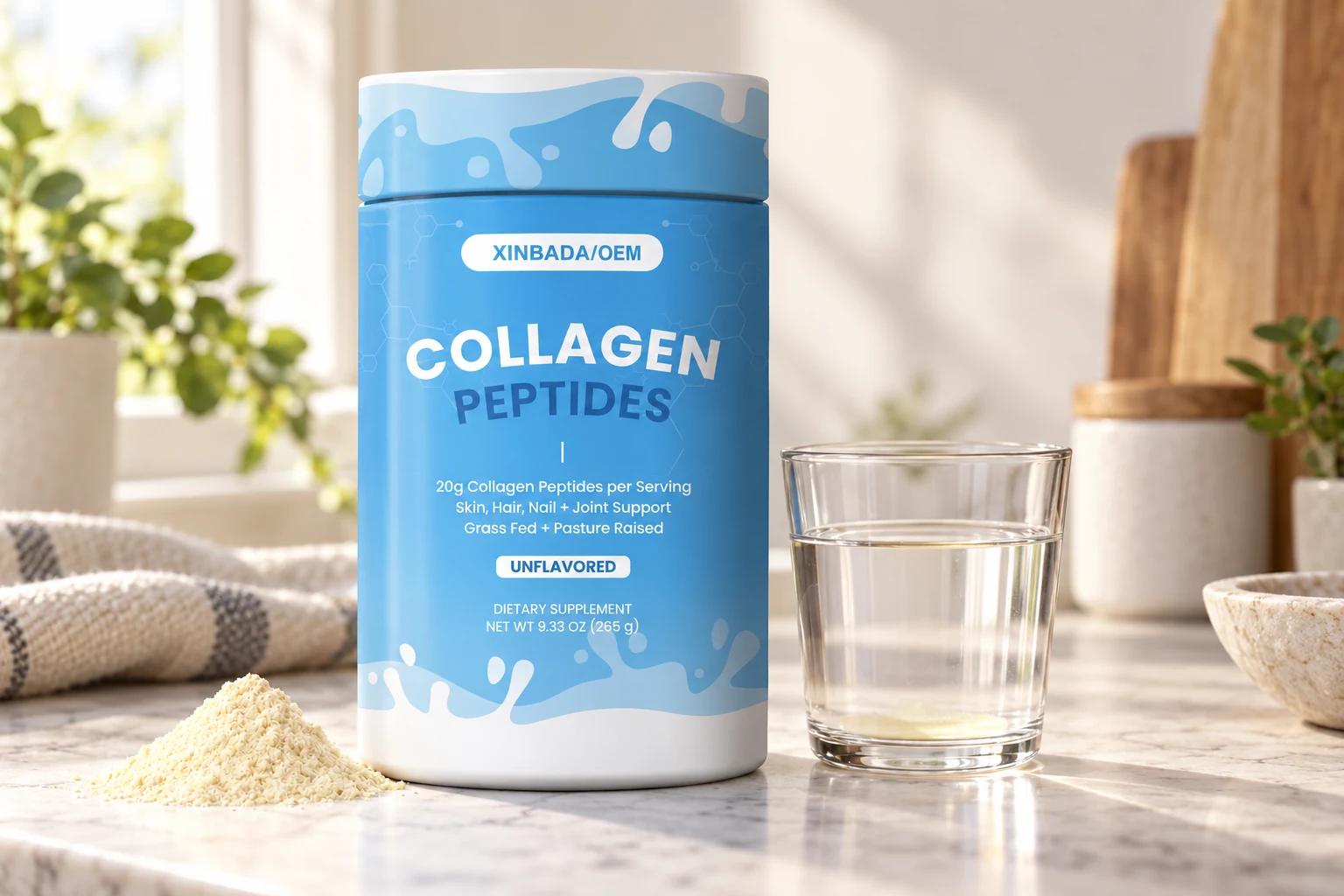
Public listings can contain useful product descriptions alongside inconsistent template fields. Do not select whichever number appears most convenient. The labelled collagen powder listing and the multi-collagen powder presentation are examples to examine, not substitutes for an approved project specification.
When displayed descriptions, label images and specification fields disagree, request the current controlled document and identify which revision governs the proposed order. Record unresolved points explicitly, including ingredient composition, serving information or packaging details. Supplier evaluation is stronger when it acknowledges a gap than when it silently merges incompatible website claims into a new specification.
Frequently Asked Questions
Does A Finished Powder Offer Prove Peptide Manufacturing?
No. A finished-product supplier may purchase a qualified peptide ingredient and perform blending or packing. Confirm the upstream producer, operations and contractual responsibilities before describing the supplier as an ingredient manufacturer.
Can Protein Content Establish Animal Source?
Not by itself. The method and result must be assessed against the identity question. Source records and suitable analytical evidence may be needed to distinguish materials that share a general protein or collagen description.
Should Every Supplier Use Identical Test Limits?
Comparable questions are essential, but limits need justification for the specified material and intended product. Align the methods and reporting basis before comparing results; do not borrow a specification from an unrelated formula.
What Makes A Sample Useful For Approval?
A defined purpose, controlled preparation and traceability to its source lot. The approval record should explain which conclusions the sample supports and which production or release evidence is still outstanding.
What Should Happen When Public Product Fields Disagree?
Pause the affected specification decision and request the current controlled revision. A website conflict should remain visible in the qualification record until the supplier resolves it with evidence appropriate to the proposed order.
Before approving collagen protein manufacturers, assemble the proposed material description, source restrictions, test questions and required production scope. Request clarification through the project enquiry page where the host's service is relevant, and retain the resulting evidence in the supplier qualification record.