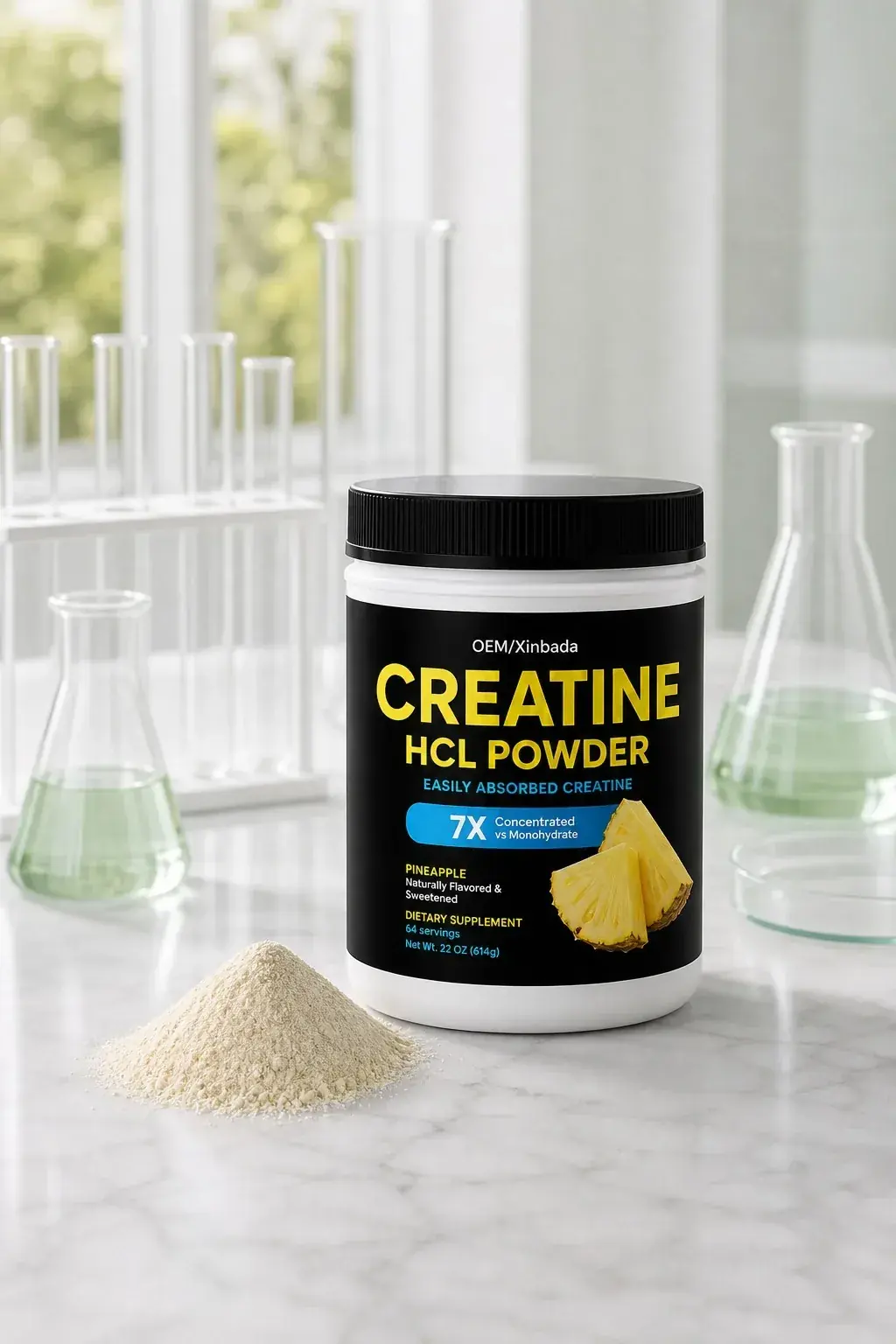
Approving customised vitamins requires a defined ingredient identity, dosage form, package and evidence plan before a sample becomes a production specification.
A request for a familiar vitamin in a new bottle can conceal several different development tasks. The brand may want a different ingredient form, a different serving size, a new flavour, a smaller capsule or a claim suitable for a particular market. Each change affects a different part of the project. Treating all of them as artwork changes leaves the factory and brand approving different products under the same name.
The useful starting point is a controlled brief: what must remain fixed, what may be developed, how a result will be checked and who can approve a change. A catalogue product can show a possible presentation. It cannot establish that the proposed formula, label or shelf life has already been qualified.
Separate The Commercial Idea From The Formula Specification
Name The Ingredient Precisely
A vitamin name alone is not a complete raw-material instruction. Record the intended chemical form, the basis of the declared amount, the unit, the specification and any source restrictions. Distinguish the mass of an ingredient preparation from the amount of the declared vitamin it supplies. Where a premix or carrier is involved, the calculation should be reviewable rather than hidden inside a supplier's shorthand description.
For custom vitamin formulation, a useful draft has separate columns for the proposed ingredient, its function, the declared quantity and the supporting document. This exposes questions early: whether two supplier descriptions refer to the same form, whether a unit was copied correctly, and whether a claim depends on an ingredient that has not yet been fixed. An unresolved entry should remain unresolved, with an owner and a date for the next decision.
Keep Commercial Wishes Distinct From Release Criteria
“Premium,” “easy to use” and “clean label” describe commercial intentions, but do not define acceptance. Convert each relevant intention into a checkable requirement. A capsule-size preference needs an agreed physical reference. An ingredient exclusion needs a defined scope and evidence. A visual preference needs approved artwork and a retained sample. None should be treated as a proven characteristic simply because it appeared in an initial sales email.
The site's OEM and ODM overview is a starting point for discussing development scope. The project-specific response should still identify which tasks are included, which need an external specialist, and which depend on a successful trial. Formula ownership, confidential information and approval responsibility should be settled before detailed development begins.
Choose A Dosage Form Around Its Actual Constraints
Use The Serving As The Comparison Unit
Dosage form selection should compare complete servings, not just individual pieces. A capsule, tablet, gummy and liquid may have different serving instructions, space for ingredients and packaging requirements. The proposal should therefore show the intended serving, total units per pack and the consequence for pack use. This is a manufacturing comparison, not a recommendation that a consumer take a particular dose.
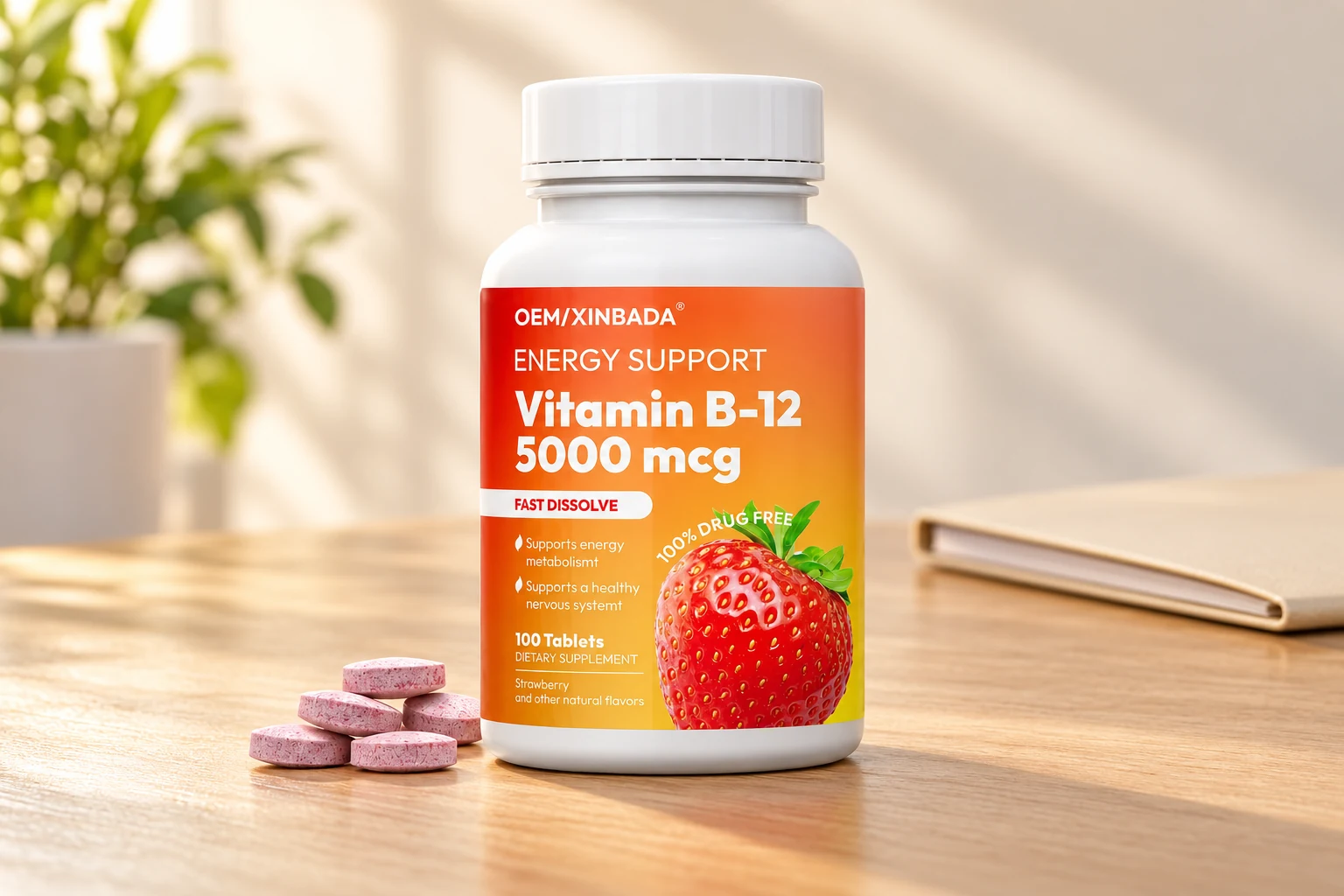
The catalogue's vitamin B12 tablet example and K2 and D3 capsule example illustrate different presentations. Their printed quantities and claims belong to those examples; they are not defaults for a new brief. A proposed product needs its own ingredient review, serving definition and label assessment.
Test The Experience Without Losing The Technical Question
A sample review should distinguish taste, smell, appearance, texture and handling from analytical acceptance. A pleasing sample does not prove the declared content through shelf life. Conversely, a sample that meets an analytical target may still need a practical change because its size or closure is unsuitable. Record those decisions separately so that a sensory adjustment cannot silently replace the agreed technical criteria.
When dosage form selection remains open, compare a small number of viable options against the same brief. Ask which limitations require a formula change and which are packaging choices. A request to reduce the serving to one piece may affect feasibility; a change in the outer carton normally raises a different set of questions. Keeping those questions separate makes the next sample more informative.
Turn The Brief Into An Approval Matrix
The following matrix is a working structure for customised vitamins. It does not prescribe a formula or a test method. Its purpose is to make the approval package explicit enough that the brand, developer and manufacturer can identify missing information before production is scheduled.
| Decision | Record To Request | Question Before Approval |
|---|---|---|
| Ingredient identity | Named form, specification and supplier document | Does the evidence describe the exact material proposed? |
| Serving and pack | Declared amount, units per serving and units per pack | Are all calculations using the same basis and units? |
| Physical presentation | Sample reference and agreed sensory criteria | Which observations are acceptable and which need a new trial? |
| Package protection | Container, closure and proposed storage conditions | Is the evidence relevant to this final package? |
| Release and shelf life | Methods, limits, sampling plan and stability programme | Who reviews results and resolves an out-of-limit result? |
| Artwork and changes | Approved revision, owner and change record | Can the factory identify one current authorised version? |
Record the decision, its evidence and its approver on the same line. A date without a revision number may refer to an earlier formula. A laboratory result without a sample identity may not support the current presentation. Where evidence is preliminary, describe its limitation plainly instead of allowing “approved” to stand for several different levels of confidence.
Build The Evidence Plan Before Claiming A Shelf Life
Connect Stability Work To The Marketed Product
Stability testing should address the proposed formulation in its intended package under a justified programme. Ingredient information alone is not necessarily evidence for the finished combination. Container material, closure, storage conditions and changes to the formula may affect what evidence is applicable. The plan should identify the attributes being followed, the methods used, sampling points and the decision process when results do not support the proposal.
The Australian TGA guidance on stability testing for listed complementary medicines provides relevant regulatory context for that product category. It should be read within its stated scope. A catalogue listing or a general factory certificate does not establish that a particular product is eligible for supply in a destination market. The responsible sponsor should confirm the applicable pathway and evidence requirements.

Make Reports Traceable To A Specific Sample
A useful report can be tied to a sample identifier, batch or development code, test date, method and result. It should be clear whether the sample represents a raw material, a laboratory blend, a pilot batch or a finished packaged product. Those distinctions matter because a result from one stage cannot automatically answer a question at another. Ask for explanations where the report and proposed specification use different units or terminology.
For custom vitamin formulation, evidence review should also identify what has not been tested. A short gap list is more useful than a large folder of unrelated documents. Assign each gap to a person who can provide the missing information or decide that a different formulation is needed. The facility overview can introduce manufacturing context, while project records must establish the actual work and its outcome.
Transfer The Approved Sample Into A Repeatable Batch
Freeze The Inputs That Made The Sample Acceptable
A sample is a reference point, not a complete manufacturing instruction. The handover should connect it to the formula revision, approved material specifications, process requirements, package components and release checks. If the production scale changes, identify which aspects require confirmation. A familiar product appearance does not demonstrate that blending, filling or compression behaved the same way at a different scale.

The product catalogue is useful for discussing possible formats. It should not replace a project-specific manufacturing response. Ask which requested characteristics are established options, which require a development trial and which cannot yet be confirmed. A supplier who identifies an unresolved constraint gives the buyer a clearer decision than an unqualified promise covering every option.
Control Changes After The First Approval
Customised vitamins can change after a promising sample: an ingredient source becomes unavailable, the bottle is revised, an artwork statement is removed or a distribution condition changes. The change record should state what is different, why it is proposed, which evidence may be affected and who must approve it. A replacement described as “equivalent” still needs an agreed basis for that conclusion.

The site's partnership overview can frame a discussion about responsibilities. The final agreement should be more specific: who owns the formula, who approves labels, who evaluates deviations and who authorises shipment. Stability testing and dosage form selection are easier to manage when each decision has a named owner and a traceable record.
Frequently Asked Questions
Can A Catalogue Formula Be Used Without Development Work?
A catalogue formula may provide a useful starting point, but the requested market, package, label and specification still need review. Ask whether the exact proposed configuration is already supported and what changes would require new work. Do not assume that a similar name means an identical product.
Should Packaging Be Chosen After The Formula Is Finished?
Packaging can affect protection, use and the relevance of stability evidence, so it should enter the discussion early. Final artwork may follow later, but the intended container and closure should be clear enough to plan meaningful trials and avoid testing a configuration that will not be sold.
Does A Good Sample Establish The Final Shelf Life?
No. Sample appearance and initial results answer different questions from performance over time. A shelf-life proposal needs relevant evidence and a justified stability programme. The responsible technical and regulatory reviewers should determine what is required for the specific product and market.
What Makes Two Development Proposals Comparable?
They should respond to the same ingredient identities, serving, dosage form, package and evidence requirements. Differences in scope should be explicit, including trials, testing, artwork review and responsibilities. A lower quoted figure is difficult to interpret when one proposal omits work that the other includes.
Define The Next Approval Before Requesting A Sample
A practical brief closes with the next decision, its evidence and its owner. Custom vitamin formulation becomes easier to manage when the team knows whether it is comparing formats, evaluating a pilot sample or authorising production. Keep open questions visible and avoid turning an early commercial agreement into an unsupported technical approval.
For a project discussion, send the proposed ingredient forms, serving basis, preferred presentation, package and unresolved evidence questions through the contact page. Request a response that separates confirmed scope from development tasks and identifies the next approval gate.