Personalized vitamin packs can change which supplements are selected, how a formula is made, or how daily portions are packaged; these are separate capabilities.
Three Different Meanings of Personalization
A pack can be personal without containing a newly developed formula. A selection service may assemble existing products around stated preferences. A formulation project changes the composition of a product. A packaging project changes how approved products are presented and identified. These layers can operate together, but evidence for one does not establish the others.
Selection Changes the Combination
In a curated model, each component already has its own specification. Personalization occurs when items are selected or omitted, rather than when a new ingredient mixture is manufactured. The meaningful record is the approved combination and the reason for choosing it. A lifestyle questionnaire may collect preferences, but it cannot by itself establish a deficiency or show that the resulting combination is appropriate for a particular person.
Formulation Changes the Product Itself
A custom formula changes ingredients, quantities, dosage form, or another defined product attribute. This involves a separate development and verification process. NutriCDMO's OEM and ODM service description distinguishes production to a supplied formula from broader concept-to-product support. That is evidence of a manufacturing service offer, not evidence that every order can become a unique formula for one individual.
The phrase personalized vitamin packs therefore needs a plain-language definition before it is used in a product brief. Otherwise, a brand may expect individually selected daily sachets while a manufacturer interprets the request as a private-label bottle with a fixed blend. Neither interpretation is automatically wrong; the problem is an unrecorded difference in scope.
Compare the Change, the Evidence, and the Remaining Limit
The comparison below separates what changes from the evidence needed to support it. A more elaborate model is not automatically more effective or clinically appropriate; the scope and its limits matter more than the number of customisable features.
| Layer | What changes | Useful evidence | What is not established |
|---|---|---|---|
| Product selection | Which approved items are included | Component list and selection rules | Individual nutritional need or benefit |
| Custom formulation | The defined composition or dosage form | Formula version and finished-product specification | Suitability for every person |
| Daily portioning | How units are grouped and identified | Pack configuration and verified assembly controls | A new formulation or improved absorption |
| Brand presentation | Artwork, outer box, or label design | Approved artwork and packaging specification | Personalized selection or clinical review |
A Bottle Is a Product Format, Not a Daily-Pack Service
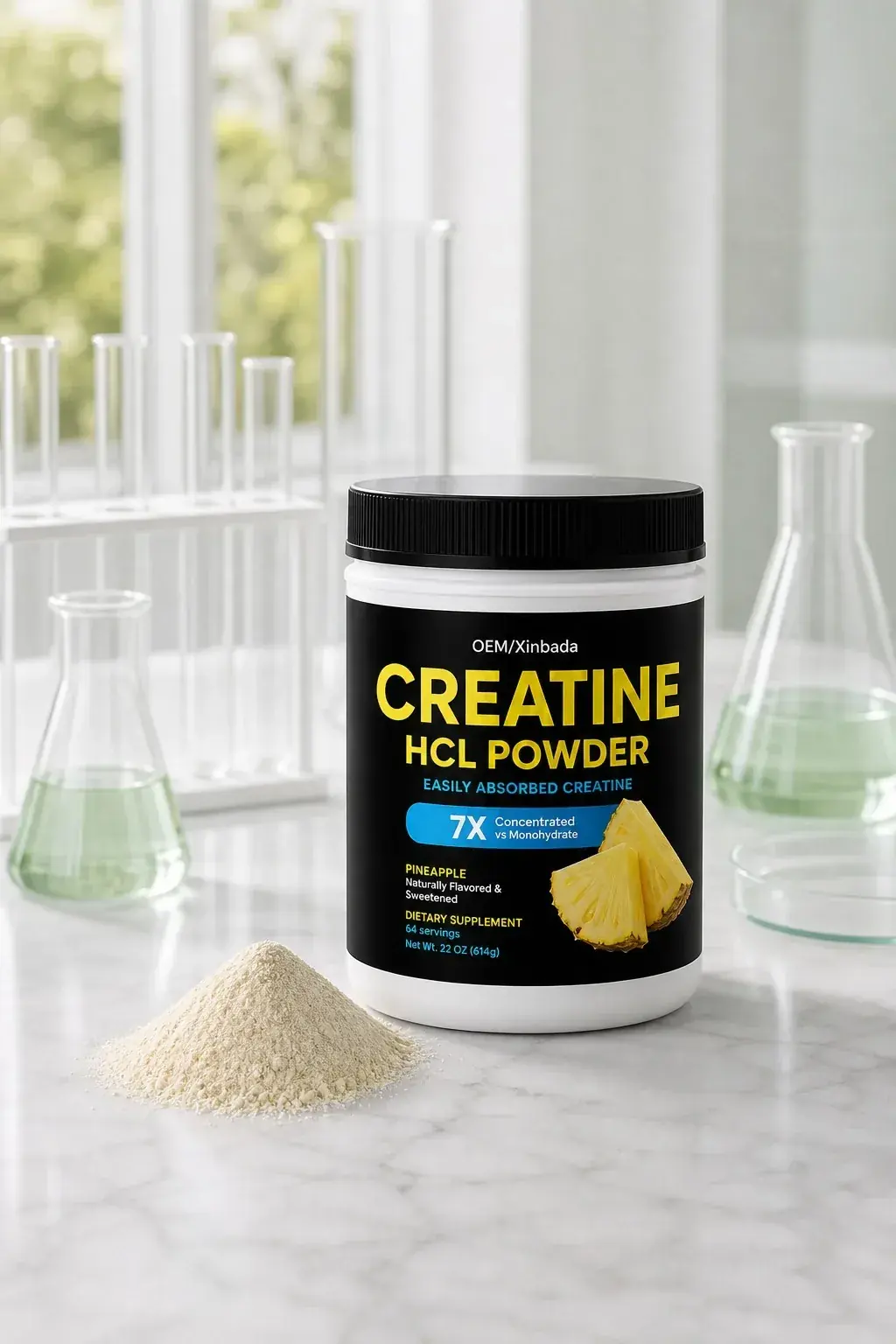
The current supplement catalogue contains individual products and dosage formats. These can inform a discussion about components, but a bottle photograph does not demonstrate mixed-product sachet assembly, person-specific recommendations, or a subscription fulfilment system. A product may be relevant to one component of a future program without proving that the complete program is offered.
Likewise, a foil-packet option in a packaging list does not specify what can be placed in it. Powder filling, one-product portioning, and assembling several distinct solid units involve different configurations. A technical discussion should name the proposed contents, number of components, unit identity, and applicable controls. The words “custom packaging” are too broad to resolve these differences.

Separate the Intake Review From the Manufacturing Brief
There are two different information flows: deciding whether a combination is appropriate, and manufacturing the approved specification consistently. Combining them into one marketing questionnaire can conceal who is responsible for each decision.
Consider the Whole Supplement Routine
A component list must be considered alongside other supplements, fortified foods, and relevant medicines. The NIH Office of Dietary Supplements advises checking whether combined sources push intake above applicable upper limits and discussing supplement use with a health professional. This does not mean every person needs a pack. It means the assessment cannot stop at the contents of the new packet.
Vitamin B6 provides a concrete example of ingredient overlap. The Australian Therapeutic Goods Administration notes that it appears in multiple kinds of products, including some multivitamins and mineral supplements, and that combined use can make total intake difficult to recognise. Its safety guidance does not justify selecting a dose from a short questionnaire. A qualified professional should assess individual needs and interactions.
Translate Approved Choices Into Identifiable Components
The production record needs an unambiguous component identity, not just a benefit category such as “energy” or “daily balance.” Different ingredients can be sold under similar marketing descriptions. Each approved item should be connected to its specification, label version, and handling instructions.
For personalized vitamin packs, a changed supplement routine may require a new suitability review even if the pack remains identical. A changed component specification may require updated records even if the participant's preferences remain unchanged.

Packaging Has Its Own Compatibility Questions
Moving a product from its original container into a smaller pack changes its immediate packaging environment. The finished format must therefore be assessed on its own merits. The relevant questions concern the actual materials, contents, storage conditions, and intended period of use; a convenient appearance alone does not answer them.
Define What Shares the Same Primary Pack
A bottle, blister, sachet, and outer carton perform different jobs. A carton can group intact containers while preserving their primary packaging. A mixed daily sachet places different components together in one enclosed space. The latter arrangement needs a product-specific compatibility assessment, including whether the proposed contents can be packed together and whether the barrier and closure are appropriate.
The packaging formats described by NutriCDMO include bottles, foil packets, bags, and boxes. These are useful starting points for a packaging conversation. The published menu does not establish that a particular combination of tablets, capsules, or other products has been qualified for a daily packet. That conclusion requires evidence for the actual configuration.
Keep Storage Statements Tied to the Finished Configuration
A storage statement for an original product is not automatically a validated statement for a repacked combination. The packaging specification should identify the proposed barrier material, closure, unit count, and any required protection from moisture or light. Relevant stability evidence should correspond to the finished configuration rather than relying only on an ingredient brochure.
Daily supplement packaging must keep identification and use information accessible when portions are separated from the outer box. Design review covers the information that stays with each portion and the handling of damaged or unclear packs.

Traceability Must Follow Both Components and Finished Packs
A personalized assortment adds a relationship between incoming component batches and the assembled output. Recording only the outer box is insufficient if the contents can vary. The record should make it possible to identify which approved components were assigned to a particular configuration and which versions were active at the time.
Distinguish a Formula Version From an Assembly Version
A formula version identifies a defined product. An assembly version identifies how approved components are grouped and labelled. They may change at different times. If a single component is substituted, the new assortment should not silently inherit the old description. A documented review establishes whether the substitution is permitted and which information, instructions, or records need updating.
The site's manufacturing overview describes several dosage forms and production activities. Those statements provide context for further verification, but they do not demonstrate a live system for person-specific assembly records. A useful capability review asks how the proposed configuration would be identified, checked, released, and traced, with examples that match the intended operating model.
Supplement traceability becomes particularly important when a component is withdrawn or changed. The question is not merely whether a finished order can be located. It is whether the affected component can be connected to relevant finished packs without confusing them with unaffected versions. This is an operational question that can be tested with a documented example rather than a general assurance.

A Clear Service Description Makes the Limits Visible
A credible explanation says which layer is being personalized and which layer remains standard. For example, a service might select from existing products while using an unchanged formula for each component. Another might manufacture a fixed custom blend and supply it in a standard container. These are different offers, and neither should be described as the other.
Personalized vitamin packs do not inherently establish superior absorption, better health outcomes, or suitability for a medical condition. Manufacturing consistency, convenient portioning, and individual nutritional appropriateness require separate evidence.
A scope statement should record the selection method, formula changes, packaging arrangement, review responsibility, and unresolved limitations. The company's service overview provides context; the proposed operating model still needs confirmation.
A shared definition makes the remaining questions testable: what is standard, what is variable, who approves a change, and which evidence follows the finished pack. This supports comparison without turning a packaging feature into a health claim.
Frequently Asked Questions
Does a personalised pack always contain a unique formula?
No. It may contain a selected combination of existing products. A unique formulation changes the composition of a product and requires its own development and verification records. The service description should state which of these models applies.
Does an online questionnaire prove that a supplement is needed?
No. A questionnaire can collect preferences and relevant background, but it does not by itself diagnose a deficiency or establish individual suitability. Health needs, medicines, and overlapping supplement use should be assessed with an appropriate qualified professional.
Can a bottle-packaging option confirm mixed daily sachet capability?
No. Bottle filling and mixed-component daily assembly are different configurations. The proposed contents, pack materials, identification method, compatibility evidence, and assembly controls need to be confirmed for the actual daily-pack arrangement.
Why retain component records after the pack is assembled?
The finished pack may contain components from different batches or specification versions. Retaining the relationship between those inputs and the output supports investigation, controlled changes, and identification of affected packs if a component requires action.
What is the most useful way to compare two personalisation offers?
Compare them at the same layer: selection against selection, formula development against formula development, and daily supplement packaging against the same pack configuration. Then examine the evidence and limitations for each layer instead of assuming that the word personalised means the same service.