Largest whey protein manufacturers cannot be identified responsibly from a list of names, factory photographs, or self-reported annual tonnage. A defensible comparison begins by fixing the whey format, formula, packaging, market responsibilities, and evidence date, then asking every candidate to prove product-specific capacity, quality control, and continuity under the same rules.
Replace A Size Ranking With A Verifiable Evidence Standard
“Largest” sounds objective, yet companies report size through incompatible measures: group revenue, plant floor area, total supplement output, installed mixer volume, employee count, or an estimated maximum that assumes every line runs continuously. None of those figures alone shows how much acceptable whey product can be delivered for a buyer’s formula and pack. Public information also changes as equipment, shifts, customers, and ingredient constraints change. For that reason, this article uses information checked on August 11, 2026 and does not publish an unsupported global ranking.
Define What Capacity Must Cover
Useful capacity is narrower than corporate scale. It should cover the proposed whey source, blend complexity, allergen regime, pack format, quality tests, order cadence, and delivery window. A plant may have substantial installed mixing volume but limited sachet time, cleaning windows, analytical release capacity, or access to an approved whey input. Whey capacity verification therefore asks how many conforming saleable units can pass the complete route from material approval to released shipment, not how much powder can theoretically enter a blender.
Freeze The Product Brief Before Comparing Factories
Capacity estimates are unreliable when the product is still moving. “Whey protein powder” does not define whey concentrate versus isolate, protein target, flavor system, sweetener, inclusions, allergen statement, serving size, pouch or jar, scoop, label, carton, or release tests. The site’s current OEM and ODM service page describes formula, packaging, and labeling support, but each choice still needs an approved brief before any quotation or schedule is comparable.
Separate Formula Decisions From Commercial Preferences
Mark which inputs are mandatory, which can be proposed by the manufacturer, and who approves changes. The controlled brief should include a formula version, ingredient identities, sensory target, mixing instructions where relevant, allergens, pack components, artwork responsibility, and substitution rule. A seemingly small change in flavor carrier or inclusion can alter flow, blending, cleaning, testing, or declared ingredients. When change boundaries are explicit, the buyer can distinguish a genuine engineering constraint from an unexplained commercial substitution.
Ask For Formula-Specific Throughput
Formula-specific throughput should state the assumed batch size, expected yield, shift pattern, cleaning time, changeover time, pack-line speed, planned downtime, sampling, release time, and the constraint that sets the schedule. It should also show whether the figure reflects demonstrated history, a trial result, or a future estimate. This turns “high capacity” into a model that can be challenged and updated when packaging, testing, or order frequency changes.
Follow Capacity From Receiving Through Packing
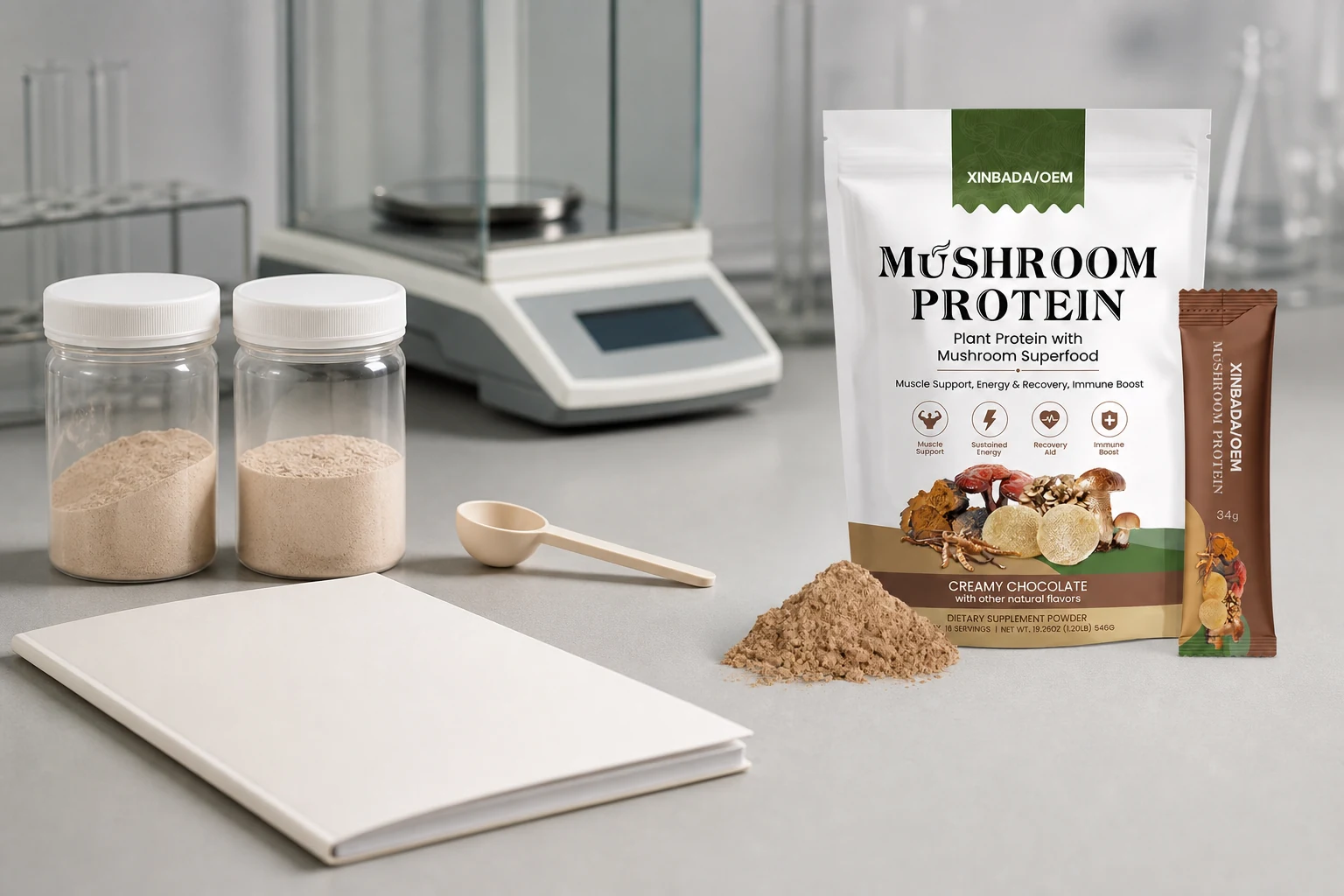
Large manufacturing claims often ignore the slowest controlled step. The buyer should follow the proposed product through ingredient approval, storage, weighing, sieving or staging, blending, transfer, filling, sealing, coding, secondary packing, sampling, and finished-goods release. The current facility page supplies relevant process and laboratory context, but project approval still depends on records for the actual line and formula.
Test Whether The Line And Allergen Plan Fit
Whey is a milk-derived ingredient, so the facility’s allergen zoning, scheduling, cleaning, verification, and label controls matter. Ask what runs before and after the proposed product, how material status is identified, how line clearance is recorded, and how rework is controlled. A buyer does not need confidential customer names, but the process owner should be able to explain the sequence, evidence, decision limits, and action taken when a check fails.
Find The Real Bottleneck
The bottleneck may sit outside blending. A flavor may require a smaller controlled mixer; a large pouch may have abundant line time while a stick pack does not; a laboratory may release routine tests quickly but wait on an external method; imported packaging may dominate the schedule. Ask for a simple capacity map with available hours, demonstrated rates, normal utilization, committed demand, and contingency. If every stage is described as unlimited, the estimate is probably commercial rather than operational.
Connect Quality Records To Saleable Output
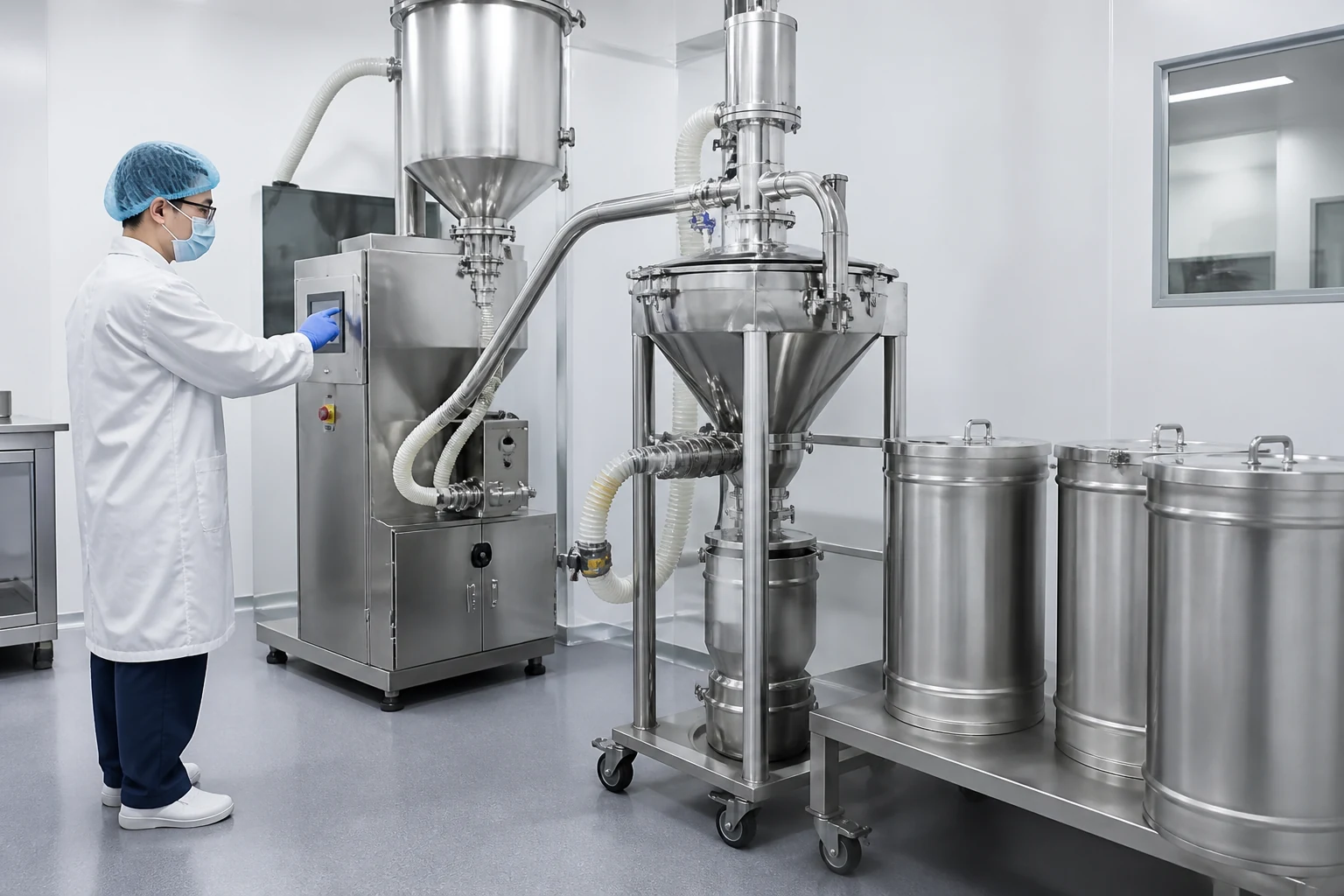
Output is not capacity until it can be released. The U.S. Food and Drug Administration’s dietary supplement CGMP guide provides relevant context on specifications, quality control, master manufacturing records, batch production records, component controls, packaging, labeling, and holding. It does not approve a particular manufacturer, but it gives buyers a useful vocabulary for asking connected questions.
Review The Record Chain, Not A Certificate Image
A certificate can support due diligence only when the issuer, site, standard, scope, date, validity, and exclusions can be verified. NSF’s current GMP certification overview explains third-party audit context, but certification is not proof that a particular whey formula and package will meet the buyer’s specification. Ask how the approved master record drives weighing, processing, in-process checks, reconciliation, packaging, deviations, and quality-unit release for the proposed order.
Make Batch Release Evidence Comparable
Batch release evidence should connect the lot identity to an approved specification, sampling plan, methods, results, deviations, label and package checks, and final disposition. A certificate of analysis alone can be ambiguous if it does not identify the tested lot, responsible laboratory, method, or decision limit. Redacted examples are often sufficient to show record structure without exposing another customer’s formula. The objective is to see whether one coherent chain supports the release decision.

Run A Trial That Can Confirm Or Reject The Model
A trial order should test the assumptions behind the capacity and quality case. Approving a bench sample only shows that one sample can be made; it does not confirm commercial mixing, filling, sealing, coding, sampling, testing, release, packing, or delivery. Largest whey protein manufacturers should be willing to define what the trial is intended to prove and what evidence remains uncertain afterward.
Set Acceptance Gates Before Production
Define pass, conditional acceptance, investigation, and rejection before the line runs. Gates can cover formula and artwork versions, component identity, yield, in-process observations, net content, sensory comparison under a written preparation method, package integrity, agreed analytical results, carton condition, documents, and delivery. If the buyer changes a criterion after seeing the result, the trial no longer gives a clean comparison.
Retain A Baseline For The Next Batch
The trial file should preserve the approved brief, component lots, batch record, deviations, results, retained samples, release decision, shipment records, and receipt observations. Review the file against the original throughput assumptions: actual yield, line time, downtime, rework, testing time, and release delay. Use those observations to approve, revise, or reject the commercial capacity model before increasing volume.
Supply continuity planning should then connect the approved whey source, packaging, line, laboratory, notification triggers, alternatives, and recovery owners. A large facility can still miss supply when one critical dependency is unavailable.
Score Every Candidate Against The Same Decision Table
A neutral scorecard prevents a famous name or attractive quotation from bypassing mandatory controls. Assess the host company under the same gate as any alternative. Its protein powder range, customization scope, company profile, and facility materials justify follow-up; they do not establish whey capacity or batch repeatability for a specific project. Questions can be routed through the current contact page.
| Decision area | Evidence to request | Comparison question | Red flag |
|---|---|---|---|
| Product definition | Approved formula, whey source, allergens, pack and specification | Are all candidates quoting the same controlled brief? | Capacity stated before format and controls are fixed |
| Usable capacity | Demonstrated rates, shifts, utilization, cleaning and pack-line time | Which step limits released units in the required window? | Only installed volume or total company output is disclosed |
| Quality system | Site scope, master and batch record structure, deviations and release roles | Does one traceable record chain support disposition? | Certificates are disconnected from the proposed site or product |
| Testing | Specification, sampling plan, methods, laboratory and lot results | Are results comparable and linked to the ordered batch? | Generic report with no lot, method, limit, or reviewer |
| Continuity | Dependencies, alternatives, change notice and recovery scenario | What fails first, and how will the buyer be protected? | Unlimited-capacity promise with no assumptions |
| Trial order | Predetermined gates, actual process data, retained sample and receipt review | Did the commercial run confirm the original model? | Approval rests on a laboratory sample alone |
Price, minimum order, and lead time become comparable only after technical scope is aligned. A disciplined shortlist treats unresolved evidence as an open risk rather than converting it into a high score. Largest whey protein manufacturers are therefore best understood as candidates that can prove enough controlled, product-specific, and currently available capacity for the buyer’s defined program—not as names placed in a permanent universal league table.
Frequently Asked Questions
Does The Largest Factory Automatically Have The Lowest Supply Risk?
No. Corporate scale may provide resources, but the account can still depend on one ingredient, pack line, laboratory, or schedule window. Compare committed product-specific capacity and recovery plans rather than assuming that total site size protects every order.
Which Capacity Number Is Most Useful?
The most useful number is conforming saleable units for the approved formula and package within a stated period, supported by demonstrated rates, utilization, cleaning, testing, release, and contingency assumptions. Installed mixer volume alone is incomplete.
Can A Certificate Replace A Factory Audit Or Trial?
No. A valid certificate supports one due-diligence layer, while an audit reviews system operation and a trial tests the product route. Confirm scope and use all three in proportion to risk.
How Many Suppliers Should Receive A Trial Order?
There is no fixed number. Trial only candidates that pass mandatory document, feasibility, and capacity gates. Two well-screened trials provide more value than several samples that cannot be compared.
What Should Be Sent With A Capacity Request?
Send the formula status, whey type, allergen expectations, pack configuration, expected order cadence, destination-market responsibilities, specification, test needs, target dates, and trial gates. State which details are estimates so the manufacturer can identify sensitivities rather than hide them.
To obtain comparable project evidence, send the controlled brief, planned volume bands, packaging format, specification, release expectations, and trial acceptance gates through the site’s project inquiry; purchasers, wholesalers, and trading teams can then score the response against the same evidence table used for every candidate.