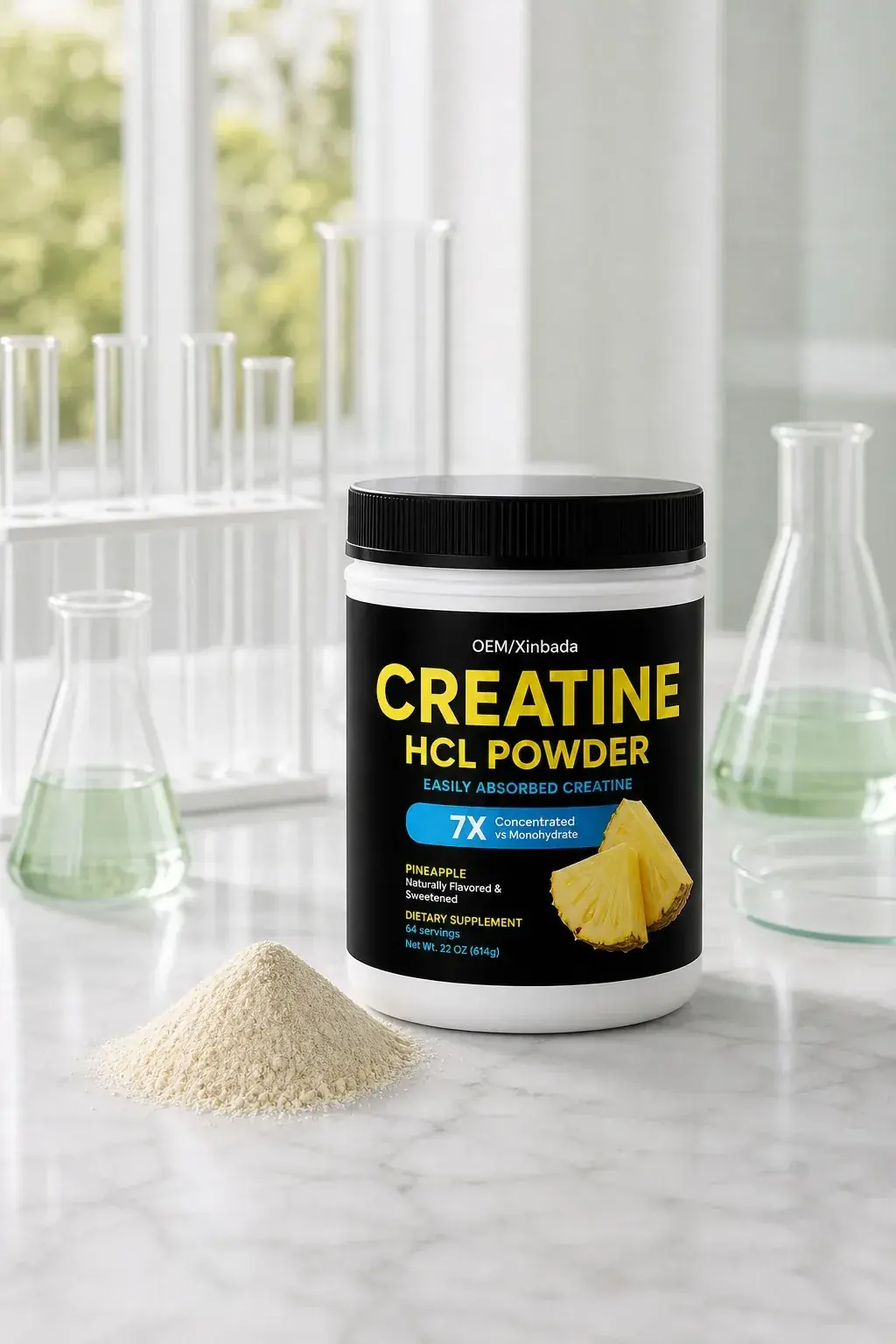
The best protein powder manufacturers are distinguished by evidence that a defined formula can be produced, tested, packed, and repeated under controlled conditions. A useful shortlist therefore begins with a written product brief and an evidence standard, not a popularity claim, a low quotation, or a certificate image without a verifiable scope.
Start With An Evidence Standard, Not A Popularity Claim
“Best” is not an auditable manufacturing category. It becomes useful only after a buyer defines the product, market, evidence date, and acceptance thresholds that every candidate must meet. This article uses evidence available on August 10, 2026 and does not assign a public rank because comparable audit records, batch files, and trial results are rarely published for every manufacturer.
Define The Shortlist Gate Before Looking At Names
A defensible gate separates mandatory requirements from scored preferences. Mandatory items might include the required powder format, ingredient restrictions, packaging configuration, traceability expectations, target-market document needs, and willingness to run a representative trial. Scored preferences can include communication speed, development support, packaging flexibility, and logistics planning. Using the same gate for every candidate prevents a polished sales page from receiving more weight than actual manufacturing evidence.
Separate Facility Claims From Verifiable Scope
A facility certificate is meaningful only when the issuing body, facility address, standard, product scope, issue date, and validity can be checked. A dietary supplement GMP audit can add confidence, but it does not automatically prove that a specific formula, allergen profile, flavor system, or package will be controlled correctly. Buyers should request the certificate, audit scope, and any relevant exclusions, then compare those records with the exact site and activities proposed for the order.
Translate The Product Brief Into Auditable Controls
The shortlist cannot be evaluated until the product brief is stable enough to expose manufacturing risk. A broad request for “protein powder” leaves ingredient identity, serving logic, sweetness, flavor, solubility, packaging, label responsibility, and release criteria unresolved. The site’s OEM and ODM service page confirms that formula, packaging, and labeling can be discussed, but each option still needs a controlled specification before comparison.
Lock Formula Ownership And Change Boundaries
The brief should identify who owns the formula, who approves substitutions, and what happens when an ingredient becomes unavailable. Practical formula transfer controls include a signed formula version, approved ingredient list, sensory targets, mixing order, declared allergens, label inputs, and a rule that prohibits unapproved replacements. These records make a later batch discrepancy diagnosable instead of turning it into a debate over which spreadsheet or sample was authoritative.
Match Equipment And Packaging To The Actual Format
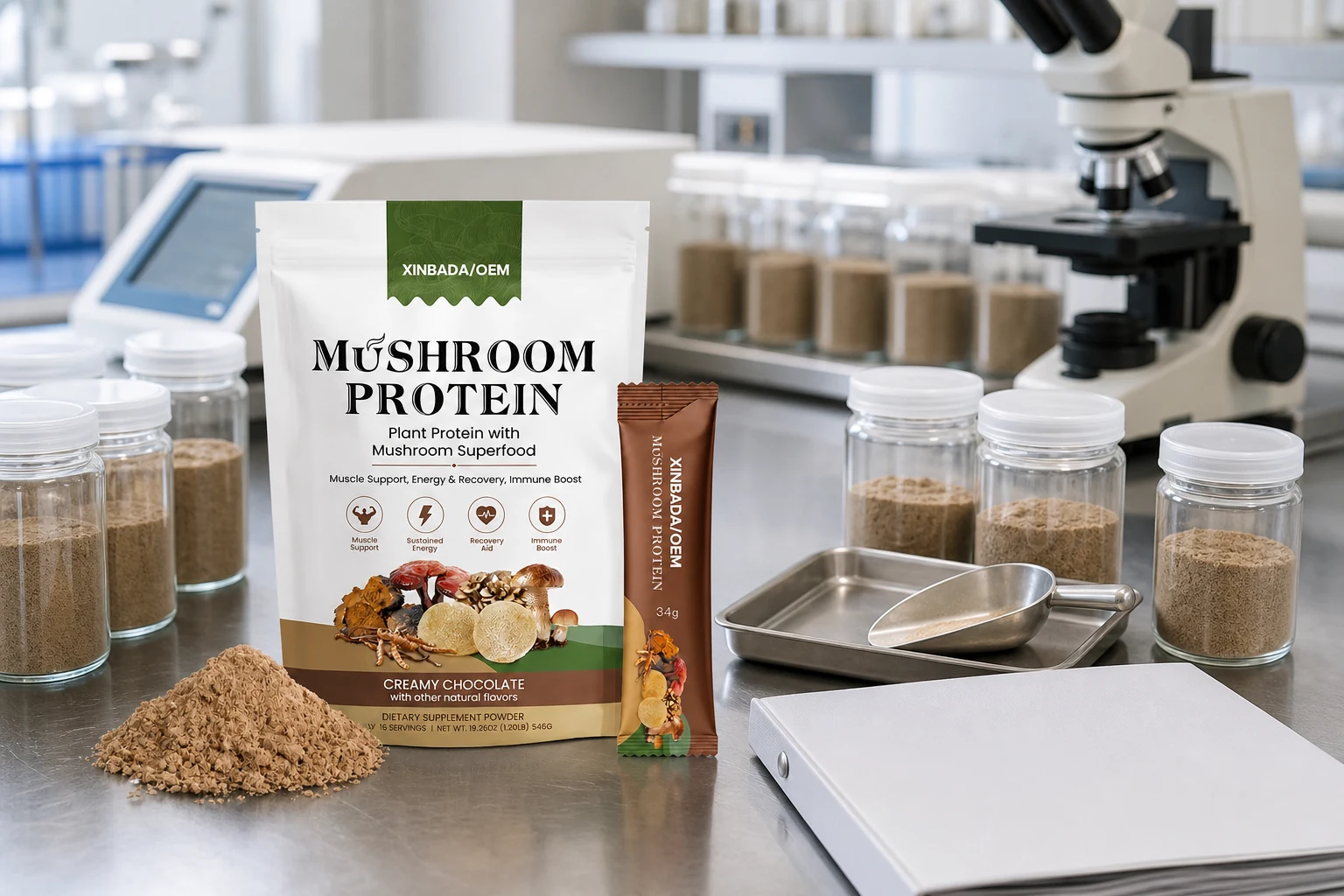
A manufacturer that performs well with one powder may not be equally suitable for another. Bulk density, flow, hygroscopicity, flavor intensity, inclusion size, and serving weight affect blending, transfer, filling, and cleaning. Packaging also changes the control plan: a large pouch, jar, and single-serve stick require different filling tolerances and line checks. The current protein powder range shows several powder and sachet concepts, which is useful context but not a substitute for line-specific feasibility evidence.
Inspect Manufacturing And Quality Systems From Receiving To Release
Quality should be evaluated as a connected system. FDA dietary supplement cGMP guidance emphasizes specifications, quality control, records, component identity, master manufacturing records, batch production records, packaging, labeling, holding, and complaint handling. A candidate should be able to explain how those controls connect for the proposed order rather than presenting isolated photographs or generic policy statements.
Trace Each Ingredient Lot Through The Finished Batch
Ask how incoming lots are identified, sampled, quarantined, approved, and issued to production. The answer should connect supplier qualification, receiving records, storage status, weighing, reconciliation, and finished-batch traceability. A buyer does not need unrestricted access to confidential files, but a redacted traceability exercise can show whether the system can follow one component lot into a specific finished lot and back again without gaps.
Review Deviations, Rework, And Change Control
Strong systems define what happens when reality departs from the approved process. Buyers should ask who can stop a batch, who assesses a deviation, what evidence is required before rework, how label or ingredient changes are approved, and how affected customers are notified. The most useful batch record review checks signatures, calculations, yields, line clearance, in-process observations, deviations, and release authorization as one connected record rather than isolated pages.

Make Testing Evidence Comparable Across Candidates
Test reports are only comparable when the specifications, methods, sampling plan, laboratory, and decision rules are comparable. One candidate may provide a short certificate of analysis while another provides method references and lot-specific results; the longer document is not automatically better, but its evidence may be easier to audit.
Build One Specification Matrix For Every Candidate
The matrix should state each characteristic, target or limit, method, sampling point, responsible party, and disposition rule. Typical categories can include identity, composition, microbiological limits, contaminants relevant to the ingredients and market, sensory attributes, net content, package integrity, and label checks. Values must be product-specific; copying a generic specification from another formula can create false confidence and an unusable release decision.
Design Sample Testing Around Real Failure Modes
Useful protein powder sample testing begins with risks that could change buyer acceptance: blend uniformity, flavor consistency, dispersibility under a defined method, package sealing, net weight, and stability of the agreed sensory profile. A pre-production sample alone cannot establish repeatability. The sample plan should identify which checks occur during development, on the trial batch, at release, and—when justified—during shelf-life monitoring.
The site’s facility page provides current laboratory and process imagery. That is relevant visual context, but the buyer should still request method scope, sample identity, report date, and the party responsible for each result before treating laboratory capability as proven for the proposed formula.

Score A Trial Order Before Commercial Approval
A trial order should be a controlled decision event, not merely a smaller commercial shipment. This is where the best protein powder manufacturers separate a persuasive proposal from repeatable operational performance.
Approve The Trial Against Predetermined Gates
Before production, define what constitutes pass, conditional acceptance, investigation, and rejection. Include document completion, ingredient and packaging confirmation, in-process checks, finished-product results, label review, pack integrity, pallet or carton condition, and delivery documentation. If an attribute will be judged sensorially, describe the panel, preparation method, reference sample, and decision rule so the result is not reduced to an undocumented opinion.
Retain Evidence That Supports The Next Batch
The trial file should include the approved formula version, artwork version, component lots, batch record, deviations, test results, retained samples, release decision, and delivery observations. After receipt, compare actual performance with the agreed gates and record corrective actions before approving scale-up. This converts a successful first batch into a controlled baseline instead of assuming that success will repeat automatically.

Use A Neutral Manufacturer Scorecard
A scorecard keeps commercial enthusiasm from outrunning evidence. Mandatory failures should remain visible rather than being averaged away by attractive pricing or fast replies. Weighted scores can help compare candidates that pass the gate, but each score should cite a document, observation, test result, or unresolved question.
| Decision area | Evidence to request | Red flag | Decision use |
|---|---|---|---|
| Facility and scope | Current certificate or audit scope, address, covered activities, exclusions | Logo image without traceable issuer, scope, or validity | Mandatory gate |
| Formula control | Approved version, substitution rule, ingredient and allergen controls | Changes allowed through informal messages | Mandatory gate |
| Process fit | Line feasibility, cleaning approach, in-process checks, packaging capability | Generic capability statement with no format-specific review | Risk score |
| Testing | Specification matrix, methods, sampling plan, lot-specific results | Certificate values disconnected from the ordered lot | Mandatory gate |
| Trial execution | Batch file, retained sample, deviations, release and receipt review | Approval based only on one pre-production sample | Commercial approval |
| Supply continuity | Change notification, capacity assumptions, backup plans, complaint path | Promises without owners, triggers, or records | Weighted score |
When comparing the best protein powder manufacturers, price, minimum quantity, and lead time matter only after technical scope is aligned. Neutral evaluation also requires the host company to pass the same gate as every alternative. The current company profile, OEM/ODM service scope, and facility imagery justify an evidence request; they do not independently prove regulatory status, batch repeatability, test scope, or fit for a specific formula. The contact channel and inquiry form can support follow-up, while the score should depend on project-specific records and trial results.
Frequently Asked Questions
Does A GMP Certificate Identify The Best Manufacturer?
No. A current, verifiable certificate or audit can support the facility gate, but buyers still need to confirm its scope and connect it to the proposed formula, line, package, records, testing, and release process. Certification is one evidence layer, not a complete product approval.
How Many Manufacturers Should Enter A Trial Stage?
There is no universal number. A practical shortlist contains only candidates that pass mandatory document and feasibility gates. Running trials with several poorly screened factories can consume more time than comparing two or three candidates that have already supplied coherent evidence.
Is The Lowest Trial Price A Useful Tie-Breaker?
Only after scope is aligned. A low price may exclude testing, special packaging, development work, retained samples, or documents that another quotation includes. Normalize inclusions, responsibilities, tolerances, and delivery terms before treating price as comparable.
What Should A Buyer Check In A Sample?
Check attributes that can be prepared and judged consistently: appearance, aroma, flavor, texture, dispersibility under a defined method, serving weight, package integrity, label version, and any agreed analytical criteria. Record the method and reference so the trial batch can be compared later.
When Is A Manufacturer Ready For Commercial Approval?
Approval is justified when mandatory gates pass, the trial meets predetermined criteria, deviations are resolved, required records are complete, and the buyer understands how future changes will be controlled. A promising sample without traceable production evidence is not yet a repeatability decision.
For a comparable next step, provide the proposed formula, serving format, packaging choice, specification matrix, target evidence, and trial acceptance gates through the site’s project inquiry; the response can then be scored against the same framework used for every candidate.