Pea protein suppliers should be compared through five connected evidence layers: specification, formula pilot, manufacturing, batch release, and supply continuity. A quotation or attractive sample may start a conversation, but neither proves repeatable nutrition, sensory quality, packaging, records, or delivery.
Turn A Broad Supplier Search Into A Qualification Project
The word “supplier” can describe an ingredient distributor, contract manufacturer, private-label provider, or coordinator of external sites. Before comparing them, identify the invoicing entity, receiving and production sites, specification owner, batch releaser, and complaint owner. A familiar name or nearby warehouse cannot replace that operating map.
Define The Purchased Product, Not Just The Ingredient Name
“Pea protein” is not a complete purchase description. Define the product form, protein and serving target, composition and contaminants, sensory target, allowed processing aids, package, label responsibility, and claims. A controlled pea protein specification gives every candidate the same scope.
Mark each requirement as mandatory, supplier-proposed, or buyer-approved after trial. Define who may propose alternatives, required evidence, and when written approval is needed. Otherwise, a later material or process change can invalidate the sample.
Gate One: Verify Ingredient Identity And Specification Control
A strong response begins at incoming material, not at the finished pouch. FDA dietary supplement CGMP guidance supplies relevant U.S. context for specifications, supplier qualification, identity checks, representative samples, and batch records. It does not certify a candidate; it shows why buyers should connect an approved source, lot-specific result, and quality decision.
Connect The Source Lot To A Qualified Supply Route
Ask who manufactures the pea protein, whether the proposed grade and plant are fixed, how the source is qualified, how incoming status is controlled, and what happens when a certificate or test falls outside expectation. Ingredient identity testing should be discussed with the exact material, method, sampling plan, decision limit, responsible laboratory, and disposition. If a finished-product supplier relies on another company’s analysis, the buyer should understand how that reliability is established and periodically reviewed.
A useful certificate identifies the supplier, material, lot, method, limit, result, date, and authorization. Results on different moisture bases or methods may look comparable while answering different questions. Build a crosswalk before scoring, and treat missing lot identity as open risk.
Gate Two: Use A Formula Pilot To Expose Product Risk
The current OEM and ODM service page describes formula, packaging, and labeling support, but each project still needs a controlled pilot. Pea protein can affect taste, aroma, color, viscosity, dispersion, sediment, and texture. The sample must show which ingredients, process, preparation, and criteria produced the result.
Write Acceptance Criteria Before Tasting
Define the preparation method, water volume and temperature, mixing time, rest time, serving size, reference sample, sensory attributes, and scoring scale before samples arrive. Add objective checks that suit the product, such as net content, dispersion, sieve residue, moisture, protein, microbiological limits, or package integrity. Formula pilot evidence becomes comparable when every candidate receives the same brief, deviations are documented, and panel observations are recorded without changing the rules after tasting.
Control Sample Version And Scale-Up Assumptions
Give each pilot a formula version, ingredient-lot list, batch size, process summary, and package identity. Ask which steps will change at commercial scale, what the expected yield is, how powder flow and segregation are managed, and whether the pilot used the intended production equipment. A hand-mixed sample can prove flavor direction but cannot by itself prove commercial uniformity, filling behavior, seal integrity, or release timing. The supplier should state what the pilot confirms and what remains to be tested.
Gate Three: Follow The Commercial Manufacturing Route
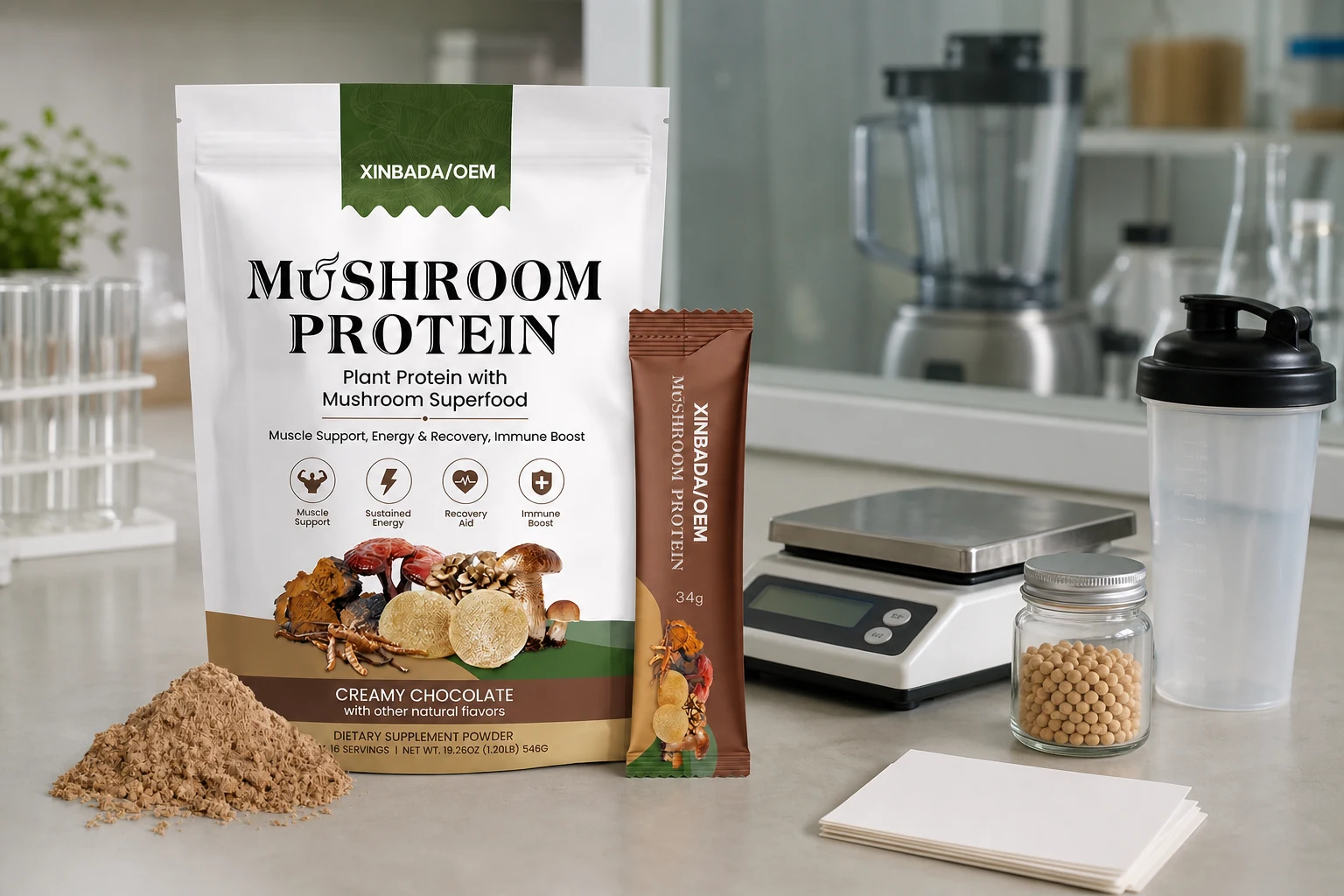
Trace the proposed product through receiving, quarantine, storage, weighing, staging, sieving where applicable, blending, transfer, filling, sealing, coding, secondary packing, sampling, and finished-goods holding. The current facility materials provide relevant process and laboratory context, but approval depends on the actual line, equipment, operators, records, and schedule proposed for the order.
Review Material Status, Allergen, And Line-Clearance Controls
Ask how released, held, rejected, and returned materials are separated; how components are reconciled; how equipment status is identified; and how prior labels and materials are cleared. Formulations or shared facilities can include milk, soy, or other allergens, and markets can apply different obligations. Require the actual allergen assessment, cleaning plan, label control, and change notice—not a broad promise.
Test The Batch Record Chain
Request a redacted example showing how the approved master record drives component identity, weights, equipment, processing steps, yield, packaging issue, label reconciliation, deviations, and quality review. A clean blank form proves only that a template exists. A completed example should let an evaluator follow one batch without guessing the lot, line, version, or reviewer.
Gate Four: Make Batch Release Reproducible
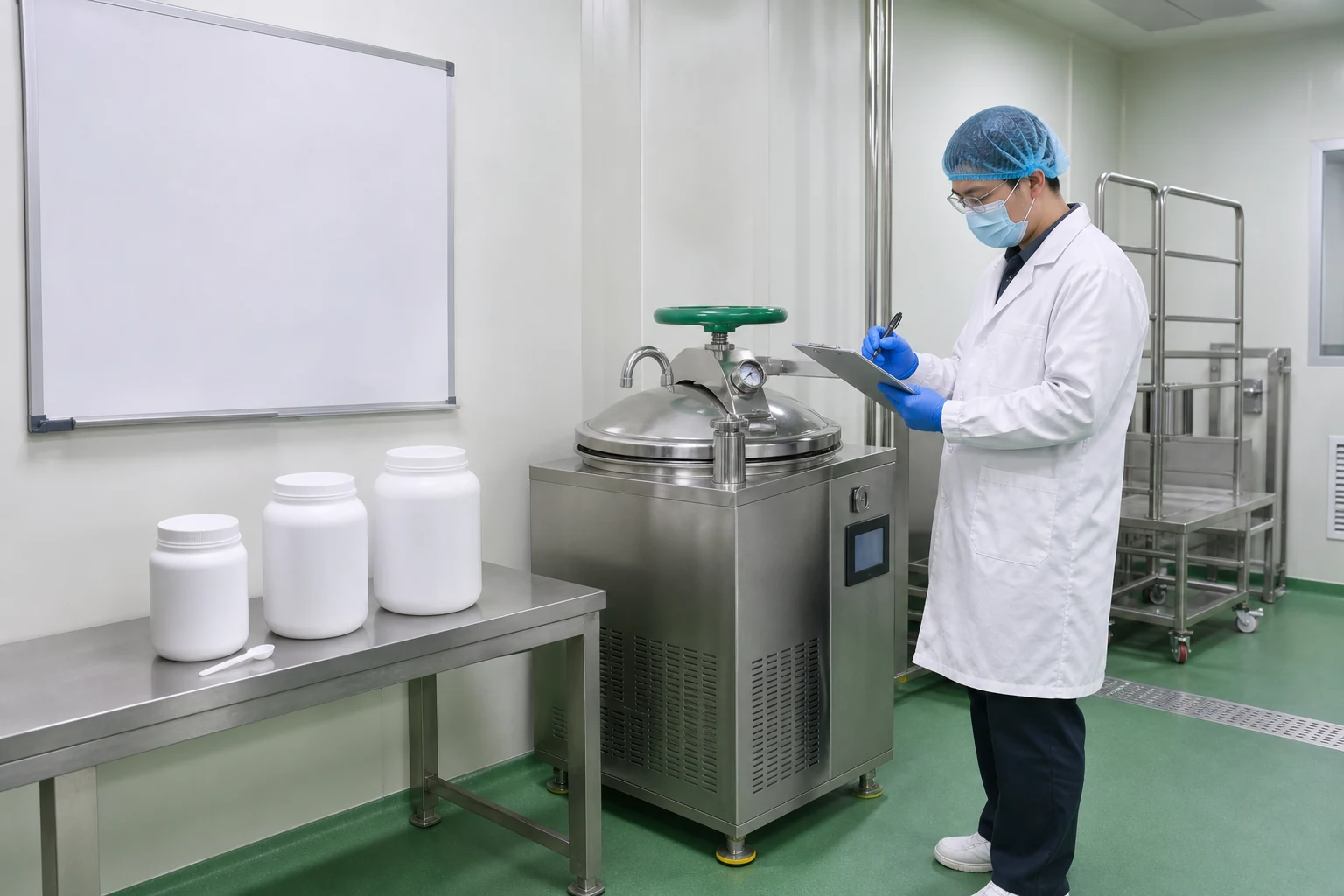
Finished output becomes saleable only after specifications are met and authorized personnel release it. Build a matrix listing each attribute, limit, sample point, method, laboratory, timing, result format, and owner. Use tests needed for the product and market; copied panels add cost, while omitted identity, composition, contaminant, microbiological, sensory, or package checks hide risk.
Link Results, Deviations, And Disposition
Batch release records should connect the finished lot to representative samples, methods, limits, actual results, packaging and label checks, deviations, investigations, and the final release or rejection. When an external laboratory is used, define sample custody and how its report is reconciled with internal records. When a result is atypical but within specification, ask who reviews the trend. When a deviation occurs, the disposition should explain the scientific and procedural basis rather than merely state “accepted.”
Retain A Reference For Complaint And Repeat-Order Review
Preserve the approved pilot, retained sample, production record, certificate, packaging specimen, and shipment identity under a defined plan. If a complaint alleges color, taste, mixing, net-weight, seal, or label variation, the supplier should trace the affected lot, examine retained evidence, identify related stock, and communicate scope.

Gate Five: Stress-Test Continuity Before Award
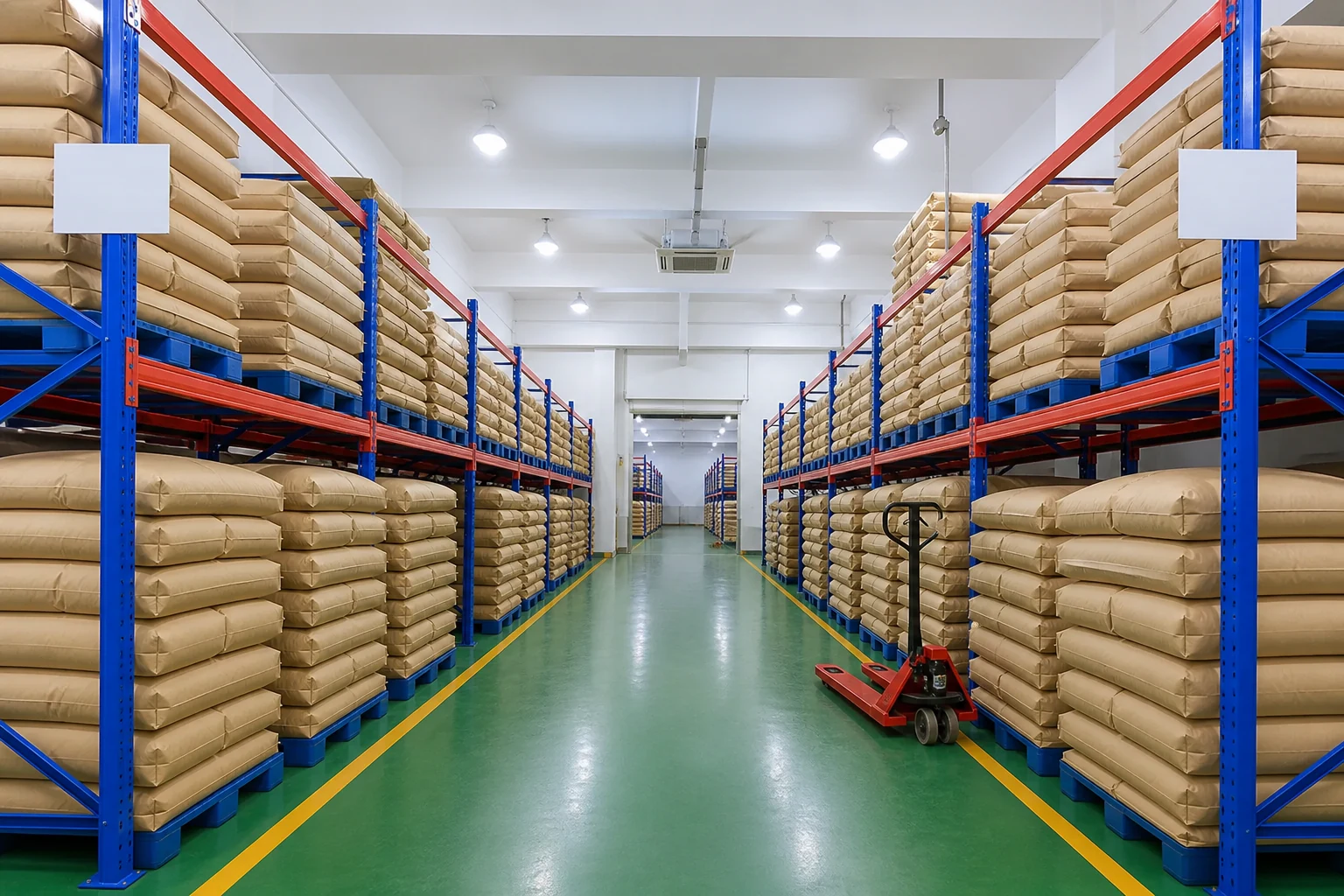
A supplier can pass product tests and still fail the program because one pea-protein grade, pouch film, laboratory method, or shipping route has no workable alternative. Ask for a dependency map, lead-time assumptions, safety-stock responsibilities, change-notification timing, recovery owners, and a disruption scenario. Confirm those owners through the current contact route. A continuity plan should not silently replace materials to protect a date.
Compare Demonstrated Capacity With Committed Availability
Installed mixer volume is not available capacity. Ask for demonstrated batch size, yield, line and packaging rates, cleaning time, release time, utilization, committed demand, and scheduling rule. The slowest controlled step determines delivery. Request capacity for the exact formula and package, then confirm it through a commercial trial.
Use a trial order as a full-system test. Set gates for formula version, components, process, yield, results, net content, package, documents, delivery, and receipt. Record actual times and exceptions. If filling stops, results arrive late, documents conflict, or cartons are damaged, require the observed cause and corrective action before scaling.
Score Every Candidate Through The Same Five-Layer Gate
The host company should be assessed under the same rules as every alternative. Its protein powder range, customization scope, and facility context justify a focused evidence request; they do not independently establish project-specific fitness. Missing evidence should remain an open item instead of receiving an optimistic score.
| Gate | Evidence to request | Pass question | Red flag |
|---|---|---|---|
| Product and source | Controlled brief, ingredient grade, plant, lot records and specification crosswalk | Are all candidates quoting and testing the same product? | Generic pea protein name with no source or method basis |
| Formula pilot | Version, component lots, preparation, criteria, observations and scale-up assumptions | Can the sample result be reproduced and challenged? | Uncoded sample with an unknown formula or process |
| Manufacturing | Site map, material status, line clearance, master record and completed batch example | Does one record chain cover the proposed commercial route? | Facility claims disconnected from the actual product line |
| Release | Sampling, methods, limits, results, deviations, package checks and disposition | Is the release decision lot-specific and authorized? | Certificate with no lot, method, actual result, or reviewer |
| Continuity | Dependencies, capacity assumptions, change notice, recovery plan and trial data | Can supply recover without an uncontrolled substitution? | Unlimited capacity or instant alternatives with no evidence |
Price, minimum order, payment, and lead time matter after technical scope is aligned. Weight mandatory gates separately from preferences, assign owners and due dates to open items, and record the evidence date. A candidate moves from a marketing shortlist to an approvable option only when the five layers tell one coherent story. A repeat-order review should also ask whether pea protein suppliers delivered the approved source, formula, records, package, timing, and corrective actions without an uncontrolled change.
Frequently Asked Questions
Should Buyers Qualify The Ingredient Producer And Finished-Powder Factory?
Yes, in proportion to risk. The finished-product supplier may manage the relationship, but the buyer should understand the ingredient grade, manufacturing site, qualification route, change controls, and traceability that support the final batch.
Is A Third-Party Certification Enough?
No. A valid certification can support system due diligence when its issuer, site, scope, dates, and exclusions are verified. It does not replace a product specification, completed records, lot-specific testing, scale-up evidence, or a commercial trial.
How Many Pilot Samples Should Be Compared?
There is no fixed number. Compare only samples made from the controlled brief and documented versions. Two comparable samples can teach more than many uncoded variations with changing formulas or preparation.
What Should A Supplier Quote Include?
The quotation should identify formula status, ingredient assumptions, package, order quantity, included testing, documents, sampling, lead-time basis, change controls, freight basis, payment, validity, and exclusions. Unresolved technical items should be explicit.
When Is A Supplier Ready For A Larger Order?
After mandatory evidence gates pass and a representative commercial trial confirms process, yield, filling, release, documentation, packaging, delivery, and corrective-action responsiveness. Scale should follow observed performance, not the bench sample alone.
To compare pea protein suppliers on one scope, send the controlled formula brief, pea-protein grade, expected claims, package, volume bands, test matrix, records required, and trial gates through the site’s project inquiry; purchasing, wholesale, and trading teams can then score every answer against the same five-layer evidence standard.