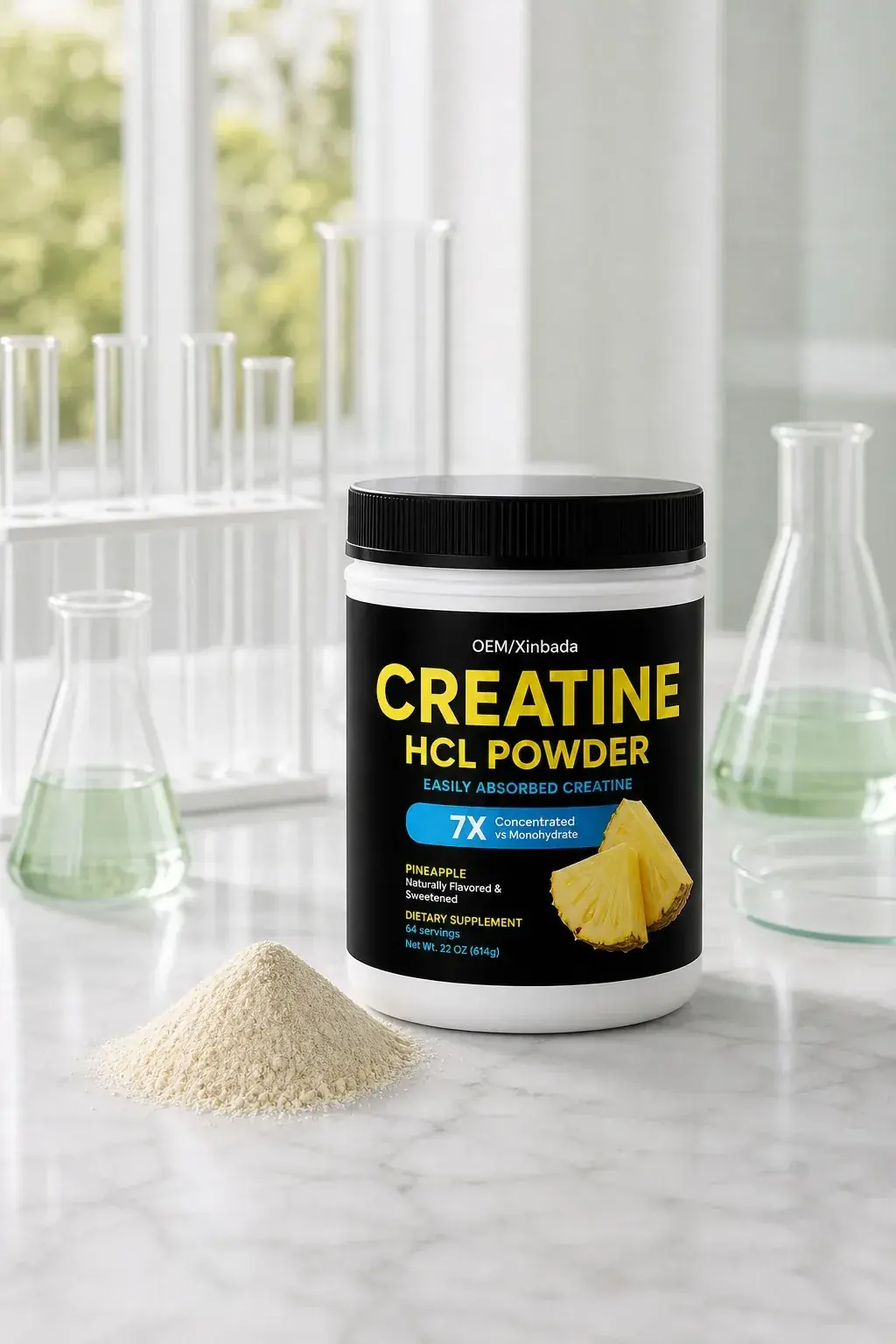
Finding protein manufacturers near me is only the first step; a useful shortlist also tests quality systems, formulation fit, documentation, and delivery resilience. Distance can make a plant tour or sample review easier, yet proximity says nothing by itself about ingredient controls, batch consistency, packaging competence, or the ability to support a commercial launch. The practical question is therefore not simply which factory appears closest on a map. It is which candidate can show a controlled path from approved raw materials to a released, correctly labeled finished product.
Proximity Is a Filter, Not a Qualification
Define the Commercial Need Before Comparing Plants
A supplier cannot be assessed fairly until the buyer has a stable brief. The starting package should identify the protein source, flavor direction, serving format, target package, expected market, intended positioning, forecast range, and any ingredients that create allergen or handling concerns. A loose idea such as “a premium protein powder” gives each factory room to assume a different scope. A structured brief produces answers that can actually be compared and exposes where formulation work is still required.
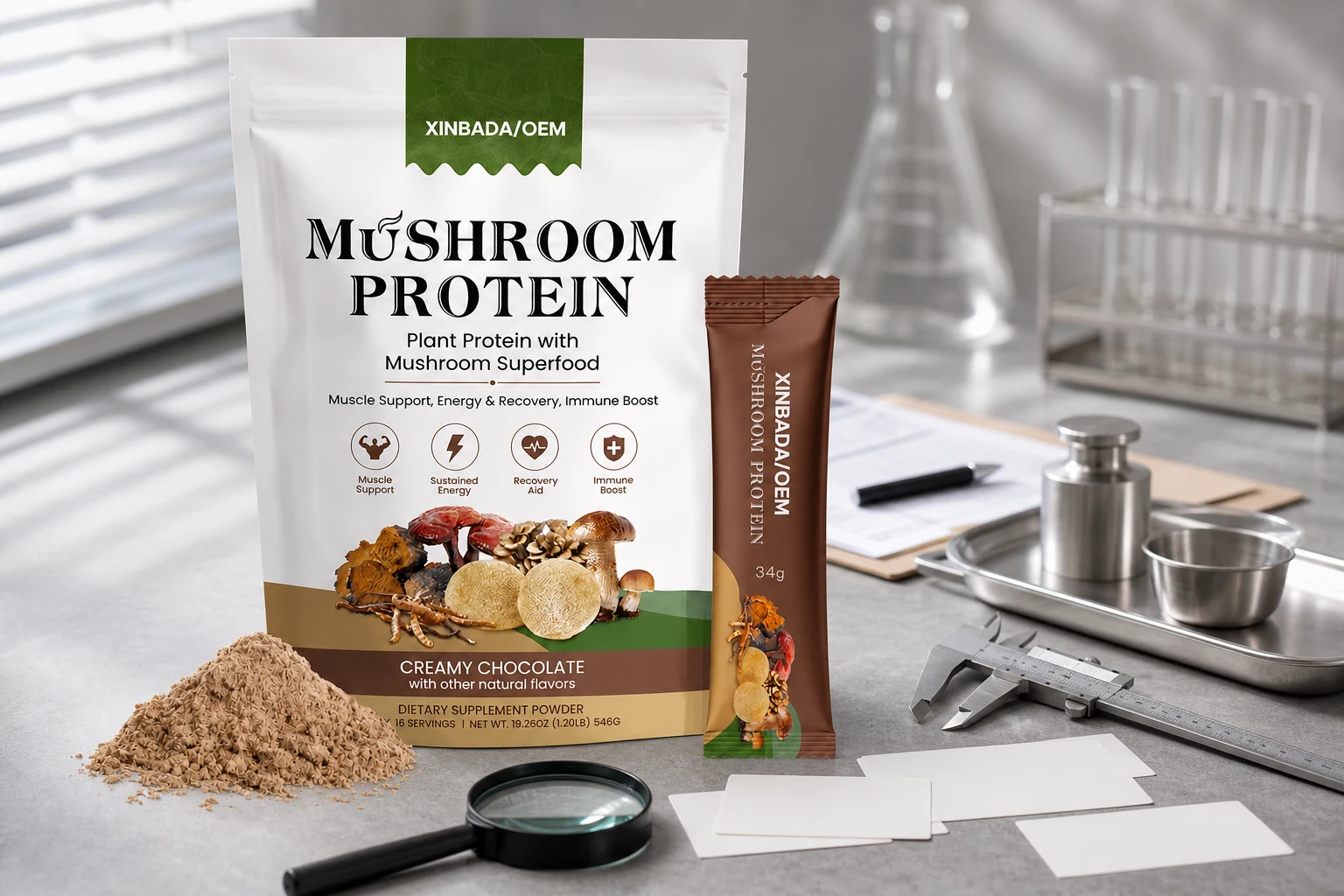
The product format also changes the manufacturing challenge. A simple bulk powder, a flavored blend, a stick pack, and a retail pouch place different demands on blending, dosing, seal integrity, label space, and shipment testing. Reviewing the manufacturer's current product portfolio can show which formats are visibly represented, but the portfolio should open a technical discussion rather than serve as proof of capability. Comparable projects, equipment fit, and controlled records remain more useful than visual similarity alone.
Separate Travel Convenience From Supply Risk
Local access has genuine value. It can shorten travel for an audit, make retained-sample reviews more practical, and simplify communication across time zones. It may also help during packaging approval or the investigation of an unexpected result. Those advantages should be recorded as operational benefits, not converted into a quality score. A nearby site with weak change control or limited backup capacity can create more risk than a farther site with mature systems and clear logistics.
What a Practical Factory Audit Should Establish
Follow Material Flow From Receipt to Release
A useful dietary supplement factory audit follows the physical and documentary path of a batch. Begin with receiving: how are incoming materials identified, quarantined, sampled, tested, approved, rejected, and stored? Continue through weighing and dispensing, where line clearance, status labels, scale checks, and reconciliation matter. Then trace blending, in-process checks, packaging, finished-product hold, quality review, release, and retained samples. The aim is to understand the control points and the records connecting them.
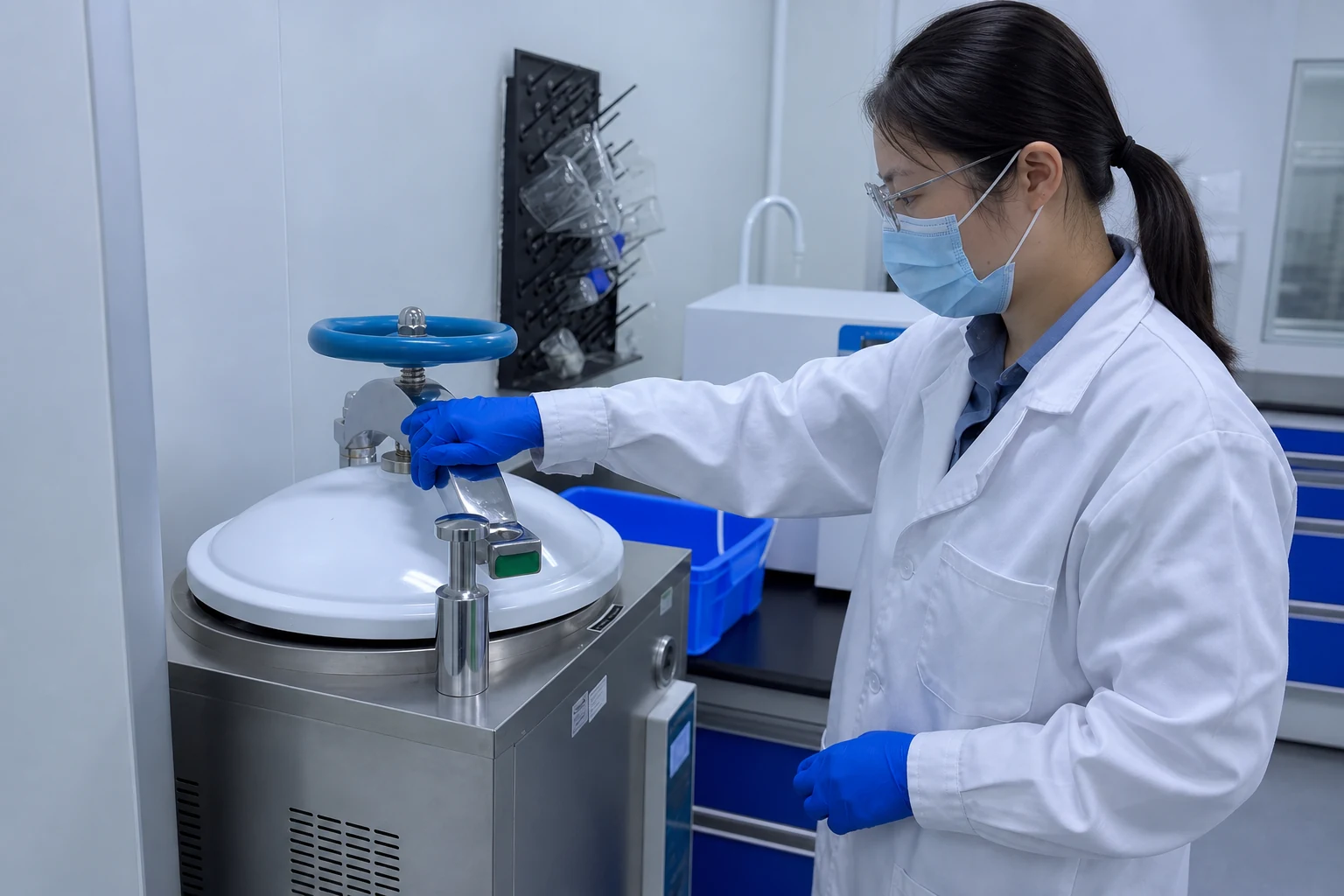
Flow matters because cross-contact and mix-up risks often sit between individual machines. Observe personnel routes, material routes, waste routes, cleaning status, and separation between released and quarantined inventory. A polished production room is helpful, but a coherent status-control system is more informative. The facility overview may provide context for an initial screen; for example, Nutricdmo presents its facility and laboratory environment online. A live audit still needs to verify how those spaces operate during normal work.
Test Whether Records Tell One Consistent Story
Request a controlled, redacted example that links a material specification, supplier approval record, receiving entry, batch record, in-process result, finished specification, certificate, and release decision. Names and confidential formulation details can be obscured; the sequence should remain traceable. Look for consistent lot identifiers, dates, quantities, signatures, equipment references, and review steps. Gaps between documents are signals to investigate, especially when records rely on informal explanations.
Quality Controls That Matter for Protein Powder
Connect Ingredient Identity to Formula Control
Protein powders can combine major ingredients, minor flavor components, sweeteners, functional inclusions, and processing aids. Each category needs an appropriate specification and an approved method of verification. Ask how the manufacturer qualifies ingredient suppliers, confirms identity, handles specification changes, and prevents an unapproved substitute from entering a batch. If a formula uses sensitive or distinctive materials, the sampling plan and analytical approach should be explained in terms a technical reviewer can evaluate.
Examine Finished-Product Testing and Release Logic
Effective protein powder quality controls begin with a written finished-product specification connected to the intended formula and market. Review which attributes are tested, which are verified through supplier controls, which methods are used, how sampling is defined, and what happens when a result is atypical or outside specification. The release package should make the quality unit's decision understandable without relying on memory or verbal assurances.
| Audit Area | Evidence to Review | Question the Evidence Should Answer |
|---|---|---|
| Incoming materials | Specifications, supplier approval, receiving and status records | Can each used lot be shown as identified and approved? |
| Manufacturing | Master instruction, executed batch record, equipment and cleaning references | Was the authorized process followed and reconciled? |
| Laboratory | Methods, sample chain, raw data, review and investigation records | Are results attributable, reviewable, and connected to release? |
| Packaging | Approved artwork, component specifications, line clearance and reconciliation | Was the correct package applied to the correct batch? |
| Quality release | Completed review checklist, deviations, certificates and disposition | Did an authorized quality function make the final decision? |

Formulation and Packaging Need Separate Proof
Evaluate the Development Path, Not Just the Sample
A good-tasting sample can hide an unstable or inefficient development process. Ask how bench trials are documented, how scale-up variables are identified, and who approves formula changes. Protein source, particle size, flavor load, sweetener system, and inclusion level can affect flow, dispersion, sensory performance, and fill consistency. A supplier should be able to explain what will be learned at each trial stage and what evidence is needed before commercial production.
Development responsibilities should also be explicit. The scope may include concept refinement, sourcing, flavor work, packaging coordination, or only manufacturing to a supplied formula. Nutricdmo describes OEM and ODM services, which is useful context for discussing available support. The commercial agreement still needs clear ownership of formulas, specifications, artwork, test methods, samples, and change approvals.
Treat the Label as a Controlled Component
Packaging review should connect regulatory content, marketing copy, component dimensions, print tolerances, and line performance. FDA dietary supplement labeling guidance outlines general label elements, but a final label also depends on the product, claims, ingredients, market, and legal review. The manufacturer can provide manufacturing and component information; responsibility for final compliance must be assigned in writing rather than assumed.
Ask how artwork versions are approved and released, how obsolete material is blocked, and how printed components are reconciled after a run. Confirm whether pouches, tubs, scoops, desiccants, seals, cartons, and cases each have specifications. Channel requirements matter too: case markings, pallet patterns, barcode verification, and shelf presentation can alter component choices and lead time. A visible packaging design service can support the discussion, while controlled proofs and line trials provide the evidence.
Make the Timeline Explain Its Dependencies
Build a Stage-Gated Schedule
Quoted contract manufacturing lead times are most useful when broken into stages: brief confirmation, ingredient sourcing, development, sample approval, specification approval, artwork, component procurement, production scheduling, manufacturing, testing, quality release, and freight handoff. Each stage needs an owner, input, output, and decision date. This structure makes it possible to identify the true critical path and separate buyer-controlled delays from supplier-controlled delays.
Model Logistics After Quality Release
Finished goods do not become available merely because blending has ended. The plan should cover final test timing, certificate preparation, pallet configuration, booking windows, pickup requirements, transit, customs documentation where applicable, receiving appointments, and inventory handoff. Nutricdmo's logistics and delivery information provides a starting point for route discussions, but the working schedule should use the buyer's actual destination and channel constraints.

Turn Observations Into a Defensible Shortlist
A scoring model should reflect product risk instead of giving every question equal weight. Quality-system evidence, technical fit, and traceability deserve substantial weight, followed by development support, packaging fit, continuity, and landed timing. The search for protein manufacturers near me becomes defensible when every score points to recorded evidence.
The strongest outcome of the search for protein manufacturers near me is not the longest list. It is a smaller group with comparable evidence, known gaps, and a clear next review point. The manufacturer overview, company profile, facility information, quality-management context, development scope, and logistics detail can prepare questions before a visit. Final qualification depends on the records, samples, agreements, and observations appropriate to the intended product.
Frequently Asked Questions
Does a Nearby Factory Reduce Quality Risk?
Not automatically. A search for protein manufacturers near me may make visits and sample reviews easier, but quality risk depends on systems, equipment fit, documentation, supplier controls, and release practices. Distance is best treated as an operational factor within a broader qualification model.
What Records Belong in an Initial Review?
An initial review can include relevant licenses or registrations, quality-system summaries, specifications, supplier-qualification examples, a redacted batch-record path, testing and release logic, change control, deviation handling, and packaging controls. The exact set should reflect product and market risk.
How Many Manufacturers Should Be Audited?
There is no universal number. The shortlist should be small enough for meaningful evidence review and broad enough to compare technical fit, capacity, continuity, and timing. A desktop screen can remove obvious mismatches before deeper audits consume specialist time.
When Should Label Review Begin?
Label planning should begin while the formula and package are being defined, then continue through controlled artwork approval. Starting early exposes space, ingredient, claim, and component issues before printed materials or a production slot create expensive constraints.
What Makes a Shortlist Audit-Ready?
An audit-ready shortlist has a stable product brief, agreed confidentiality terms, a risk-ranked question set, named reviewers, requested evidence, and clear pass, gap, and red-flag criteria. That preparation keeps the visit focused on verifiable controls rather than a general facility tour.
Supplier selection becomes more reliable when every candidate is asked to prove the same critical controls. Proximity can improve access, but traceable materials, controlled production, defensible release, suitable packaging, and an honest dependency-based schedule are what turn a promising factory into a credible manufacturing option.