Whey protein isolate manufacturers need an evidence chain that links the agreed specification to the released production batch. That trace is especially important because a short commercial description can hide large differences in protein basis, analytical method, flavor and lecithination choices, microbiological limits, allergen handling, packaging, and change control. A polished sales page may begin the conversation, but it cannot substitute for controlled documents and batch evidence.
Start With an Operational Specification
Define Measurable Requirements Before Comparing Factories
“Whey protein isolate” is a category name, not a complete purchasing specification. Before evaluating a factory, define what must be true of the delivered material and how each requirement will be measured. Protein content needs a stated basis and method. Moisture, fat, ash, pH, solubility or dispersibility, microbiological limits, heavy metals, sensory profile, particle behavior, and packaging integrity may matter differently depending on whether the material will be sold as an unflavored ingredient, blended into a finished powder, or filled into sachets.
For whey protein isolate manufacturers, a defensible specification pairs each attribute with a test method, acceptance limit, unit, sampling convention, and decision rule. “High protein” is not auditable. “Protein not less than the agreed value by the named method and stated calculation basis” is. The same discipline applies to microbiology: the organism, unit, method, and limit must be explicit. If a buyer and supplier use different methods or calculate on different moisture bases, two laboratories can report different numbers without either result revealing an actual process failure.
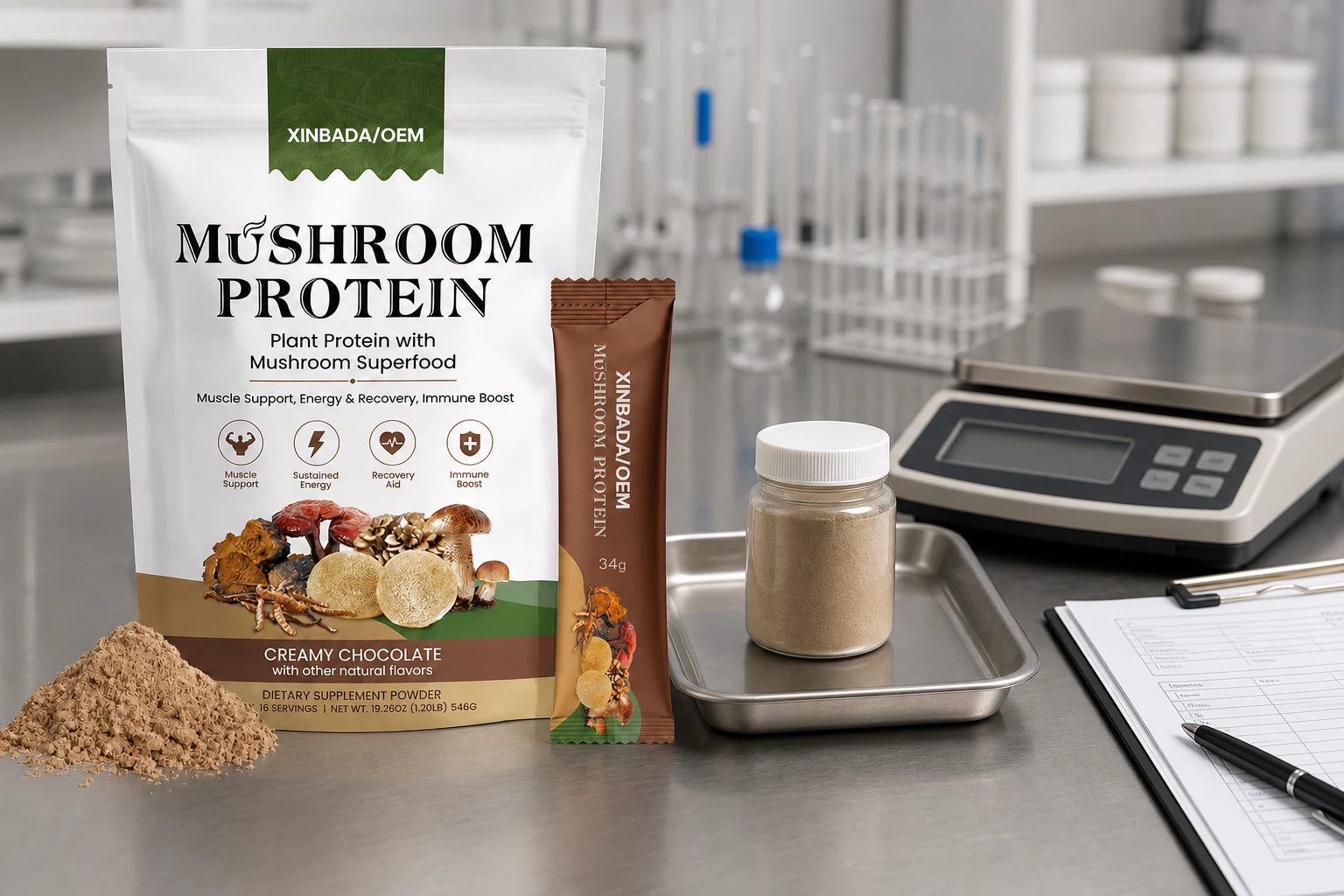
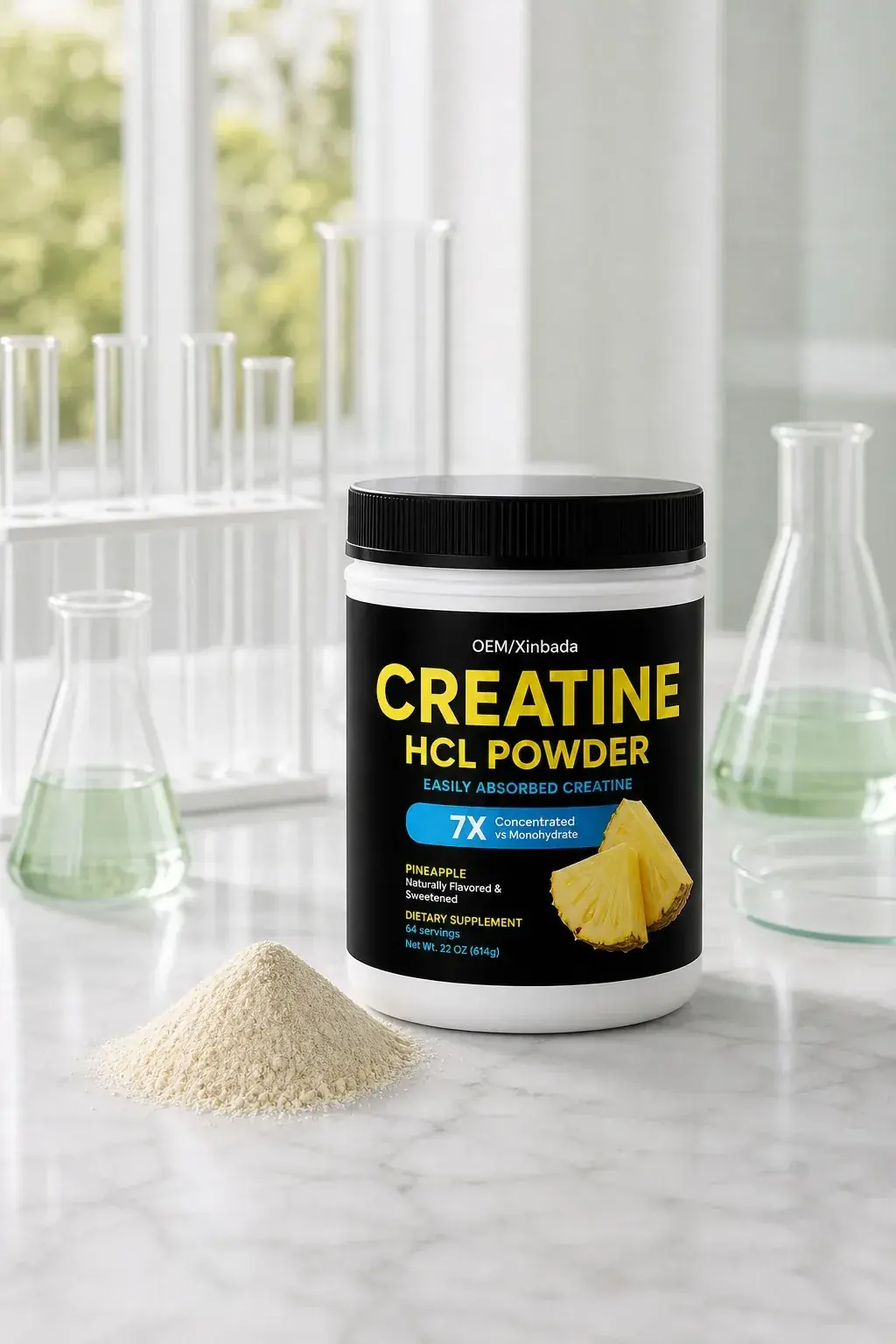
The same-site protein powder category shows several protein formats and a branded mushroom-protein example. That visual context should not be interpreted as independent proof that the pictured formula is whey isolate. For an actual project, the supplier should identify the exact material, manufacturing location, processing aids, allergen status, and packaging configuration that will appear on the quotation, sample, specification, and batch documentation.
Map the Specification to Supplier and Material Controls
Verify Source Approval and Incoming Identity
The evidence chain begins before production. Ask how the manufacturer approves the whey source, how often the source is requalified, which incoming tests are performed, and which supplier results are accepted under a documented qualification program. A manufacturer may rely on a supplier's certificate for some attributes, but that decision should be supported by risk assessment, periodic confirmation, and a defined response when results drift.
The FDA dietary supplement CGMP compliance guide explains the role of specifications, identity testing, protein supplier qualification, quality control, and production records. A buyer does not need to turn an initial conversation into a full regulatory audit, but the factory should explain how its controls correspond to the intended product category and market. The applicable legal route may differ when the material is sold as conventional food, a dietary ingredient, or part of a finished supplement. Same-site facility information can identify follow-up questions, but its claims still require project-level evidence.
Make Change Notification Part of the Evidence Chain
Comparing whey protein isolate manufacturers requires more than a one-time folder of certificates. The stronger question is how the factory detects meaningful change. A new milk source, membrane configuration, agglomeration step, lecithin carrier, contract laboratory, production site, cleaning chemistry, or packaging material can affect performance or risk. The quality agreement should define which changes require advance notice, what evidence accompanies the notice, and whether a new sample or validation review is needed.
Follow the Lot Through the Factory
Reconstruct Actual Execution From the Batch Record
A batch record should allow an independent reviewer to reconstruct what happened. It normally links incoming lots to the production order, equipment, operators, processing steps, in-process observations, yield reconciliation, packaging components, sampling, and final disposition. The aim is not paperwork volume. It is an unbroken relationship between the approved instruction and the actual execution.

For powder handling, inspect the points where identity or uniformity can be lost: staging, line clearance, transfer, sieving, blending, hold time, rework, and pack-out. If the isolate is instantized or blended, the record should identify the added material and target ratio. If an unflavored isolate is merely repacked, the controls should show how the facility prevents mix-ups and cross-contact while preserving the source lot's traceability.
Deviation records are often more informative than a perfect sample batch. Ask who opens a deviation, how impact is assessed, when material is quarantined, who approves disposition, and how corrective action is followed. Compare those answers with the site's stated OEM and ODM process.
Read the Certificate of Analysis as a Data Record
Reconcile Methods, Limits, Results, and Lot Identity
A certificate of analysis review should identify the material and lot, list the agreed characteristics and limits, state methods or method references, show actual results where appropriate, and confirm authorized release information. “Pass” may be reasonable for some qualitative tests, but a numeric characteristic should usually show the measured value. Compare the CoA to the signed specification line by line; a beautiful document is still weak if attributes disappear, methods change, or units do not match. This reconciliation makes whey protein isolate manufacturers comparable on evidence rather than document appearance.

Then determine who performed each test. In-house and external laboratories can both be appropriate, but the chain of custody and responsibility should be clear. For outsourced tests, ask how the laboratory is approved, how samples are identified and shipped, and how atypical results are handled. For in-house tests, ask about method suitability, analyst training, reference standards, calibration, and data review. A supplier should not use a third-party report from one lot as a permanent substitute for the release evidence of later lots.
Treat Milk Allergen Control as a System
Connect Segregation, Cleaning, and Label Review
Whey is derived from milk, which the FDA identifies as a major food allergen. That fact affects raw-material labeling, storage, scheduling, utensils, airborne powder control, cleaning, rework, packaging copy, and release review. A generic statement that a facility “controls allergens” is less useful than a flow diagram and allergen control evidence showing where controls operate. Review the protein category context and require exact project documents.
Where multiple proteins share equipment, examine validated or verified cleaning logic, inspection points, production sequencing, and changeover release. The relevant evidence may include swab or rinse methods, visual inspection criteria, acceptance thresholds, and periodic verification. The buyer's own product and market risk assessment should determine how much proof is necessary; a small trial does not make allergen control optional.
Separate Certification Scope From Batch Proof
Check the Certified Entity, Site, Activity, and Program
Third-party certification can support due diligence, but its scope matters. A facility-system certificate does not automatically certify every ingredient, finished formula, label claim, or production lot. NSF describes GMP certification as an audit-based program for manufacturing systems. Buyers should confirm the legal entity, physical address, activities, product categories, standard or program, status, and expiry date, then reconcile that scope with the site's facility claims.
Certificates should therefore sit beside, not replace, the specification, supplier qualification, batch record, test results, quality agreement, and change-control process. The same principle applies to marketing claims about an in-house laboratory, automated equipment, capacity, or certifications: treat them as useful leads that require project-level confirmation. A site visit, live video audit, or qualified third-party audit can test whether documents and actual practice agree.
Use a Gated Shortlist Before a Trial Order
Advance Candidates Only When Each Gate Reconciles
A practical evaluation can be staged. First, eliminate candidates that cannot reconcile item identity, site, specification, allergen status, or representative CoA. Second, compare control depth through a document review and structured technical call. Third, qualify the strongest candidates with samples, independent confirmation testing where appropriate, and an audit proportionate to risk. Finally, convert unresolved assumptions into written conditions before placing the trial order.
| Gate | Evidence | Decision |
|---|---|---|
| Identity | Item, site, source, allergen, pack | All records describe one material |
| Control | Specification, batch record, CoA | Methods, limits, lots, and results reconcile |
| Change | Quality agreement and notice rules | Material changes trigger documented review |

Logistics completes the chain. Specify lot coding, packaging, tamper evidence, storage conditions, remaining shelf life, shipping documents, and the response to damaged freight. On receipt, compare labels, seals, quantities, lot numbers, and CoA before inventory release. Same-site fulfillment information is a starting point, not the shipment record.
This framework does not produce a universal ranking of whey protein isolate manufacturers. It provides a repeatable decision method for a particular factory, item, and lot. When specifications, source controls, records, laboratory data, allergens, certifications, and shipment reconcile, a trial order becomes an evidence-based step. The site's article archive can supply additional context without replacing that review.
FAQ
Does a GMP Certificate Prove Every Whey Isolate Batch?
No. A certificate can support confidence in the audited management system and activities within its scope, but batch acceptance still depends on the approved specification, traceable production records, appropriate test results, quality review, and the exact item and site covered by the order.
Should Every Result on a CoA Be Tested In-House?
Not necessarily. Qualified external laboratories and justified reliance on approved supplier results can be appropriate. The manufacturer should define responsibility, sample custody, method control, periodic confirmation, review, and the response to atypical or conflicting data.
Why Can Two Protein Results Differ for the Same Sample?
Differences can arise from sampling, preparation, analytical method, conversion factor, moisture basis, instrument performance, or normal uncertainty. The specification should fix the agreed method and reporting basis so that comparison is meaningful.
What Should Be Confirmed Before a Trial Order?
Confirm the exact item and site, signed specification, allergen status, representative CoA, packaging, shelf life, sample findings, change-notification terms, release responsibilities, delivery conditions, and how nonconforming or damaged material will be handled.