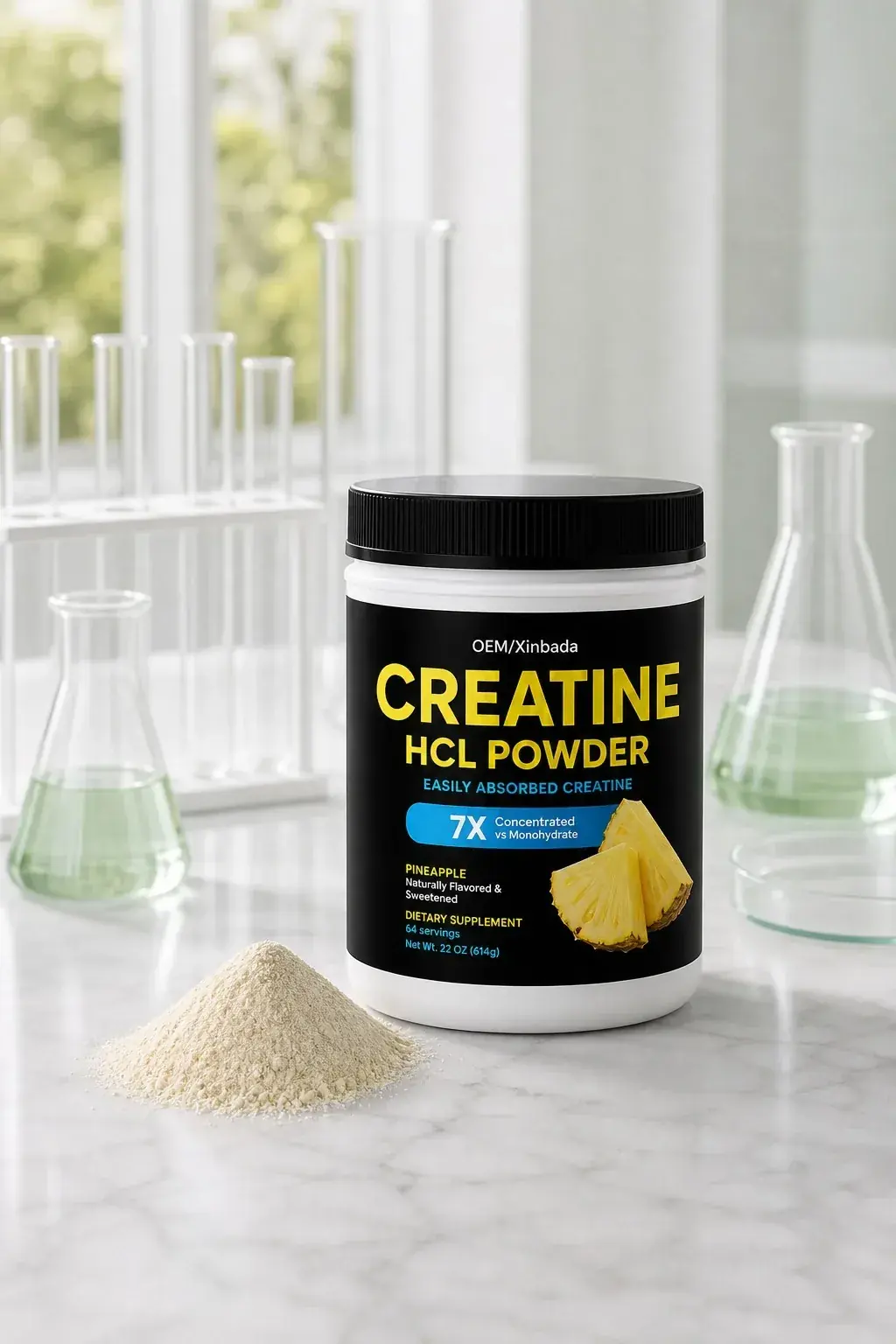
A vitamin pack for women is easier to compare when the full daily contents, serving instructions and packaging are reviewed together, rather than judged by the front label.
The word “pack” can describe several different offers: a bottle containing multiple nutrients, a carton of individually packed tablets, or a daily assortment of separate products. Those formats do not provide the same information or create the same handling requirements. Before comparing a price or a product photograph, establish exactly what one purchased unit contains and what the label calls one daily serving.
This is a product evaluation framework, not an individual supplement recommendation. Needs vary with diet, life stage, medicines and other circumstances. Pregnancy, breastfeeding or a diagnosed deficiency require a qualified professional’s advice. A product marketed to women does not establish that it is suitable for every woman, and a visually complete assortment does not prove that its ingredients belong together.
Define The Pack Before Comparing The Formula
Separate The Sales Unit From The Daily Serving
Record three quantities separately: the number of containers in the sales unit, the number of pieces or measured portions in each container, and the amount intended for a day according to its directions. A carton with several bottles can look larger while containing fewer days of use. Conversely, a small sachet may contain several distinct products. Counting tablets in a photograph cannot resolve either case.
For a vitamin pack for women, the first comparison sheet should identify each component by its exact label name. It should also show whether the components are supplied together, selected separately or merely illustrated alongside one another. Where that relationship is unclear, retain it as an unanswered question instead of converting it into a claim about a finished daily kit.
Check Whether The Product Family Matches The Brief
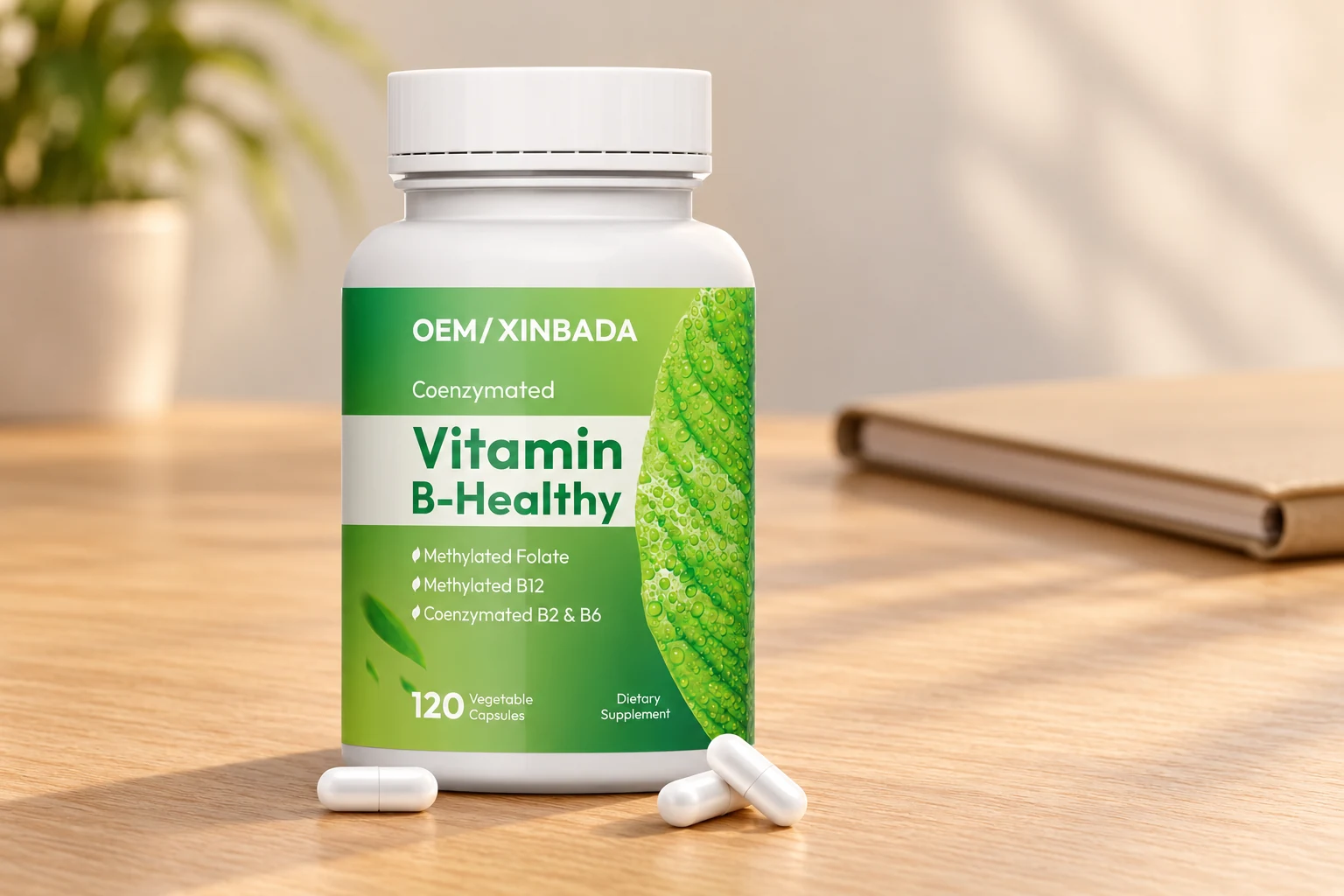
The current vitamin product category provides examples of vitamin-related formats. A B-complex bottle is an example of a particular supplement format; it is not, by itself, evidence of a complete women’s assortment. The same distinction applies to a liquid vitamin product, a capsule product and a product sold for a different purpose. Similar packaging does not make their formulas interchangeable.
In a written brief, distinguish “existing product for review” from “proposed combination requiring confirmation.” This avoids a frequent sourcing error: using a suitable-looking catalogue image to imply that every component, outer pack and instruction sheet already exists as one verified product. The actual label, formulation and finished presentation must be reviewed together.
Read The Complete Ingredient Picture
Use One Consistent Comparison Basis
The stated serving size determines how ingredient amounts should be read. Two labels may express their contents per tablet, per measured liquid portion or per recommended daily use. Copy the original basis into the comparison sheet before making any conversion, and retain the original units. A figure that appears larger can simply reflect a larger serving rather than a stronger product.
A useful review separates the ingredient name, its stated form, the amount on the label and the basis of that amount. Do not assume that different names describe identical materials, or that a larger amount is preferable. Any interpretation of nutritional suitability should be made by an appropriately qualified reviewer using the intended market and user context.
Make Ingredient Overlap Visible
Ingredient overlap becomes particularly important when a pack combines multiple products. An ingredient may occur in both a multinutrient component and a separately supplied supplement. Review the whole proposed daily assortment together with the stated directions. Separate labels can each be accurate while the combined presentation leaves the customer uncertain about what should be taken together.
The practical output is a component matrix, not a claim that more ingredients create a better product. Where an ingredient occurs in more than one component, flag the duplication for qualified assessment. Do not erase it by selecting only the most prominent label, and do not invent a combined daily recommendation from a set of unrelated catalogue entries.
Compare The Information That Changes A Decision
| Review item | Evidence to request | Decision it supports |
|---|---|---|
| Pack definition | Complete list of components and the sales-unit contents | Whether competing offers describe the same deliverable |
| Daily instructions | Current labels with serving directions for every component | Whether days of use and component relationships can be compared |
| Formula identity | Ingredient declarations linked to a named revision | Whether a proposed change affects the comparison |
| Consumer information | Warnings, intended use and market-specific artwork review | Whether the presentation is clear and appropriate for review |
| Physical presentation | Representative packaging sample and agreed packing specification | Whether handling, identification and opening are workable |
| Release records | Relevant batch documents and the agreed acceptance criteria | Whether the supplied goods match the approved specification |

Treat Packaging As Part Of The Product Brief
Review Identification And Everyday Handling
The packaging format affects more than appearance. Separate bottles, unit-dose sachets and an outer carton create different opportunities for identifying components, keeping instructions nearby and recognising an opened unit. Review how a customer distinguishes similar-looking items and whether the original labels remain accessible after the outer packaging is discarded.
With a vitamin pack for women, an organised presentation should make the approved instructions easier to understand. It should not imply that all contents are automatically appropriate for simultaneous use. If colour coding, numbering or compartments are proposed, those design choices should be checked against the final directions, rather than created as decorative features first.
Assess opening, closing and storage instructions using a representative sample. A digital mock-up cannot establish the feel of a closure or how printed text behaves around a curved container. Keep the sample’s status clear: a presentation sample may demonstrate appearance while still differing from the final production material or filling configuration.
Separate Protection Claims From Appearance
A clean-looking bottle or pouch does not establish protection against moisture, light or other storage conditions. Those questions depend on the proposed contents, materials, closure and supporting work. Ask which storage statements and shelf-life claims are actually supported for the finished configuration. Evidence for a different bottle or component is not automatically transferable to the pack being considered.
Packaging format also affects transport and stock handling. The brief should identify the unit that will be picked, shipped and returned, and the place where batch and date information remains visible. If components carry different identifiers, the packing record must preserve their relationship. This is a traceability question even when the outer carton looks identical between batches.

Keep Market Review Separate From Marketing Language
In Australia, the regulatory pathway and permitted presentation depend on the particular product and claims. The Therapeutic Goods Administration distinguishes listed and registered medicines; those categories should not be collapsed into a broad “approved” statement. A proposed product’s status and obligations need product-specific review. A supplier’s general experience does not settle the position of a new combination or a revised label.
For a vitamin pack for women, promotional phrases should therefore be checked against the exact finished offer. Ingredient evidence, product evidence and permission to use a particular claim are different questions. A component’s existing artwork does not authorise copying its claims onto a new outer pack without reviewing the resulting presentation.
The National Institutes of Health Office of Dietary Supplements notes that multivitamin and mineral products vary in composition. That variation is a useful reason to compare actual labels rather than assume a standard formula. It does not provide a specification for a particular commercial pack or establish that a catalogue item meets an individual’s needs.
A review can begin with the company’s published business information, but product-specific conclusions require product-specific evidence. Keep company identity, manufacturing scope, proposed formulation and market presentation in separate fields. Combining them into a single reassuring paragraph makes it harder to see what has actually been demonstrated.
Use A Controlled Sample And Revision Process
Record What Was Reviewed And What Changed
A comparison remains useful only while its source material remains current. Give the proposed assortment, each component label and the outer artwork a clear revision reference. When a component changes, revisit the combined ingredient review, directions and packing list. A change described as “artwork only” can still affect the reader’s understanding of use, warnings or contents.
General product and manufacturing articles can help frame questions, but they should not be used as substitute batch records. Likewise, a photograph of a laboratory, filling line or warehouse is contextual material. It cannot prove that the particular assortment was tested, packed or released under the conditions described in a quotation.
Before completing the comparison, check that the serving size basis is unchanged across the documents and that ingredient overlap questions have been resolved by the appropriate reviewer. Where a point remains open, state its effect on the decision. An honest pending item is more useful than a confident conclusion assembled from unrelated pieces of information.

Frequently Asked Questions
Does A Women’s Label Mean The Formula Fits Every Woman?
No. A marketing category does not establish individual suitability. Diet, life stage, medicines and other factors can change what needs professional assessment. The complete label and directions are more informative than the category name, and individual health decisions should be discussed with a qualified professional.
Can A Single B-Complex Bottle Represent A Complete Pack?
It can illustrate one possible component or dosage format, but it does not prove a complete assortment. The published product catalogue should be read at the level of the specific listed item. A proposed multi-component offer needs a separate, explicit contents list and review.
Should Offers Be Compared By The Number Of Ingredients?
Ingredient count alone is a weak basis for comparison. Identify the actual components, their label amounts, the daily instructions and any duplication first. More names on a panel do not establish better suitability, stronger evidence or a clearer finished presentation.
What If A Quotation And A Sample Use Different Labels?
Pause the affected comparison and establish which revision is intended. Record the mismatch and obtain a consistent set of documents. A sample can be useful for physical handling without representing the final formula or artwork, but that limitation must be explicit.
What Is The Most Useful Final Comparison Record?
Use a concise record that connects each approved component, instruction and packaging decision to its evidence and revision. Questions needing clarification can be routed through the published contact page. The strongest comparison ends with a clearly defined offer and visible unresolved items, rather than a judgement based on the front label alone.